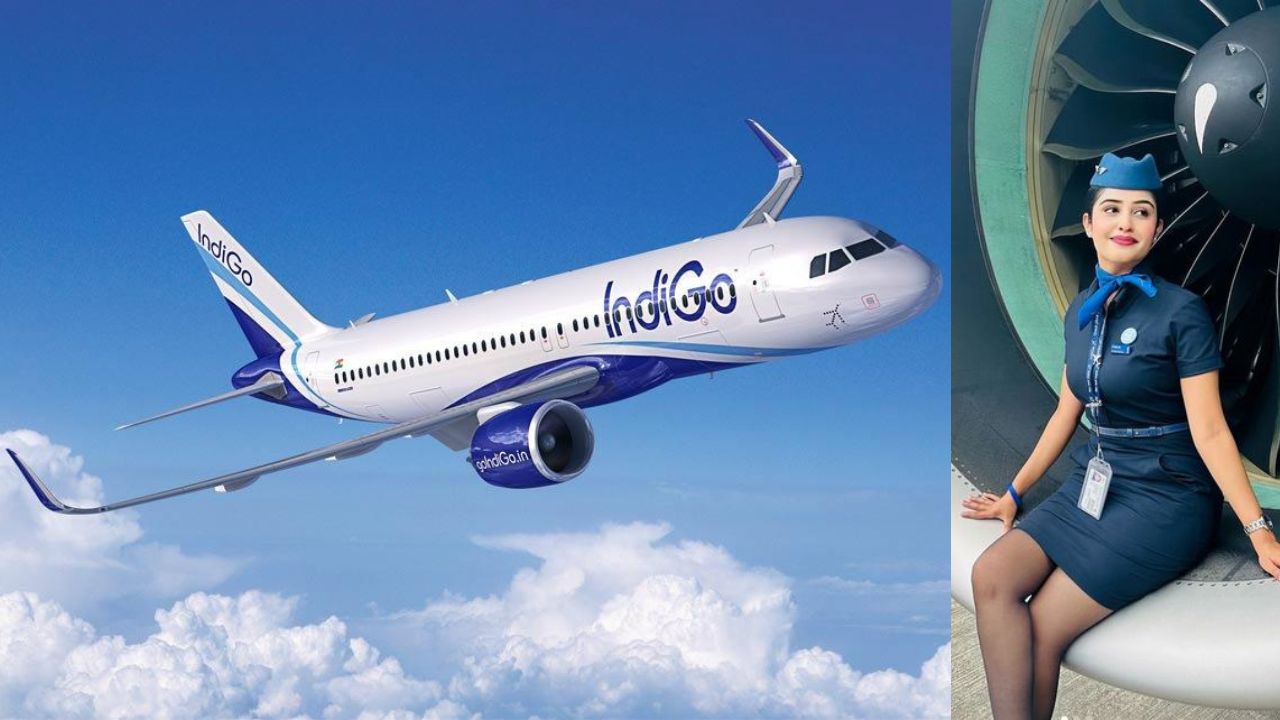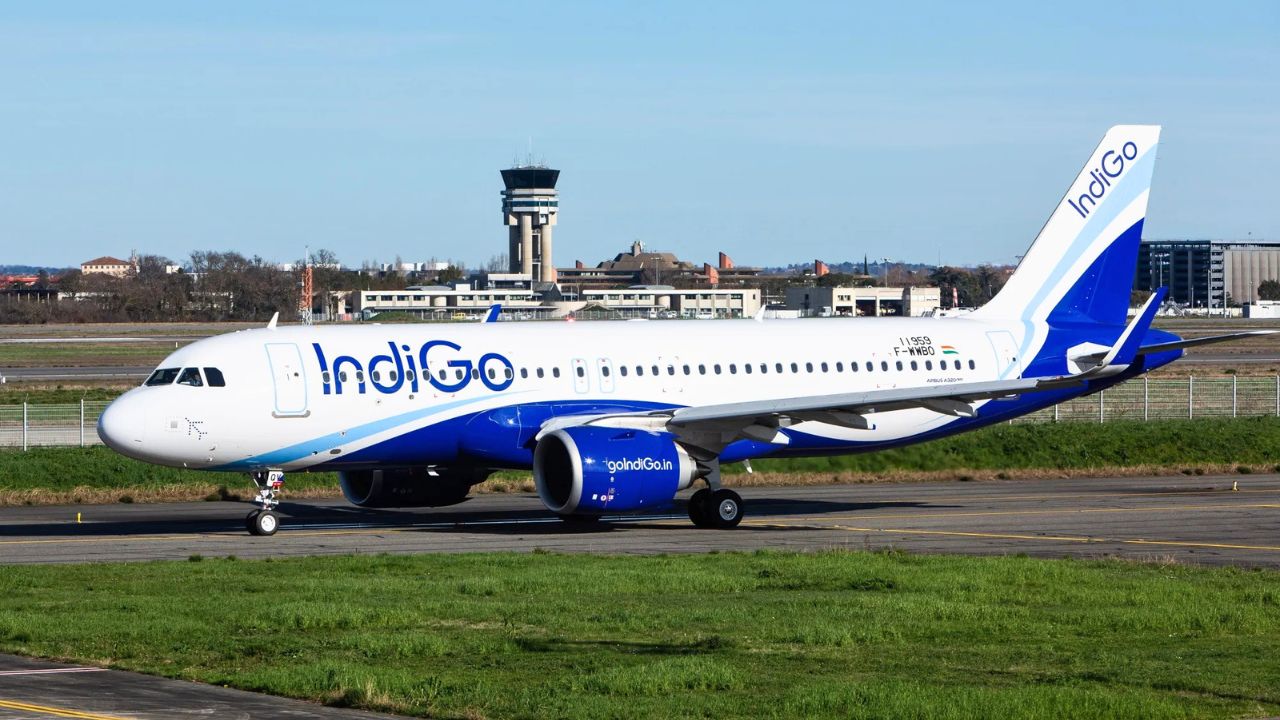
If you’ve ever boarded an IndiGo flight, you may have noticed something interesting that almost every aircraft carries the Airbus name. Whether it’s an Airbus A320, A321neo, or the newly introduced A321XLR, India’s largest airline has built its entire fleet around one aircraft manufacturer.
This isn’t a coincidence, it’s a carefully planned business strategy that has helped IndiGo become India’s biggest airline company by passenger numbers and market share. By standardizing its fleet around Airbus aircraft, the airline has reduced operating costs, improved efficiency, and built one of the most profitable low-cost airline models in the world.
IndiGo’s Current Airbus Fleet
| Aircraft Type | Primary Role |
|---|---|
| Airbus A320ceo | Domestic & Regional Routes |
| Airbus A320neo | Domestic & International Routes |
| Airbus A321neo | High-Demand Domestic & International Routes |
| Airbus A321XLR | Long-Range International Expansion |
| Airbus A350 (On Order) | Future Long-Haul International Services |
Fleet Commonality Is IndiGo’s Biggest Strength
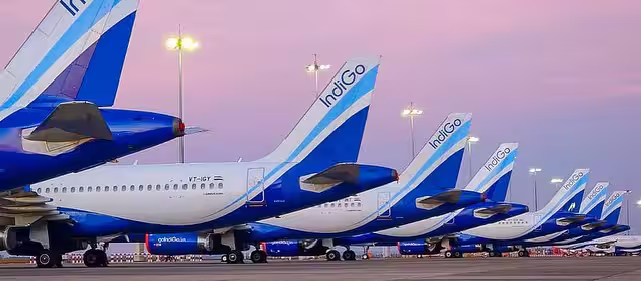
The foundation of IndiGo’s business model is fleet commonality. Instead of operating multiple aircraft families from different manufacturers, the airline has chosen to remain almost entirely within the Airbus A320 family. Although the A320 and A321 vary in size and passenger capacity, they share nearly identical flight decks, operating procedures, and aircraft systems.
A pilot qualified to fly the Airbus A320 can transition to the A321 with minimal additional training because both aircraft share a common type rating. That allows IndiGo to schedule flight crews more efficiently while significantly reducing pilot training costs. For an airline operating thousands of flights every week, those savings quickly become substantial.
Lower Maintenance Costs
Maintaining dozens of different aircraft types can become extremely expensive. Every aircraft manufacturer requires unique spare parts, specialized maintenance equipment, and technicians trained on different systems. By operating only Airbus aircraft, IndiGo has simplified nearly every aspect of fleet maintenance.
Its engineering teams specialize in one aircraft family, maintenance procedures remain standardized, and spare parts inventories are easier to manage. This not only reduces operating costs but also helps aircraft return to service more quickly after scheduled maintenance. Higher aircraft availability means more flights, better fleet utilization, and ultimately greater revenue.
Massive Aircraft Orders Bring Better Pricing
Another major advantage of sticking with Airbus is purchasing power. IndiGo has become one of Airbus’s largest airline customers, placing massive orders for hundreds of aircraft over the years. These large-scale purchases allow the airline to negotiate significant discounts compared with airlines ordering only a handful of aircraft.
Bulk ordering also gives IndiGo greater influence over delivery schedules, allowing it to secure early production slots as it continues expanding both domestically and internationally.
This strategy has helped the airline maintain one of the youngest fleets in the industry, improving fuel efficiency while reducing long-term maintenance expenses.
A Young Fleet Means Better Efficiency
Newer aircraft consume less fuel, require fewer unscheduled repairs, and generally offer greater reliability than older airplanes. IndiGo has consistently focused on operating a relatively young fleet, regularly replacing older aircraft as new deliveries arrive from Airbus.
Modern aircraft such as the Airbus A320neo and A321neo feature more fuel-efficient engines, lower emissions, quieter cabins, and improved passenger comfort, making them well suited for today’s competitive airline industry.
Expanding Internationally Without Leaving Airbus
Although IndiGo built its reputation on short-haul domestic routes, the airline is now entering a new phase of growth.
To support this expansion, it has ordered Airbus A321XLR aircraft, which are capable of flying approximately 8,700 kilometers (4,700 nautical miles). These aircraft will allow IndiGo to launch longer nonstop routes to destinations across Europe, Southeast Asia, and other international markets using a narrowbody aircraft.
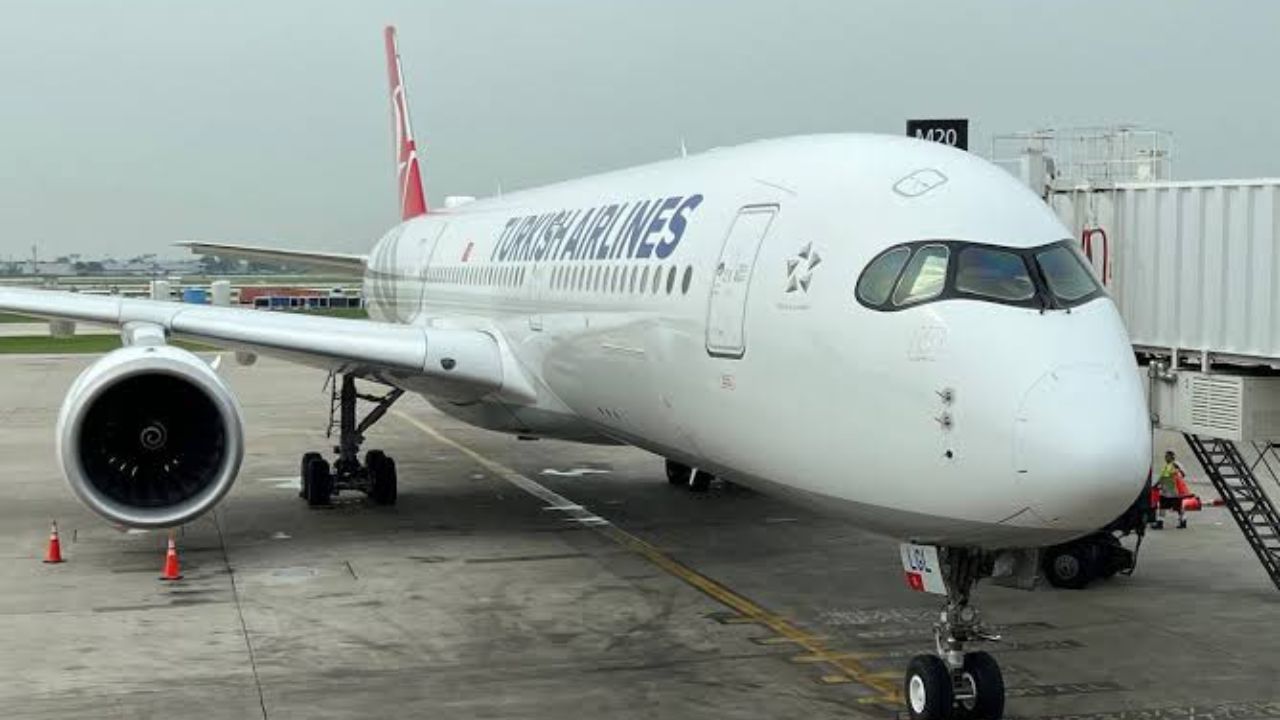
The airline has also placed orders for the Airbus A350, marking its entry into the long-haul widebody segment. Despite expanding into larger aircraft categories, IndiGo has chosen to remain within the Airbus ecosystem rather than introducing Boeing aircraft into its future fleet.
Why Not Boeing?
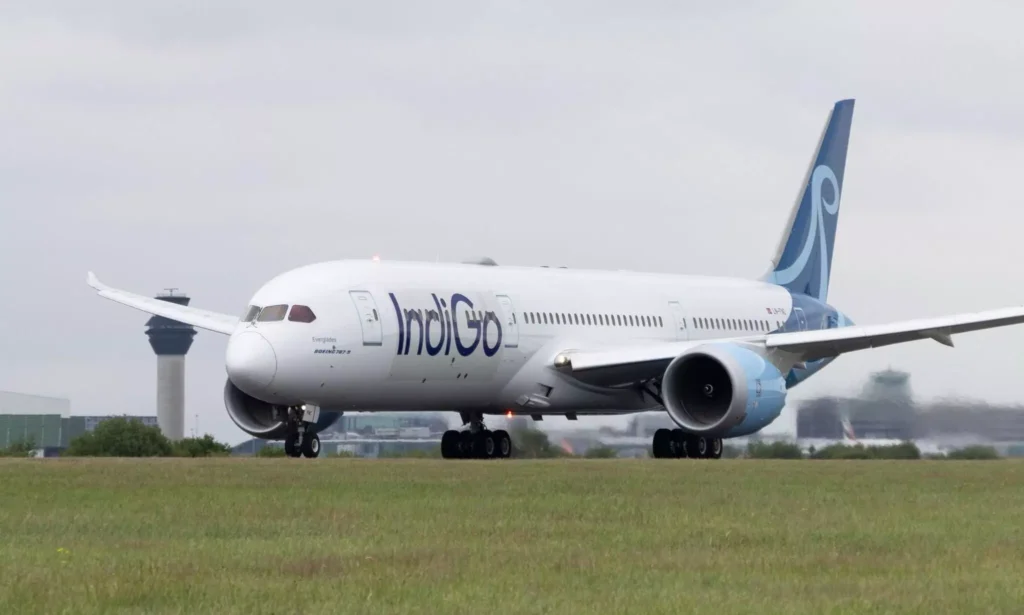
Many major airlines successfully operate both Airbus and Boeing aircraft. However, doing so requires separate pilot training programs, additional maintenance infrastructure, larger spare parts inventories, and more complex operational planning. As an ultra-low-cost carrier, IndiGo has always prioritized simplicity and efficiency over fleet diversity.
Interestingly, the airline did briefly operate a Boeing aircraft in the past. However, that experiment was short-lived, and IndiGo eventually returned to its single-manufacturer strategy. Today, every aircraft in its core fleet belongs to the Airbus family, reflecting the airline’s long-term commitment to operational consistency.
A Strategy That Continues to Deliver Results
IndiGo’s Airbus-only philosophy has played a significant role in its remarkable growth over the past two decades. By reducing complexity across pilot training, maintenance, fleet management, and aircraft procurement, the airline has created an operating model that emphasizes efficiency at every level.
As IndiGo continues adding A321XLRs and prepares to introduce the Airbus A350 for long-haul international services, its commitment to Airbus remains stronger than ever.