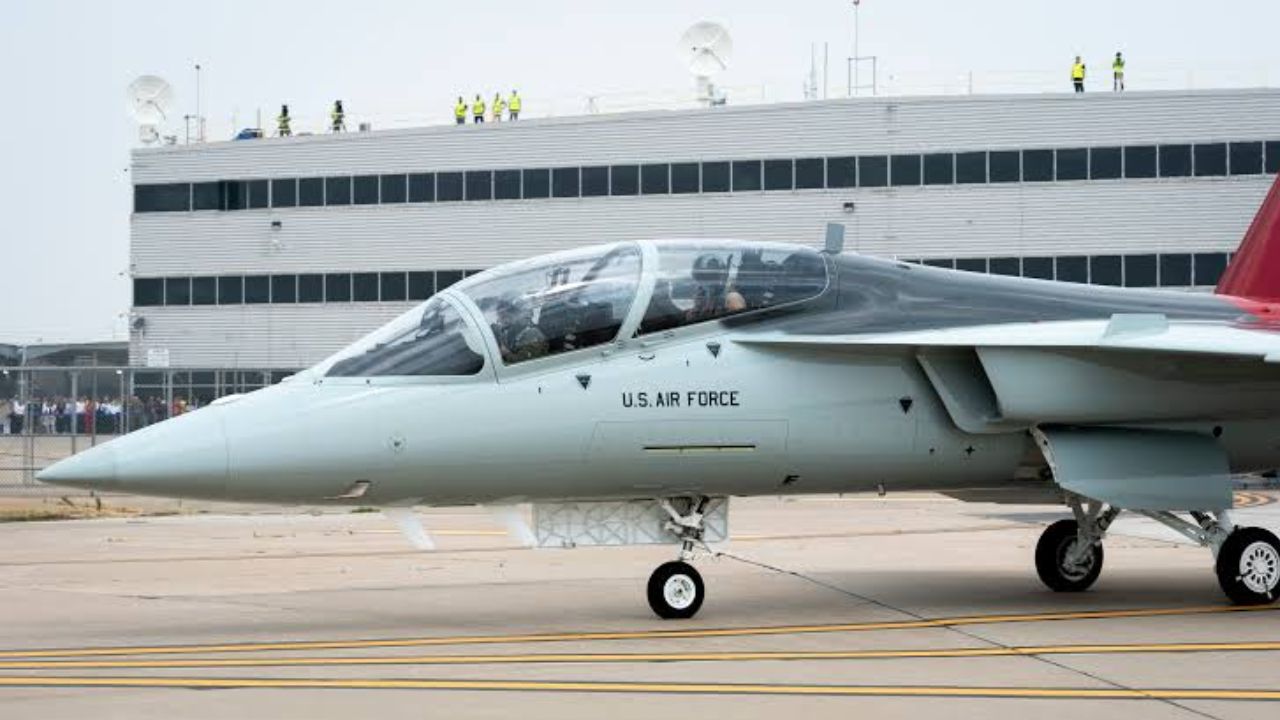
The Boeing T-7A Red Hawk advanced jet trainer was envisioned as a transformative step for United States Air Force pilot training. Designed to replace the aging Northrop T-38 Talon fleet that has served for over six decades, the program promised modern capabilities aligned with fifth generation fighters and bombers. Instead it has encountered significant developmental hurdles, financial losses for Boeing, and ongoing scrutiny from the Air Force.
Awarded in 2018 under a fixed price contract valued at approximately 9.2 billion dollars for 351 aircraft plus simulators and support, the T-7A program highlighted Boeing and partner Saab use of digital engineering. This approach aimed to accelerate design, testing, and production while reducing long term costs. The first flight of a prototype occurred rapidly, but subsequent testing revealed issues that extended timelines far beyond original projections.
Boeing has absorbed substantial losses under the fixed price terms. Reports indicate the company recorded more than 2 billion dollars in charges related to the program due to engineering changes, redesign efforts, and production challenges. Additional quarterly losses have accumulated, with the defense unit reporting hundreds of millions tied to T-7A alongside other fixed price efforts. These overruns stem from higher than anticipated costs in development and early manufacturing phases.
Technical and Testing Obstacles
Developmental testing of the T-7A uncovered multiple technical problems that slowed progress. Prominent among them were challenges with the ejection seat system. The Collins Aerospace ACES 5 seat required extensive redesign and sled testing to meet airworthiness standards, particularly for high speed ejections and a broader range of pilot body types including female aviators. Issues such as hose interference with the sequencer and canopy fracturing problems necessitated further qualification tests.
Flight control software integration also presented difficulties, along with aerodynamic concerns such as wing rock instability discovered during testing. Supply chain disruptions and parts quality issues compounded delays in delivering test aircraft. These factors led the Air Force to expand the test fleet and adjust acquisition strategies multiple times.
Despite these setbacks, Boeing and the Air Force have made measurable progress. The first T-7A was delivered to Joint Base San Antonio Randolph in December 2025, with an official induction ceremony held in January 2026 for the 99th Flying Training Squadron. This marked the beginning of operational familiarization for instructors.
The table below summarizes key program milestones and adjustments based on public reporting.
| Milestone | Original Plan | Revised Timeline | Notes |
|---|---|---|---|
| Contract Award | 2018 | 2018 | Fixed price 9.2 billion dollars |
| First Flight | 2020 | Achieved 2023 | Prototypes demonstrated digital design |
| Milestone C Approval | Earlier | April 2026 | Low rate initial production authorized |
| Initial Operational Capability | 2024 | Fall 2027 | 14 aircraft for training |
| Full Rate Production | Mid 2020s | Ongoing phased | Subject to further reviews |
This table illustrates the cumulative impact of delays exceeding two years in some areas while highlighting recent forward movement.
Milestone C and Path to Production
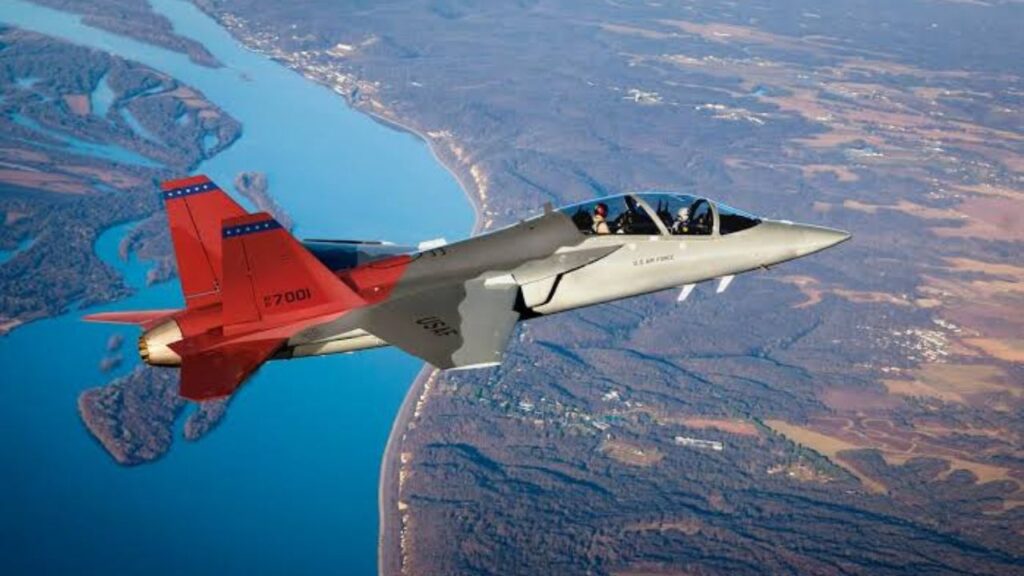
In April 2026 the Air Force granted Milestone C approval, clearing the T-7A for low rate initial production. This decision authorized a 219 million dollar contract for the first 14 aircraft, associated spares, support equipment, and training materials. The phased approach means the program office will seek separate approvals for subsequent low rate lots to manage risk.
Boeing officials described the approval as validation of the aircraft design and manufacturing readiness after addressing early challenges. Air Force leaders emphasized balancing the need to replace the T-38 with careful risk management. Initial operating capability remains targeted for fall 2027 with 14 aircraft available for pilot training.
Flight testing has accumulated hundreds of hours, and the program continues to refine capabilities. However, not all testing will be complete at initial fielding. The aircraft will enter service with a restricted flight envelope that expands over time as additional data is gathered.
Sustainment and Data Rights Concerns
One of the more contentious aspects of the program involves technical data packages and long term sustainment. Internal Air Force assessments have rated sustainment as high risk. Documents indicate Boeing has not fully delivered certain technical data required for organic depot maintenance, leading to descriptions of non compliance in some presentations.
This shortfall raises worries about configuration management for critical safety items and potential reliance on the contractor for ongoing support. Projections suggest the first 82 production aircraft could operate under a serious airworthiness risk category due to incomplete data on certain components, even though the systems like the GE F404 engine have proven reliability in other platforms.
The Air Force has implemented an active management strategy to address these gaps, working closely with Boeing to burn down risks in the early years of fielding. Officials stress that the aircraft will meet safety standards equivalent to or better than the current T-38 when student pilots begin training. Additional measures include enhanced oversight and plans to build government depot capabilities.
Discussions continue around engine procurement changes that could provide more data rights in exchange for potential additional costs estimated up to 1.5 billion dollars in some scenarios. Rain operation restrictions and ground based training system integration have also required attention.
Strategic Importance and Broader Context
The urgency driving the T-7A program cannot be overstated. The T-38 Talon fleet, introduced in the 1960s, faces structural fatigue and obsolescence issues that constrain pilot production. A modern trainer like the T-7A offers fly by wire controls, software upgradability, and a training ecosystem that includes live virtual constructive simulations. These features better prepare pilots for the sensor heavy cockpits of contemporary and future combat aircraft.
The Red Hawk name honors the Tuskegee Airmen, connecting the program to a storied chapter in military aviation history. Its design supports variable training envelopes, allowing instructors to adjust aircraft performance limits as students advance.
Boeing and the Air Force continue collaboration to stabilize manufacturing, improve supplier performance, and deliver credible logistics support. Transparent communication and realistic timelines remain essential as the program transitions from development to sustained operations.
Looking Ahead
As of mid 2026 the T-7A Red Hawk stands at a critical juncture. Milestone C approval and initial deliveries signal progress, yet challenges in cost control, technical data delivery, and full envelope clearance persist. The fixed price contract has imposed financial pain on Boeing but has also incentivized resolution of issues to move toward profitability in production phases.
The Air Force must navigate concurrency risks where production and development overlap, particularly for an aircraft that will train relatively inexperienced pilots. Mitigation plans focus on incremental capability improvements and close monitoring of airworthiness. Success will depend on resolving data and sustainment hurdles while maintaining safety as the paramount concern.
Analysts note that while the program has faced more turbulence than anticipated, the underlying need for a T-38 replacement remains pressing. Continued oversight, adaptive contracting adjustments, and partnership between government and industry will determine whether the T-7A ultimately delivers on its promise as a cornerstone of future pilot training. With 351 aircraft planned, the stakes for both Boeing and the Air Force are high, but so is the potential payoff in enhanced readiness for the next generation of aviators.