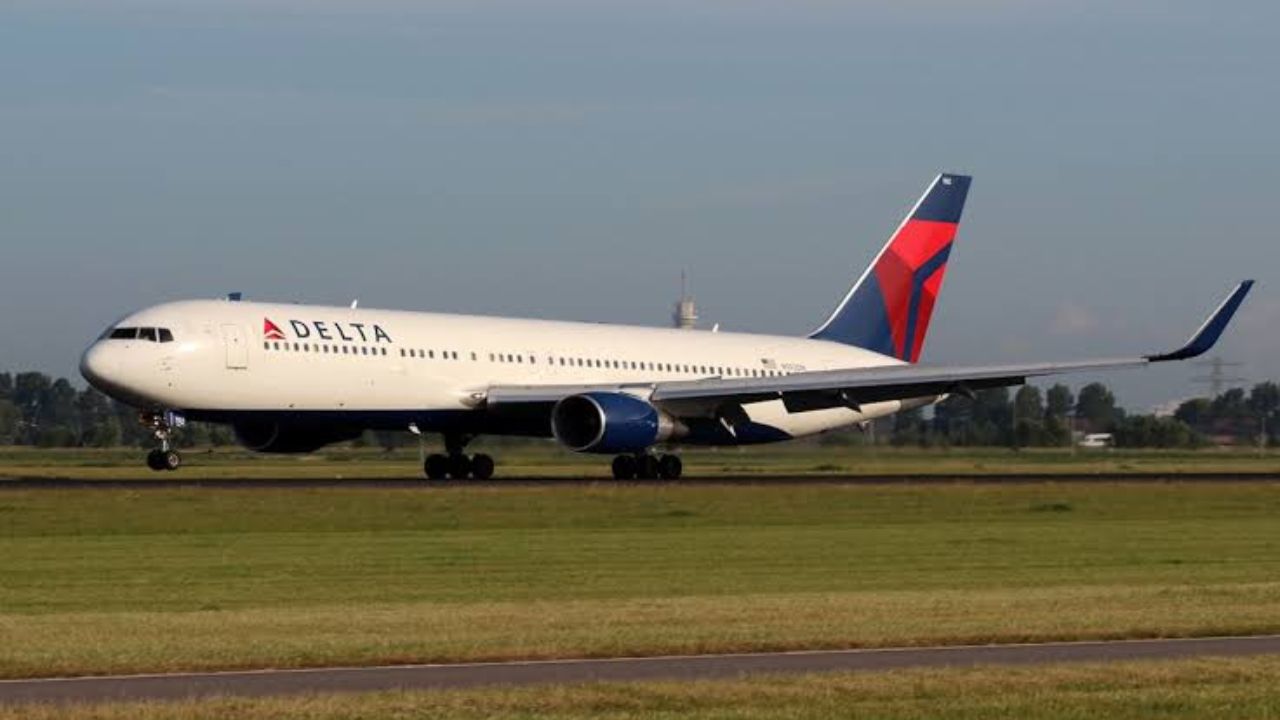
Delta Air Lines has secured a deal to acquire two gates and associated facilities previously operated by Spirit Airlines at Hartsfield Jackson Atlanta International Airport. The transaction valued at 12 million dollars underscores the ongoing consolidation in the United States airline industry following Spirit Airlines bankruptcy and operational shutdown. This move further solidifies Delta position at its primary hub where it already commands the vast majority of traffic.
The agreement covers preferential use Gates C4 and C6 on Concourse C along with related ticketing lobby check in counters and operational support spaces. Spirit Airlines reached out to multiple parties during the sale process with only two airlines submitting formal bids. Delta emerged with the highest and best offer according to court filings in the Southern District of New York Bankruptcy Court.
Expanding Control At The Worlds Busiest Airport
Hartsfield Jackson Atlanta International Airport serves as the crown jewel in Delta network. The airline already operates a massive hub there handling roughly 80 percent of the airports passenger traffic. Acquiring additional gates provides Delta with greater operational flexibility even though the airport maintains significant infrastructure capacity overall.
Under the terms of the deal Delta will assume the lease for these assets which extends through June 30 2031. The city of Atlanta owns the airport facilities so Delta purchases only the leasehold rights rather than ownership of the gates themselves. This structure leaves open the possibility for future reassignment or bidding when the lease expires.
The transaction fits into a broader pattern of asset liquidation from Spirit Airlines bankruptcy proceedings. Spirit ceased operations earlier in 2026 after failing to complete a successful restructuring. Its remaining assets including aircraft gates slots and other infrastructure continue to be sold off piecemeal to generate funds for creditors.
Regulatory And Competitive Context
The Federal Aviation Administration has voiced concerns about the broader implications of Spirit dissolution for competition and affordability in air travel. FAA Administrator Bryan Bedford highlighted worries over reduced low cost carrier presence following the ultra low cost airlines exit. In statements regarding other Spirit assets Bedford emphasized preferences for maintaining service options accessible to average travelers.
For the Atlanta gates however the deal appears set to proceed without major federal intervention. The objection deadline passed on July 1 2026 with a court hearing scheduled for July 8 to finalize approval. Spirit legal team described the assignment as commercially and operationally logical given the limited pool of eligible operators that met the criteria for the transfer.
Critics have drawn comparisons to the upcoming auction of Spirit 22 daily slot pairs at New York LaGuardia Airport scheduled for July 9 2026. Those slots valued at approximately 87 million dollars have attracted interest from various carriers. The FAA has signaled a strong preference for another low cost operator to acquire them or potentially retiring the slots to reduce congestion rather than allowing transfer to a major network airline.
| Asset Location | Details | Value | Status |
|---|---|---|---|
| Atlanta ATL Gates C4 C6 | Gates ticketing lobby support space lease to 2031 | 12 million dollars | Pending court approval July 8 |
| New York LGA Slots | 22 daily slot pairs | Approximately 87 million dollars | Auction July 9 FAA prefers LCC |
This table outlines key Spirit asset sales highlighting differences in regulatory scrutiny.
The Spirit Effect And Market Impact
For years Spirit Airlines bright yellow Airbus A320 fleet symbolized aggressive low fare competition across the United States. The so called Spirit Effect helped suppress ticket prices on numerous routes by forcing legacy carriers and other competitors to match or respond to its ultra low cost model. Similar dynamics exist internationally with carriers like Ryanair in Europe.
The loss of this competitive force raises questions about potential fare increases as the industry consolidates. Legacy carriers including Delta United and American Airlines stand to benefit from reduced pressure on pricing particularly in markets where Spirit previously operated. At Atlanta the acquisition allows Delta to absorb capacity without immediate new entrant challenges at those specific gates.
Delta plans to integrate the gates into its existing operations enhancing scheduling flexibility and potentially supporting additional flights from the hub. The airline did not purchase the physical gates but rather the lease rights which aligns with standard airport authority practices where municipalities retain ownership.
Broader Industry Consolidation Trends
Spirit Airlines second bankruptcy filing and subsequent liquidation reflect challenges facing ultra low cost carriers in recent years. Rising costs fuel prices labor expenses and intense competition contributed to financial difficulties. The piecemeal sale of assets represents a common outcome in airline bankruptcies where creditors seek maximum recovery.
Other Spirit assets including parts of its fleet have found buyers among remaining operators. The Atlanta gates transaction marks another step in this process. While the FAA expressed reservations about legacy carrier dominance the Atlanta deal falls below certain antitrust thresholds and does not appear headed for legal blockage.
Industry observers note that Delta homefield advantage at Atlanta was already formidable. The additional gates reinforce this position at the worlds busiest airport by passenger volume. This dominance enables efficient hub operations with extensive connecting traffic but also invites ongoing scrutiny regarding competition levels.
The Port Authority of New York and New Jersey has raised separate objections regarding Spirit ability to transfer LaGuardia slots highlighting complex regulatory layers around airport infrastructure. Such cases illustrate the tension between bankruptcy proceedings aimed at creditor recovery and public policy goals of maintaining affordable air service.
Future Outlook For Atlanta And Beyond
Assuming court approval on July 8 Delta will integrate the former Spirit spaces into its Atlanta operations. This provides incremental capacity at a key hub without the need for new construction. The lease extension to 2031 offers medium term stability for planning.
Looking ahead the outcome of the LaGuardia slot auction may set precedents for how regulators balance competition concerns with asset liquidation needs. If low cost carriers successfully bid for those slots it could mitigate some impacts of Spirit exit. Conversely retirement of slots would reduce overall capacity at a congested airport.
For consumers the net effect depends on how remaining carriers deploy the acquired assets. Delta may use the Atlanta gates to expand service or optimize existing routes. Broader fare trends will hinge on competitive dynamics across multiple markets rather than any single transaction.
This deal exemplifies the shifting landscape of United States commercial aviation. As ultra low cost carriers face headwinds legacy airlines strengthen their positions at major hubs. The Spirit Airlines bankruptcy continues to reshape airport operations and route networks with ripple effects felt throughout the industry.