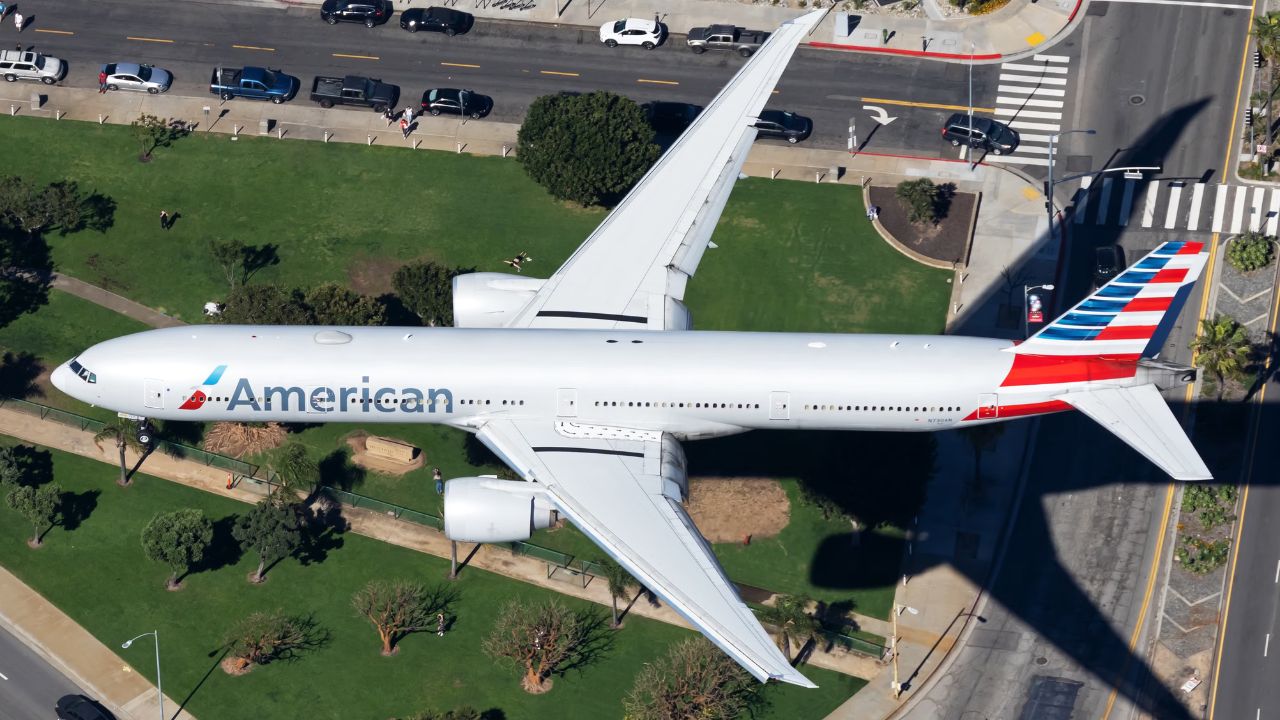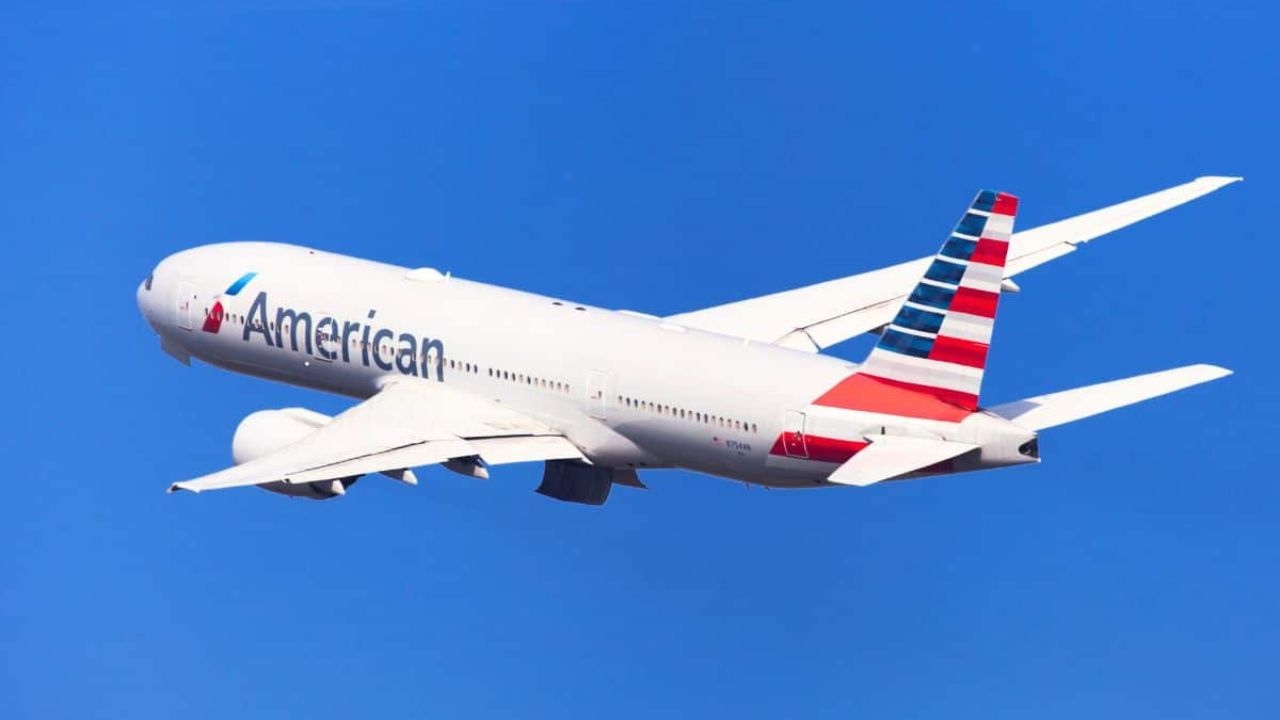
Thailand has become one of the world’s most visited travel destinations, attracting more than 35 million international visitors in 2024. Its tropical beaches, vibrant cities, world-famous cuisine, and affordable luxury continue to draw millions of tourists every year, including a growing number of travelers from the United States. Yet despite this popularity, one surprising fact remains: no U.S. airline currently operates a nonstop flight to Thailand.
Considering airlines now fly nonstop between the U.S. and destinations such as Singapore, Australia, New Zealand, and even South Africa, many travelers wonder why Bangkok still requires at least one stop. The answer isn’t as simple as distance alone. It involves economics, aircraft performance, passenger demand, airline strategy, and aviation history.
Why There Are No U.S. Nonstop Flights to Thailand
| Factor | Impact |
|---|---|
| Ultra-Long Flight Distance | Very High |
| Limited Premium Business Demand | High |
| Leisure-Focused Passenger Market | High |
| Operating Costs | High |
| Existing One-Stop Competition | High |
| Previous Route Losses | Significant |
| Thailand’s FAA Category 2 Rating (2015–2025) | Previously Restricted Thai Airlines |
Thailand’s FAA Safety Rating Is No Longer the Problem
For nearly a decade, Thailand’s aviation industry faced an important obstacle. In 2015, the U.S. Federal Aviation Administration (FAA) downgraded Thailand to Category 2 after identifying shortcomings in the country’s aviation oversight under International Civil Aviation Organization (ICAO) standards. The downgrade prevented Thai airlines from launching new nonstop services to the United States.
However, that situation changed in April 2025, when Thailand regained its Category 1 safety rating, once again allowing Thai carriers to expand into the U.S. market if commercially viable. Although the regulatory barrier has disappeared, airlines still haven’t announced nonstop services and economics remain the biggest reason.
The Route Is Extremely Long

Distance is one of the largest challenges. A nonstop flight between Los Angeles (LAX) and Bangkok (BKK) covers approximately 8,269 miles (13,307 kilometers). That places the route firmly in the ultra-long-haul category, with flight times approaching 17 to 18 hours depending on weather conditions and prevailing winds. Operating flights of this length is expensive. Airlines must account for:
- Higher fuel consumption
- Additional flight and cabin crew
- Longer aircraft utilization
- Increased maintenance costs
- Operational complexity
Thailand Is Primarily a Leisure Market
Unlike cities such as Singapore, London, Tokyo, or Frankfurt, Bangkok does not generate the same volume of premium corporate travel from the United States. Most passengers flying between the U.S. and Thailand are:
- Vacation travelers
- Backpackers
- Families
- People visiting friends and relatives
These travelers are generally more price-sensitive. Many are willing to accept a one-stop itinerary if it saves several hundred dollars on airfare. That makes it much harder for airlines to charge the premium fares needed to make ultra-long-haul routes profitable.
Premium Traffic Drives Long-Haul Profitability
Some of the world’s longest nonstop flights succeed because they attract a large number of business travelers. Examples include:
- Singapore – New York
- Perth – London
- New York – Auckland
These routes carry significant numbers of passengers paying premium fares in Business and First Class. Bangkok simply doesn’t produce the same level of high-yield corporate demand from North America. Without enough premium revenue, airlines have a much harder time covering the enormous costs of operating an 18-hour nonstop flight.
Thai Airways Tried Before
Nonstop flights between Thailand and the United States aren’t entirely new. Thai Airways previously operated direct services from Bangkok to both Los Angeles and New York JFK using the Airbus A340-500. At the time, these were among the world’s longest commercial flights. Unfortunately, the Airbus A340-500 consumed enormous amounts of fuel, and the routes reportedly lost money despite strong passenger demand.
Thai Airways eventually:
- Ended New York flights in 2008.
- Rerouted Los Angeles services through Seoul in 2012.
- Completely discontinued U.S. operations in 2015.
Although today’s Boeing 787 Dreamliner and Airbus A350 are considerably more fuel-efficient, airlines still need the right combination of demand and revenue to justify nonstop operations.
Air Canada Proves the Route Can Work
Interestingly, North America does have one nonstop connection to Thailand. Air Canada currently operates seasonal nonstop flights between Vancouver International Airport (YVR) and Bangkok Suvarnabhumi Airport (BKK) using the Boeing 787-9 Dreamliner. The route works for several reasons. First, Vancouver is almost 1,000 miles closer to Bangkok than Los Angeles. Second, Air Canada faces relatively limited nonstop competition on the route.
Finally, Vancouver serves as one of Canada’s major gateways to Asia, providing strong connecting traffic throughout North America. Its continued operation suggests there is demand—but not necessarily enough to support multiple U.S. airline competitors.
One-Stop Flights Already Work Well
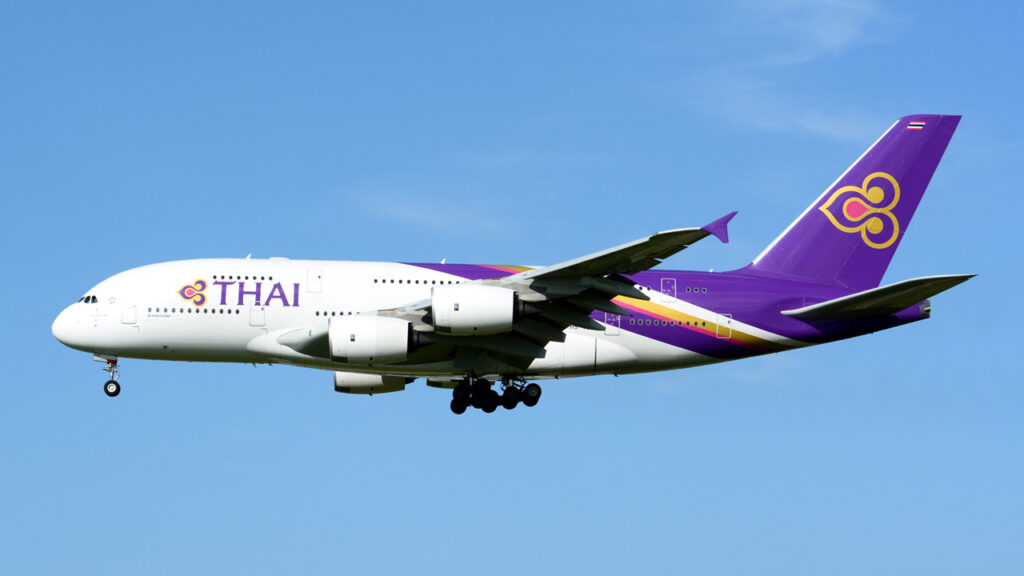
Another reason airlines haven’t rushed to launch nonstop flights is that passengers already have dozens of convenient one-stop options. Travelers from the United States can reach Bangkok via major Asian hubs including:
- Tokyo
- Seoul
- Hong Kong
- Singapore
- Taipei
- Manila
Airlines such as United Airlines, Singapore Airlines, Cathay Pacific, EVA Air, Japan Airlines, Korean Air, Philippine Airlines, Emirates, Qatar Airways, and Etihad Airways all offer excellent connections to Thailand. Because these carriers already operate extensive Asian networks, they can fill aircraft with passengers traveling to multiple destinations not just Bangkok. That network advantage is difficult for a single nonstop flight to overcome.
Could United Airlines Eventually Launch Nonstop Flights?
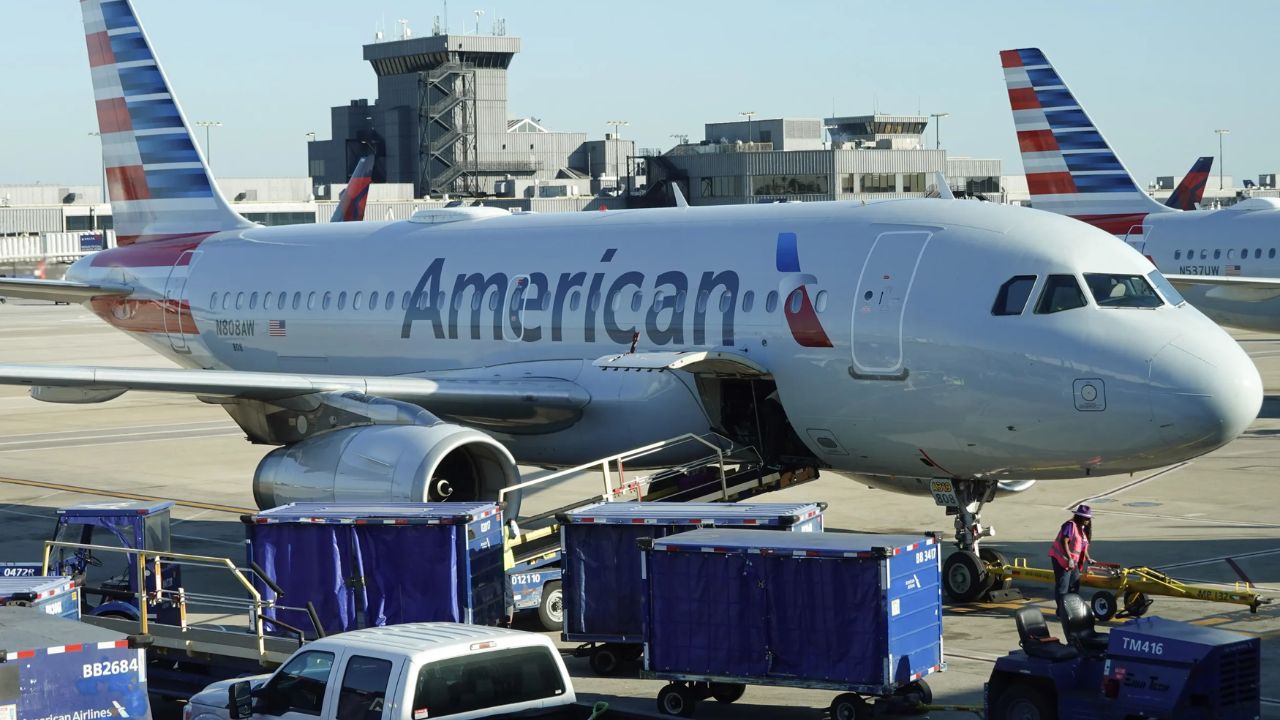
Among U.S. airlines, United Airlines appears to be the strongest candidate. The airline already serves Bangkok through Hong Kong using its Boeing 787-9 and maintains one of the largest transpacific networks in North America.
As a member of the Star Alliance, United also benefits from Thai Airways’ domestic and regional connections throughout Southeast Asia. If nonstop flights eventually become viable, they would most likely operate from:
| Airport | Why It Makes Sense |
| Los Angeles (LAX) | Largest Thai-American community in the U.S. |
| San Francisco (SFO) | United’s primary Pacific gateway with extensive domestic connections |
Could the Future Change?
Several factors could improve the economics over the coming decade. Thailand continues attracting increasing numbers of American tourists, particularly luxury travelers. Popular television productions such as The White Lotus have also introduced millions of viewers to Thailand’s resorts and culture, helping boost interest in the destination.
Meanwhile, aircraft technology continues to improve. Future long-range aircraft could reduce operating costs enough to make nonstop U.S. – Thailand flights financially attractive.
Final Thoughts
The absence of nonstop flights between the United States and Thailand isn’t caused by regulation anymore. Instead, it’s largely a matter of economics. Ultra-long flight times, high operating costs, limited premium business demand, and strong one-stop competition have all made nonstop services difficult to justify.
That said, the outlook isn’t entirely pessimistic. Thailand’s restored FAA Category 1 status, growing popularity among American travelers, and increasingly capable long-range aircraft mean the idea of a nonstop U.S.-Thailand flight is more realistic today than it has been in years. For now, however, passengers heading to Bangkok from the United States should continue expecting at least one stop along the way.