Air travel remains the safest and fastest way to cover long distances, yet many passengers today describe the overall experience as increasingly frustrating. Crowded airports, tighter seats, frequent delays, and lengthy security processes contribute to a sense of discomfort that stands in sharp contrast to the glamour associated with flying in earlier decades. While ticket prices have dropped dramatically, making air travel accessible to far more people, the tradeoffs have left many wondering if the journey has become too burdensome.
This article examines the primary reasons behind growing passenger dissatisfaction. It draws on real operational challenges, historical comparisons, and ongoing industry efforts to address these issues. Understanding these factors highlights why complaints persist even as aviation carries more travelers than ever before.
Ground Experience And Airport Stress
One of the most cited frustrations begins well before boarding. Passengers are routinely advised to arrive at least two hours early for domestic flights and even earlier for international ones. Security screening represents a major bottleneck at many airports. The Transportation Security Administration operates under chronic staffing pressures that lead to long lines, especially during peak travel periods.
Programs such as TSA PreCheck and CLEAR aim to speed up the process for frequent travelers, yet their growing popularity sometimes reduces the time savings. Recent adjustments, including the elimination of mandatory shoe removal in some cases and new family friendly initiatives, show attempts at improvement. However, the overall procedure still feels time consuming and stressful for many.
International arrivals add another layer with customs and border control. At busy United States gateways, wait times can stretch beyond an hour during peak periods. Programs like Global Entry help eligible passengers bypass much of this, but not everyone qualifies. The combination of jet lag and prolonged processing after long flights amplifies fatigue and irritation.
Flight Delays And Air Traffic Challenges
Once inside the terminal, concerns shift to actual flight operations. The United States air traffic control system faces persistent staffing shortages. Controllers often work extended hours with mandatory overtime, creating vulnerability when absences occur. This issue became particularly evident during periods of government funding uncertainty in late 2025, when increased callouts led to widespread disruptions.
Many major airports rely on infrastructure built decades ago. Older terminal designs and apron layouts struggle with current passenger volumes, resulting in congestion, longer taxi times, and gate shortages. These factors compound delays even when weather remains favorable.
The table below summarizes recent impacts from staffing related issues.
| Period | Key Issue | Reported Effects |
|---|---|---|
| Fall 2025 | Controller callouts during shutdown | Mass delays and cancellations at major hubs |
| Ongoing 2025-2026 | Chronic understaffing | Reduced capacity at Core 30 facilities |
| Daily Operations | Overtime and fatigue | Slower recovery from disruptions |
Efforts are underway to modernize. New terminals and expansions at airports including LaGuardia, Newark, Portland, and smaller fields like Myrtle Beach aim to increase gate availability and improve flow. These projects incorporate more spacious designs better suited to modern demand.
Shrinking Space On Board

Perhaps the most visible change involves seating. In the early Jet Age, economy seat pitch commonly ranged from 35 to 38 inches. Following airline deregulation in 1978, carriers gradually reduced legroom to control costs. Today, standard economy pitch typically falls between 30 and 32 inches, with some low cost carriers going as low as 28 inches.
Seat width has also faced pressure. While average widths hover around 17 to 18 inches, reduced armrest sizes and narrower aisles in some configurations make the space feel tighter. The table below compares historical and current economy layouts on popular widebody aircraft.
| Aircraft Type | Original Economy Layout | Current Common Economy Layout |
|---|---|---|
| Boeing 767 | 2-3-2 | 2-4-2 |
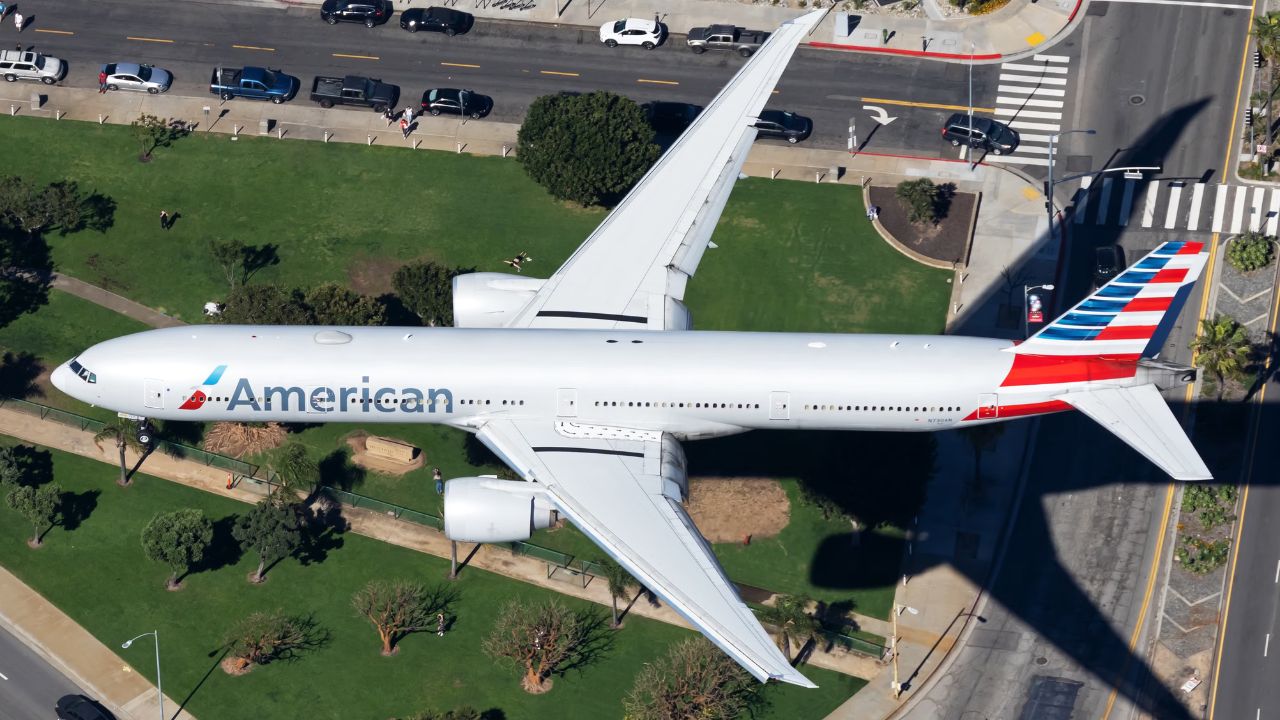
| Boeing 777 | 2-5-2 / 3-3-3 | 3-3-3 / 3-4-3 |
| Boeing 787 | 2-4-2 | 3-3-3 |
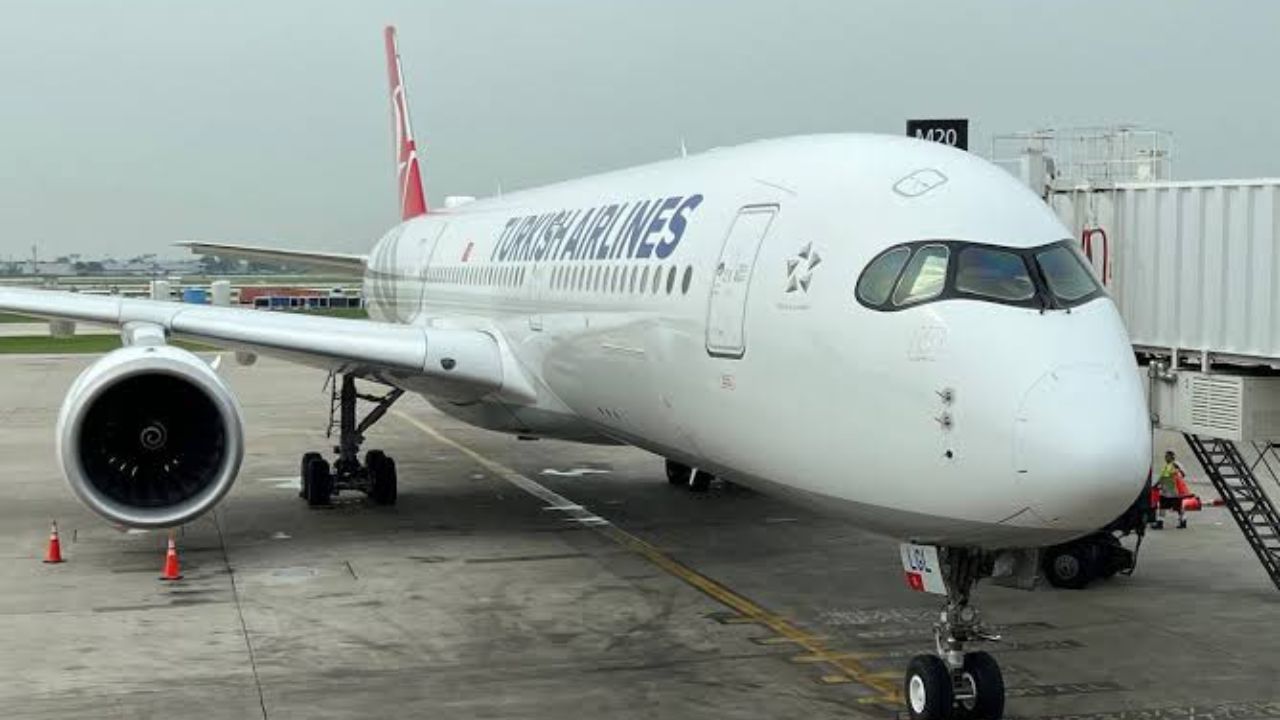
| Airbus A350 | 3-3-3 | 3-3-3 / 3-4-3 |
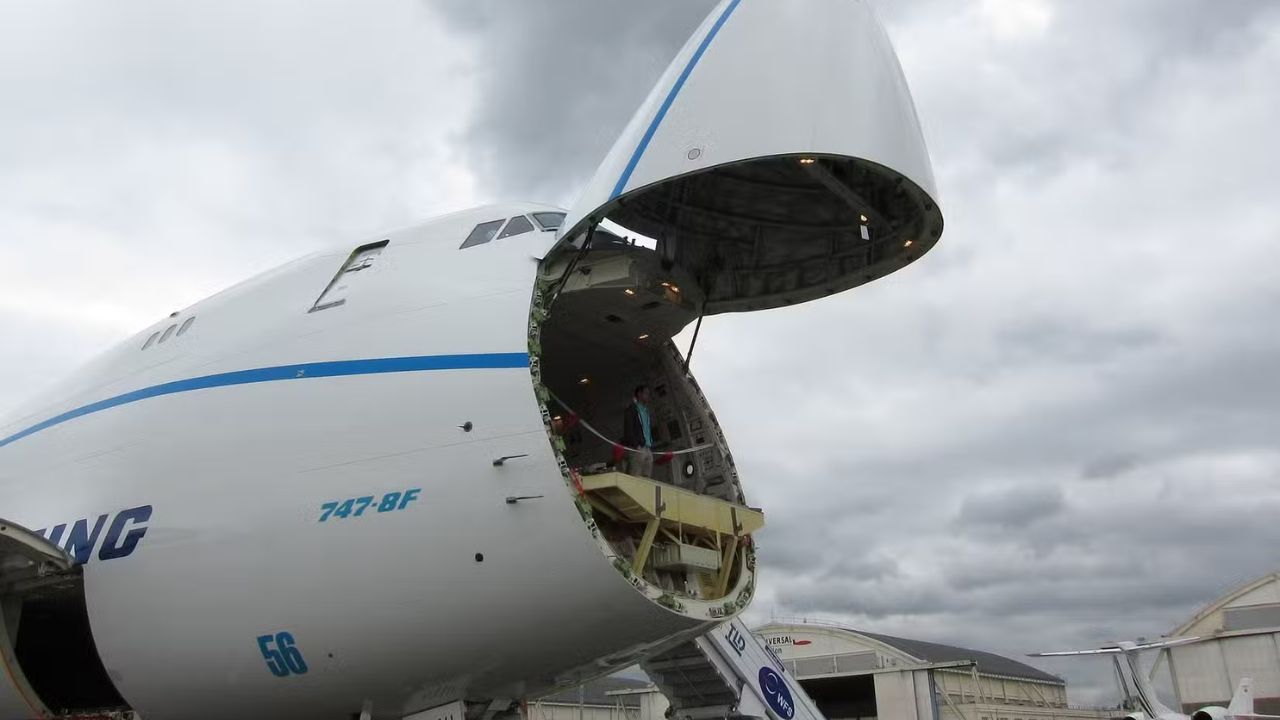
| Boeing 747 | 3-4-2 | 3-4-3 |
These reductions coincide with increases in average passenger size since the 1960s and 1970s. Window seats often feel especially confined due to fuselage curvature. The result is greater potential for encroachment on neighboring space and overall discomfort on flights lasting several hours.
Positive Changes And Accessibility Gains
Despite these challenges, modern air travel offers benefits that earlier eras lacked. Ticket prices have fallen substantially in real terms, opening flying to a much broader population. In the early 1970s, fewer than half of American adults had ever flown. By the late 1970s this figure reached around 60 percent. Today nearly 90 percent of adults in the United States have flown at least once.
Onboard amenities have improved in other ways. Many economy seats now feature thinner, more ergonomic designs with better knee clearance and adjustable headrests. Inflight entertainment via seatback screens or personal devices has become standard. Wi Fi availability continues to expand, allowing passengers to stay connected or entertained during flights.
Premium options have also proliferated. Premium economy provides a meaningful step up in space and service. Business class on long haul routes increasingly includes lie flat seats, direct aisle access, and in some cases privacy doors. These enhancements bring luxury closer to the experiences of past first class travel.
The table below contrasts American Airlines widebody cabin options from different eras.
| Era | Available Classes |
|---|---|
| 1976 | First Class, Coach |
| 2026 | Flagship Suites / Business, Premium Economy, Main Cabin Extra, Main Cabin |
This greater variety allows passengers to select experiences that match their budgets and priorities more effectively than in the regulated era when choices were more limited.
Broader Industry Context
Several structural factors drive these trends. Intense competition among carriers pushes efficiency measures that include denser seating. Advances in aircraft technology, such as more fuel efficient designs, help offset costs but do not fully eliminate pressure on space. Rising passenger numbers strain existing infrastructure, making upgrades essential yet challenging to implement quickly.
Recent terminal projects across the country signal commitment to improvement. Expansions focus on better passenger flow, more gates, and modern amenities designed for higher volumes. Meanwhile, ongoing recruitment and training for air traffic controllers aim to stabilize operations, though progress remains gradual.
Looking Toward Solutions
Passengers can take steps to mitigate some frustrations. Selecting flights during off peak times, using expedited screening programs, and choosing seats with extra legroom when feasible can improve the experience. Airlines and airports continue investing in technology, such as biometric processing and self service kiosks, to reduce touchpoints and wait times.
Ultimately, air travel reflects a fundamental tradeoff. Greater accessibility and lower fares have democratized global mobility, but they come with compromises in comfort and convenience. As the industry addresses infrastructure bottlenecks and evolves cabin designs, the hope is that future improvements will balance efficiency with a more pleasant passenger experience.
For now, the sense that flying has become more challenging persists among many travelers. Recognizing both the problems and the progress provides a clearer picture of where air travel stands today and where it may head next. With continued investment and innovation, the industry has opportunities to restore some enjoyment to the journey while maintaining its vital role in connecting the world.