Commercial airline pilots in the United Kingdom enjoy some of the highest salaries in the country far exceeding the national median household disposable income of around 36700 pounds. These well compensated professionals operate complex aircraft on demanding schedules yet their actual take home pay reflects significant deductions for taxes pensions and other contributions. Understanding the full picture requires looking beyond gross figures to consider experience aircraft type airline employer and the impact of the UK tax system.
This breakdown examines typical earnings at major UK carriers in 2026 including legacy operators and low cost airlines. It highlights gross salaries net pay after tax pension contributions and other factors that influence what pilots truly receive. Salaries vary widely based on seniority flying hours and route types but the profession remains financially rewarding even after deductions.
Salaries At Legacy And Widebody Carriers
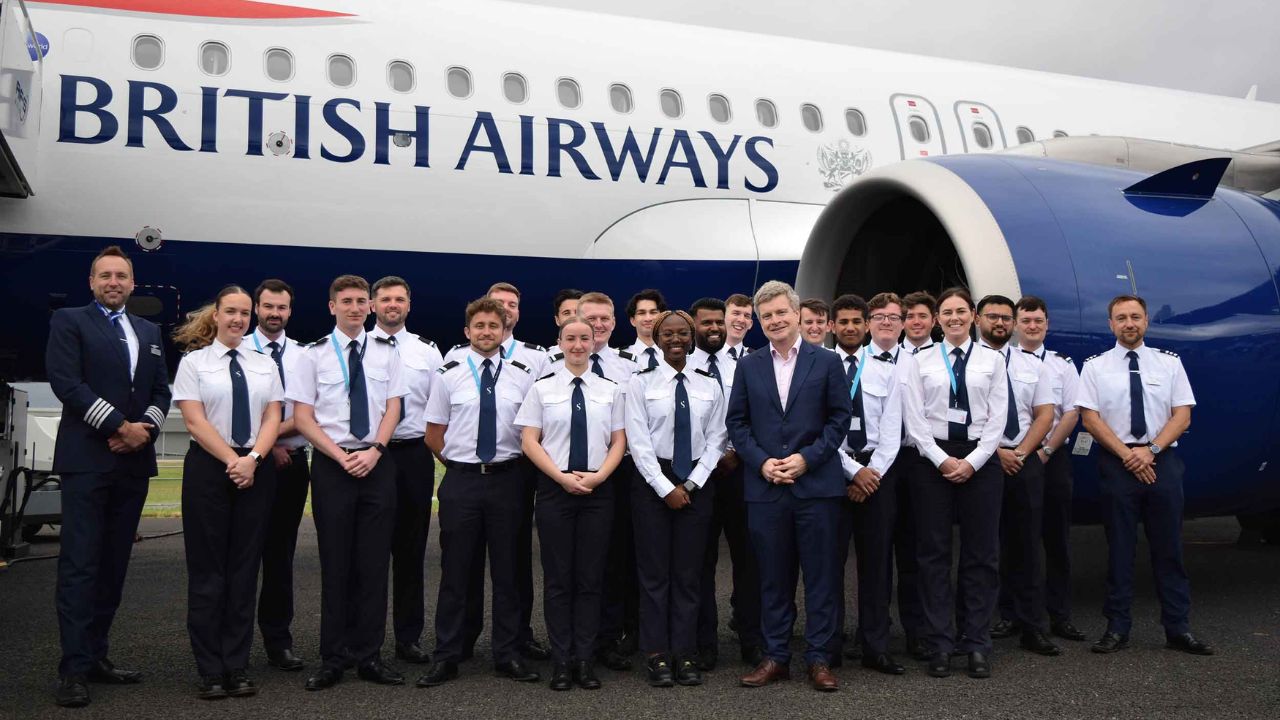
British Airways and Virgin Atlantic dominate long haul operations in the UK with modern widebody fleets serving destinations worldwide. These carriers generally offer the highest pay scales particularly for experienced captains due to the complexity of international routes and larger aircraft.
At British Airways first officers typically earn between 70000 and 125000 pounds annually depending on experience and the aircraft they fly. Captains command higher figures ranging from 100000 to 225000 pounds per year. The upper end reflects senior captains on widebody types with extensive hours on routes to Asia North America and beyond.
Virgin Atlantic provides competitive compensation though the ceiling tends to be slightly lower than at British Airways. First officers can expect 70000 to 100000 pounds while captains earn between 115000 and 200000 pounds. Both airlines reward progression through their ranks with opportunities to move from short haul to long haul operations.
British Airways maintains a structured pathway through its regional subsidiary BA CityFlyer. Many pilots begin there gaining valuable experience before transitioning to mainline widebody flying. This system supports steady career advancement and corresponding salary increases.
Compensation At Low Cost Airlines
Low cost carriers like easyJet play a major role in the UK aviation market with extensive European networks. These operators have improved pay packages in recent years to attract and retain talent amid strong competition for qualified pilots.
EasyJet first officers earn between 65000 and 100000 pounds annually. Captains receive 170000 to 220000 pounds reflecting rapid progression opportunities. The airline operates an all Airbus fleet which influences training pathways and pay structures.
Other budget airlines such as Wizz Air offer lower starting points with first officers earning 55000 to 90000 pounds. However these carriers often provide faster advancement to captain ranks for new graduates from cadet programs. This trade off appeals to pilots seeking quicker responsibility and earnings growth.
The table below compares typical gross salary ranges across major UK airlines in 2026.
| Airline | First Officer Range | Captain Range |
|---|---|---|
| British Airways | 70000 to 125000 pounds | 100000 to 225000 pounds |
| Virgin Atlantic | 70000 to 100000 pounds | 115000 to 200000 pounds |
| easyJet | 65000 to 100000 pounds | 170000 to 220000 pounds |
| Wizz Air UK | 55000 to 90000 pounds | Varies by progression |
These figures represent base pay before additional allowances for flying hours night flying or route premiums.
What Pilots Actually Take Home After Tax

UK pilots face progressive income tax rates that reduce gross earnings substantially especially at higher salary levels. For the 2025 2026 tax year the personal allowance stands at 12570 pounds taxed at zero percent. This allowance reduces for incomes above 100000 pounds and disappears entirely above 125140 pounds.
The basic rate of 20 percent applies from the personal allowance up to 50270 pounds. The higher rate of 40 percent covers earnings from 50271 to 125140 pounds while the additional rate of 45 percent applies above that threshold. National Insurance contributions add another layer with rates of eight percent in the basic band and two percent in the higher band.
The table below shows approximate annual take home pay for selected salary points based on standard 2025 2026 tax rules excluding pension sacrifice or student loans.
| Airline | Role And Experience | Gross Salary | Take Home Pay |
|---|---|---|---|
| British Airways | Early career first officer | 70000 pounds | 51157 pounds |
| British Airways | Late career first officer | 125000 pounds | 78057 pounds |
| British Airways | Early career captain | 100000 pounds | 68557 pounds |
| British Airways | Late career captain | 225000 pounds | 128386 pounds |
| Virgin Atlantic | Early career first officer | 70000 pounds | 51157 pounds |
| Virgin Atlantic | Late career captain | 200000 pounds | 117786 pounds |
| easyJet | Mid career captain | 195000 pounds | Approx 113000 pounds |
These net figures illustrate how tax impacts higher earners more heavily though pilots still retain strong disposable income compared to most UK professions.
Pension Contributions And Long Term Benefits
Pension schemes represent another major deduction but offer substantial future value. Airlines often match contributions providing free additional savings. British Airways pilots can contribute seven to 15 percent with the company matching up to significant amounts sometimes exceeding 25000 pounds annually from the employer.
Low cost carriers like Ryanair UK provide matching up to 8000 pounds for captains and 3000 pounds for first officers. While these deductions lower immediate take home pay they build retirement security through invested funds that grow over decades. Many pilots view strong pension packages as a key part of overall compensation especially given the physically and mentally demanding nature of the career.
Additional Factors Influencing Net Earnings
Beyond base salary and deductions pilots receive various allowances that boost effective income. These include per diems for time away from base night stop payments and performance bonuses. Senior captains on popular long haul routes can add tens of thousands of pounds annually through such extras.
Union negotiations through groups like the British Airline Pilots Association play a crucial role in securing pay rises and improved conditions. Recent talks at British Airways highlighted tensions around pay pensions and supplements demonstrating the ongoing dialogue between airlines and their pilots.
Working patterns also matter. Pilots typically fly 75 to 85 hours per month but command high hourly rates once seniority and qualifications are factored in. Career progression from first officer to captain can take several years but delivers significant jumps in compensation.
How UK Pilot Pay Compares To The United States
United Kingdom pilot salaries align closely with American counterparts at early career stages but the ceiling tends to be higher in the United States particularly at major legacy carriers. Data from flight training organizations shows United States major airline pilots earning between 98680 and 450000 dollars annually with top earners exceeding 500000 dollars. Regional pilots in the US earn 85000 to 217350 dollars while cargo pilots fall between 90000 and 350000 dollars.
Tax systems differ markedly. The US uses federal and state taxes leading to wide variation by location. UK deductions are more uniform but include National Insurance. Both countries offer strong benefits packages including retirement contributions and travel perks though the structure varies.
The Overall Financial Picture For UK Pilots In 2026
UK commercial pilots continue to earn well above average wages even after substantial tax and pension deductions. A mid career captain at a major carrier can realistically take home over 100000 pounds annually while maintaining access to generous travel benefits and job security.
The profession demands extensive training ongoing proficiency checks and irregular schedules yet rewards those who reach seniority with strong financial stability. Low cost carriers provide accessible entry points with rapid advancement while legacy airlines offer higher long term earnings potential.
Prospective pilots should consider the full compensation package including pensions allowances and lifestyle factors rather than gross salary alone. For those who qualify and progress the role remains one of the most lucrative careers available in the United Kingdom.
As the aviation industry grows amid rising demand for air travel pilot compensation is expected to remain competitive. Unions airlines and regulators will continue shaping the balance between attractive pay and sustainable operations. For qualified individuals 2026 offers strong opportunities to build a rewarding career in the skies with solid financial returns despite the deductions that reduce immediate take home pay.