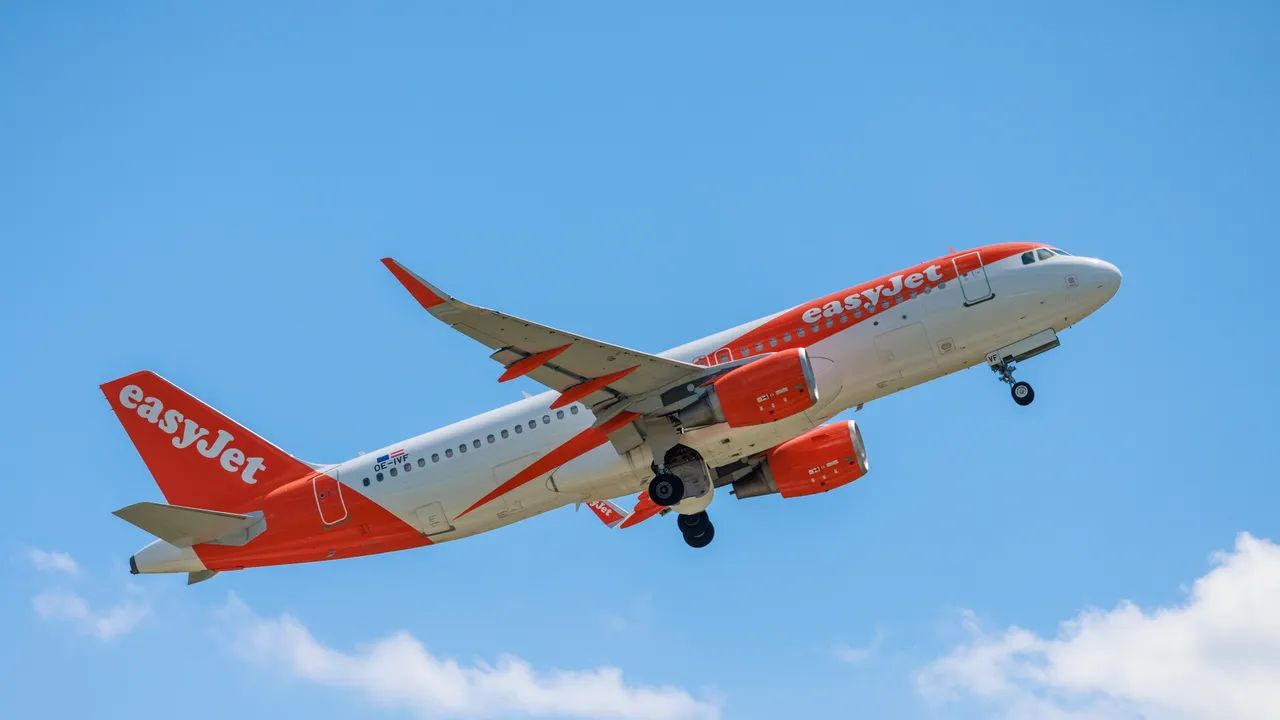
Getting planes off the ground safely means pilots, controllers, and ground teams must sync perfectly. Not long ago, two EasyJet A320s began takeoffs from spots not accounted for in their flight plans. These events happened weeks apart, yet involved similar mistakes. One happened at Luton near London, the other up north at Manchester. Flight crews worked with numbers based on a different runway start than where they actually lined up. Both jets got airborne without incident, true, but less pavement meant tighter margins. Had weather or equipment been worse, outcomes might have tilted sharply. These slips expose weak points in how takeoff readiness gets confirmed before roll begins.
Something happened that made the UK’s air accident team take a close look. When normal steps mix with how people actually behave problems sometimes follow, even at big modern airports. Looking back at what unfolded, why it did, and what changed after reveals useful insights worth paying attention to.
London Luton Incident Details
That Thursday morning in June thirteen twenty five saw EasyJet aircraft EZY2335 getting ready to leave London Luton bound for Málaga. G-EZUK, a model A320-214 made by Airbus, held one hundred eighty travelers along with six staff on board. Instead of starting from the beginning of Runway 25, the team chose Intersection Alpha for takeoff. This detail went into their digital flight kits moments before pushback.
Midway through boarding, the team realized how heavy the plane was getting. Given the day’s weather plus that much mass on board, they’d need every inch of pavement to get safely airborne. Around then, the total load hit nearly 151,870 pounds, which is about 68,887 kilograms. Because of this, new numbers were worked out using the runway’s starting point instead of an entry further down its length.
Even with the new numbers, the plane moved into place at the intersection spot. From that shortened start, the pilots began their takeoff roll. Lifting off late, the A320 cleared the runway edge just 65 feet high. After that climb, everything unfolded as usual until arrival, with no added problems in the air.
Later that day, EasyJet’s flight data tools caught the error after it slipped past the crew on takeoff. That triggered a look inside the company plus a heads-up to the Air Accidents Investigation Branch. With no outside rush showing, the AAIB found the team had gotten ready just a bit early. The gap in steps didn’t stand out until the numbers spoke up.
Another Incident at Manchester Airport
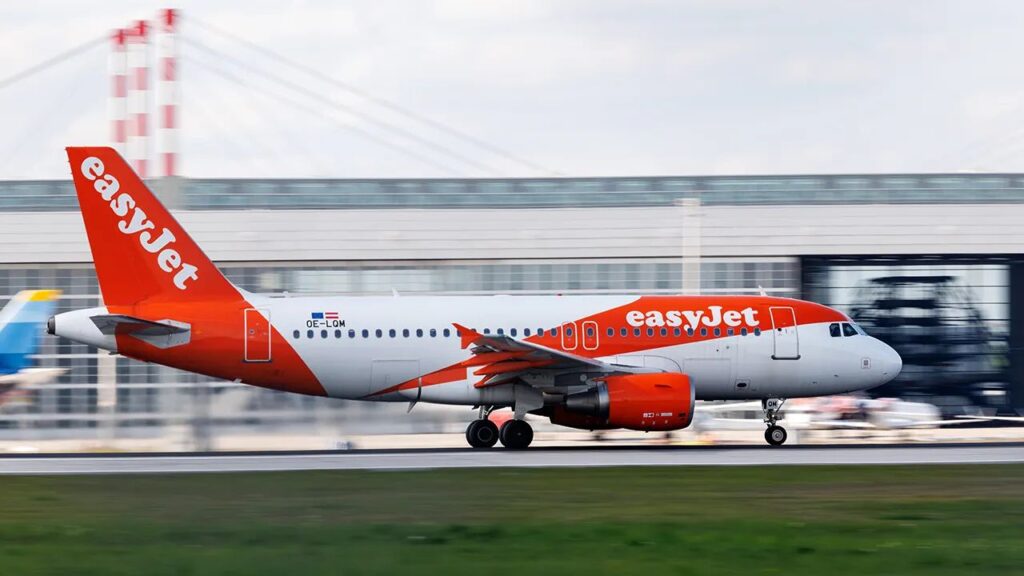
Later that summer, on July sixth two thousand twenty five, an EasyJet plane nearly repeated what had happened before. This aircraft too was heading to Kos, flying out of Manchester without using the expected departure point. Instead of the calculated strip, it launched from a different section of the airfield. Performance plans made by the pilots did not match where the jet actually began its run.
Out past where charts expected it, the plane rolled onto the runway from an unlisted access. Not until engines roared did anyone notice something was off. Though nothing broke nor alarms sounded, the quiet mistake echoed beyond one cockpit. Hidden gaps in routine checks stood exposed, again.
A look at how the two events stack up on major points appears in what follows.
| Aspect | Luton Incident (June 13, 2025) | Manchester Incident (July 6, 2025) |
| Aircraft Type | Airbus A320-214 | Airbus A320 |
| Destination | Málaga, Spain | Kos, Greece |
| Runway Position Mismatch | Intersection instead of full length | Different entry from calculated |
| Detection Method | Flight data monitoring post-flight | Similar post-flight review |
| Passengers and Crew | 180 passengers, 6 crew | Not specified in reports |
A single carrier and one model of plane were involved. Two incidents close together sparked scrutiny. Timing made people wonder if how they ran things played a part.
Human Actions and Steps That Play a Role
Something odd stood out when experts looked into what happened at Luton. Often doing the same thing before made it feel normal to leave from that midpoint spot. Because they’d done it so many times, their minds were already set on cutting short the runway start. Even though plans changed this time, the radio call nudged them back toward the old way. Hearing the question, they said yes without really checking; routine took over.
Midway through taxi and prep, tasks piled up. Not checking the route against a screen or paper meant mistakes slipped through. Memory carried too much weight when confirming details. A plane asking for the whole runway went unnoticed, missed as a warning sign.
Wrong moves by one person did not spark the accident, said the AAIB. It came about when routine habits mixed with blind spots in judgment plus weak checks that missed the error. Much the same pattern may have played out in Manchester, even if clear facts are still hard to find.
EasyJet and Industry React
After those events, EasyJet changed how it handles takeoff preparations. Because of possible mistakes, the airline now double-checks key details more carefully. Instead of relying on recall alone, crew members compare digital information with actual runway markers. This pairing helps catch missteps before they become serious issues.
Even now, airports along with oversight bodies keep adjusting how signs are lit and how controllers speak about crossing runways. Some sites have poured resources into sharper ground tracking tools so flight teams can better see where they sit on the pavement.
What stands out is how useful flight data tracking really is. Oversight comes from these tools, catching odd patterns pilots may overlook mid-flight. Because EasyJet watches this data closely, problems get spotted fast, shared quickly, and stopped early, all before anything serious happens.
Runway Safety in Wider Perspective
Starting too far down the runway eats into space needed for a safe climb. Each extra meter used means less room if an engine quits mid-roll. Though both EasyJet flights lifted off without incident, their margin for error shrank dramatically. Performance math relies heavily on precise distances, clear paths ahead, also how fast the jet gains speed.
Even with smart tools on today’s A320 planes, people still need to check and understand what’s happening. Busy times, tricky airport layouts, or different ways intersections are named can trip up pilots who’ve done this for years.
The table below outlines common elements in runway position incidents.
| Factor | Potential Impact | Mitigation Approaches |
| Expectation Bias | Assuming familiar intersection | Standardized briefings |
| Workload During Taxi | Missed cross-checks | Automated alerts |
| Communication With ATC | Ambiguous confirmations | Clear phraseology and readbacks |
| Procedure Design | Reliance on memory | Dual independent verifications |
From above, patterns begin to show when flight incidents are logged globally. Safety records get studied so fixes can follow where needed. Through these logs, changes slowly take shape behind the scenes.
Lessons for Pilots and Airlines
What happened shows how tiny issues, when they stack up, might trip up even seasoned teams flying advanced planes. When routines take hold, like at home-base runways, crew members stress double-checking choices, moment by moment.
Still tweaking how pilots learn, carriers weave in tricks that challenge assumptions during drills. Hidden mismatches pop up more these days inside practice flights, nudging crews to spot what feels off but isn’t obvious.
Most people probably think twice when hearing such news. Layered safeguards, along with constant updates based on past incidents, are what keep commercial flying so reliable. One thing stands clear: safe landings show systems can hold under stress, yet gaps in routine steps still demand attention before bigger problems emerge.
Ongoing Improvements in Aviation Safety
Out of nowhere, the EasyJet incidents stirred talk across airlines on how well pilots know their spot on runways. Not every airfield does it, but a few are trying out sharper ground radar alongside screen-based taxi guides that warn flight teams when something feels off. Down the line, planes could check where they are automatically, linking location checks straight to how the jet should be flying.
Because regulators back open reporting, crews speak up freely when things go wrong. Mistakes get shared instead of hidden thanks to protection from harsh blame. Across worldwide operations, fewer errors happen twice since fixes spread fast.
Busy airports such as Luton and Manchester see more flights piling up, making basic tasks, like lining up correctly on runways, suddenly matter a lot more. Not long after one EasyJet incident, another popped up under almost the same circumstances, showing how fast things repeat when conditions align. Quick fixes, shaped by digging into what went wrong plus tweaks to daily routines, turn out to be key.
Most people feel better knowing how openly things are checked when something goes wrong. Even if these events seem worrying, safety grows because quiet flaws come into view they would miss under normal conditions.
Every close call sharpens the next move forward. When an EasyJet A320 rolls out from a wrong spot on the tarmac, it’s not just fixed; it echoes through better tools, sharper eyes, and deeper checks. Behind each flight path lies layers of learning stacked one after another. Mistakes get broken down until safety grows quieter, stronger, less seen. What slips through today shapes tomorrow’s standard without noise or fanfare. Progress hides where most forget to look inside what went slightly off track.