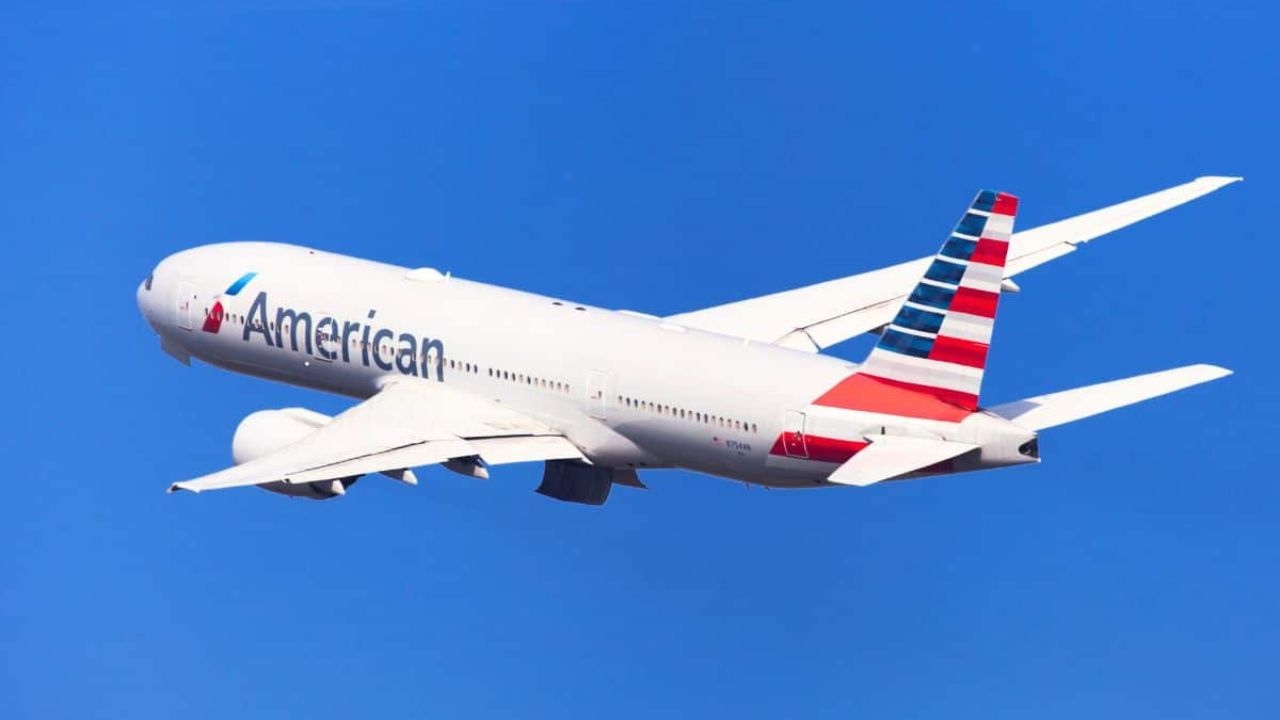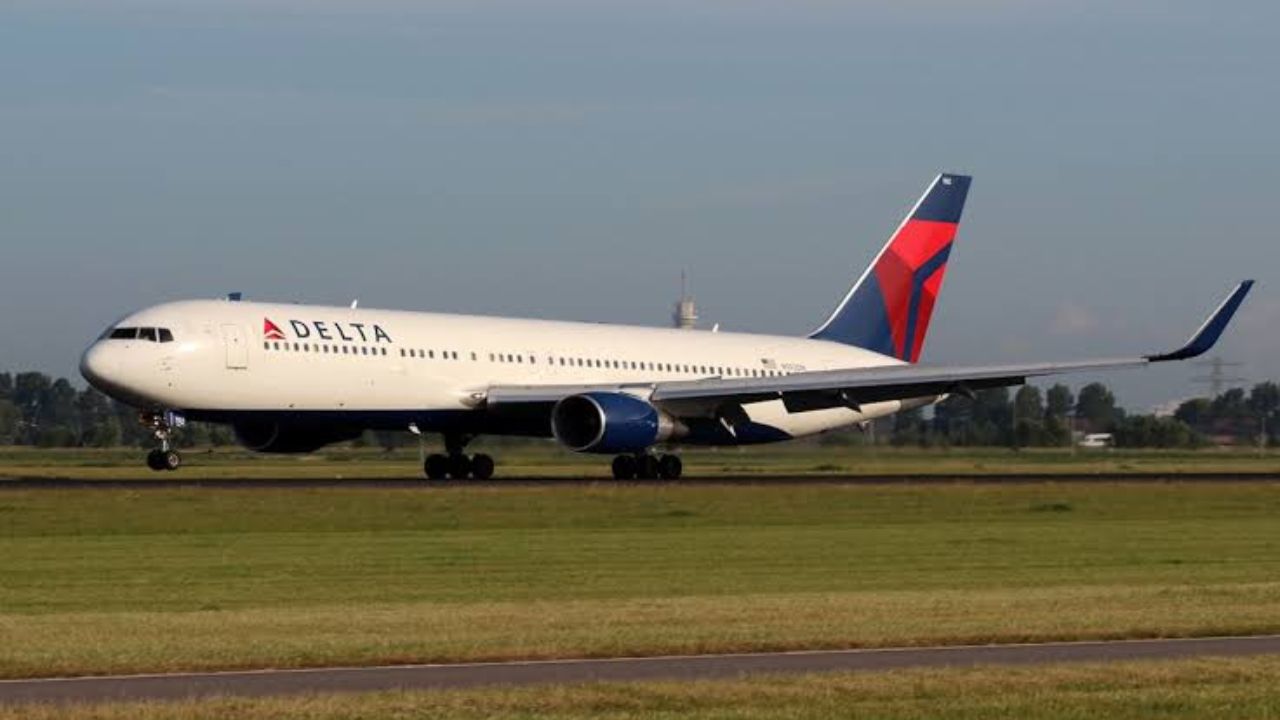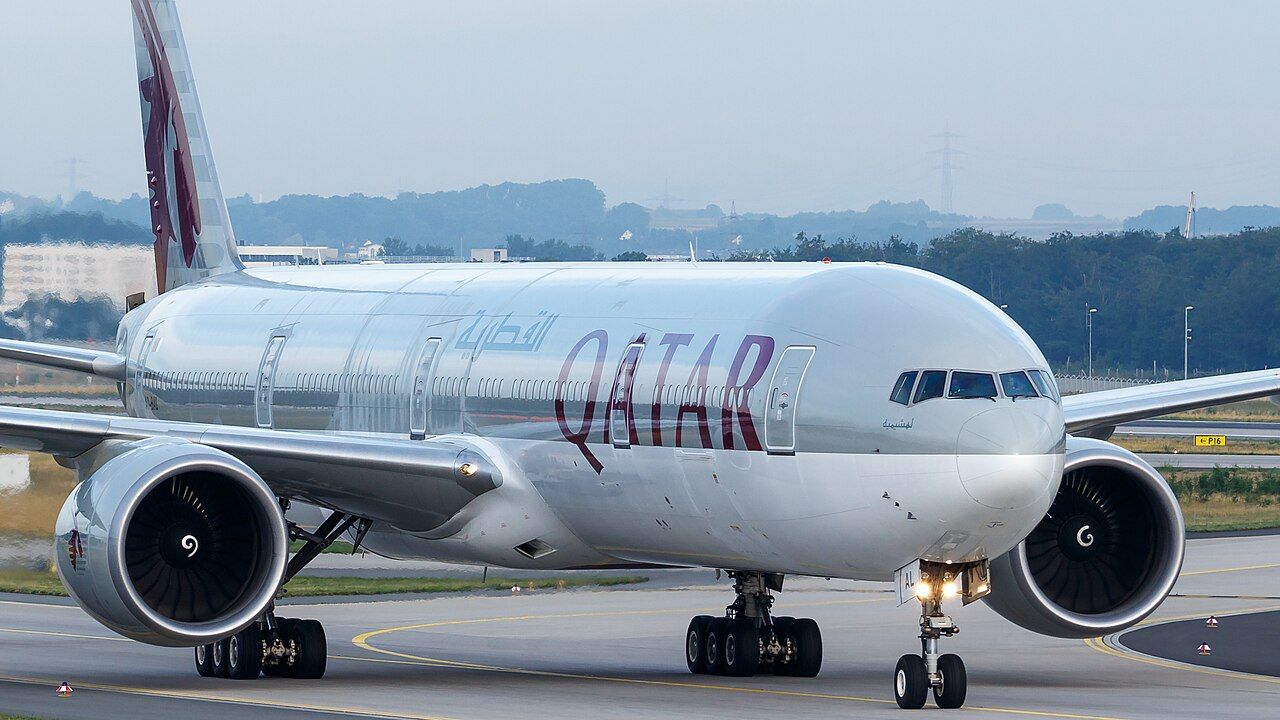
For twenty years, the Boeing 777-300ER shaped how people flew across continents. Worldwide city pairs stayed linked thanks to its steady performance, fuel edge, and reach. Carriers leaned on this jet to phase out older quadjets while managing busy corridors well. Even with solid track records piling up, Boeing wound down output in near silence. That last plane left the factory floor quietly, without any speeches or spotlight, closing a chapter among aviation’s most enduring twin-aisle aircraft.
This piece looks into why Boeing ended the 777-300ER. Because demand shifted, attention turned to the newer 777X model instead. Market needs changed over time, influencing what planes made sense to build. Production lines had to adapt, focusing elsewhere when possible. Even so, many carriers still fly the older version regularly. Though it is no longer being built, its presence remains strong in daily operations.
A Remarkable Production Run Ends Quietly
Eight hundred thirty-seven Boeing 777-300ERs rolled out the factory doors from 2004 to 2024. That stretch turned the model into the standout star of the 777 lineup, while also ranking among history’s best-selling twin-aisle airliners. Airlines like Emirates led the pack, joined by Qatar Airways, Air France, and Cathay Pacific, with each leaning on it heavily for long-haul routes across continents.
Eighty-eight planes rolled out in 2016, marking the highest output. After that, numbers dipped year by year. In 2018, thirty-two found new owners. By 2020, only four were delivered. Not a single one left the factory in 2023, and just one appeared in 2024. That last jet was first meant for China Southern Airlines. Instead, it passed through Altavair’s lease system, and eventually, Ethiopian Airlines began flying it. Few expected such a low-key ending for a model that had shaped air travel so deeply.
Later years saw fewer yearly deliveries, as shown in the data below:
| Year | Boeing 777-300ER Deliveries |
| 2016 | 88 |
| 2018 | 32 |
| 2020 | 4 |
| 2023 | 0 |
| 2024 | 1 |
Years before, new orders had already stopped coming. Only a few pending deals are still listed, though experts think nearly all will either finish or disappear. Demand didn’t vanish and airlines hadn’t lost interest. What changed was Boeing’s direction, which was a quiet decision to shift focus ahead.
The 777X As The Next Version
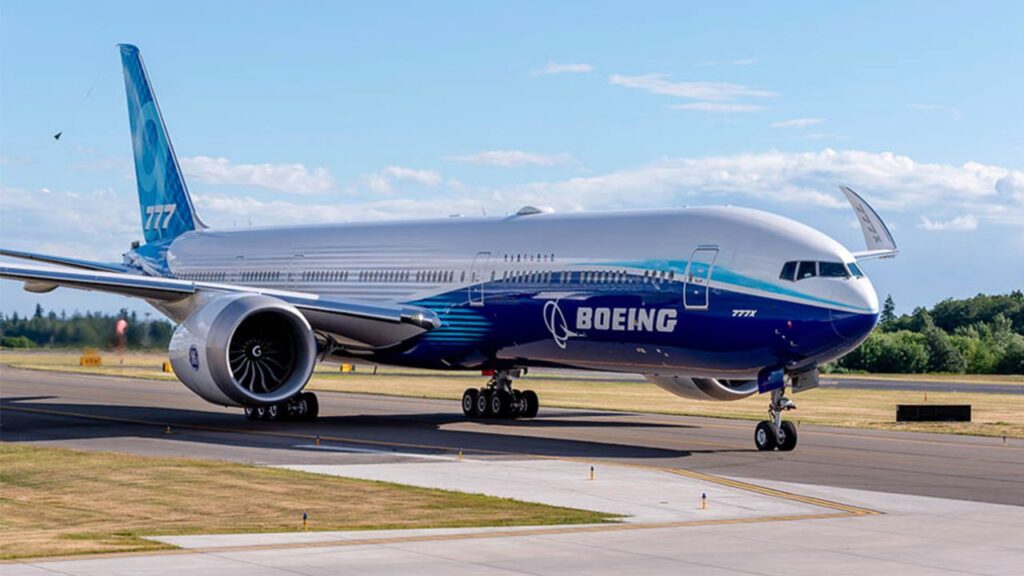
Back in 2013, Boeing kicked off the 777X effort aiming straight at replacing older versions like the 777-300ER. Instead of just copying past models, this lineup brought stronger performance through smarter design. Efficiency jumped thanks to lighter materials and sleeker aerodynamics. Longer flights became possible because of increased fuel economy, and some setups even fit more passengers than earlier ones did. Built-in improvements included wings made from composites, complete with tips that fold up when needed. Power comes from the massive GE9X engines, which are among the most capable ever mounted on a twinjet.
One wrong move could muddy the message to buyers, making it harder to shift focus. Big machines take ages to build, with money poured in years ahead of delivery. The company tied its factory plans to the 777X, nudging carriers toward what comes next. Plans like these don’t change overnight because momentum matters just as much as metal.
Now things took longer than expected for the 777X because of testing hurdles, tweaks in structure, along with outside pressures. Deliveries that were supposed to start near 2020 are pushed all the way to 2027 instead. That leaves a wide opening with no new planes arriving just as old ones stop being built. Even with delays stretching on, Boeing kept holding to its original shift strategy.
Changing Choices in Airlines and How Markets Respond
Back then, busy flight corridors loved the 777-300ER. Airlines started swapping out older four-engine planes because this model used less fuel. Over time though, travel patterns shifted. Big central airports saw fewer of these heavy passenger loads, so interest in ordering more units faded slowly. Since 2004, when it first flew, the jet’s role changed along with global air traffic trends.
Out of nowhere, fuel-sipping jets like the 787 and A350 started reshaping flight maps. Because they sip less gas, which is about one-fifth less, they made sense even when carrying fewer people. So instead of funneling travelers through hubs, carriers began linking cities directly. Profitable flights now appeared where big crowds never gathered. As a result, giant planes such as the 777-300ER found fewer reasons to fly. Even older 777-300ER models still hold strong value today. Some airlines chose updated interiors instead of new planes right away. Look at how different carriers upgraded what they already had.
Boeing Moves Production Equipment
Out there where big planes come together, space matters because factories must stretch wide. Tools aren’t just tools, as they are built for one job only. Getting parts on time means linking dozens of suppliers without gaps. When the 777X took shape, its wings shifted from metal to layered fiber materials. Engines changed too, needing fresh hookups and mounts. Inside Boeing’s hangar in Everett, walls moved, floors reconfigured, and machines adjusted mid-air.
Running two assembly lines at once would have wasted effort. As Boeing slowed down building 777-300ER planes, it shifted people and parts toward getting ready for the newer 777X. Once problems piled up, the change was already too deep to turn back fast. Bringing back old-model production meant signing suppliers again and teaching workers anew, which were steps buyers never supported widely enough. Out of nowhere, factories shaped what came next. When planes are built, choices made early tend to stick, no matter how much demand wobbles later on.
Airlines Continue Using 777-300ER
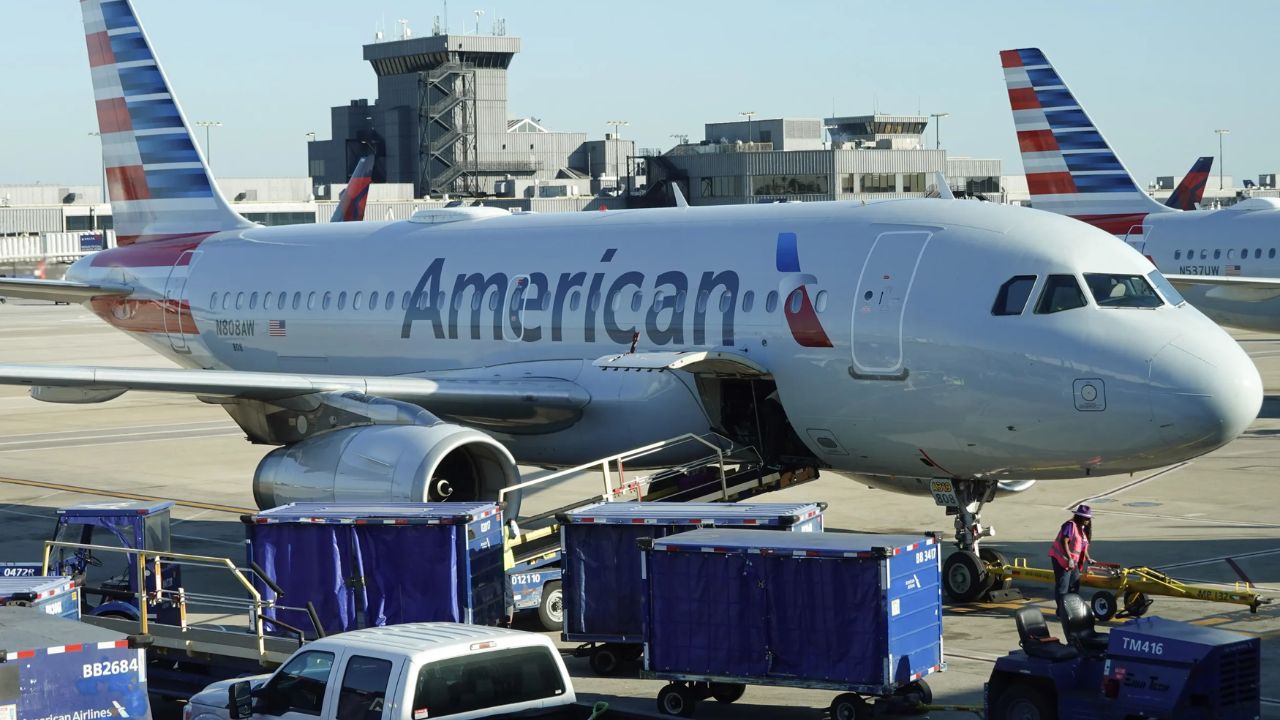
It’s the plane that somehow just keeps going. Every day, hundreds of 777-300ERs climb into the sky, crossing oceans without pause. When newer models didn’t arrive fast enough, airlines held on tighter by keeping old ones flying longer and signing extra lease deals. Inside, changes appeared quietly through fresh seating layouts, updated screens, and better lighting. Since 2020, nearly 98 of these jets got full interior makeovers, breathing quiet life into aging cabins.
Even though manufacturing stopped, demand hasn’t faded much because there aren’t many substitutes around. That odd mix of no new planes being built yet steady usage keeps their worth high. What holds weight is how reliably it flies, moves freight well, and manages busy corridors without losing money.
Lessons From The Shift
One last 777-300ER rolled out, marking a quiet close. This did not happen because it faltered, which is far from the case. Airlines still fly them hard, packed and reliable. Instead, Boeing looked ahead, shifting focus toward the newer 777X design. Market shifts helped too, with demand tilting toward leaner, longer-range twin-aisle options. Progress moves on wheels quieter than fanfare.
Delays opened a hole that shows how shaky big projects can be. Even though carriers pushed existing planes harder, the moment proves getting things done on schedule really matters when building jets.Still flying high even as its successor waits in the wings, the 777-300ER shaped how we cross oceans. Because it proved so dependable, airlines trusted it with their busiest routes. Though assembly lines have moved on, skies stay filled with these workhorses. When the last rolled out, few fanfares marked the moment, yet its impact lingers quietly, mile after mile.
Still, this chapter shows how flying forward means balancing new ideas against factory plans and what airlines need right now. Though factories won’t make the 777-300ER anymore, its mark sticks around through the planes still flying and the rules it shaped. By then, older models fade, yet their echoes stay loud.