Seattle based Alaska Airlines has reached a significant milestone in its connectivity strategy. The carrier has successfully completed the installation of Starlink powered WiFi across its entire regional fleet. This achievement allows the airline to redirect resources toward equipping its mainline and widebody aircraft. The move positions Alaska Airlines and its sister brand Hawaiian Airlines as leaders in providing free high speed inflight internet to passengers.
The rollout leverages a partnership with T Mobile and SpaceX Starlink technology. It delivers ultra fast speeds and low latency that surpass traditional inflight WiFi systems. Passengers who are members of the Atmos Rewards loyalty program can access the service at no additional cost. This initiative reflects Alaska Airlines broader commitment to enhancing the guest experience as it evolves into a more premium carrier following its merger with Hawaiian Airlines.
Milestone Achievement on Regional Operations
Alaska Airlines operates approximately 91 regional jets primarily Embraer E175 aircraft through its subsidiary Horizon Air and partners. The completion of Starlink installations on all these aircraft marks the airline as the first major United States carrier to achieve full WiFi coverage across its regional fleet. Hawaiian Airlines had previously pioneered Starlink adoption among major carriers but Alaska has now matched and extended this capability in its shorter haul operations.
As of late June 2026 the combined Alaska and Hawaiian fleet includes around 150 Starlink equipped aircraft. This encompasses all regional jets plus an initial batch of about 50 mainline planes. The accelerated timeline stems from faster than expected Federal Aviation Administration certification and strong early performance results from initial installations.
Senior Vice President of Fleet Products and Guest Experience Shane Jones highlighted the positive impact. He noted that T Mobile has long supported guest connectivity and the addition of Starlink represents a major step forward. Guests have responded enthusiastically to the reliable high speed service which enables seamless streaming browsing and communication throughout flights.
Alaska Airlines Fleet Overview and Starlink Status June 2026
| Aircraft Type | Approximate Count | Starlink Status | Notes |
|---|---|---|---|
| Embraer E175 Regional | 91 | Fully Equipped | Complete rollout achieved |
| Boeing 737 Mainline | 253 | Partial Installation Underway | Expanding rapidly in 2026 |
| Boeing 787 9 Widebody | 5 | Targeted for Fall 2026 | International routes priority |
| Airbus A321 and Others | Varies | Partial from Hawaiian | Integration ongoing |
| Total Combined Fleet | Over 400 | Approximately 150 Equipped | Full completion by end of 2027 |
This table summarizes the current progress based on airline reports and fleet data. Alaska Air Group maintains a diverse fleet serving destinations across the United States with extensions to Asia and Europe.
How Passengers Access the New Connectivity
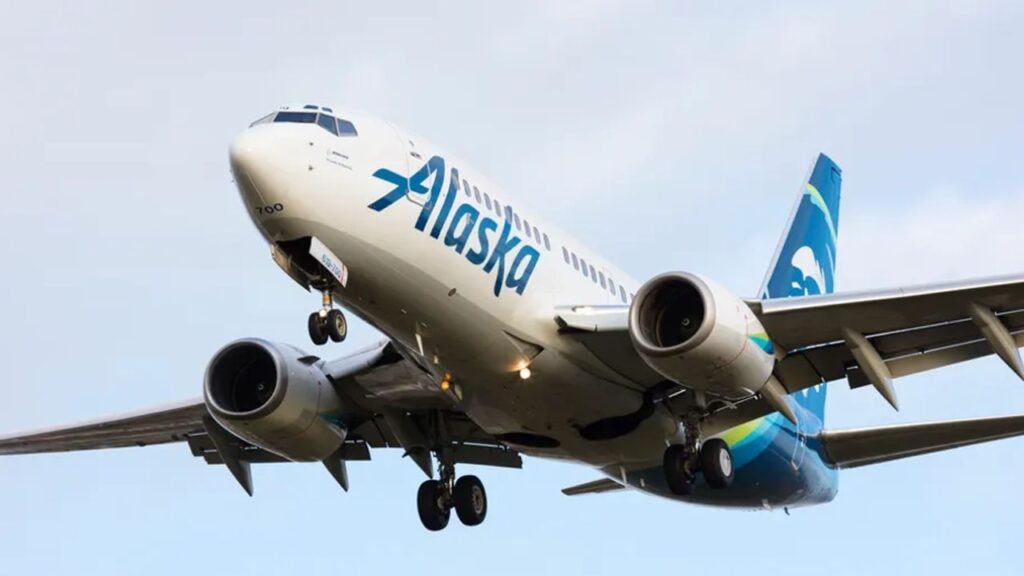
Accessing Starlink WiFi on Alaska or Hawaiian flights is straightforward. Passengers connect through a simple inflight portal. Existing Atmos Rewards members sign in automatically or with minimal steps. New users can create a free account either before departure or onboard. The program requires no paid membership for basic access to the WiFi service.
Families traveling with children under 18 have flexible options. Parents can add minors to their Atmos account or use reservation details for access. The service supports multiple devices per user allowing passengers to stream live sports movies or shows browse the internet play games or message contacts. Speeds reportedly reach around 500 megabits per second which is substantially faster than legacy systems.
From June 2026 select flights and all flights starting in July require Atmos membership for WiFi access. This policy encourages broader participation in the loyalty program while keeping the service complimentary. Alaska Airlines continues to support its previous Intelsat system on non equipped aircraft during the transition period.
Shifting Focus to Mainline and Widebody Aircraft
With regional operations fully covered Alaska Airlines is now prioritizing its larger aircraft. Installation is progressing on Boeing 737 narrowbody jets which form the backbone of the mainline fleet. The airline aims to expand Starlink availability significantly throughout 2026. Widebody Boeing 787 9 Dreamliners operating long haul routes to destinations such as Incheon Rome London and Tokyo are scheduled for completion by the end of fall 2026.
This phased approach ensures that high demand international and transcontinental flights receive connectivity upgrades promptly. Passengers on these longer journeys particularly benefit from reliable WiFi for work entertainment and staying in touch. The airline expects to operate more Starlink equipped departures from key hubs including Seattle Tacoma Honolulu Portland and San Diego than any competitor.
Full fleet completion across more than 400 aircraft in the combined Alaska and Hawaiian operations is targeted for the end of 2027. This ambitious timeline builds on the momentum from the regional success and addresses growing passenger expectations for seamless connectivity.
Strategic Context and Competitive Advantages
The Starlink partnership aligns with Alaska Airlines evolution following the Hawaiian merger. The combined entity serves a vast network emphasizing premium service and guest satisfaction. Free WiFi serves as a key differentiator in a competitive market where many carriers still charge for or offer slower inflight internet.
T Mobile collaboration provides the backbone for distribution while Starlink delivers the satellite technology known for low latency and high bandwidth. This combination outperforms older geostationary satellite systems particularly in northern latitudes and over oceanic routes where Alaska operates extensively. Early passenger feedback has been overwhelmingly positive with reports of consistent performance suitable for demanding applications.
The initiative also ties into broader loyalty program enhancements. Atmos Rewards members gain value through complimentary connectivity which may drive higher engagement and retention. Alaska has adjusted aspects of its program such as points earning on basic economy fares while emphasizing experiential benefits like Starlink access.
Operational and Technical Implementation
Installing Starlink hardware requires careful coordination. Each aircraft type needs specific Federal Aviation Administration supplemental type certification. Alaska accelerated initial regional installations after early certifications arrived ahead of schedule. Teams work efficiently to minimize aircraft downtime during retrofits.
The system features phased array antennas mounted on the fuselage for optimal satellite communication. Interior modifications include updated access points and wiring to support the high performance network. Ground testing and flight validations ensure reliability before passenger service begins on each aircraft variant.
Maintenance crews receive training on the new equipment to support ongoing operations. The lightweight Starlink hardware adds minimal weight penalty compared to older systems while offering superior performance. This efficiency contributes to the rapid rollout pace observed so far.
Broader Industry Implications
Alaska Airlines move reflects a wider trend in commercial aviation toward satellite based connectivity. Starlink has disrupted traditional inflight WiFi providers by offering global coverage and better economics for airlines. Several carriers have announced similar plans but Alaska and Hawaiian stand out for their speed and commitment to free access for loyalty members.
Passengers increasingly expect connectivity comparable to ground based services. The ability to stream high definition content or participate in video calls transforms the travel experience particularly on long flights. For Alaska this upgrade supports its premium positioning and helps attract business and leisure travelers who value productivity and entertainment options.
Environmental considerations also play a role. While satellite systems require energy the efficiency gains and potential for optimized routing through better connected operations may yield net benefits. Alaska continues monitoring overall sustainability as it expands the technology.
Future Outlook and Passenger Benefits
As more aircraft come online passengers can check WiFi availability for specific flights through the Alaska Airlines website or app. The airline provides transparency on equipped planes to help travelers plan accordingly. With installations accelerating guests on both regional and mainline routes will soon enjoy consistent connectivity.
The project underscores Alaska commitment to innovation in guest experience. From pre order food and beverage options to streamlined airport processes the airline is investing across the journey. Starlink represents one of the most visible and impactful enhancements for day to day travel.
Challenges remain in scaling installations across a large fleet while maintaining operational reliability. Supply chain coordination with SpaceX and T Mobile plus regulatory approvals will determine the final timeline. However current progress suggests Alaska is well positioned to meet its 2027 goal.
In summary this shift from regional completion to mainline focus marks an exciting phase for Alaska Airlines. Passengers stand to benefit from industry leading free WiFi that enhances safety communication and enjoyment in the skies. As the carrier continues its transformation the Starlink rollout reinforces its reputation for putting guests first in an increasingly connected world.