Most people find it hard to guess why some get bumped to premium economy. Extra space and nicer treatment go to one traveler, yet another just like them remains stuck behind. Some think charm helps, others believe looking professional might tip the scales. Data shapes these choices more than smiles or suits ever do. Behind the scenes, airlines run calculations, which are silent checks based on hidden rules. Who gets picked comes down to quiet algorithms, not handshakes at check-in.
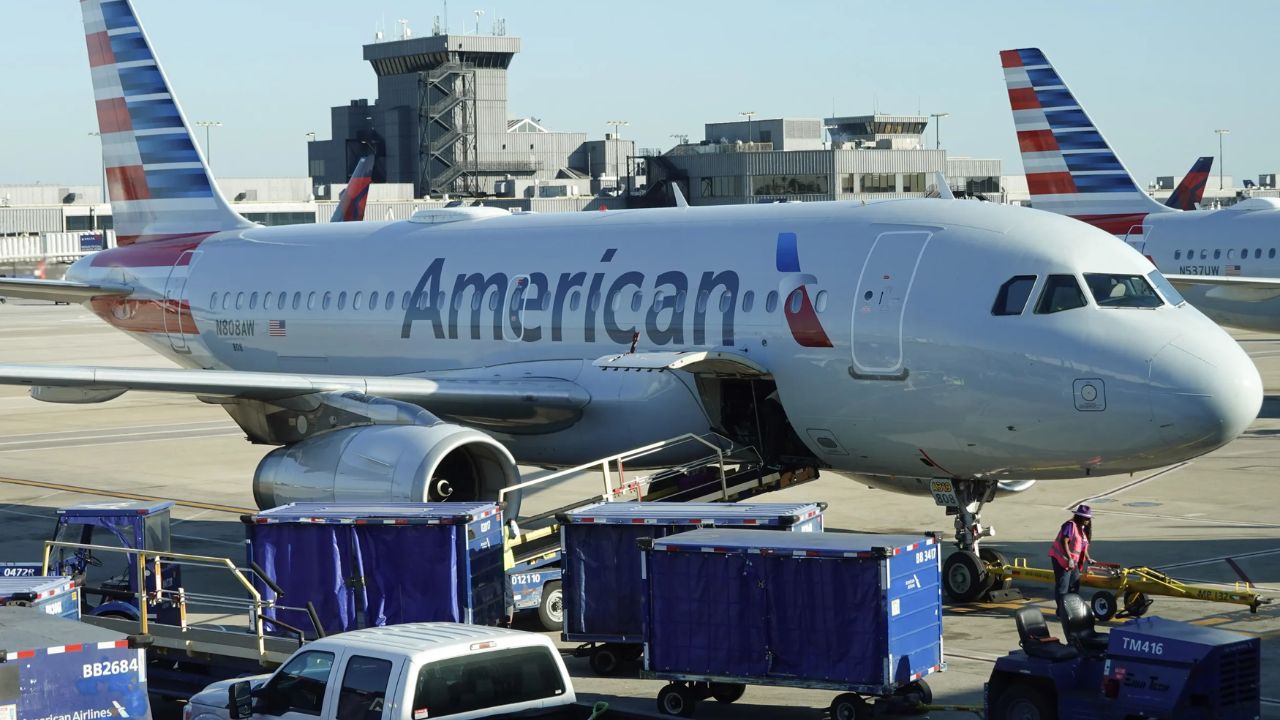
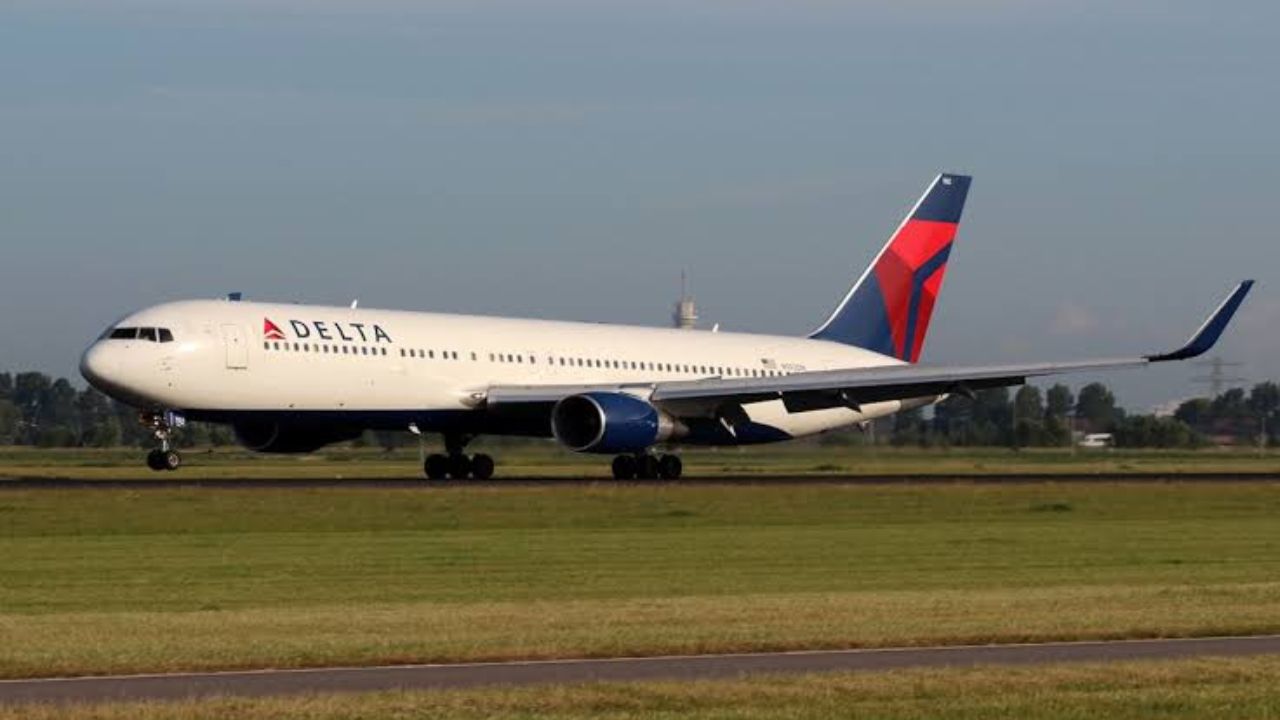
You might not see them, but patterns shape these choices. Over years, big airlines, such as United or American, have let slip pieces of the puzzle. Sharp-eyed flyers have pieced it together. What lies below explains what quietly steers upgrade chances in premium economy. It also shows ways to tilt luck a little closer in your favor down the road.
Credit Card Spending Rivals Miles Flown
Most folks think climbing tiers means logging more trips annually. Yet carriers now care less about flight counts, focusing harder on overall cash spent. What you buy off the plane, such as swiping a linked card day to day, matters just as much as boarding passes. Spending shapes status now, not only seat time.
A different way shows up in how American Airlines runs things. When two travelers hold the same status level, it is not just about miles flown. The number of Loyalty Points earned plays a central role. A person using their AAdvantage credit card regularly might gather many points without taking extra trips. That spender could rank above someone else at the same tier who logs more flights but charges fewer purchases. Commitment across services matters more than takeoffs and landings by themselves.
Now it’s the big spenders who catch airlines’ attention most. One costly international flight might outweigh multiple quick flights inside the country. Shifting focus like this shows travelers a different path because earning rewards by spending often works just as well as hunting down every mile.
Your Fare Class Matters More Than Expected
That little letter next to your booking holds weight people often overlook. It is not just about cost because airlines sort tickets by how early you booked, what you paid, and even crowd size that day. When two travelers look equal on paper, the system checks those letters before deciding who wins. This is a quiet rule, hidden in plain sight.
Later boarding slots sometimes go to cheaper tickets, even if bought early. With United Airlines, full-price seats like Y or B tend to edge out bargain fares such as K or G when it comes to perks. People grabbing deals may save money yet end up deeper in the pile for upgrades. Meanwhile, paying extra at booking usually means better placement without needing special status.
This setup lets airlines give something back to travelers who spend more on each trip. Though chasing the lowest price works fine for some journeys, doing that every time might block access to better seats down the line. Picking a cost tier just one step up now and then opens doors when space in front opens up.
Premium Economy Stands Alone As An Upgrade Option
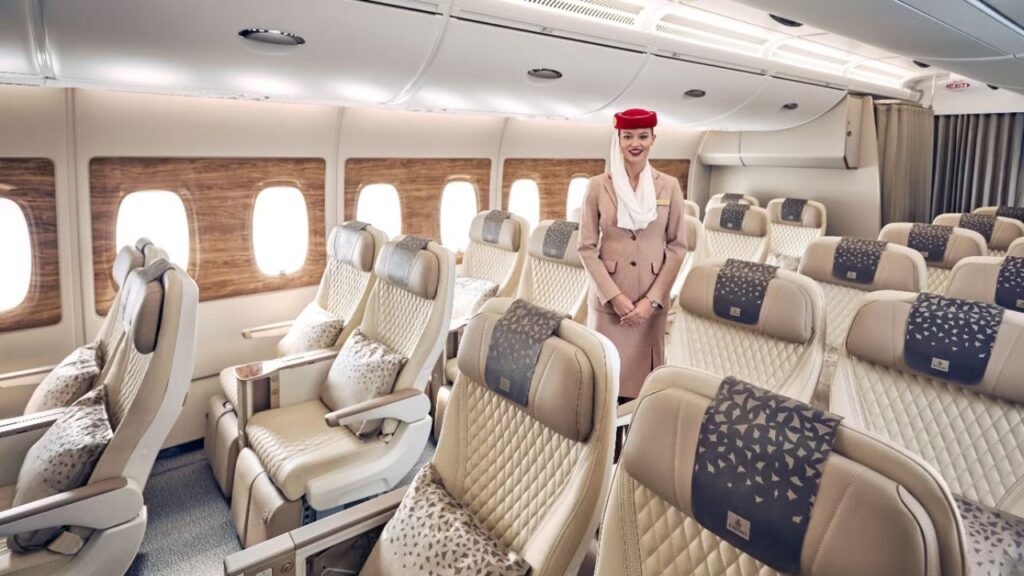
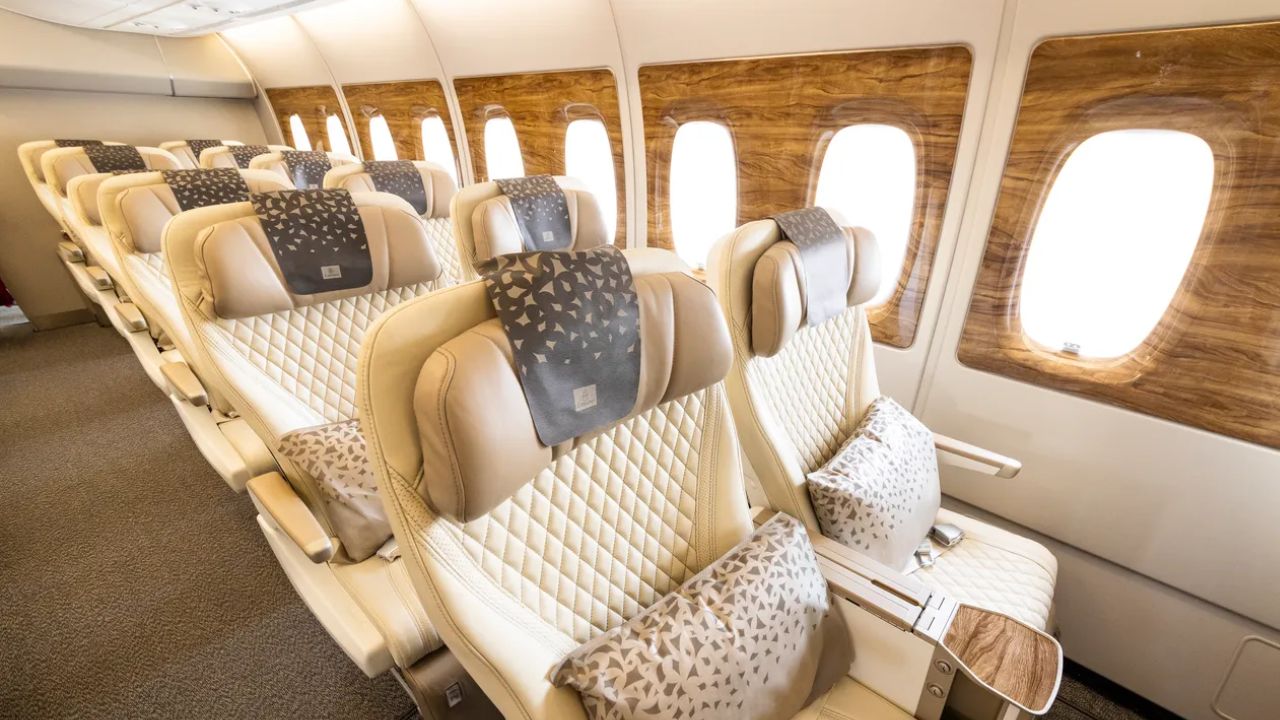
It’s more than just an upgraded coach spot. Some carriers place it in its own category altogether. Those sitting there usually get looked at first when bumping folks to business. Regular economy riders typically come later in line.
Midway through booking, United Airlines shows something interesting. Not every seat works the same, as some let you move forward if space appears in business class. These special fares sit just above standard ones. People who fly often notice how useful that can be. Paying more at first means better chairs, and it also provides a quieter chance to climb higher later on.
Who spends extra now often gets picked first when better spots open up. Airlines set things up this way since some travelers prove early they’ll pay higher prices.
Points or Certificates Often Beat Free Elite Upgrades
Most top-tier fliers get perks. Still, relying only on status rarely wins. Those using points jump queues faster. Upgrade vouchers help too. Paying tools shift odds. Free bump requests sit lower. Standing by without extras means longer waits. Others leap past with smart moves.
Take United Airlines, for example. When it comes to upgrades, those paid with PlusPoints or miles usually go through first. Even a top-tier elite might wait behind someone spending points. The reason sits quietly in the background: revenue matters more than status at decision time. Committing real value, including cash-equivalent points, moves you up the list. Free upgrades based on loyalty often trail behind. This might not seem fair, but that is how the system runs. Value spent today beats past achievements every time.
Here’s what happens. Doors swing open because of rank, yet moving faster comes from spending points or certificates. Folks stacking rank with those extras usually jump ahead compared to ones counting only on rank.
Most Choices Happen Automatically Long Before Reaching the Gate
Most people think gate staff choose who gets bumped up. Truth is, computers sort nearly all upgrades way ahead of time, long before passengers even line up. Most upgrades are locked in before travelers even arrive at departure points. Status tier matters, yet so does ticket price group. One affects chances just as much as past flight spending. When seat openings pop up, automated tools reshuffle priority constantly. The request moment plays a role, though early ones often weigh less than last-minute shifts. Decisions usually finish ticking through servers while people wait near boarding zones.
Most times, gate staff tweak things right before departure, yet the groundwork arrives through automatic systems. That is why chatting nicely at check-in hardly ever shifts your spot. Decisions are shaped by information gathered long before you arrive, often piling up from day one of your reservation.
How Airlines Decide Upgrade Requests
Your position in the upgrade lineup depends on a few steady factors:
- When someone asks to upgrade, paid choices tend to move up the list fast, with miles or certificates included. Priority shifts quickly if money changes hands.
- Top ranks get more attention. Those further up see greater favor. Moving ahead means better chances. Above others, higher steps matter most.
- Whoever paid more climbs higher on the list. Ticket cost matters when sorting who goes first.
- Spending shapes loyalty more than anything else. What people do on planes and with their card adds up fast. Each choice feeds into the bigger picture slowly. How much they spend tells a clear story. Actions speak louder than promises here. Even small moves count over time. The total amount matters most in the end.
- Getting in early might tip the scale when things are tight.
- Originally, the cabin was set so that premium economy travelers might move up before those in regular economy.
- Most loyal flyers get noticed because airlines build tools that spot them. Satisfaction grows when pricing strategy meets rewards planning, even as profits stay safe. What keeps the balance? Airlines succeed by mixing customer perks with smart business choices.
Most of the confusion around flight upgrades disappears once you see what actually matters. When you book a trip next, think about whether your ticket type, past spending, or request timing fit how airlines decide. Choosing seats smarter, trying premium economy on off-peak routes, or saving rewards for high-value moments helps tip things in your favor. Decisions come from records and set patterns, never random luck. Those who pay attention to how it really works tend to end up with better seats down the line.