Sixth generation fighter programs represent the next leap in combat aviation. These aircraft promise advanced stealth artificial intelligence integration drone teaming and networked warfare capabilities that build upon the strengths of fifth generation platforms like the F-35. Several nations are investing heavily in these efforts with varying degrees of progress. While definitions of sixth generation vary the common themes include enhanced sensor fusion collaborative combat aircraft and system of systems architectures.
This ranking focuses on active programs and orders them by proximity to first flight based on available public information and development timelines. Some programs have already achieved milestones while others remain in early design phases. Progress can shift quickly due to funding technological hurdles or geopolitical priorities but the current landscape shows intense global competition.
The B-21 Raider Leads As The First To Fly
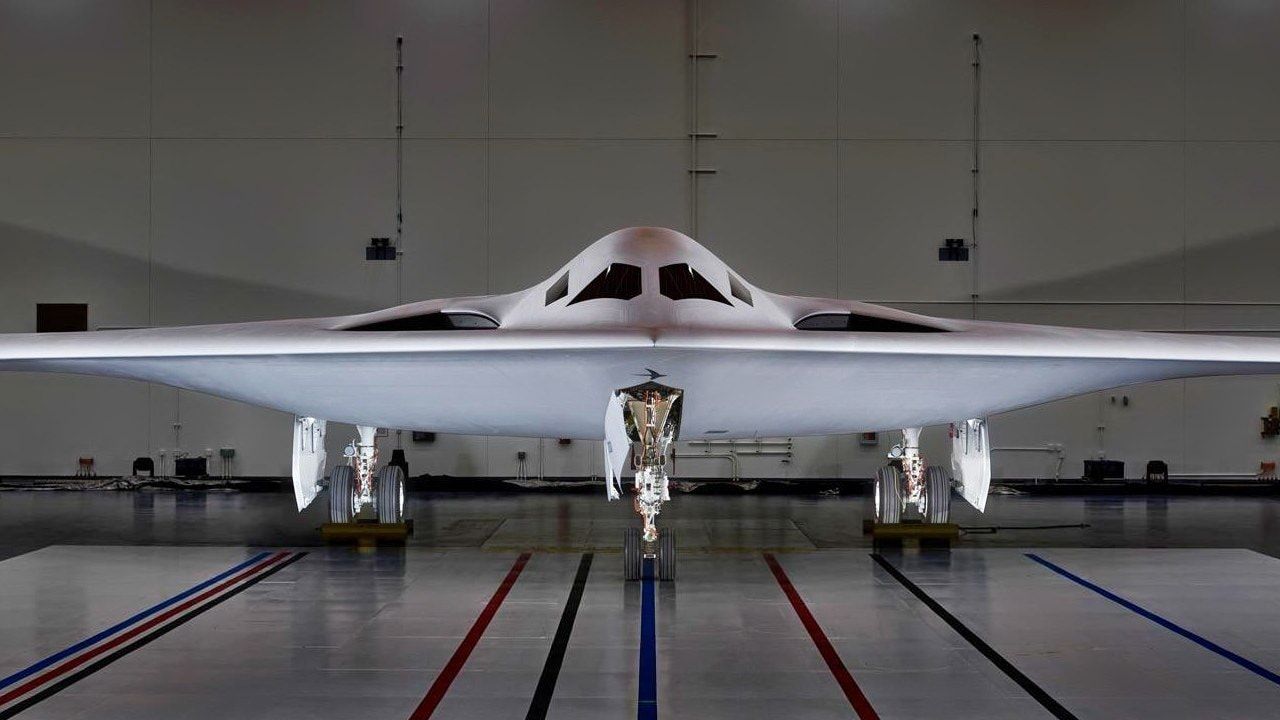
The Northrop Grumman B-21 Raider holds the distinction of being the first sixth generation combat aircraft to take flight. This strategic bomber made its maiden flight in 2023 and is on track for initial operational capability around 2027. Although not a fighter the Raider incorporates many technologies expected in sixth generation designs including advanced stealth and networking that allow it to function as a command node.
Northrop Grumman describes it as the world’s first sixth generation aircraft to reach the skies. Its flying wing design draws from the B-2 Spirit but with modern digital engineering tools that shortened development time. The Raider program benefits from evolutionary improvements rather than entirely new concepts which has accelerated its progress. While primarily a bomber its capabilities overlap with fighter roles in future networked operations.
China’s J-36 And J-50 Demonstrators
China has publicly flown two tailless sixth generation demonstrator aircraft. The larger Chengdu J-36 and smaller Shenyang J-50 conducted test flights in late 2024 marking a significant milestone. These aircraft feature stealthy designs and appear aimed at deep strike and battle management roles. The J-36 in particular has drawn attention for its potential as a command platform capable of directing drone swarms and conducting electronic warfare.
Public flights of these demonstrators position China as one of the most advanced nations in visible sixth generation testing. While questions remain about their exact capabilities and how closely they align with Western definitions of sixth generation the flights demonstrate tangible progress. China continues to invest heavily in these programs to challenge air superiority in the Indo Pacific region.
GCAP Tempest Program From UK Italy And Japan
The Global Combat Air Programme also known as Tempest is advancing steadily toward a demonstrator flight. The United Kingdom Italy and Japan are collaborating on this fighter with first flight of a technology demonstrator planned for 2027. The program aims for initial operational capability around 2035 to replace aging Eurofighter Typhoon and F-2 aircraft.
GCAP emphasizes multirole capabilities advanced sensors and strong networking. It will operate as part of a system of systems directing collaborative combat aircraft. The partnership allows shared development costs and provides each nation with greater technological sovereignty. Recent contracts for design and engineering work show solid momentum toward the 2027 target.
US Air Force NGAD And F-47
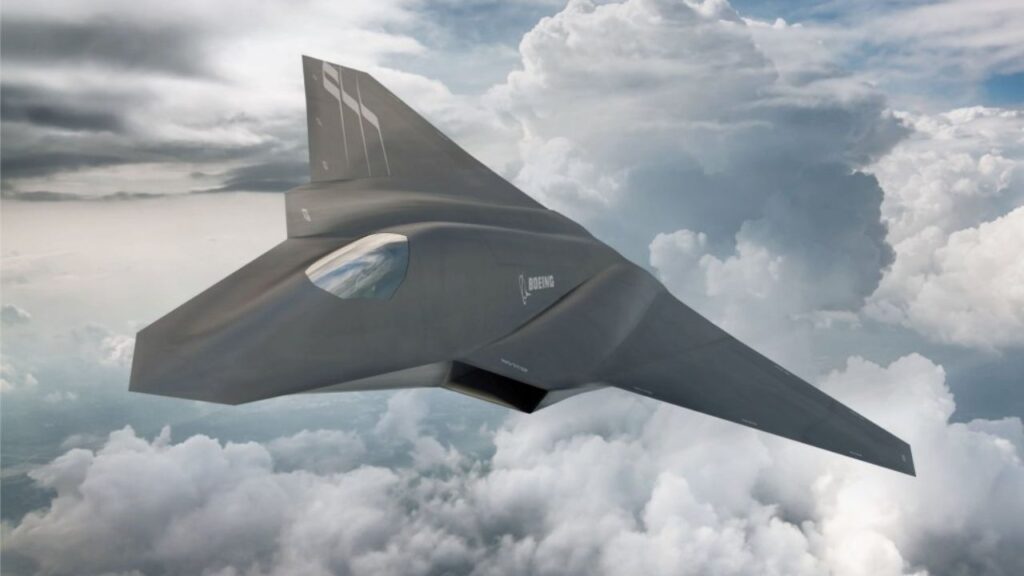
The United States Air Force Next Generation Air Dominance program selected Boeing to develop the F-47 fighter. The aircraft is transitioning into engineering and manufacturing development with a prototype expected to fly around 2028. This timeline reflects a compressed prototyping phase compared to previous programs like the F-35.
The F-47 will serve as an air dominance platform with advanced stealth artificial intelligence and the ability to command drone swarms. It is designed for operations in highly contested environments particularly in the Indo Pacific. Substantial funding in upcoming budgets underscores the priority placed on this capability. The program builds on earlier classified demonstrators flown in 2019 and 2020.
US Navy F/A-XX Program
The F/A-XX is the United States Navy next generation strike fighter intended to replace the F/A-18 Super Hornet. Boeing and Northrop Grumman are the remaining competitors with a contract decision expected soon. No firm public timeline for first flight has been disclosed but development points toward the late 2020s or early 2030s with service entry targeted for 2035.
The aircraft will integrate into naval carrier operations with emphasis on long range strikes fleet defense and multi domain connectivity. It will work alongside unmanned systems to extend reach and survivability. The program received significant funding in recent budgets highlighting its importance for future maritime power projection.
The table below ranks the programs by estimated proximity to first flight.
| Rank | Program | Nation/Partners | Estimated First Flight | Key Status |
|---|---|---|---|---|
| 1 | B-21 Raider | United States | 2023 (already flown) | In testing entering service 2027 |
| 2 | J-36 and J-50 | China | 2024 (already flown) | Public demonstrators in testing |
| 3 | GCAP Tempest | UK Italy Japan | 2027 | Demonstrator in advanced development |
| 4 | F-47 NGAD | United States | 2028 | Prototype under construction |
| 5 | F/A-XX | United States Navy | Late 2020s | Contract decision pending |
European FCAS Program Faces Uncertainty
The Future Combat Air System involving France Germany and Spain has encountered significant challenges. Deep divisions between partners led Germany to terminate its involvement in 2026 leaving the program in doubt. While France continues to explore options meaningful development on the New Generation Fighter has stalled in recent years. Original plans targeted a demonstrator around 2029 but those timelines appear unrealistic now.
The difficulties highlight the complexities of multinational programs. If revived FCAS would emphasize a combat cloud architecture connecting multiple domains. However current status places it well behind other active efforts.
Other Programs And Broader Trends
Russia PAK DA and MiG-41 programs appear deprioritized amid ongoing conflicts and resource constraints. Limited updates suggest these efforts are not advancing at the pace of Western or Chinese programs. Sweden has begun early studies for a Gripen successor but remains in conceptual stages.
Across all programs common themes emerge. Artificial intelligence will assist pilots and enable effective drone teaming. Enhanced networking will create shared battlespace awareness. Stealth remains foundational but integrated with electronic warfare and sensor capabilities. Many designs explore tailless configurations though not all sixth generation aircraft will adopt them.
Development timelines vary widely due to technical risks funding and strategic priorities. The United States China and the GCAP partnership lead in visible progress. These programs will shape airpower for decades influencing everything from pilot training to operational doctrine.
The race for sixth generation capabilities reflects intensifying great power competition. Nations recognize that future conflicts will demand information dominance and rapid decision making in contested skies. While the F-35 continues to evolve these new programs aim to surpass it through greater autonomy connectivity and adaptability.
As testing accelerates and prototypes emerge the 2030s promise a transformed aerial battlefield. The programs closest to flight today will likely set the standard for others to follow. Observers will watch closely as these ambitious efforts move from concept to reality defining the next era of military aviation.