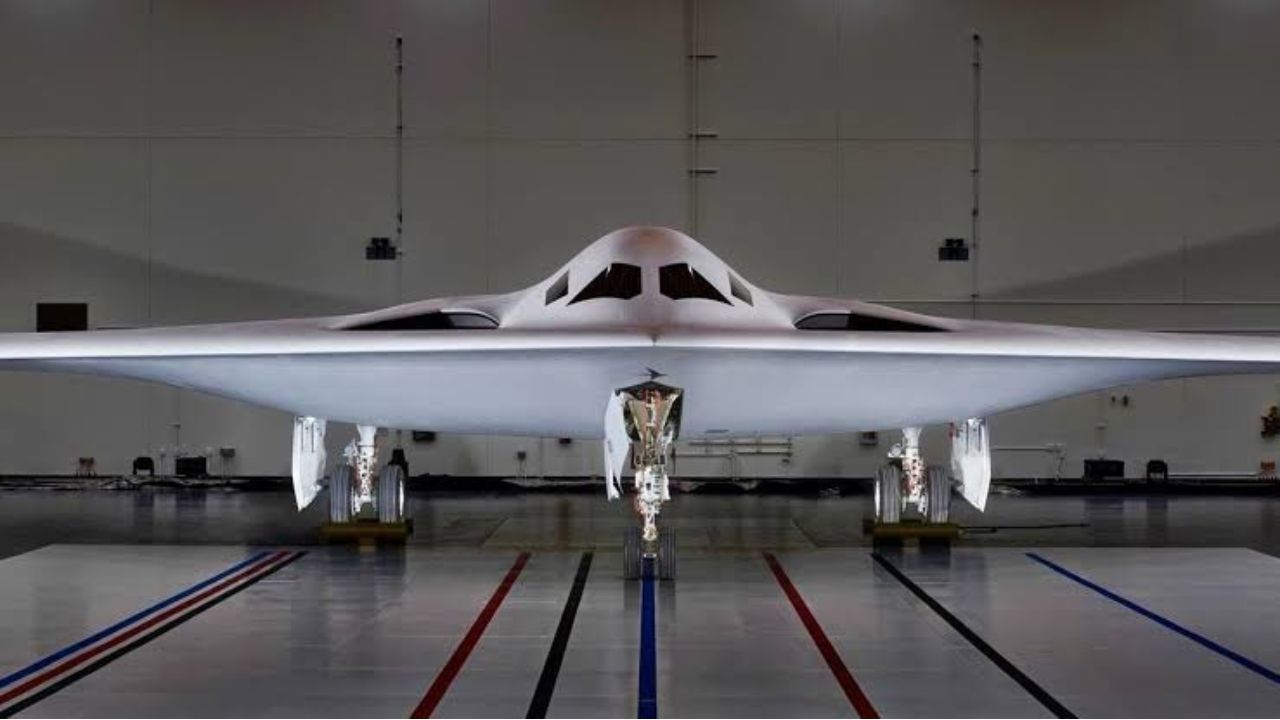
The Northrop Grumman B-21 Raider represents a cornerstone of the United States Air Force future strategic bomber fleet. Designed as a next generation stealth platform it aims to replace aging B-1 and B-2 bombers while complementing the B-52 in service. The program has progressed relatively smoothly compared to many complex defense projects with the first aircraft flying in 2023 and initial operational capability expected around 2027. However discussions about significantly increasing production rates even with additional funding of 100 billion dollars or more highlight substantial practical constraints. While accelerating output is theoretically possible the realities of specialized manufacturing skilled labor supply chains and classified technologies make rapid doubling of production nearly impossible in the near term.
Current plans call for low rate initial production to transition into full rate production delivering around seven to ten aircraft annually once mature. Boosting this to 15 or 20 per year would require overcoming multiple interconnected bottlenecks that cannot be solved simply by allocating more money. The B-21 program success to date stems from careful risk management and evolutionary design but scaling it quickly would test the limits of the defense industrial base.
Current Production Status And Realistic Timelines
The B-21 Raider is currently in low rate initial production at Air Force Plant 42 in Palmdale California. As of mid 2026 the Air Force has received at least three aircraft primarily for testing and evaluation. These include prototypes used for flight testing and systems validation. Northrop Grumman has indicated that one company owned test asset was sold to the Air Force to support accelerated deliveries. The program benefits from digital engineering tools and lessons learned from the B-2 Spirit which have helped maintain a relatively stable development schedule.
The Air Force target remains at least 100 aircraft with some discussions exploring expansion to 145 or more. Recent funding including 4.5 billion dollars in reconciliation support aims to increase annual production capacity by 25 percent. When combined with other allocations the program received around 10.3 billion dollars in fiscal year 2025. This investment focuses on expanding capacity at existing facilities and strengthening the supplier network rather than building entirely new production lines.
Even with these resources the transition from low rate to higher rate production will take time. Historical defense programs show that doubling output often requires years of preparation rather than immediate scaling. The B-21 benefits from a mature flying wing design but integrating advanced stealth materials sensors and mission systems still demands precision manufacturing that cannot be rushed without risking quality.
Supply Chain And Subcontractor Limitations
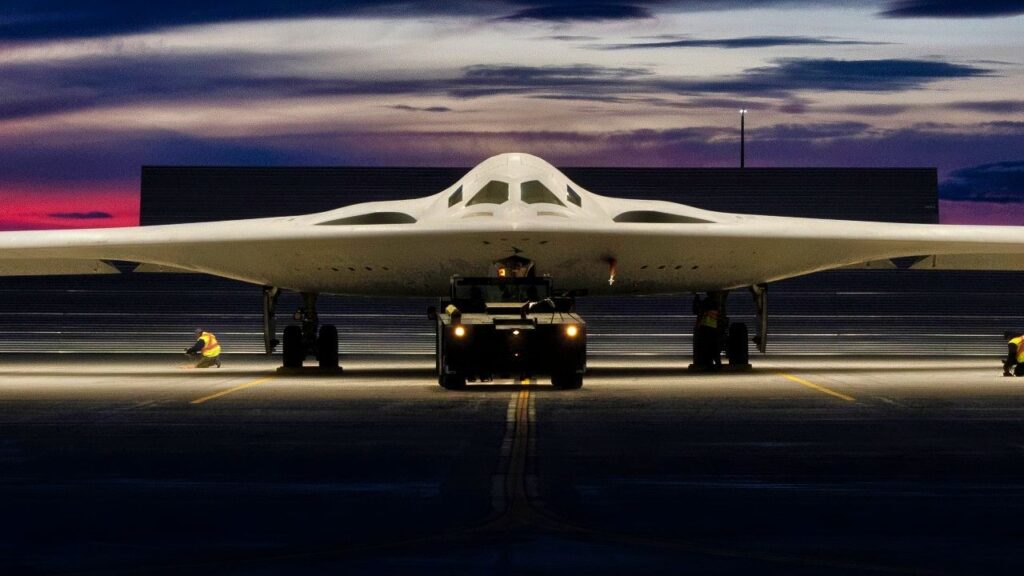
One of the primary obstacles to rapid production scaling lies in the complex supply chain supporting the B-21. Northrop Grumman serves as the prime contractor handling final assembly and overall integration but relies on numerous subcontractors for critical components. Major Tier 1 suppliers include BAE Systems for electronic warfare and mission systems Collins Aerospace for avionics and flight controls Pratt & Whitney for engines GKN Aerospace and Spirit AeroSystems for structural elements and Janicki Industries for composite tooling.
Each of these companies faces its own capacity constraints. Producing specialized stealth coatings advanced composites and secure avionics requires specialized facilities skilled technicians and rigorous quality assurance processes. Increasing output would require these suppliers to expand their workforce invest in new equipment and secure additional raw materials all while maintaining the strict security clearances and standards demanded by the program.
Historical examples from other major programs illustrate the difficulty. During the F-35 production ramp up engine manufacturers and component suppliers frequently became bottlenecks despite ample funding. Similarly commercial aircraft programs have faced delays when suppliers struggled to deliver high precision parts at scale. For the B-21 the classified nature of many technologies adds another layer of complexity limiting the pool of qualified suppliers and slowing expansion efforts.
The table below outlines known major subcontractors and their contributions to the B-21 program.
| Subcontractor | Primary Contribution | Location |
|---|---|---|
| BAE Systems | Electronic warfare and mission systems | Nashua New Hampshire |
| Collins Aerospace | Avionics and flight controls | Cedar Rapids Iowa |
| Pratt & Whitney | Engines | East Hartford Connecticut |
| Spirit AeroSystems | Structural composites | Wichita Kansas |
| GKN Aerospace | Complex composite assemblies | St Louis Missouri |
| Janicki Industries | Large scale composite tooling | Sedro-Woolley Washington |
Expanding capacity across this network would take years of coordinated investment and workforce development.
Workforce And Specialized Skills Shortage
Another significant barrier to doubling production is the limited availability of skilled labor with the necessary security clearances and technical expertise. Building stealth aircraft requires precision manufacturing knowledge of advanced materials and experience with highly classified systems. Training new workers to meet these standards is a lengthy process that cannot be accelerated dramatically even with increased funding.
The defense industrial base has faced chronic skilled labor shortages for years particularly in aerospace engineering and specialized manufacturing. Programs like the B-21 compete with commercial aviation and other defense projects for the same talent pool. Palmdale and surrounding areas already support multiple classified programs which strains local resources for housing and training infrastructure.
Northrop Grumman and its partners would need to hire and clear thousands of additional workers while maintaining quality and security standards. This process historically takes several years per major ramp up. Funding can help attract talent through higher wages and training programs but the pipeline of qualified individuals remains constrained by educational timelines and security clearance processing delays.
Lessons From Past Stealth Aircraft Programs
The B-2 Spirit program provides a cautionary example of the challenges involved in scaling stealth aircraft production. Originally planned for over 100 aircraft the fleet was reduced to 21 due to high costs and post Cold War budget cuts. Per unit costs ballooned as a result illustrating how production volume directly impacts economics. The B-21 program has benefited from digital tools and evolutionary design to avoid similar pitfalls but rapid scaling would still face comparable supply and workforce issues.
Other modern programs like the F-35 have shown that even with massive investment production rates take time to reach peak levels. Initial low rate production allows for learning and refinement before full rate manufacturing. Attempting to compress this timeline risks quality problems and increased costs that could undermine the program long term.
The B-21 benefits from a more mature foundational design and modern manufacturing techniques. However the unique requirements of stealth technology and mission systems still impose practical limits on how quickly production can expand.
Strategic And Budgetary Considerations
The Air Force has indicated plans for at least 100 B-21 aircraft with potential growth to 145 or more. Recent funding increases aim to support a 25 percent capacity boost but the service has not signaled an immediate push for doubling output. Strategic priorities including operations in the Indo Pacific and nuclear modernization influence the pace of expansion.
Budget realities also play a role. While additional funding helps it must be balanced against other defense needs such as fighter programs tanker modernization and munitions stockpiles. The B-21 program success to date stems partly from disciplined execution and avoiding unnecessary concurrency risks. Accelerating too aggressively could introduce problems that offset the benefits of faster delivery.
Outlook For B-21 Production Scaling
Doubling B-21 production remains a long term possibility but near term constraints make it nearly impossible even with substantial additional investment. Supply chain limitations workforce shortages and the need for rigorous testing and certification create natural bottlenecks that money alone cannot instantly resolve. The program current trajectory with steady progress toward full rate production represents a measured approach that prioritizes quality and sustainability over rapid expansion.
As the B-21 matures and early lessons are incorporated production rates should increase gradually. International partnerships and sustained funding will play important roles in achieving higher output over time. For now the focus remains on delivering capable aircraft on schedule while building the foundation for future growth.
The B-21 Raider program demonstrates both the promise and the challenges of developing advanced military aircraft in the 21st century. Its success will depend on continued careful management of resources and expectations. While doubling production may not be feasible in the short term steady progress toward a robust fleet will strengthen American strategic deterrence for decades to come. The lessons learned from this effort will likely influence future defense acquisition strategies as the military adapts to evolving global threats.