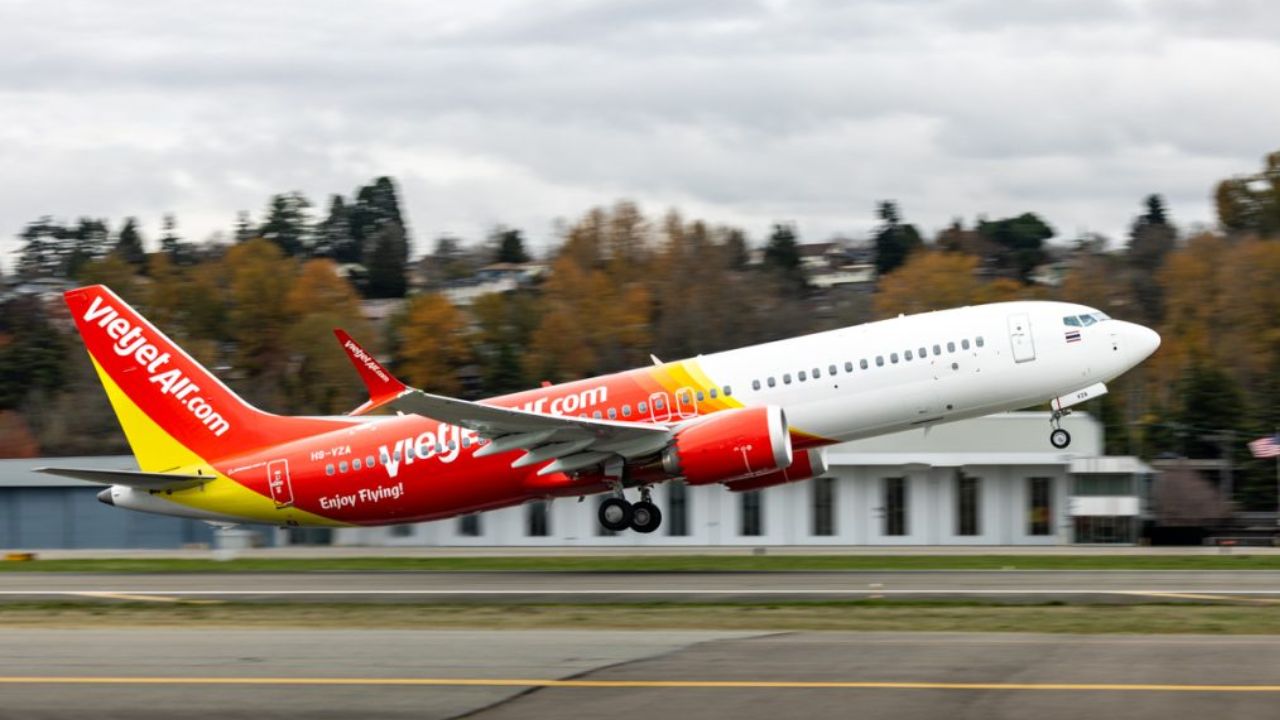
VietJet has taken significant steps toward launching domestic operations in Australia. The Vietnamese low cost carrier submitted applications to regulatory authorities seeking approval for local services. This development could introduce meaningful competition to the longstanding Qantas and Virgin Australia dominance in the Australian market. The airline plans initially focus on the busy eastern seaboard routes while leveraging its existing international presence.
VietJet represents a substantial international operator with established subsidiaries in multiple countries. Its Australian ambitions include securing an air operator certificate from the Civil Aviation Safety Authority. The carrier proposes operating ten Boeing 737 MAX aircraft initially targeting high demand corridors. Approval processes typically require up to twelve months suggesting potential service commencement by mid 2027.
Strategic Focus on the Golden Triangle Routes
VietJet has secured slots at Sydney Airport enabling up to seven daily round trips. Initial services are expected to connect the three major eastern cities of Brisbane Sydney and Melbourne. This triangular network often called the Golden Triangle represents one of the busiest aviation corridors globally with millions of annual passengers. The routes offer strong business and leisure demand making them attractive entry points for a new competitor.
Sydney to Melbourne stands as Australia busiest domestic pair with over 3.2 million round trip passengers recorded in 2025. Melbourne to Gold Coast follows with approximately 2 million passengers while Sydney to Gold Coast ranks third. These high volume sectors provide opportunities for capacity addition and potential fare pressure that could benefit Australian travelers.
Sydney to Brisbane and Melbourne to Brisbane complete the top five domestic routes. VietJet initial focus on these city pairs positions the airline to capture significant market share in the most traveled corridors. The carrier existing international flights from these airports could enable convenient connections for domestic passengers accessing regional and long haul destinations.
The following table details 2025 passenger numbers on Australia top domestic routes according to Cirium data:
| From | To | 2025 Round Trip Passengers |
|---|---|---|
| Sydney | Melbourne | 3222342 |
| Melbourne | Gold Coast | 2011705 |
| Sydney | Gold Coast | 1992373 |
| Sydney | Brisbane | 1579085 |
| Melbourne | Brisbane | 1413507 |
Potential for Broader Network Expansion
While initial plans center on the eastern states further growth could extend to additional markets. Melbourne to Hobart carried over one million passengers in 2025 indicating viable demand for new entrants. Brisbane to Cairns saw approximately 900000 travelers while Melbourne to Adelaide recorded around 840000. These secondary routes offer opportunities for network development beyond the primary triangle.
Western Sydney Airport opening presents another expansion avenue. The new facility will operate without curfew restrictions and provide additional slot availability. Although VietJet has not announced specific plans for this airport its growth potential could align with the carrier longer term ambitions in the Australian market.
International connectivity represents a key differentiator for VietJet Australian operations. The airline already serves Brisbane Melbourne Perth and Sydney from Vietnam and other Asian destinations. Domestic passengers could benefit from seamless connections on single tickets accessing the broader VietJet network. This integration strategy could attract both leisure and visiting friends and relatives traffic.
Fleet and Operational Considerations
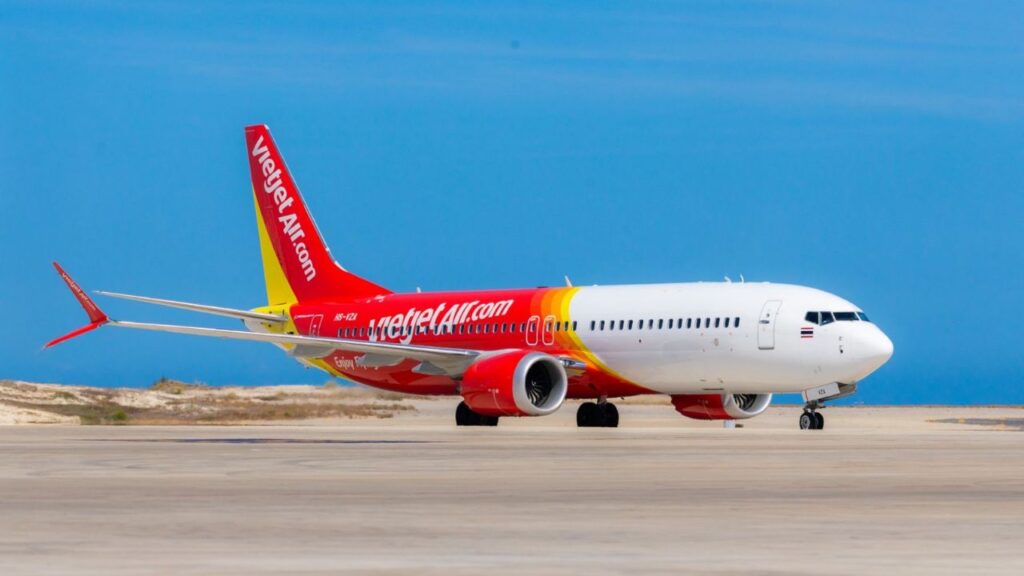
VietJet proposes deploying ten Boeing 737 MAX aircraft for Australian services. The modern narrowbody type offers strong efficiency characteristics suitable for domestic sectors of varying lengths. High density configurations would support the low cost model while providing competitive capacity on target routes.
The 737 MAX family delivers improved fuel economy and operational flexibility compared to older generation aircraft. These attributes align with VietJet overall business approach emphasizing cost control and competitive pricing. The fleet choice also facilitates potential future expansion to longer domestic or regional international sectors from Australian bases.
Regulatory approval processes will examine safety management systems maintenance programs and operational procedures. VietJet international experience operating in multiple jurisdictions provides a foundation for meeting Australian standards. Successful certification would mark a significant milestone for the carrier Australian subsidiary.
Competitive Landscape and Market Impact
Australia domestic aviation has been dominated by Qantas and Virgin Australia for many years. Previous attempts by new entrants including Bonza and Regional Express faced significant challenges in establishing sustainable operations. VietJet approach differs through its established international backing and substantial resources potentially offering greater resilience.
Increased competition on major routes could lead to downward pressure on fares benefiting consumers. The Golden Triangle markets already see substantial capacity but additional options might stimulate further demand growth. Leisure travelers in particular could gain from more affordable access to popular destinations.
Established carriers will likely respond to new competition through pricing adjustments capacity changes and loyalty program enhancements. The overall market size may expand as lower fares encourage additional travel particularly for price sensitive segments. Long term effects will depend on VietJet ability to establish reliable operations and build customer loyalty.
Infrastructure and Regulatory Context
Australian aviation infrastructure continues developing with Western Sydney Airport representing a major addition. The new facility will alleviate pressure on existing airports while providing opportunities for new route development. Its 24 hour operations could particularly suit low cost carriers with flexible scheduling requirements.
Civil Aviation Safety Authority oversight ensures high safety standards for all operators. The certification process for new airlines involves comprehensive evaluation of multiple operational aspects. VietJet international track record may expedite certain elements while Australian specific requirements will need full compliance.
Airport slot allocations at major facilities like Sydney remain constrained. VietJet secured initial slots indicating regulatory support for increased competition. Further slot availability will influence network expansion possibilities particularly at peak times.
Economic and Tourism Implications
Successful establishment of VietJet Australian operations could generate positive economic effects. Increased connectivity supports business travel tourism and labor mobility across states. Lower fares might stimulate additional discretionary travel boosting hospitality and related sectors.
Regional destinations could benefit from new service options connecting them to major population centers. The carrier international network integration might enhance inbound tourism from Asia bringing additional visitors to Australian cities and attractions. Job creation in aviation support services and tourism would contribute to local economies.
Challenges remain including fuel costs labor availability and competitive responses from incumbents. VietJet experience operating in competitive Asian markets provides valuable lessons for the Australian environment. Careful route selection and operational efficiency will prove crucial for long term success.
VietJet entry into Australian domestic aviation represents a potentially transformative development. The carrier plans target high demand routes while leveraging international connectivity advantages. Success could reshape competitive dynamics and deliver benefits for travelers across the country. As regulatory processes advance anticipation grows for how this new player might influence the future of Australian air travel.