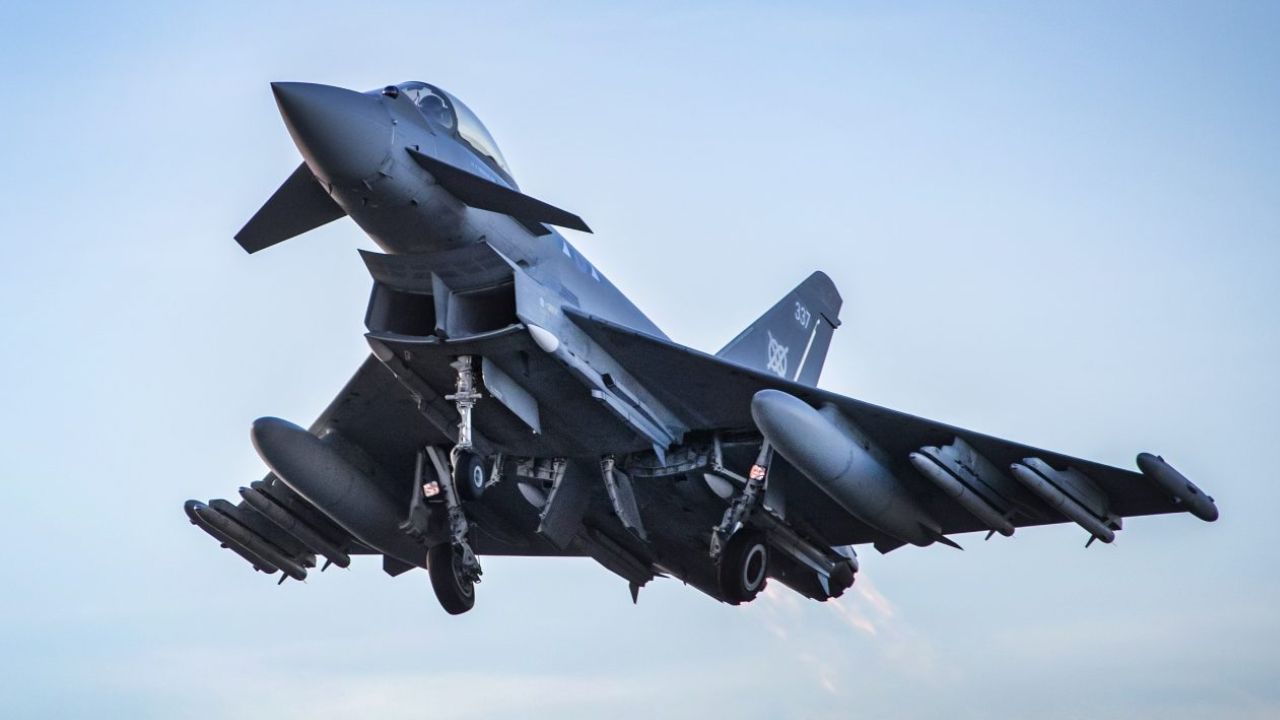
The Royal Air Force maintains a modern fighter fleet centered on the Eurofighter Typhoon and the Lockheed Martin F-35 Lightning II. These aircraft form the backbone of United Kingdom air defense and power projection capabilities. In 2026 the RAF operates from several key bases with varying concentrations of fighter jets. Permanent overseas detachments and domestic main operating bases host the majority of these assets. Squadrons typically maintain between 12 and 16 combat ready airframes each reflecting operational requirements and maintenance cycles.
The concentration of fighters supports quick reaction alert duties NATO commitments and training missions. Bases like Coningsby and Lossiemouth focus primarily on Typhoons while Marham specializes in the F-35B variant. Overseas locations provide forward presence in strategic regions. This distribution ensures rapid response to threats while fostering interoperability with allies.
RAF Coningsby Leads with the Largest Typhoon Concentration
RAF Coningsby in Lincolnshire stands as the premier fighter station in the United Kingdom. It hosts the largest number of fighter jets with over 60 Typhoon FGR4 aircraft assigned in 2026. The base serves as the primary quick reaction alert hub for southern United Kingdom airspace and the main training center for the Typhoon force.
Five squadrons operate from Coningsby including frontline units such as No. 3 Squadron No. 11 Squadron and the joint No. 12 Squadron with Qatar. The 29 Squadron handles operational conversion training while No. 41 Squadron focuses on test and evaluation. This setup supports both combat readiness and pilot development. The base also accommodates the Battle of Britain Memorial Flight with historic aircraft.
Coningsby has a rich history dating back to 1940. It transitioned through various aircraft types including Phantoms and Tornados before adopting the Typhoon. Recent investments include upgrades to support sustained operations and a 205 million pound package announced in early 2026 for fleet maintenance.
RAF Lossiemouth as Northern Fighter and Patrol Hub
RAF Lossiemouth in Moray Scotland ranks second with approximately 50 to 55 fighter jets primarily Typhoons. Four frontline squadrons No. 1 No. 2 No. 6 and No. 9 operate the Eurofighter from this northern quick reaction alert base. The location provides critical coverage over the North Atlantic and supports intercepts of Russian aircraft.
In addition to fighters the base hosts nine Boeing P-8A Poseidon maritime patrol aircraft across multiple squadrons. The arrival of E-7 Wedgetail airborne early warning aircraft further enhances its capabilities. Lossiemouth frequently hosts allied detachments including United States Navy assets for joint exercises.
Major infrastructure upgrades completed in recent years including a 350 million pound program prepared the base for expanded Typhoon and Poseidon operations. Its coastal position makes it ideal for monitoring the Greenland Iceland United Kingdom gap.
Key RAF Bases and Approximate Fighter Jet Counts in 2026
| Rank | Base | Approximate Fighter Jets | Primary Aircraft | Notable Squadrons |
|---|---|---|---|---|
| 1 | RAF Coningsby | 60 plus | Eurofighter Typhoon | 3 11 12 29 41 |
| 2 | RAF Lossiemouth | 50 to 55 | Eurofighter Typhoon | 1 2 6 9 |
| 3 | RAF Marham | 30 plus | F-35B Lightning II | 617 809 207 |
| 4 | RAF Akrotiri | 15 to 25 | Typhoon and F-35B | 903 Expeditionary |
| 5 | RAF Mount Pleasant | 4 | Typhoon FGR4 | 1435 Flight |
This table summarizes the distribution based on operational reports and squadron assignments. Numbers fluctuate with deployments and maintenance.
RAF Marham Centers F-35 Stealth Operations
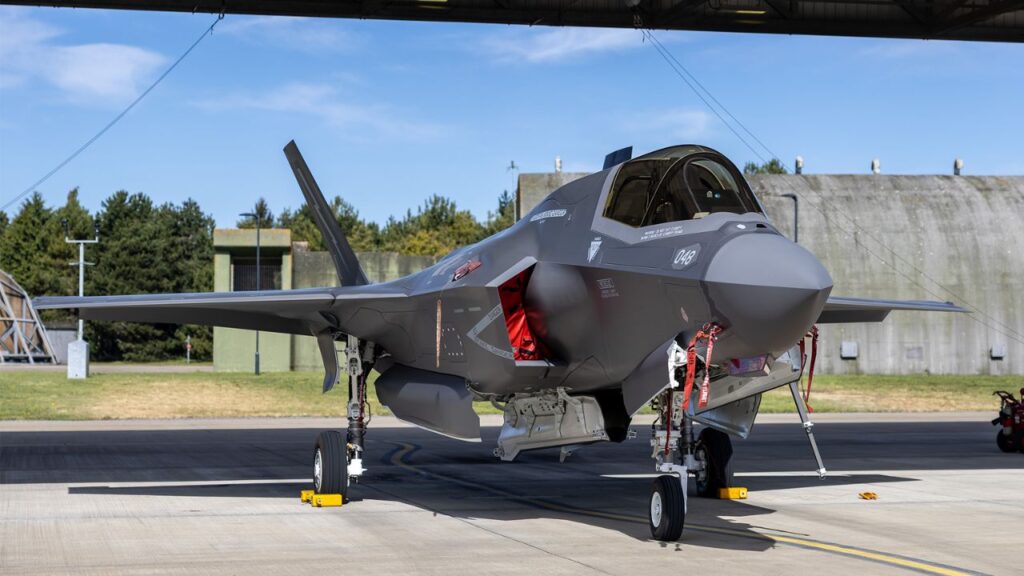
RAF Marham in Norfolk serves as the main operating base for the United Kingdom F-35B Lightning II fleet. It hosts around 30 or more stealth fighters in 2026 shared between Royal Air Force and Royal Navy squadrons. Units include No. 617 Squadron the Dambusters No. 809 Naval Air Squadron and the training focused No. 207 Squadron.
The base underwent extensive upgrades under Project Anvil costing 250 million pounds to accommodate stealth maintenance requirements. Marham supports joint operations and training while contributing aircraft to overseas deployments such as those to Cyprus. Plans include basing incoming F-35A variants for nuclear deterrence roles.
Marham history traces to 1916 with significant postwar activity including hosting United States bombers. It transitioned from Tornado operations to become the center of fifth generation fighter activity in the United Kingdom.
Overseas Presence at RAF Akrotiri
RAF Akrotiri on Cyprus maintains a permanent fighter detachment of 15 to 25 aircraft. This includes around ten Typhoon FGR4s and reinforcements from F-35B units. As a sovereign base area it serves as the United Kingdom strategic hub for Middle East operations including support for Operation Shader.
The No. 903 Expeditionary Air Wing manages combat operations from here. The base also hosts Voyager tankers helicopters and United States Air Force surveillance assets. Tensions in the region have prompted temporary increases in aircraft numbers for defensive postures.
RAF Mount Pleasant in the South Atlantic
RAF Mount Pleasant on the Falkland Islands represents the smallest but strategically vital entry. It maintains four Typhoon FGR4s under 1435 Flight for air defense of the South Atlantic territories. Established in 1985 following the Falklands conflict the base provides persistent presence far from the United Kingdom mainland.
Support assets include Voyager KC2/3 tankers and A400M Atlas transports. The facility nicknamed the Death Star features unique infrastructure to withstand harsh environmental conditions. It underscores the global reach of Royal Air Force commitments.
Strategic Roles and Future Developments
These bases enable the Royal Air Force to fulfill diverse missions from homeland defense to expeditionary operations. Typhoons handle air superiority and multirole tasks while F-35Bs introduce stealth capabilities for contested environments. Joint operations with NATO partners and allies enhance interoperability.
The RAF continues expanding its F-35 fleet with deliveries supporting both conventional and nuclear roles. Typhoon sustainment programs ensure the platform remains viable alongside newer assets. Investments in infrastructure at major bases reflect long term commitment to air power.
Overseas detachments like Akrotiri and Mount Pleasant extend United Kingdom influence and deter potential adversaries. Domestic hubs train the next generation of pilots and maintain high readiness levels. The balanced distribution across these five locations optimizes response times and operational flexibility.
Historical Context and Ongoing Evolution
Many RAF bases boast histories spanning World War II and the Cold War. Coningsby and Marham played key roles in past conflicts with aircraft like Lancasters Tornados and Phantoms. Modern transitions to advanced platforms such as the Typhoon and F-35 build upon this legacy while addressing contemporary threats.
Allied training exercises at these sites strengthen collective defense. The presence of United States and other partner aircraft fosters shared tactics and procedures. As geopolitical dynamics evolve the RAF adapts its basing strategy to maintain deterrence and rapid deployment options.
In summary the five largest Royal Air Force bases by fighter jet numbers in 2026 form the core of United Kingdom combat airpower. From the Typhoon heavy concentrations at Coningsby and Lossiemouth to the stealth focused Marham and forward deployed units overseas these facilities ensure the RAF remains a capable and ready force within NATO and beyond.