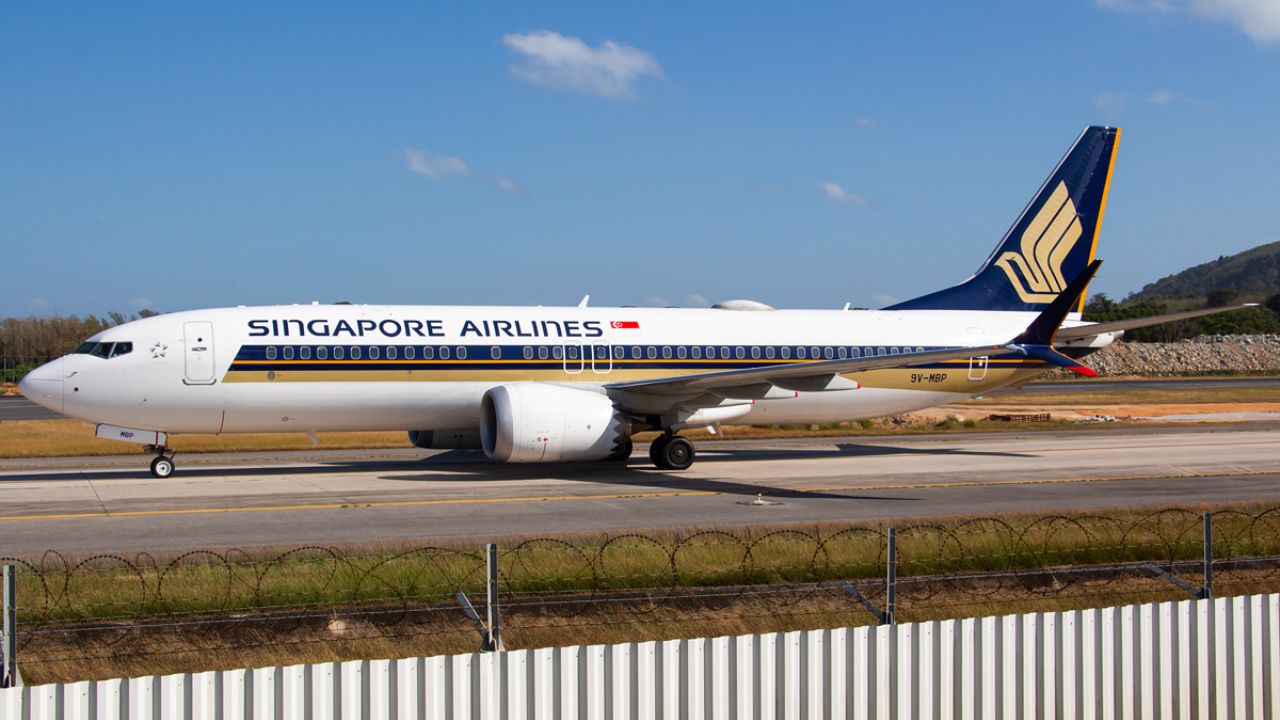
Singapore Airlines has encountered a highly unusual sequence of events involving its Boeing 737 MAX 8 fleet. Two nearly identical double-tire failures occurred on the same short-haul flight from Singapore Changi Airport to Kuala Lumpur International Airport within just eight days. The repeat incidents on flight SQ114 have drawn significant attention from aviation authorities, industry observers, and passengers, raising questions about potential underlying factors on this busy regional route. While tire failures during landing are not unheard of in commercial aviation, the precise similarities between the two events on consecutive operations of the same service are rare.
Timeline of the Repeat Incidents
The first incident took place on June 13, 2026. A Singapore Airlines Boeing 737 MAX 8, registered 9V-MBN, operating flight SQ114 from Singapore to Kuala Lumpur, experienced a double-tire burst on the left main landing gear shortly after touchdown. The aircraft came to a safe stop, but the damage left it unable to taxi clear of the runway under its own power. Airport authorities closed one of the main runways at Kuala Lumpur International Airport for approximately six hours to clear debris and conduct safety inspections. All 147 passengers and eight crew members disembarked safely with no injuries reported. The return flight SQ113 was subsequently canceled, and the aircraft was ferried back to Singapore the following day after repairs.
Eight days later, on June 21, 2026, history repeated itself in striking fashion. Another Boeing 737 MAX 8, this time registered 9V-MBA, operating the identical flight SQ114, suffered a double-tire failure upon landing at Kuala Lumpur. Reports indicate involvement of the right main landing gear, with at least one tire completely destroyed. The aircraft required towing and maintenance before it could return to service, leading to delays on the return leg. Once again, no injuries occurred among passengers or crew. The back-to-back nature of these events on the same route and flight number has sparked widespread discussion across aviation communities.
Aircraft and Operational Context
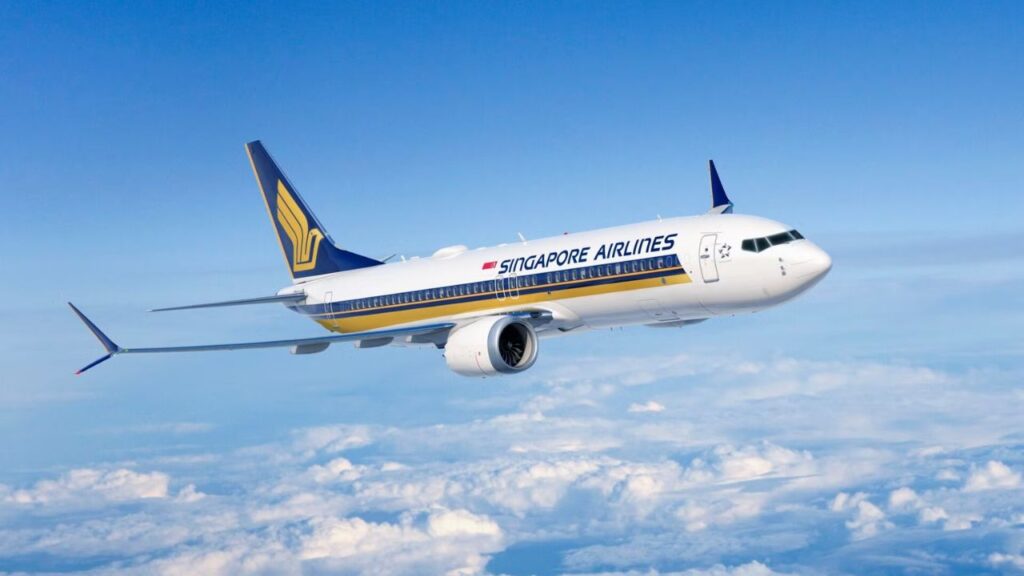
Singapore Airlines has integrated the Boeing 737 MAX 8 as a key part of its narrowbody fleet following the retirement of older 737-800 aircraft. The airline currently operates 21 examples of the MAX 8, which are configured with 154 seats in a two-class layout. These aircraft primarily serve short- and medium-haul routes across Southeast Asia, where high frequency and reliability are essential. The SQ114 service between Singapore and Kuala Lumpur is one of the carrier’s busiest regional connections, operating multiple times daily.
Importantly, the two incidents involved different aircraft rather than the same airframe. This detail shifts the focus of any investigation away from a potential isolated mechanical defect on one specific jet toward broader factors. Possible areas of examination include tire maintenance practices, operational procedures on the SIN-KUL route, runway conditions at Kuala Lumpur, or environmental variables such as weather or temperature affecting tire performance during landing.
Immediate Operational Impacts
The first incident on June 13 caused notable disruptions at Kuala Lumpur International Airport. The runway closure for six hours affected numerous arriving and departing flights, leading to cascading delays across the airport’s busy operations. Recovery teams worked to remove the disabled aircraft and clear debris, ensuring the surface met safety standards before reopening. Singapore Airlines managed passenger accommodations and rebookings efficiently during this period.
The second event on June 21 resulted in similar but somewhat less extensive operational effects. The aircraft stopped along a taxiway area, and the return flight experienced a delay of around six hours before departure. These repeat disruptions highlight the vulnerability of busy airports to even minor ground incidents involving modern narrowbody aircraft.
Possible Causes and Contributing Factors
Tire failures on landing can result from various causes, including foreign object debris on the runway, manufacturing or maintenance issues with the tires, excessive heat buildup during braking, or high-speed touchdown dynamics. In both cases, the failures occurred on the main landing gear, which bears significant loads during the critical phase of deceleration after touchdown.
Aviation experts note that the short nature of the SIN-KUL flight, typically lasting under an hour, involves frequent takeoff and landing cycles. This high utilization can place additional stress on landing gear components over time. Runway conditions at Kuala Lumpur, including potential debris or surface wear, may also play a role, though investigations are ongoing. Weather factors, such as high temperatures common in the region, can increase tire pressure and susceptibility to failure if not properly managed.
Singapore Airlines has confirmed the tire deflations in both instances and is cooperating with relevant authorities. The Civil Aviation Authority of Singapore and Malaysian aviation regulators are expected to review maintenance records, pilot reports, and runway inspections to identify any common threads. Boeing, as the aircraft manufacturer, may also provide technical support as part of standard incident protocols.
Singapore Airlines’ Response and Fleet Reliability
Singapore Airlines maintains a strong reputation for operational safety and has expressed confidence in its 737 MAX 8 fleet. The airline has stated that all affected passengers were safe and that the aircraft were handled according to established procedures. Following the incidents, enhanced inspections of landing gear tires across the narrowbody fleet may be implemented as a precautionary measure.
The 737 MAX 8 has proven reliable in Singapore Airlines’ service since its introduction, supporting the carrier’s regional network effectively. Isolated tire events, while concerning due to their repetition, do not indicate systemic issues with the aircraft type based on global operational data. Tire wear and failures remain among the more common minor incidents in aviation, often resolved quickly without long-term consequences.
Key Facts About the Incidents:
- Flight: SQ114 (SIN to KUL) in both cases.
- Aircraft Type: Boeing 737 MAX 8.
- First Incident (June 13): Registration 9V-MBN, left main gear, runway closure ~6 hours.
- Second Incident (June 21): Registration 9V-MBA, right main gear reported, delays on return flight.
- Passengers and Crew: No injuries reported in either event.
- Fleet Context: Part of 21 MAX 8 aircraft in SIA’s narrowbody operations.
These points underscore the rarity of the repeat pattern while highlighting the airline’s effective safety management.
Broader Implications for Aviation Safety
Repeat incidents on the same route prompt closer scrutiny even when no serious harm occurs. Aviation safety bodies emphasize learning from such events to prevent escalation. Factors like tire pressure monitoring, enhanced runway inspections, and crew training for high-cycle operations could emerge as focus areas. The events also remind travelers of the robust redundancies built into modern aircraft, where a tire failure rarely compromises overall safety.
For Kuala Lumpur International Airport, the incidents highlight the importance of rapid response capabilities and contingency planning for ground disruptions. Airlines operating in the region may review their tire management protocols to mitigate similar risks on short sectors.
Passenger Perspectives and Industry Reactions
Passengers on the affected flights described the incidents as noticeable but not alarming, likening the sensation to hitting a significant bump or pothole. Many appreciated the professional handling by the crew. Online discussions among aviation enthusiasts have ranged from curiosity about potential causes to appreciation for the quick resolutions. Singapore Airlines’ transparency in communicating with affected customers has helped maintain trust.
The broader industry continues to monitor developments. Tire technology and landing gear systems on the 737 MAX family have undergone extensive testing and real-world validation. These isolated events are unlikely to impact the type’s certification or long-term viability but serve as reminders of the need for vigilant maintenance in high-frequency operations.
Looking Ahead
Singapore Airlines is expected to provide further updates as investigations progress. The carrier’s strong safety record and proactive approach position it well to address any findings. For the traveling public on the SIN-KUL route, these incidents represent an anomaly rather than a trend, with normal operations resuming promptly after each event.
The double occurrence of tire failures on SQ114 within eight days remains a notable chapter in recent aviation news. It underscores the complexities of maintaining reliability across busy regional networks while reinforcing the effectiveness of established safety protocols. As authorities delve deeper, the aviation community will gain valuable insights to further enhance safety standards for all operators.
Singapore Airlines continues to prioritize passenger safety and comfort, ensuring that its modern 737 MAX 8 fleet remains a dependable choice for travelers across Asia. The resolution of these incidents will likely contribute to ongoing improvements in ground handling and aircraft maintenance practices industry-wide.