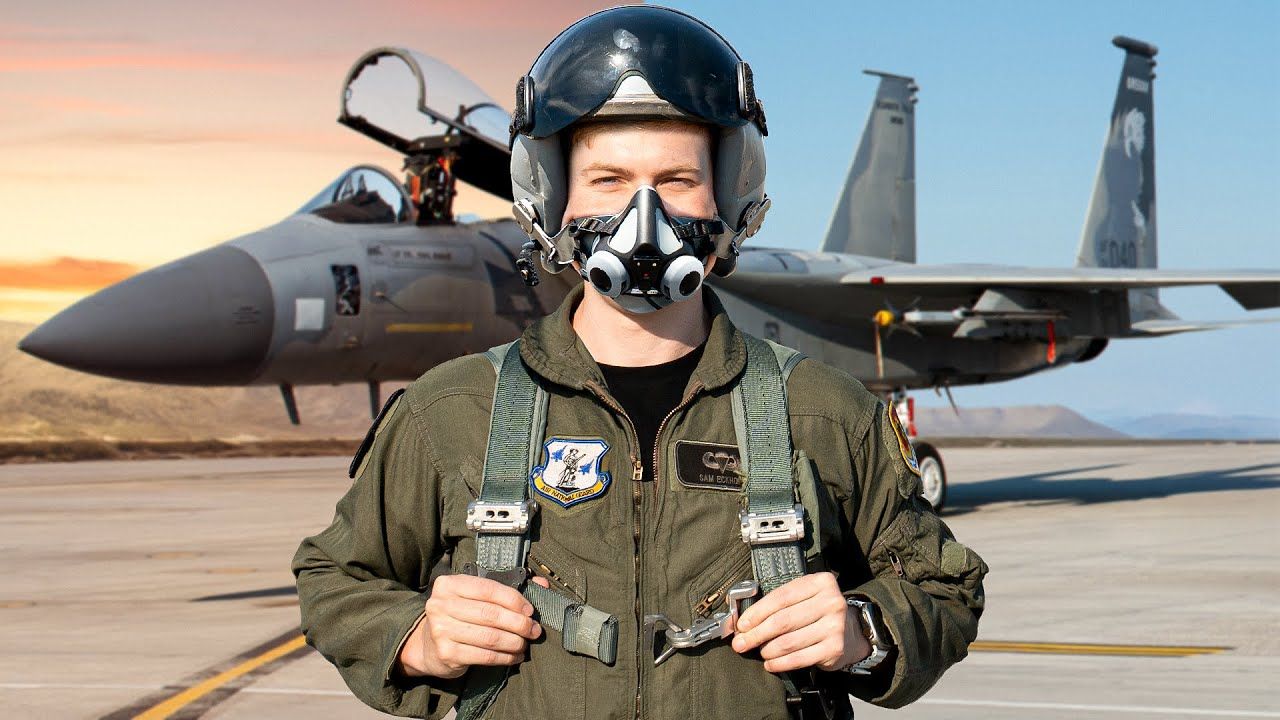
Fighter jet pilots in the United States Air Force represent an elite group tasked with some of the most demanding and high-stakes missions in modern military aviation. Their compensation reflects not only the rigorous training and unique risks involved but also the structured pay system applied across all commissioned officers. In 2026, USAF fighter pilots receive a combination of base pay, aviation incentives, allowances, and benefits that create a competitive total compensation package. While exact take-home amounts vary based on rank, years of service, location, and family status, the overall structure provides financial stability alongside substantial non-monetary rewards.
The Path To Becoming A USAF Fighter Pilot
Entering the cockpit of advanced fighters like the F-16 or F-35 requires an exceptionally selective process. Candidates must first earn a commission through the Air Force Academy, ROTC, or Officer Training School. They then compete for pilot slots based on rigorous evaluations including the Pilot Candidate Selection Method score, physical exams, and medical flight screening that assess vision, neurological health, psychological fitness, and anthropometric measurements.
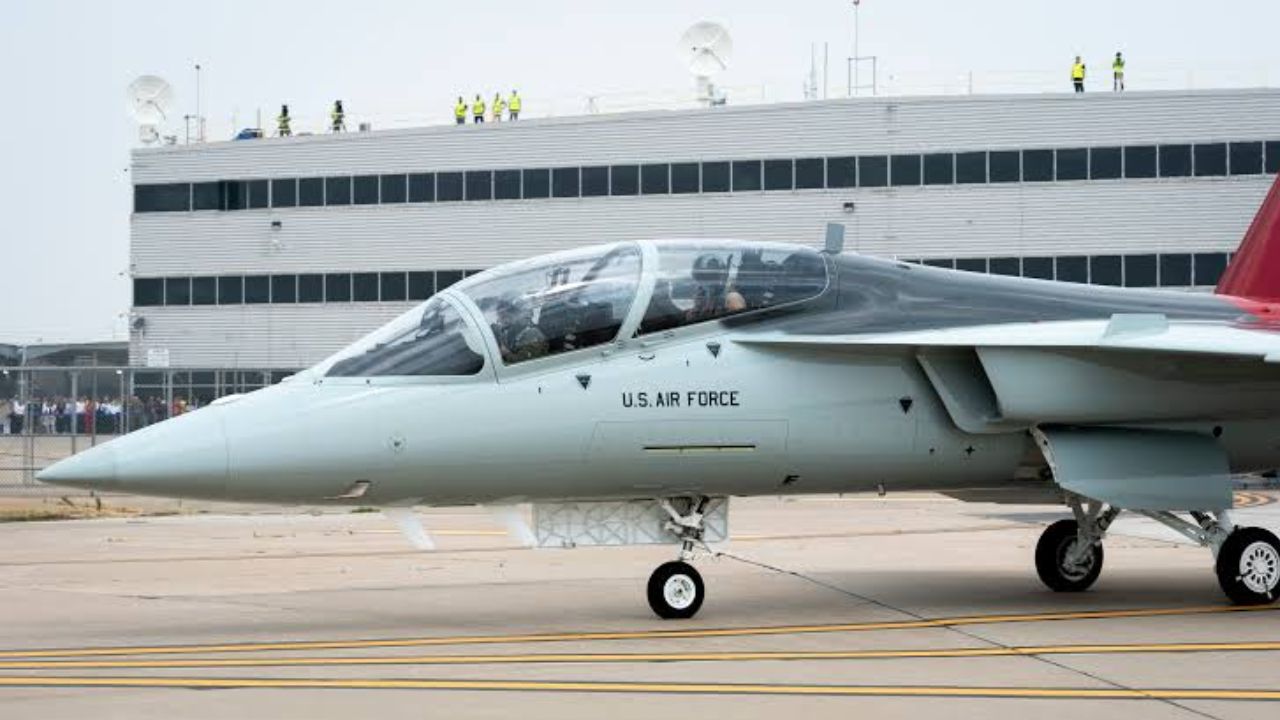
Successful candidates undergo Undergraduate Pilot Training, beginning with the T-6 Texan II for foundational airmanship skills and instrument ratings. Those selected for fighters advance to the T-38 Talon for advanced jet training, followed by Introduction to Fighter Fundamentals and aircraft-specific Formal Training Units. This multi-year pipeline ensures only the most capable pilots reach operational squadrons, justifying the specialized pay elements that accompany the role.
Base Pay Structure For Officers
All USAF fighter pilots start as commissioned officers and follow the standard military pay chart. In 2026, a newly commissioned Second Lieutenant (O-1) earns a basic monthly pay of $4,150.20. This translates to approximately $49,802 annually before additional incentives or allowances. Promotion to First Lieutenant (O-2), typically around the two-year mark, increases basic pay to about $4,782 per month.
Captains (O-3), where many pilots spend significant portions of their careers, see further increases. With increasing years of service, monthly base pay for O-3 can reach around $5,534 to over $7,000 depending on time in grade. Majors (O-4) and higher ranks command even greater base compensation, often exceeding six figures annually on base pay alone as seniority accumulates.
Aviation Incentive Pay: Rewards For Flying Status
A key component unique to aviators is Aviation Incentive Pay (AIP), also known as flight pay. This monthly premium rewards pilots for maintaining flying status and accumulates based on years of aviation service. For new pilots with two years or less of aviation service, the rate starts at $150 per month. It rises to $250 after more than two years, jumps to $700 after six years, and reaches a peak of $1,000 monthly after 12 years before tapering in later career stages.
These amounts supplement base pay directly and recognize the continuous proficiency requirements and operational demands placed on fighter pilots. Senior pilots in leadership or instructor roles may also qualify for additional retention bonuses or critical skills incentives designed to keep experienced talent within the Air Force.
Allowances And Tax-Advantaged Benefits
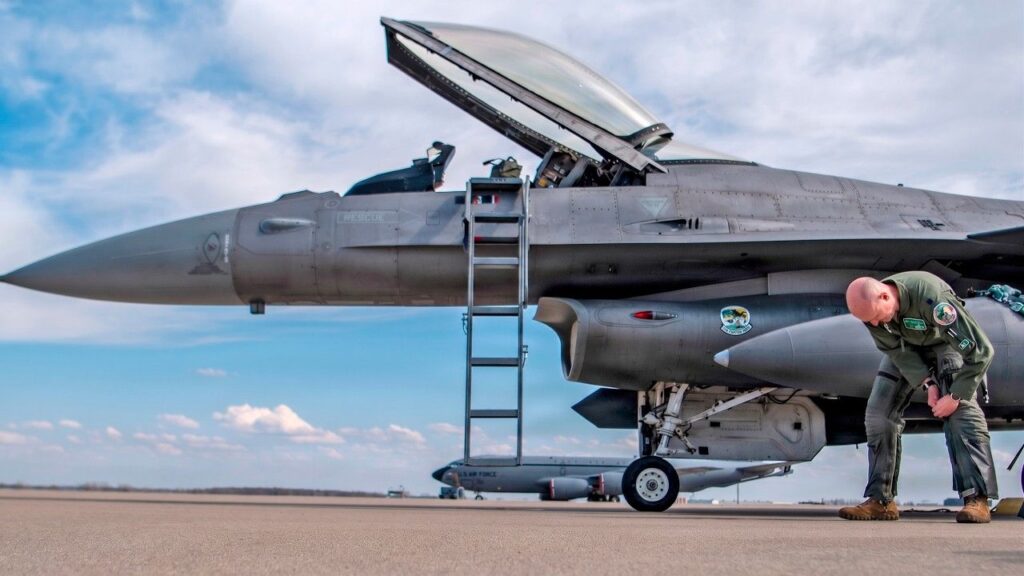
Beyond base pay and flight incentives, fighter pilots benefit from several allowances that significantly boost total compensation. The Basic Allowance for Subsistence (BAS) provides approximately $328 per month for food costs and remains largely tax-free.
The Basic Allowance for Housing (BAH) represents one of the largest variable components. Rates depend on location, rank, and dependent status. Junior pilots at high-cost bases might receive up to $2,200 or more monthly, while national averages for young officers often fall around $1,800. These allowances are generally non-taxable, enhancing net income.
Other potential additions include per diem during temporary duty, deployment-related pays, and family separation allowances. Pilots also enjoy comprehensive benefits such as 30 days of paid leave annually, full medical and dental coverage, life insurance, and robust retirement plans including the Blended Retirement System with matching contributions. Education benefits through the Post-9/11 GI Bill add long-term value.
Realistic Earnings Across Career Stages
Early-career fighter pilots in their first few years typically see total monthly compensation ranging from $6,500 to $8,500 or more when combining base pay, flight pay, BAS, and BAH. This can equate to $78,000 to over $100,000 annually depending on station and dependents.
Mid-career Captains and Majors often achieve total compensation between $110,000 and $160,000 or higher annually. Senior officers at Lieutenant Colonel or Colonel ranks, especially with maximum flight pay and high-cost location allowances, can exceed $180,000 to $250,000 in total annual value including benefits.
Typical Annual Compensation Breakdown (Approximate 2026 Figures):
| Career Stage | Base Pay (Annual) | Flight Pay (Annual) | Allowances (Est.) | Total Compensation (Est.) |
|---|---|---|---|---|
| Junior Pilot (O-1/O-2) | $50,000 – $60,000 | $1,800 – $3,000 | $25,000+ | $80,000 – $110,000 |
| Mid-Career (O-3/O-4) | $70,000 – $110,000 | $6,000 – $12,000 | $30,000+ | $120,000 – $170,000 |
| Senior (O-5+) | $120,000+ | $8,400 – $12,000 | $35,000+ | $180,000 – $250,000+ |
These figures represent estimates incorporating standard allowances and do not include one-time bonuses or deployment pays. Actual amounts vary widely by individual circumstances.
Comparison With Civilian Airline Pilots
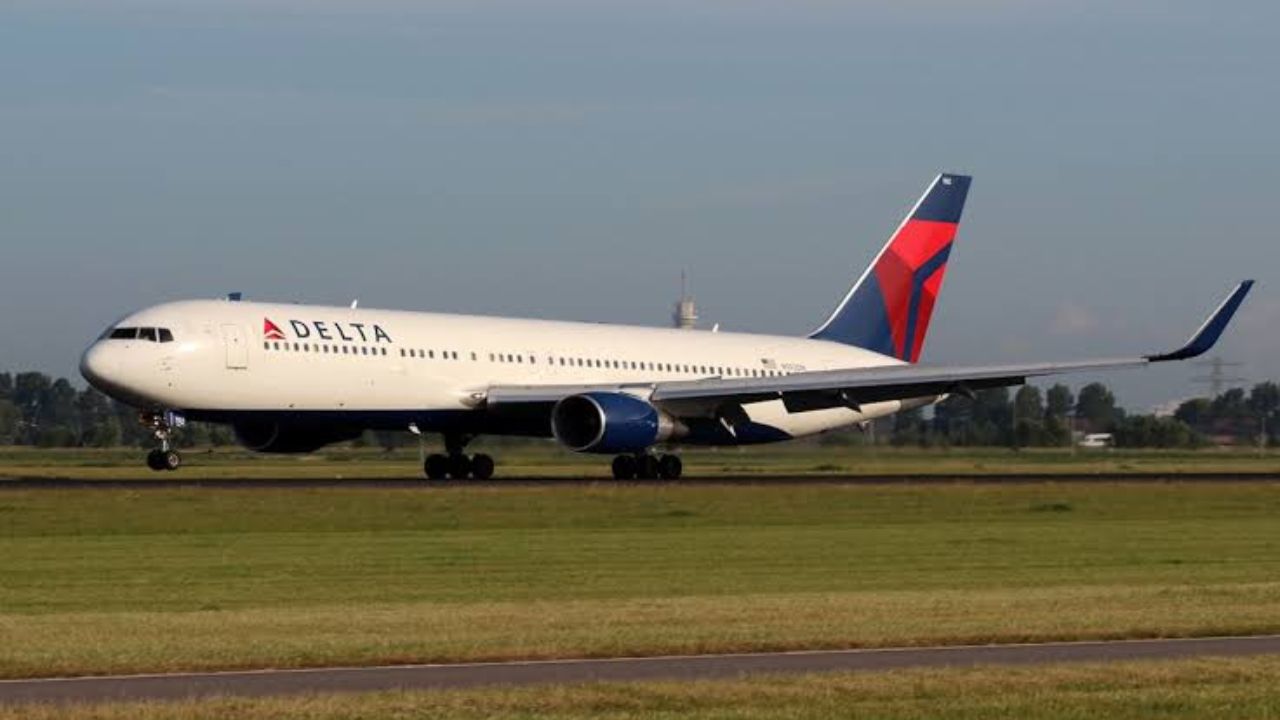
Civilian counterparts at major airlines often command higher raw salaries, particularly senior captains. Median pay for airline pilots hovers around $226,000 annually according to available data, with top earners exceeding $400,000 at major carriers flying international routes. First-year regional or major airline first officers typically start in the low to mid $100,000s.
However, military compensation includes unmatched benefits such as comprehensive healthcare, pension options, job security, and the intrinsic value of serving in defense roles. Many former fighter pilots transition successfully to civilian aviation, leveraging their elite training for accelerated career progression in airlines. Yet the sense of purpose and camaraderie in the USAF often outweighs pure financial considerations for those dedicated to military service.
Retention Incentives And Long-Term Value
The Air Force offers targeted retention bonuses and aviation continuation pay to address pilot shortages in high-demand fields. These can add tens of thousands of dollars over multi-year commitments. Such programs underscore the service’s investment in retaining skilled fighter pilots amid competition from commercial airlines.
Beyond direct pay, the career provides leadership development, global travel opportunities, and advanced technical training that hold significant resume value. Retirement after 20 years offers a pension and continued access to benefits, creating strong long-term financial security.
The True Value Beyond The Paycheck
While salaries form an important part of the equation, the role of a USAF fighter pilot encompasses far more than financial rewards. The position demands exceptional skill, mental resilience, and commitment to national service. For many, the opportunity to operate cutting-edge aircraft in defense of the nation provides fulfillment that civilian roles may not match.
Prospective pilots should weigh the competitive selection process, frequent relocations, and operational tempo against the structured compensation and unparalleled professional experiences. The 2026 pay structure continues to support a capable and motivated fighter pilot community essential to air superiority.
In summary, USAF fighter jet pilots in 2026 enjoy competitive, layered compensation that combines steady base pay with targeted incentives and tax-advantaged allowances. Total earnings grow substantially with experience and rank, offering solid middle to upper-middle class financial stability alongside outstanding benefits. For those who meet the rigorous standards, the career delivers both tangible rewards and intangible satisfactions that define military aviation service.