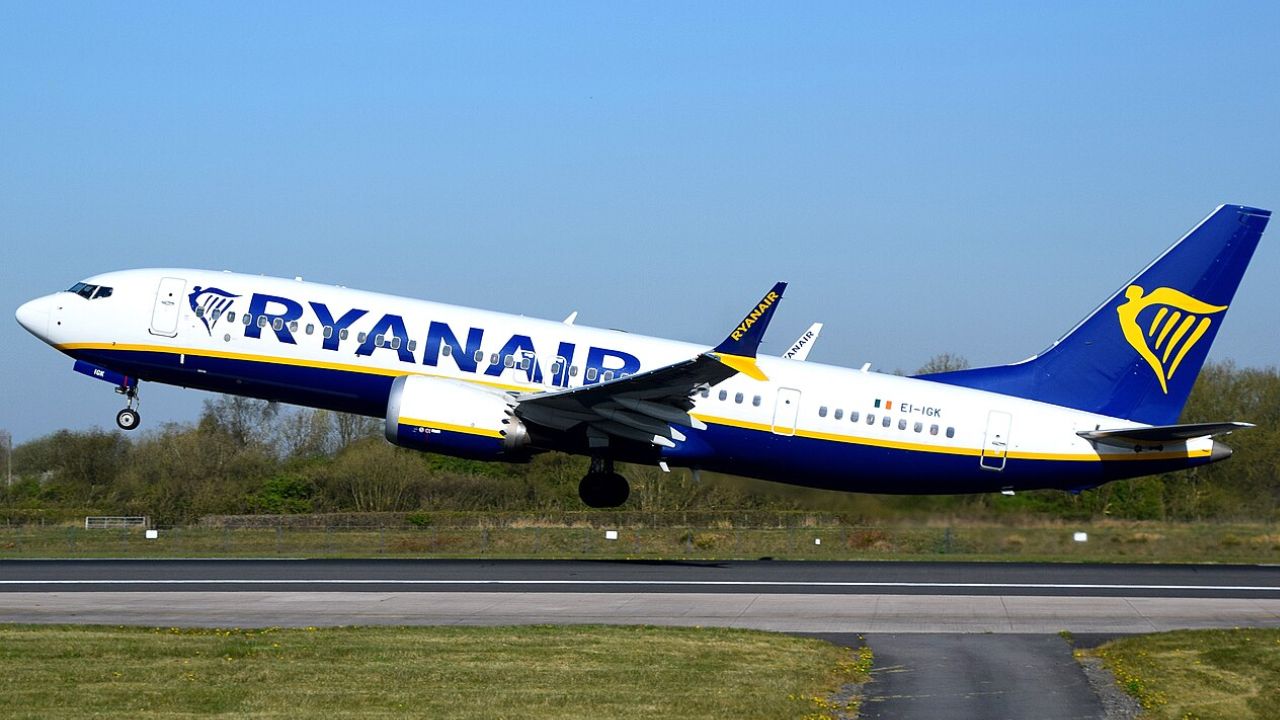
Ryanair relies heavily on the Boeing 737 MAX family to power its extensive low cost network across Europe. The aircraft enables efficient operations on both short hops and selected longer sectors particularly those serving popular leisure destinations. In 2026 the 737 MAX 8-200 variant known as the Gamechanger forms a central part of the airline fleet strategy supporting high density configurations and improved fuel efficiency. This allows Ryanair to maintain competitive fares while expanding reach to more distant markets.
The MAX aircraft provides notable advantages over previous generation 737 models. Enhanced engines aerodynamic improvements and higher seating capacity contribute to lower operating costs per passenger. These characteristics prove especially valuable on Ryanair longer nonstop routes where fuel efficiency and utilization rates directly impact profitability. The airline deploys the type across its network with particular emphasis on seasonal leisure traffic to Mediterranean and Atlantic island destinations.
Ryanair Fleet Standardization Strategy
Ryanair maintains one of Europe most standardized fleets centered on Boeing 737 variants. As of mid 2026 the airline operates hundreds of 737 800 aircraft alongside a growing number of 737 MAX 8-200 jets. The MAX 8-200 configuration accommodates up to 197 passengers making it ideal for high volume routes. Deliveries continue with plans for further expansion including eventual MAX 10 introduction.
This standardization approach delivers multiple operational benefits. Common type ratings simplify crew training while unified maintenance procedures reduce complexity and costs. Spare parts inventories remain manageable across the fleet. The strategy supports rapid aircraft utilization with quick turnarounds essential to the low cost business model. Ryanair fleet includes over 200 MAX 8-200 aircraft with additional units expected throughout 2026.
The MAX family offers improved performance characteristics. Reduced fuel burn quieter operation and extended range capabilities expand route possibilities. For Ryanair these attributes enable viable service to more distant leisure markets without compromising the core focus on cost control and schedule reliability.
Ryanair Longest Nonstop 737 MAX Routes in 2026
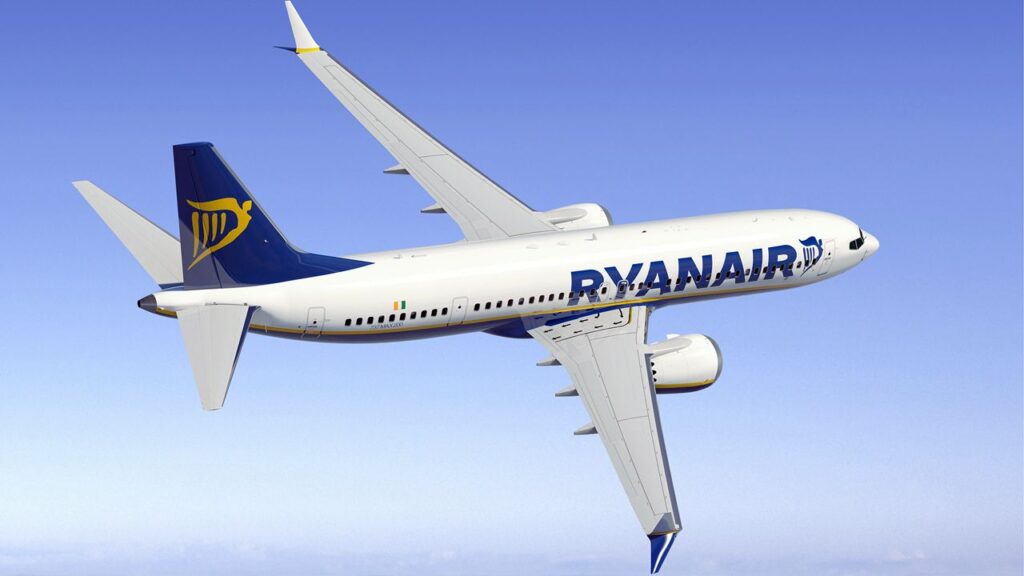
Ryanair network consists primarily of short and medium haul sectors but selected longer routes demonstrate the 737 MAX capabilities. These flights typically connect major European bases with popular vacation destinations particularly in the Canary Islands. Distances on these sectors approach the practical limits for single aisle operations while remaining efficient for the aircraft type.
Krakow to Tenerife South ranks among the longest with approximately 2437 miles. Budapest to Tenerife South follows closely at around 2343 miles. Berlin to Tenerife South operates with higher frequency reflecting strong demand on that corridor. Other notable sectors include Dublin to Paphos and various connections to Gran Canaria and Fuerteventura.
Most of these routes operate seasonally aligning with holiday travel patterns. Frequencies vary based on market demand with some city pairs seeing multiple weekly flights during peak periods. The 737 MAX 8-200 handles these sectors effectively balancing payload range and operational economics. Block times typically fall between four and five hours depending on winds and routing.
The following table presents Ryanair ten longest nonstop city pairs operated with the Boeing 737 MAX in 2026:
| Origin | Destination | Total Flights | Average Distance (miles) |
|---|---|---|---|
| KRK | TFS | 22 | 2437 |
| TFS | KRK | 22 | 2437 |
| BUD | TFS | 22 | 2343 |
| TFS | BUD | 22 | 2343 |
| BER | TFS | 215 | 2281 |
| TFS | BER | 215 | 2281 |
| DUB | PFO | 85 | 2278 |
| PFO | DUB | 85 | 2278 |
| LPA | BER | 67 | 2247 |
| BER | LPA | 67 | 2247 |
Operational Advantages of the 737 MAX 8-200
The 737 MAX 8-200 variant features specific modifications tailored for low cost carriers. Higher density seating maximizes revenue potential per flight while maintaining acceptable comfort levels. Advanced LEAP engines deliver significant fuel savings compared to previous generation powerplants. These efficiencies prove particularly valuable on longer sectors where fuel represents a larger portion of operating costs.
Ryanair configures its MAX aircraft for rapid turnarounds. Simple cabin layouts and optimized boarding procedures support short ground times even after longer flights. This operational discipline maintains high aircraft utilization rates essential to the airline business model. The type also offers improved climb performance and range flexibility for varying load conditions.
Passenger experience on these longer routes remains consistent with Ryanair overall product. Basic economy seating with optional paid enhancements provides choice for those seeking additional comfort. Onboard sales of food and beverages supplement revenue while keeping base fares low. The MAX quieter cabin contributes to improved comfort particularly noticeable on sectors exceeding four hours.
Broader Network Context and Seasonal Patterns
Ryanair schedule emphasizes high frequency on core routes while supplementing with seasonal leisure services. The longest MAX operations align with peak holiday periods when demand supports viable load factors on extended sectors. Canary Islands routes exemplify this approach connecting northern European cities with year round warm weather destinations.
Mediterranean and Atlantic island markets drive much of the longer haul activity. Paphos in Cyprus features prominently with connections from multiple United Kingdom and Irish bases. These routes serve both leisure travelers and diaspora communities maintaining cultural and family ties. The 737 MAX range capabilities make such city pairs economically feasible.
Fleet deployment decisions balance overall network needs with specific route requirements. Newer MAX aircraft often receive priority for longer sectors where their efficiency advantages prove most beneficial. This optimization helps maintain competitive unit costs across the entire operation. Seasonal adjustments allow flexible capacity management responding to demand fluctuations.
Future Fleet Plans and Industry Position
Ryanair continues expanding its MAX fleet with additional deliveries expected. Orders for the larger MAX 10 variant signal long term commitment to Boeing narrowbody products. These future aircraft will offer even greater capacity and efficiency supporting further network development. The airline strategy emphasizes standardization and cost leadership within the European low cost segment.
The 737 MAX family serves numerous global operators demonstrating its versatility across different business models. For Ryanair the type enables continued growth while maintaining its position as Europe largest low cost carrier. Operational data shows strong performance across varying stage lengths and market conditions.
Production developments at Boeing including additional assembly lines support increased output to meet demand. Ryanair benefits from reliable supply of new aircraft as it replaces older 737 800 jets. This transition enhances overall fleet efficiency and environmental performance aligning with industry sustainability goals.
Ryanair longest 737 MAX routes demonstrate the aircraft effectiveness in supporting diverse operational requirements. From high frequency short sectors to seasonal long haul leisure services the MAX family delivers the flexibility and economics essential to the airline success. As Ryanair continues evolving its network these capable aircraft will play an increasingly important role in connecting Europe diverse markets.