Qantas is undertaking one of the most ambitious fleet modernization efforts in commercial aviation history with a planned investment of 128 billion dollars over the coming decade. This comprehensive renewal program touches nearly every part of the airline operations from domestic narrowbody routes to ultra long haul international services. By introducing new aircraft types modernizing existing fleets and optimizing network capabilities Qantas aims to improve efficiency enhance passenger experience and strengthen its competitive position in a rapidly evolving global market.
The program encompasses multiple coordinated projects that address different segments of the airline business. It includes replacing aging narrowbody aircraft expanding long haul capacity and introducing new widebody types to support future growth. The scale of the investment reflects Qantas confidence in sustained demand for air travel to and from Australia while acknowledging the need to reduce operating costs and environmental impact. As new aircraft begin arriving the airline is positioning itself for a more efficient and customer focused future that will define its operations through the 2030s and beyond.
Project Winton Modernizing The Narrowbody Fleet
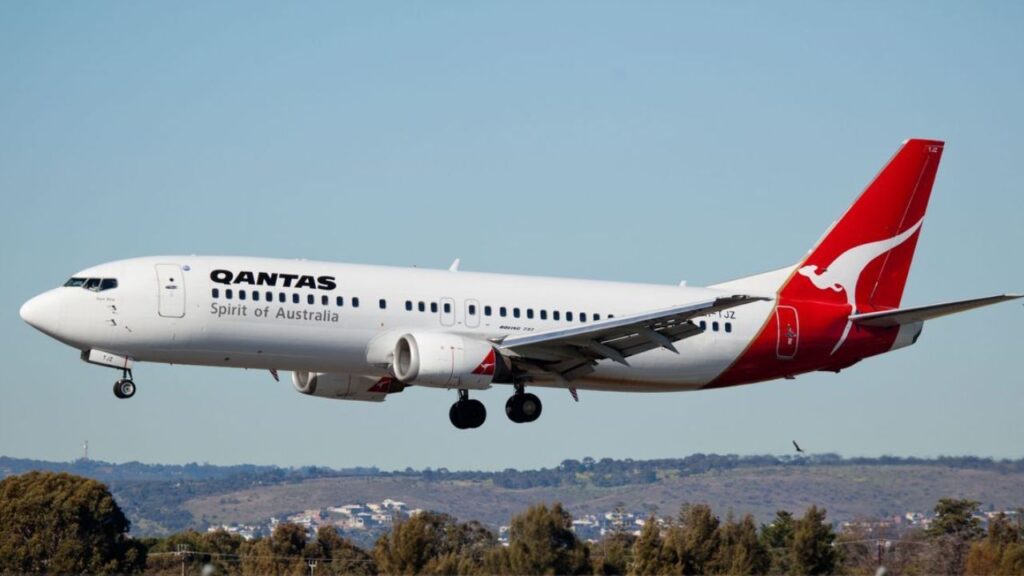
Project Winton focuses on renewing Qantas narrowbody and regional operations. The airline has ordered 48 Airbus A321XLR aircraft and 29 Airbus A220-300s to replace its existing Boeing 737-800 and Boeing 717 fleets. The A321XLR entered service in September 2025 making Qantas the first airline in the Asia Pacific region to operate the type. These aircraft offer significantly improved range and efficiency compared to the models they replace.
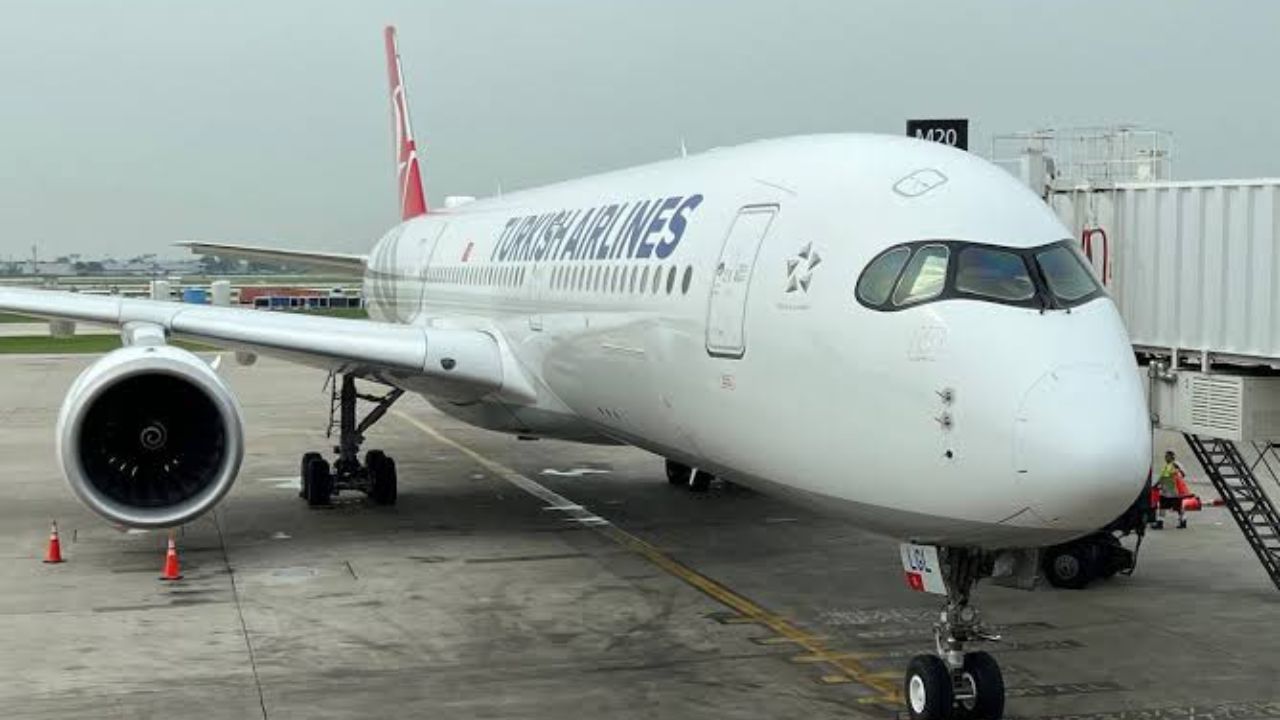
The A321XLR measures approximately 146 feet in length and can accommodate up to 200 passengers in initial configurations. Its range of 4700 nautical miles opens new nonstop domestic routes and short international sectors that previously required technical stops. Early operations have focused on high demand routes such as Sydney to Melbourne and Sydney to Perth with further expansion planned as additional aircraft arrive. From 2028 a portion of the fleet will feature lie flat business class seats enabling premium service on transcontinental and short haul international routes.
The A220-300 addresses thinner regional routes through QantasLink. With 29 aircraft on order these jets replace older turboprops and narrowbodies on lower density sectors. Each A220 replacement is projected to generate around 9 million dollars in annual earnings improvement through better fuel efficiency and new route opportunities. When scaled across the fleet the A220 program contributes substantially to the overall financial case for the renewal effort.
This narrowbody modernization allows Qantas to reduce operating costs while expanding its domestic and short haul network. The new aircraft provide greater reliability improved passenger comfort and lower environmental impact aligning with the airline broader sustainability goals.
Project Sunrise Enabling Nonstop Ultra Long Haul Flights
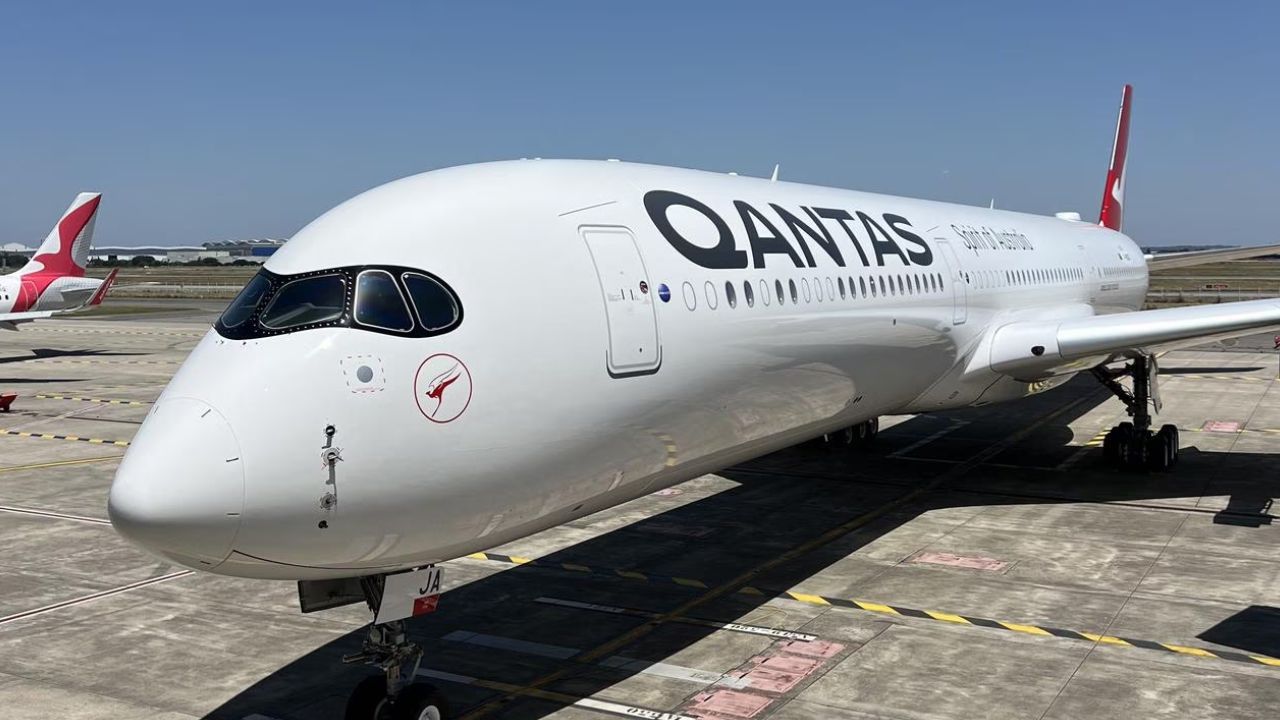
Project Sunrise represents the most technically ambitious element of the renewal program. Qantas has ordered 12 Airbus A350-1000ULR aircraft configured with additional fuel capacity to operate nonstop flights from Australia east coast cities to London and New York. These routes will last approximately 20 hours making them among the longest scheduled commercial services in the world.
The A350-1000ULR features a modified fuel system including an additional 5283 gallon rear center tank. This gives the aircraft the endurance needed for these ultra long sectors. The first aircraft manufacturer serial number 707 completed its maiden flight in Toulouse and is now in the paint shop receiving Qantas livery. Flight testing is scheduled to resume shortly with first delivery expected in April 2027.
The cabin design for Project Sunrise emphasizes passenger well being on extended flights. Developed in partnership with the University of Sydney Charles Perkins Centre the layout includes a dedicated wellbeing zone for movement and relaxation. More than 40 percent of the cabin is dedicated to premium seating with first class suites business class flatbeds premium economy and economy sections optimized for long duration comfort.
Qantas projects that a fully operational Project Sunrise network will add approximately 400 million dollars per year to underlying earnings. The ability to connect Australia directly with major global cities without intermediate stops represents a significant competitive advantage. It reduces travel time eliminates layovers and creates new possibilities for business and leisure travel.
Project Fysh Replacing The Widebody Fleet
Project Fysh named after Qantas co-founder Sir Hudson Fysh addresses the airline international widebody requirements. Announced in August 2023 the project includes 12 Airbus A350-1000s and 12 Boeing 787-10s arriving from fiscal year 2028. These aircraft will replace the aging Airbus A330 fleet whose average age will reach approximately 21 years when the first replacements enter service.
The A350-1000 at 236 feet 9 inches long offers significantly more premium cabin space and range than the A330. The 787-10 at 224 feet long provides a higher capacity complement to the A350 on routes that do not require the full capabilities of the larger aircraft. Both types will be powered by General Electric GEnx engines creating commonality with Qantas existing 787-9 fleet.
This project also considers the future of the Airbus A380 fleet. Qantas currently operates nine A380-800s with the oldest approaching 17 years in service. The airline has flexibility to replace these aircraft with A350s from around fiscal year 2032. Qantas is evaluating an additional order for up to 20 widebodies that could accelerate this retirement timeline. The decision expected within months will shape the airline international network for the 2030s.
Financial And Operational Challenges Of The Renewal Program
The scale of Qantas fleet renewal requires substantial capital investment. The airline reported 1.456 billion dollars in underlying profit before tax for the first half of fiscal year 2026 a 5 percent increase year over year. Capital expenditure reached 1.8 billion dollars in that period roughly matching operating cash flow. Full year fiscal 2026 capital expenditure is projected between 4.1 and 4.3 billion dollars rising to 5.1 to 5.4 billion dollars in fiscal 2027 as delivery rates accelerate.
Fuel efficiency gains from new aircraft are central to the financial case. The A321XLR A220 A350 and 787-10 all burn 20 to 30 percent less fuel per seat than the types they replace. These improvements are expected to generate 150 to 200 million dollars in additional annual earnings by 2027. Qantas has committed to a 2 percent sustainable aviation fuel blend by 2026 and secured access to up to 500 million liters annually from 2028 supporting both cost control and environmental targets.
Delivery timelines present the main operational risk. The first A350-1000ULR delivery has slipped four months to April 2027 due to supply chain pressures. While subsequent aircraft are expected to follow closely Qantas needs at least three airframes to launch sustainable nonstop routes. The airline continues pilot training and route planning to minimize the impact of these delays.
How The Renewal Program Will Reshape Qantas Future
By the end of the decade Qantas expects to operate a modern fleet including A220s A321XLRs A350-1000ULRs A350-1000s 787-10s and 787-9s. This diversification will allow the airline to serve a wider range of routes more efficiently while retiring older aircraft types. The changes will influence everything from network planning to customer experience and environmental performance.
Project Sunrise alone will enable nonstop connections that bypass traditional hubs creating new travel possibilities. Domestic and short haul routes will benefit from the efficiency and comfort of the A321XLR and A220. International widebody operations will gain flexibility and capacity from the A350 and 787-10 combination.
The program positions Qantas for long term growth in a competitive global market. Lower operating costs improved reliability and enhanced passenger comfort should strengthen the airline brand and financial performance. As new aircraft enter service Qantas will continue refining its network to maximize the advantages of its modern fleet.
The 128 billion dollar investment represents a bold commitment to the future of Australian aviation. While challenges remain particularly around delivery timelines and integration the program lays the foundation for a more efficient competitive and sustainable airline. For passengers the changes promise better connections improved comfort and more options for travel to and from Australia. For the airline itself the renewal effort marks a transformative period that will define its strategy for decades to come.