Private jet travel between San Francisco and New York remains one of the most popular transcontinental routes in the United States. The 2578 mile journey connects the technology hub of the Bay Area with the financial capital of the East Coast, making it a frequent choice for executives, high net worth individuals, and corporate teams who value time above all else. In 2026, the cost of chartering a private jet on this route varies significantly depending on the aircraft type, flight conditions, and additional services required. While online brokers often advertise attractive hourly rates, the final invoice includes multiple layers of operational expenses that can push the total well beyond initial estimates. Understanding these costs helps travelers make informed decisions and avoid unexpected charges.
The baseline for a nonstop flight from the San Francisco Bay Area to a New York area airport typically starts around 32000 dollars for a super midsize jet and can exceed 100000 dollars for a large cabin aircraft with premium amenities. These figures represent one way charters and assume standard conditions. Actual pricing depends on factors such as aircraft positioning, fuel prices, airport fees, and seasonal demand. For businesses and frequent flyers, these costs are often justified by the productivity gains and convenience of avoiding commercial terminals, but they require careful budgeting.
Major Variance In Prices Across Aircraft Categories
Private jet charter pricing for the San Francisco to New York route breaks down into two primary categories: super midsize and heavy cabin aircraft. Super midsize jets like the Bombardier Challenger 350, Cessna Citation Longitude, and Embraer Praetor 600 offer efficient performance for this distance. They typically seat between eight and nine passengers with stand up cabins and sufficient range for nonstop operations under normal conditions. Hourly rates for these aircraft generally range from 7200 dollars to 9000 dollars when occupied.
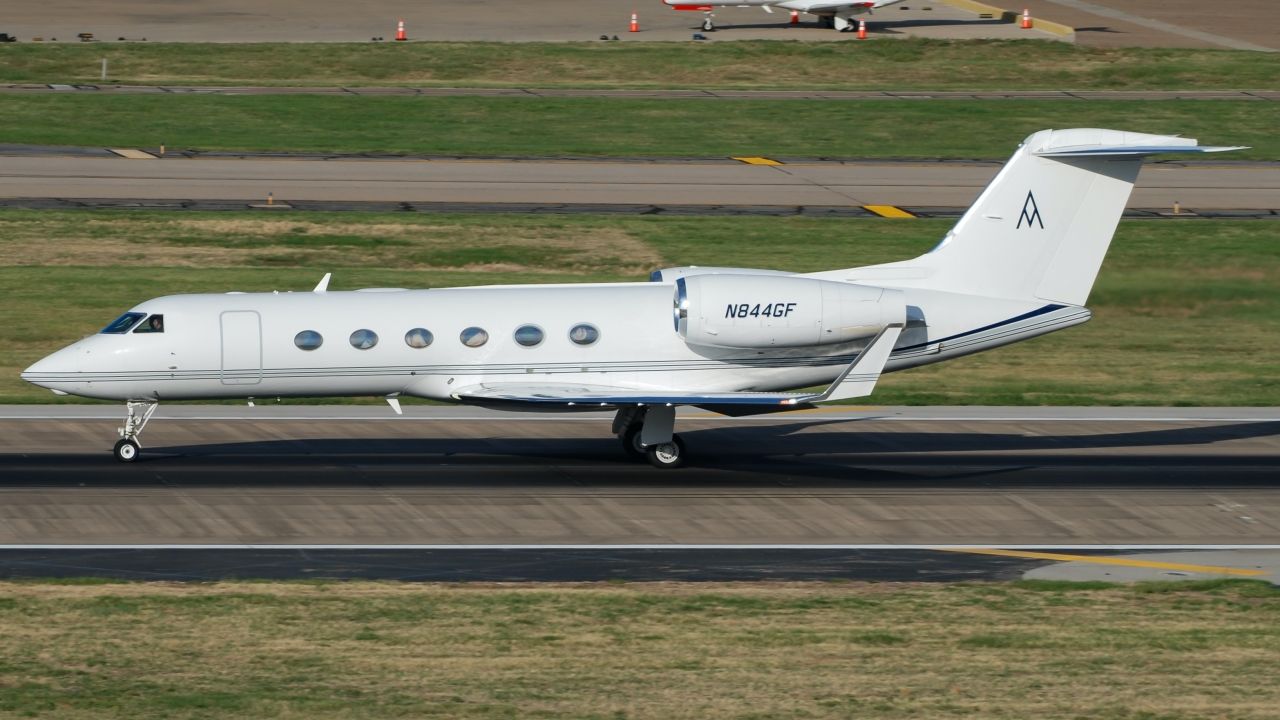
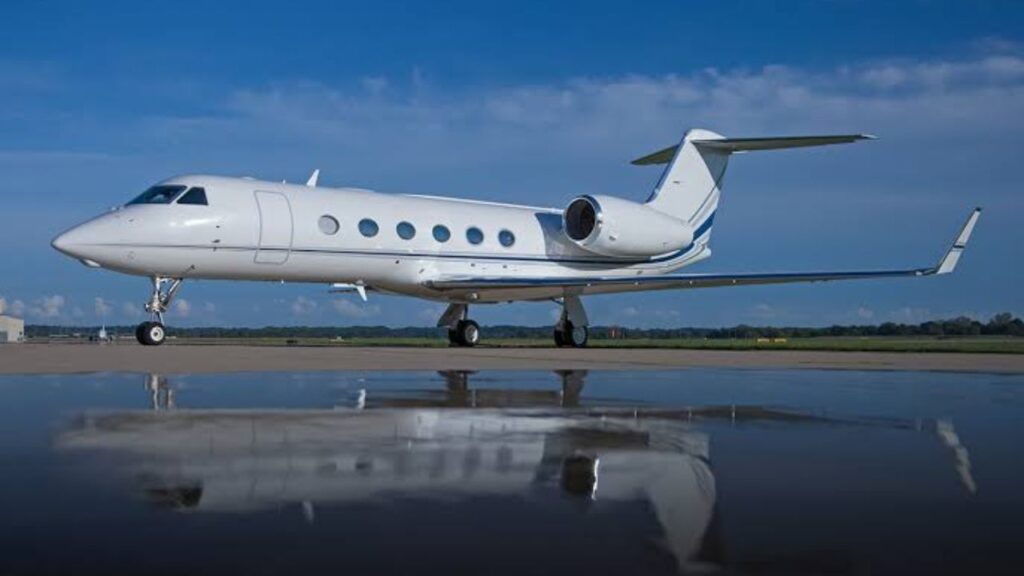
Heavy jets such as the Gulfstream G450, Bombardier Global 5000, or Dassault Falcon 2000 provide more spacious interiors, larger baggage capacity, and greater comfort for longer flights. These aircraft can accommodate ten to twelve passengers comfortably and often include full galley services and a dedicated flight attendant. Hourly rates for heavy jets start at 9500 dollars and can reach 13500 dollars or more depending on the specific model and operator. The choice between categories often depends on group size, luggage requirements, and the importance of onboard amenities during the five to six hour flight.
The table below shows typical occupied hourly rates and passenger capacity for popular aircraft on this route.
| Aircraft Category | Example Models | Hourly Rate Range | Typical Passenger Capacity |
|---|---|---|---|
| Super Midsize | Challenger 350, Citation Longitude | 7200 to 9000 dollars | 8 to 9 |
| Heavy Jet | Gulfstream G450, Global 5000 | 9500 to 13500 dollars | 10 to 12 |
These rates form the foundation of the charter quote but do not include additional fees that can add 20 to 40 percent to the total cost.
Factors That Influence The Final Charter Cost
Several operational elements determine the actual price of a private jet charter from San Francisco to New York. Aircraft positioning, often called a deadhead leg, occurs when the chosen jet must fly empty from its home base to the departure airport. If the aircraft is already in the Bay Area, this cost is minimal. However, if it needs to fly from another region, the client typically covers the positioning flight at a reduced rate. This single factor can add thousands of dollars to the invoice.
Fuel prices and weather patterns also play major roles. The jet stream, which flows strongly from west to east, provides a significant tailwind on eastbound flights, often shortening the journey to under five hours. Westbound flights face headwinds that can extend the trip beyond six hours and increase fuel consumption. During winter months, these winds are particularly strong, sometimes requiring operators to select larger aircraft with greater fuel reserves to ensure nonstop capability.
Airport fees represent another significant expense. Operating from busy hubs like San Francisco International Airport incurs higher ramp and landing charges compared to reliever airports such as Oakland or San Jose. Similar dynamics apply on the East Coast where Teterboro, White Plains, or Morristown can offer cost savings over major New York airports. De icing during cold weather periods can add 3000 to 6000 dollars per application depending on the aircraft size and conditions.
Federal taxes add another layer. Domestic charters are subject to a 7.5 percent Federal Excise Tax plus segment fees. These mandatory charges are calculated on the base rate and can increase the total by several thousand dollars on a transcontinental flight.
How To Reduce Costs On This Route
Experienced charter clients often use empty leg flights to significantly lower costs. These occur when an aircraft needs to reposition empty after dropping off passengers. Operators sell these legs at discounts of 30 to 50 percent to offset their expenses. On the high volume San Francisco to New York corridor, empty legs appear regularly, though availability requires flexibility in scheduling. Booking well in advance and working with reputable brokers increases the chances of securing these discounted flights.
Choosing secondary airports can also yield savings. Departing from Oakland or San Jose instead of San Francisco International often reduces ground handling fees and avoids congestion delays. On the arrival side, utilizing Westchester County Airport or Morristown Municipal can bypass the heavy traffic at Teterboro or the major New York airports. These choices can save 5000 to 10000 dollars or more depending on the aircraft and timing.
Another strategy involves timing the trip to avoid peak demand periods. Major holidays, corporate events, and seasonal travel surges drive up rates and reduce availability. Traveling midweek or during shoulder seasons typically results in more competitive pricing and greater aircraft options.
The Role Of Aircraft Management And Fractional Programs
For frequent travelers, aircraft management or fractional ownership programs can provide cost predictability. These arrangements allow individuals or companies to purchase shares in a jet or place their own aircraft under management. While the upfront investment is substantial, the effective hourly cost over time can be lower than ad hoc charters, especially for multiple trips per year.
Fractional programs from providers like NetJets or Flexjet offer access to large fleets with guaranteed availability. These programs often include crew, maintenance, and administrative support, simplifying the ownership experience. For companies with regular transcontinental needs, such programs can deliver better value than repeated charter bookings.
Safety And Operator Selection Considerations
Cost should never override safety when selecting a charter operator. Reputable brokers work with operators who maintain strong safety records and hold appropriate certifications. The Air Charter Safety Foundation and ARGUS ratings provide valuable information about operator standards. Travelers should verify that the chosen operator meets or exceeds industry safety benchmarks and carries adequate insurance coverage.
Professional brokers can help navigate the complexities of aircraft selection, routing, and additional services. They often have access to real time availability and can negotiate better rates based on volume relationships with operators. Working with an experienced broker reduces the risk of unexpected issues and ensures a smoother overall experience.
The cost of chartering a private jet from San Francisco to New York in 2026 reflects the premium placed on time, privacy, and convenience. While base rates provide a starting point, understanding the full range of expenses helps travelers budget accurately and select the right aircraft for their needs. For those who value efficiency and comfort on this transcontinental route, private aviation continues to offer a compelling alternative to commercial travel despite the higher price tag. As the market evolves and more options become available, informed decision making will remain essential for maximizing value on these premium journeys.