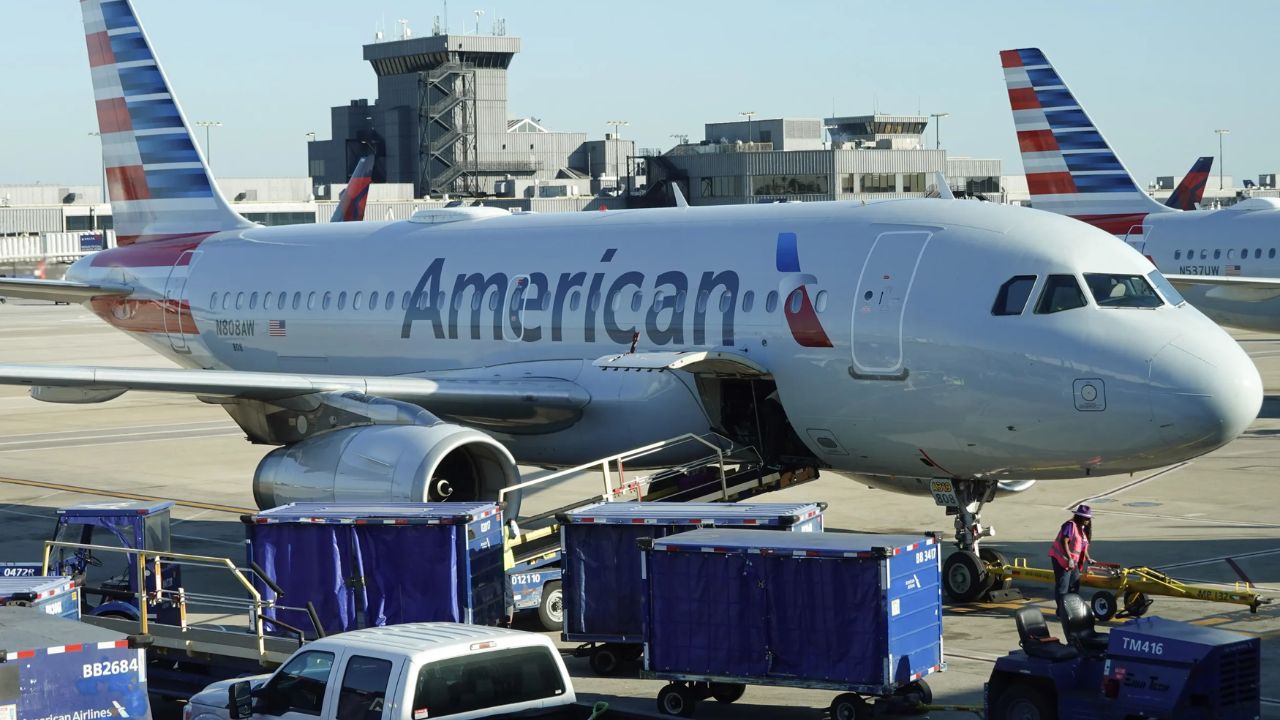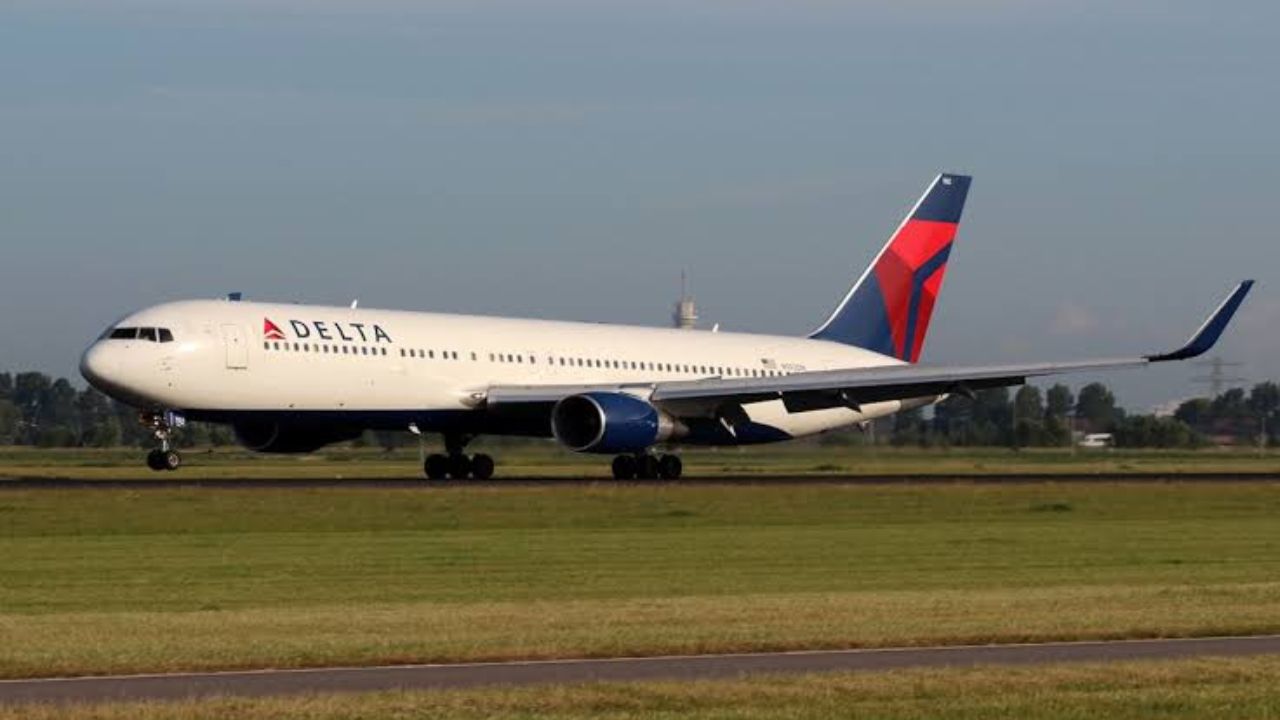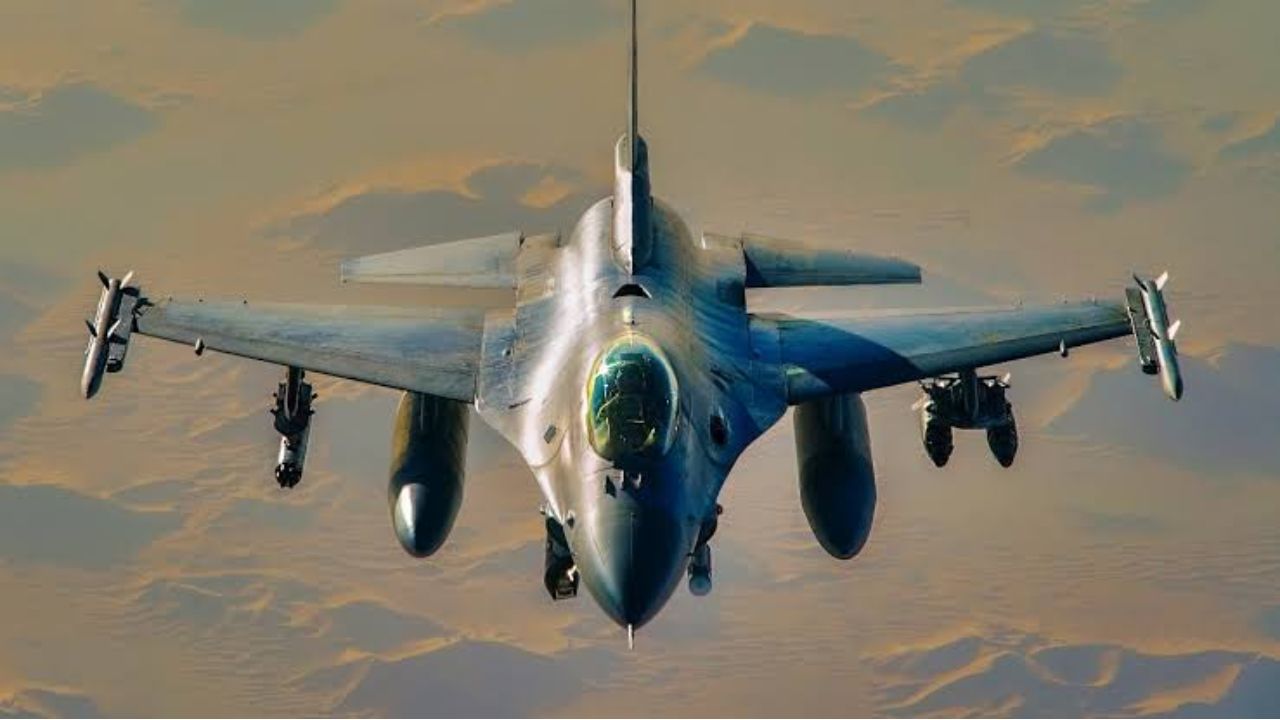
A growing number of countries are phasing out Soviet era and Russian made fighter jets from their air forces. This transition reflects a combination of geopolitical pressures, maintenance challenges, and the availability of modern alternatives. The trend has intensified since the early 2010s, driven by international sanctions and evolving security needs.
Russia’s traditional customer base for advanced combat aircraft has narrowed considerably. Nations once reliant on Moscow for affordable and politically aligned equipment now seek diversified suppliers to ensure long term operational reliability and interoperability with Western partners.
Historical Waves of Departure from Russian Aircraft
The decline in Russian fighter jet adoption began after the Soviet Union’s collapse in 1991. The end of generous state sponsored deals left allies like Cuba and North Korea unable to acquire new jets. Cuba once boasted the largest air force in Latin America, yet by mid 2026, its legacy Soviet aircraft are largely non operational.
Eastern European nations retained Soviet era fighters initially but avoided new purchases. As these aircraft age, replacements come primarily from Western sources. The rise of China’s indigenous fighter industry further reduced demand, with Beijing completing its last Su 35 deliveries in 2019 before focusing on domestic designs.
A second wave emerged after Russia’s 2014 annexation of Crimea. Subsequent Western sanctions and the 2017 US Countering America’s Adversaries Through Sanctions Act, known as CAATSA, accelerated the shift. The full scale invasion of Ukraine in 2022 triggered even stricter measures, complicating spare parts availability and new acquisitions.
Impact of CAATSA and Broader Sanctions
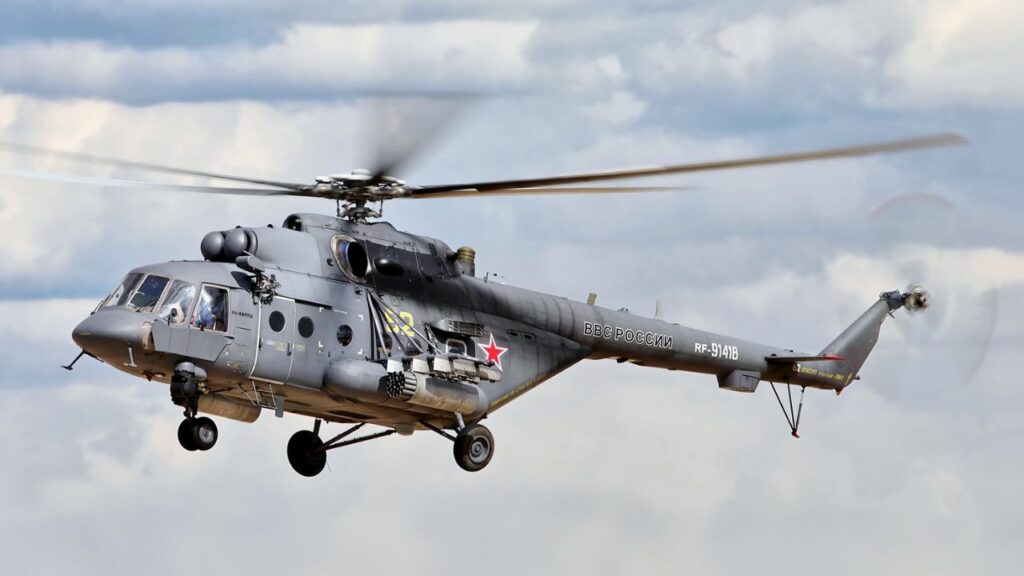
CAATSA targets countries engaging in significant transactions with Russia’s defense sector, particularly for fighter jets, helicopters, and advanced systems like the S 400. The legislation has prompted cancellations and deterred potential buyers, though enforcement includes case by case exemptions.
Notable examples include Indonesia canceling an order for 11 Su 35 jets in 2019 and Egypt walking away from a similar deal for around 20 aircraft. The Philippines also scrapped plans for Mi 171 helicopters. These decisions highlight how the threat of secondary sanctions influences procurement even for nations seeking supplier diversity.
Sanctions have extended beyond purchases to maintenance. Nations with existing Russian fleets face difficulties sourcing parts and conducting overhauls. This operational strain hastens phase outs as aircraft become unsustainable.
Maintenance Challenges and Real World Examples
Sanctions have created logistical nightmares for operators. Colombia provides a clear case with its fleet of approximately 20 Mi 17 helicopters acquired between 1996 and 2009. These aircraft support critical counterinsurgency and logistics missions but reached service life limits requiring major overhauls.
Post 2022 sanctions prevented payments to Russian contractors. Attempts to arrange local maintenance raised concerns about secondary penalties. A US offer to purchase the fleet for transfer to Ukraine was declined. Domestic and third party efforts, including contracts with US firms under Russian oversight, have faced delays, corruption issues, and slow progress. By June 2026, Colombia achieved its first domestic service life extension on one Mi 17, yet the fleet’s readiness remains limited. Plans for new helicopter acquisitions likely exclude Russian types.
Similar issues affect fighter jets. Ground attack Su 25 aircraft, for instance, depend on specialized facilities now inaccessible due to sanctions and conflict disruptions. Maintenance alternatives in places like Belarus or Ukraine have become unviable.
Countries Transitioning and Their Replacements
Several nations have outlined clear timelines for retiring Russian aircraft. The following table highlights select examples based on recent developments.
| Country | Legacy Russian Aircraft | Replacements | Phase Out Timeline |
|---|---|---|---|
| Poland | Su 22, MiG 29 | F 35, other NATO types | Around 2026 |
| Slovakia | MiG 29 | F 16 | 2024 |
| Bulgaria | MiG 29, Su 25 | F 16 | 2027 |
| Croatia | MiG 21 | Rafale | 2025 |
| Romania | MiG 21 | F 16, F 35 | 2023 |
| Peru | Su 25, MiG 29 | F 16 or Gripen | Before 2030 |
| India | MiG 21 (phased out) | Tejas, Rafale, Su 30MKI variants | 2025 |
These transitions prioritize NATO interoperability, modern capabilities, and reliable supply chains. Eastern European countries, facing heightened security concerns, accelerate modernization with US and European support.
Emergence of Competitive Alternatives
The global fighter market offers viable options beyond Russia. France’s Rafale has secured orders from nations like India, Egypt, and Serbia as a high end multirole platform. Sweden’s Gripen appeals for its cost effectiveness and ease of operation in diverse environments.
Pakistan’s JF 17, a Sino Pakistani collaboration, provides an affordable low end alternative to legacy MiG 29s. South Korea’s KF 21 and Turkey’s upcoming Kaan promise additional competition. The United States offers F 16 and F 35 platforms, often with financing incentives and training packages.
Political considerations influence choices. In Latin America, ideological leanings sometimes favor European or neutral options over direct US purchases, yet sanctions effectively close the Russian path. Generous financing and strategic partnerships further tilt decisions toward Western suppliers.
Performance Concerns and Loss of Confidence
Russia’s military performance in Ukraine has eroded confidence in its equipment. Despite numerical advantages, Russian forces have struggled to achieve air superiority. This raises questions about the real world effectiveness of exported systems against modern threats.
Long term support risks compound these doubts. Fighter jet acquisitions represent decades long commitments involving upgrades and maintenance. Sanctions since 2014 and 2022 have undermined trust in Russia’s reliability as a partner. Even traditional customers like India now prioritize diversification to mitigate dependencies.
Remaining Customers and Limited Market
Russia retains a small group of buyers, often driven by geopolitical alignment rather than pure operational merits. Algeria, Iran, Myanmar, Belarus, and Kazakhstan represent the core remaining market. However, even these relationships face strains, with reports of Algeria exploring Chinese options.
Export backlogs illustrate the contraction. Data from sources like SIPRI indicate Russia may not rank among the top five global combat aircraft exporters in 2026. In contrast, the United States leads with hundreds of aircraft on order, followed by France, China, and others.
Broader Strategic Implications
The shift away from Russian jets strengthens Western defense industries while isolating Moscow’s military industrial base. Sanctions have disrupted component supplies, forcing Russia to prioritize domestic needs over exports. This dynamic limits revenue and technological advancement for Russian manufacturers.
For adopting nations, the transition enhances capabilities through access to advanced sensors, weapons integration, and joint training opportunities. It also aligns air forces with broader alliance structures, improving collective security. Challenges remain, including high costs of new platforms and the need for extensive pilot retraining. Yet the long term benefits of reliability and performance outweigh the short term hurdles for most operators.
As more countries complete their phase outs, the global fighter landscape continues to evolve. Russian designs, once dominant in many regions, now represent a diminishing share. Nations prioritize partnerships that offer sustained support amid uncertain geopolitical environments.
This realignment underscores the interplay between military procurement, international law, and strategic autonomy. For Russia, reversing the trend would require resolving conflicts, lifting sanctions, and restoring confidence in its defense offerings. Until then, the exodus from Russian fighter jets appears set to continue.