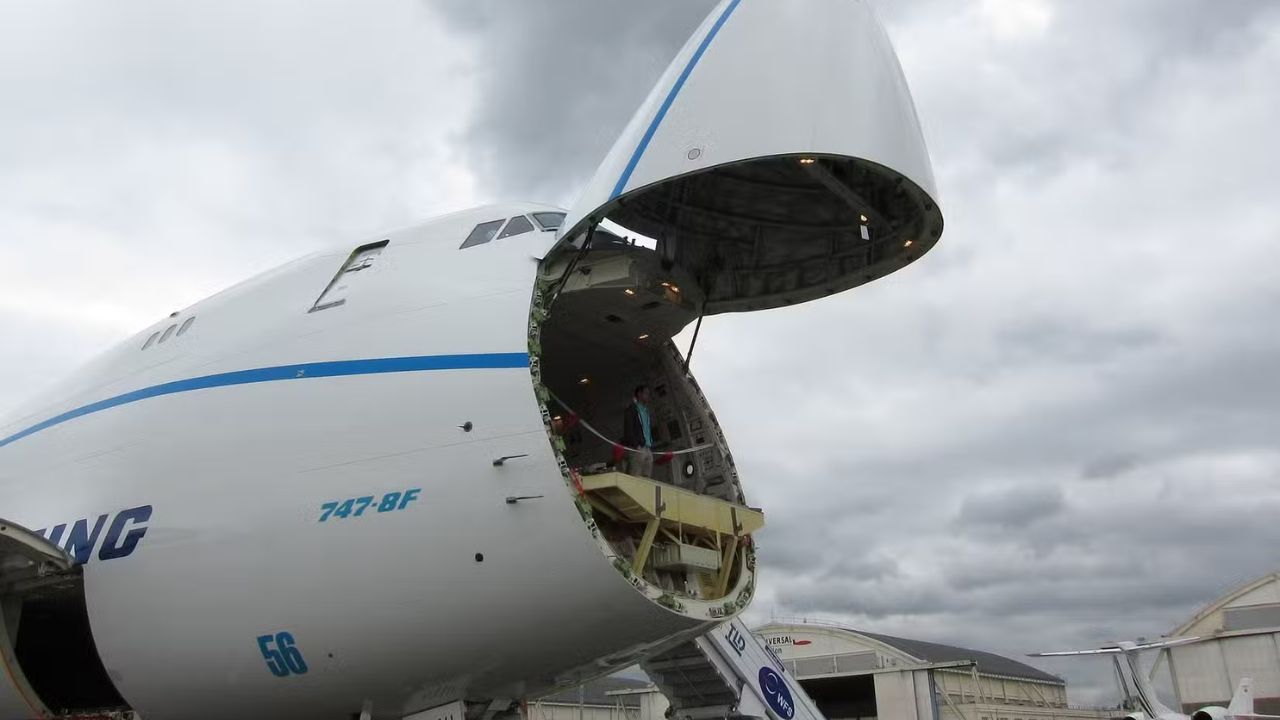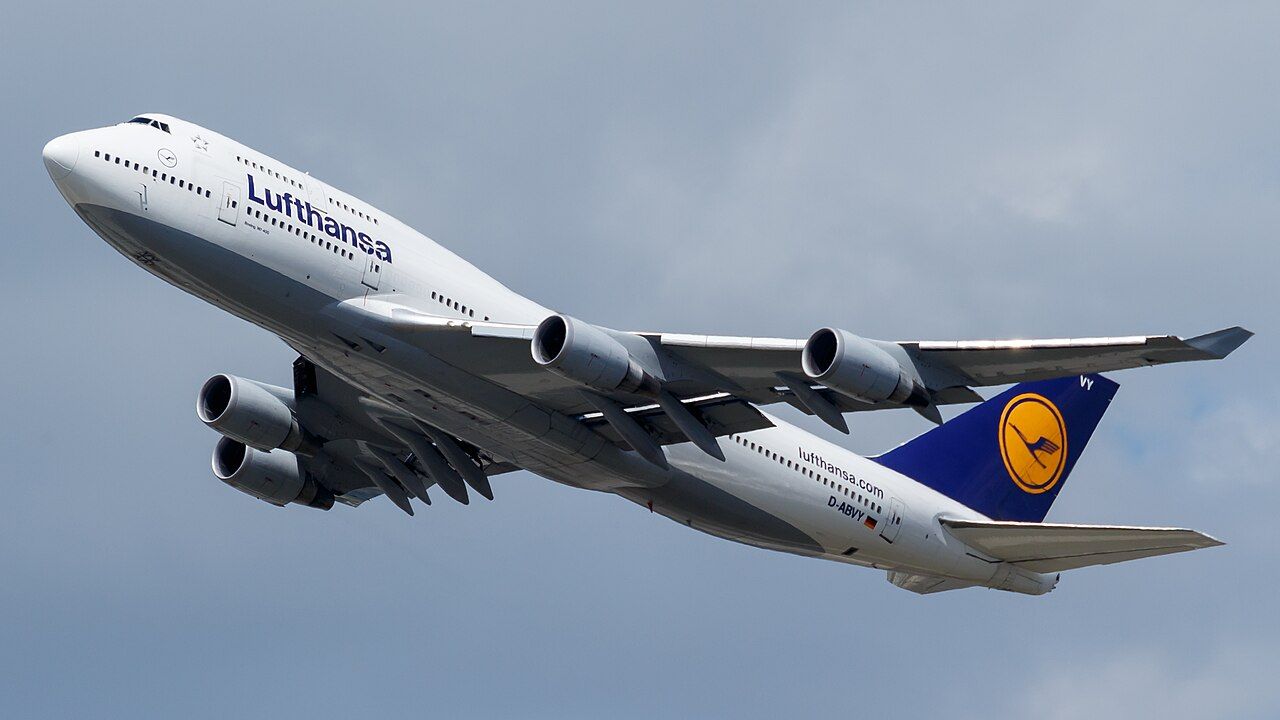
Two Lufthansa Boeing 747-8 aircraft encountered unexpected returns shortly after departure from Frankfurt Airport last weekend. The incidents occurred within a 24 hour period involving flights bound for the United States east coast. Both jumbo jets performed overweight landings due to in flight emergencies forcing quick decisions by the crews. These events highlight the operational challenges faced by long haul widebody aircraft when facing time critical situations.
The Boeing 747-8 serves as a flagship in Lufthansa long haul fleet. These modern quadjets provide high capacity and efficiency on transatlantic routes. However the sequence of events last weekend disrupted schedules and required significant maintenance efforts following the heavy landings.
Sequence of Events for the Two Affected Flights
On Friday June 26 flight LH418 departed Frankfurt bound for Washington Dulles International Airport. A medical emergency involving an infant passenger occurred shortly after takeoff. The crew elected to divert to Cologne Bonn Airport rather than continue or attempt fuel dumping. The aircraft landed overweight to prioritize the passenger medical needs.
Passengers later reported that the infant appeared stable after landing. The decision avoided delays associated with fuel jettison procedures which could have taken 20 to 30 minutes. This choice aligned with standard protocols emphasizing human safety in urgent medical situations.
The following day on Saturday June 27 flight LH402 headed for Newark Liberty International Airport. Approximately 20 minutes after departure the crew detected a burning brake smell in the cabin. Concerns over potential fire risks prompted an immediate return to Frankfurt. The aircraft also performed an overweight landing without fuel dumping.
Fire trucks surrounded the aircraft upon arrival as a precaution due to overheated brakes. Videos shared by aviation enthusiasts captured the scene including emergency response activities. Both flights resulted in cancellations as the aircraft required thorough inspections and component replacements.
Understanding Overweight Landings in Aviation
Modern widebody aircraft like the Boeing 747-8 incorporate design features that allow safe overweight landings in emergencies. The landing gear and brake systems can absorb higher kinetic energy although this accelerates wear on consumable parts. Carbon brakes tires and potentially brake lines often require replacement afterward.
Fuel dumping systems exist to reduce aircraft weight before landing. However the process requires specific altitudes and airspace to ensure safety and environmental considerations. In time sensitive emergencies such as medical events or fire risks crews may opt against dumping to minimize delays. This decision trades potential structural stress for immediate action.
Both Lufthansa incidents involved valid safety rationales. Medical emergencies demand rapid response while suspected brake issues raise fire concerns. Aviation regulations grant captains broad authority in such scenarios prioritizing lives and aircraft integrity above schedule adherence.
The following table summarizes the two flights involved:
| Flight Number | Date | Destination | Diversion Airport | Primary Reason |
|---|---|---|---|---|
| LH418 | June 26 | Washington Dulles | Cologne Bonn | Medical emergency infant passenger |
| LH402 | June 27 | Newark Liberty | Frankfurt | Burning brake smell |
Lufthansa Fleet Context and Capacity Pressures
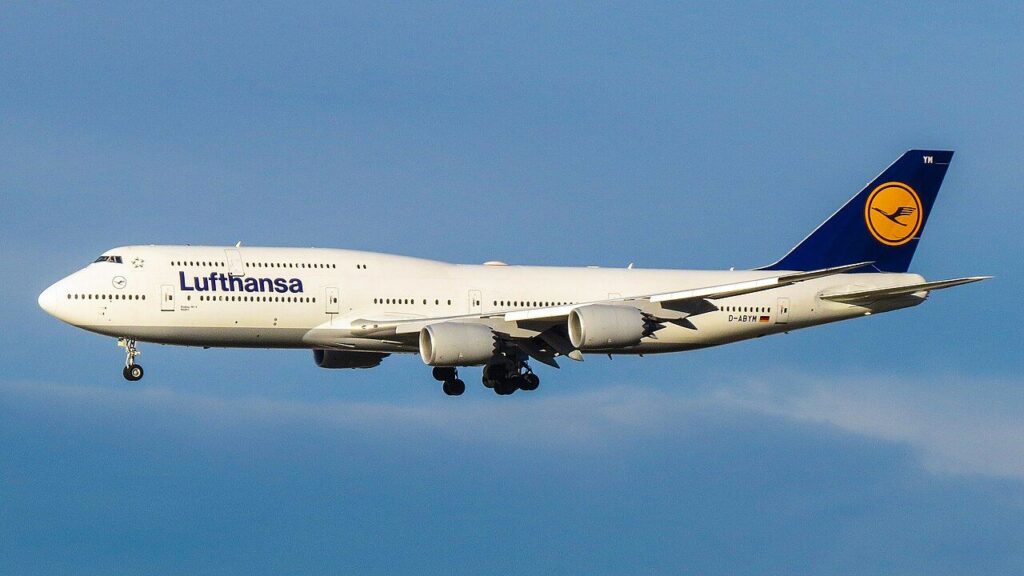
Lufthansa operates a significant number of Boeing 747-8 aircraft as part of its long haul strategy. These jets remain crucial while the airline phases out older four engine models like the Airbus A340-600 and Boeing 747-400. The 747-8 offers modern efficiency and high capacity particularly suited for premium heavy transatlantic routes.
Recent capacity constraints have led Lufthansa to reactivate some Airbus A380 aircraft. Delivery delays for the Boeing 777X further extend reliance on the 747-8 fleet into the 2030s. Maintaining high utilization of these aircraft proves essential for network performance and revenue generation.
Incidents requiring extended maintenance create short term challenges. Overweight landings typically involve brake and tire replacements which take several days. In a tight capacity environment such disruptions cascade into subsequent flight cancellations affecting passenger itineraries.
Technical Aspects of the Boeing 747-8
The Boeing 747-8 represents the latest evolution of the iconic jumbo jet. It features advanced engines improved aerodynamics and enhanced systems compared to earlier 747 variants. These improvements support better fuel efficiency and reduced emissions while maintaining the type legendary payload and range capabilities.
Landing gear and brake systems on the 747-8 undergo rigorous certification for emergency scenarios. Overweight landings fall within demonstrated parameters although they trigger mandatory inspections. Post incident maintenance focuses on checking for hidden damage to structural components beyond visible brake and tire wear.
Lufthansa maintenance teams follow detailed protocols for these events. The process ensures aircraft return to service in full airworthy condition. Such events while disruptive remain manageable within established aviation safety frameworks.
Broader Implications for Airline Operations
Consecutive incidents involving the same aircraft type draw attention but occur within normal operational variability. Long haul flights face multiple potential disruptions from mechanical issues to passenger medical events. Airlines maintain contingency plans including diversion airports and spare aircraft where feasible.
Passenger safety remains the paramount concern. In both Lufthansa cases crews acted decisively to address emerging situations. The medical emergency resolution with a positive outcome for the infant passenger demonstrates effective decision making under pressure.
Aviation authorities review such events as part of ongoing safety oversight. Data from these occurrences contributes to industry wide improvements in procedures and equipment design. The Boeing 747-8 proven track record suggests these incidents represent isolated operational challenges rather than systemic flaws.
Lufthansa continues to manage its fleet modernization amid supply chain and manufacturing delays affecting newer aircraft programs. The 747-8 fleet will shoulder significant responsibilities in the coming years. Reliable performance and quick recovery from disruptions will prove vital for maintaining service quality on key international routes.
These events serve as reminders of the complexities inherent in commercial aviation. From fuel management decisions to emergency medical responses flight crews balance multiple factors in real time. The aviation industry commitment to continuous improvement helps ensure such incidents remain rare and well managed.