The Boeing KC-135 Stratotanker continues to play a vital role in United States Air Force operations despite its advanced age. This aircraft first entered service in the late 1950s and now supports the newest stealth bomber in the inventory. The B-21 Raider relies on these veteran tankers for aerial refueling during testing and will depend on them well into the 2040s. This combination of Cold War era technology with cutting edge stealth platforms illustrates the enduring value of proven airframes in modern warfare.
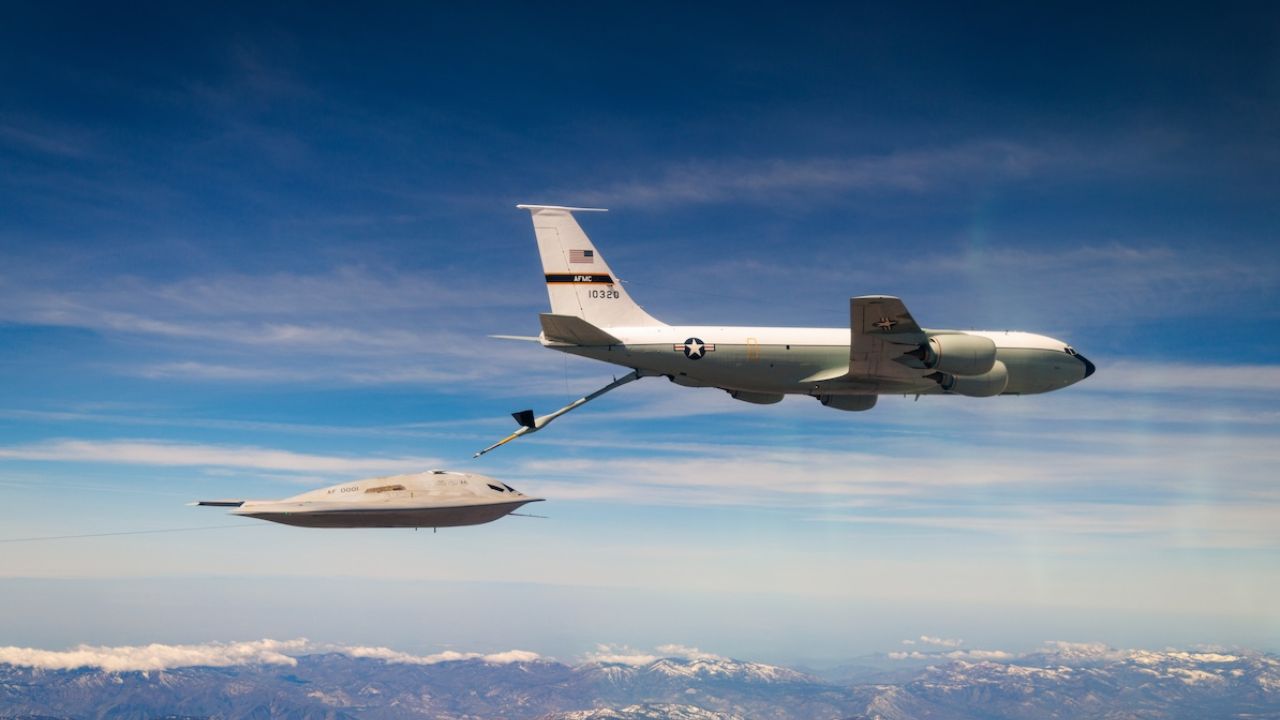
The KC-135 fleet provides essential flexibility for long range missions. Its compatibility with the B-21 ensures that the Air Force can project power globally while newer tanker programs mature. Recent images released by the Air Force show the B-21 connected to a KC-135 boom highlighting successful integration during test campaigns.
The Storied History of the KC-135 Stratotanker
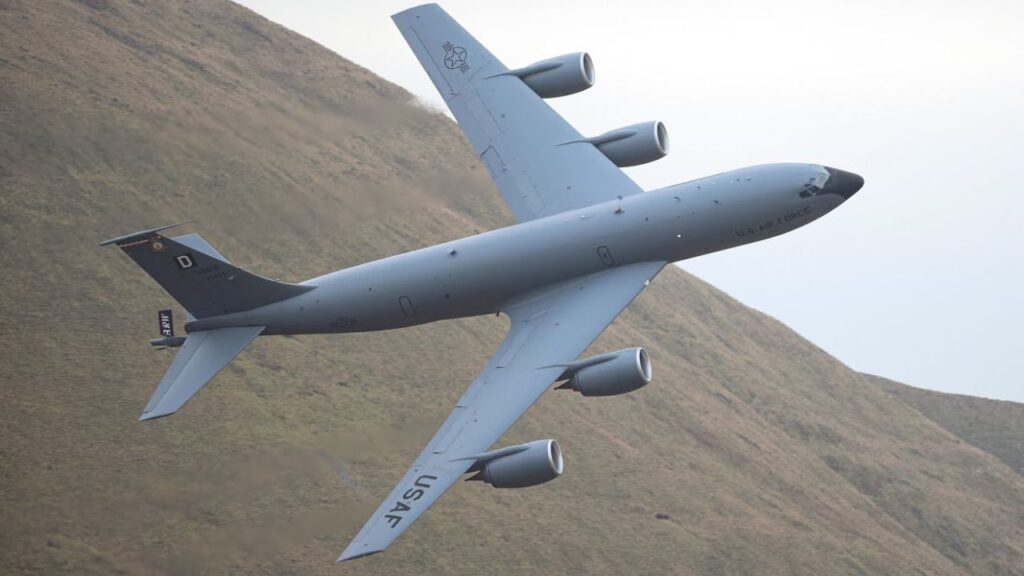
Boeing delivered the first KC-135 in the late 1950s with the final example arriving in 1965. The Air Force acquired a total of 732 aircraft. Today roughly 370 KC-135s remain in service with airframes ranging from 61 to 69 years old. Many have undergone significant upgrades including replacement of original J57 engines with modern CFM F108 turbofans.
One notable example registered 57-1419 stands as the oldest jet in active combat service. These tankers have supported operations across multiple conflicts and continue to bridge vast distances for fighter and bomber deployments. Their adaptability has allowed the Air Force to maintain a robust refueling capability even as budgets constrain new acquisitions.
The KC-135 design derives from the Boeing 367-80 prototype which also led to the 707 airliner. This heritage contributes to its reliability and widespread support infrastructure. However the aircraft lacks the advanced survivability features found in newer designs limiting its use in highly contested environments.
Challenges Facing the Air Force Tanker Fleet
The Air Force faces multiple pressures in managing its aerial refueling assets. The aging KC-135 fleet requires careful management while the KC-46 Pegasus program addresses some gaps but encounters delays. Congressional mandates require the service to reach a minimum of 502 tankers by late 2028 adding urgency to procurement decisions.
Budget constraints have slowed development of a next generation stealthy tanker known as the Next Generation Air Refueling System. Initial operational capability for this platform may not arrive until around 2040. In the interim the Air Force must balance retirements of older aircraft with new deliveries.
The KC-46 Pegasus serves as the primary bridge to future capabilities. The Air Force now plans for a total of 263 KC-46 aircraft an increase from the original target of 179. Fiscal year 2027 budget proposals include funding for 15 additional Pegasus tankers with production rates potentially rising to 18 per year between 2028 and 2031.
The following table summarizes key KC-135 and KC-46 fleet details based on recent budget documents:
| Aircraft Type | Total Procured or Planned | Approximate Current Inventory | Fiscal 2027 Divestment or Procurement |
|---|---|---|---|
| KC-135 Stratotanker | 732 | Approximately 370 | 20 retirements |
| KC-46 Pegasus | 263 planned | Around 105 | 15 new procurements |
B-21 Raider Integration with Existing Tankers
The B-21 Raider represents the future of American long range strike capability. Northrop Grumman leads development of this stealth bomber with initial operational capability expected around 2027. The aircraft features significantly improved fuel efficiency compared to legacy bombers reducing overall tanker demand.
In March 2026 the Air Force released the first images of a B-21 refueling from a KC-135. Test flights including a five hour and 33 minute mission over California demonstrated compatibility between the platforms. These tests mark important milestones as the Raider program advances toward full operational status.
The B-21 internal fuel capacity estimates range between 110000 and 120000 pounds. Its efficiency allows mission planners greater flexibility in payload and range tradeoffs. For intercontinental strikes the Raider will require multiple refuelings similar to past B-2 Spirit operations.
Air Force officials note that the B-21 consumes a fraction of the fuel used by previous generation aircraft. This efficiency provides commanders with more options for force packaging and reduces reliance on forward based tankers in contested areas.
Future Roles and Fleet Evolution
The Air Force intends to retain portions of the KC-135 fleet through the 2040s. Some airframes could approach a century of service. This longevity exceeds that of the B-1B Lancer and B-2 Spirit bombers which the B-21 will eventually replace.
KC-135 operations will likely shift toward permissive environments and training missions. The KC-46 will handle more strategic routes while any future stealth tanker focuses on high threat zones. Upgrades including enhanced networking and Starshield satellite connectivity improve the KC-135 communication capabilities.
A potential 2040s mission scenario might involve layered refueling support. KC-135 aircraft could provide initial fuel over domestic airspace followed by KC-46s over oceans and stealthy tankers near enemy territory. This approach maximizes the strengths of each platform.
The Air Force continues exploring blended wing body designs through programs like JetZero. A demonstrator aircraft is slated to fly around 2027 potentially informing future tanker configurations. However these efforts remain in early stages with uncertain timelines for operational deployment.
Operational Realities and Strategic Importance
Aerial refueling forms the backbone of global power projection. Without tanker support bombers and fighters face severe range limitations. The KC-135 fleet despite its age has proven resilient through continuous modernization efforts.
Recent conflicts have highlighted vulnerabilities in tanker operations. Losses during operations in contested regions underscore the need for both quantity and survivability in the fleet. The Air Force balances these requirements by maintaining legacy platforms while accelerating newer acquisitions.
The B-21 program appears to progress on schedule and within budget parameters. Plans call for at least 100 aircraft with potential for 150 or more. Successful refueling integration with the KC-135 accelerates this timeline and ensures readiness upon fielding.
Sustaining the Bridge to Future Capabilities
The partnership between the KC-135 and B-21 exemplifies pragmatic military procurement. Rather than discarding functional assets the Air Force leverages them to support emerging technologies. This approach maintains operational capacity during periods of transition.
Ongoing upgrades to the KC-135 fleet focus on connectivity and reliability. These improvements extend useful life without requiring full replacement. Meanwhile the KC-46 program addresses capacity shortfalls as retirements proceed gradually.
Congressional oversight ensures the tanker fleet meets mandated minimums. This legislative involvement reflects the strategic priority placed on aerial refueling assets. As global threats evolve the ability to sustain long range operations remains critical for deterrence and power projection.
The KC-135 Stratotanker will continue refueling the B-21 Raider and other aircraft for years to come. Its service alongside next generation platforms demonstrates the timeless principle of adapting proven systems to new challenges. This strategy provides the Air Force with a reliable bridge until more advanced tankers fully materialize.