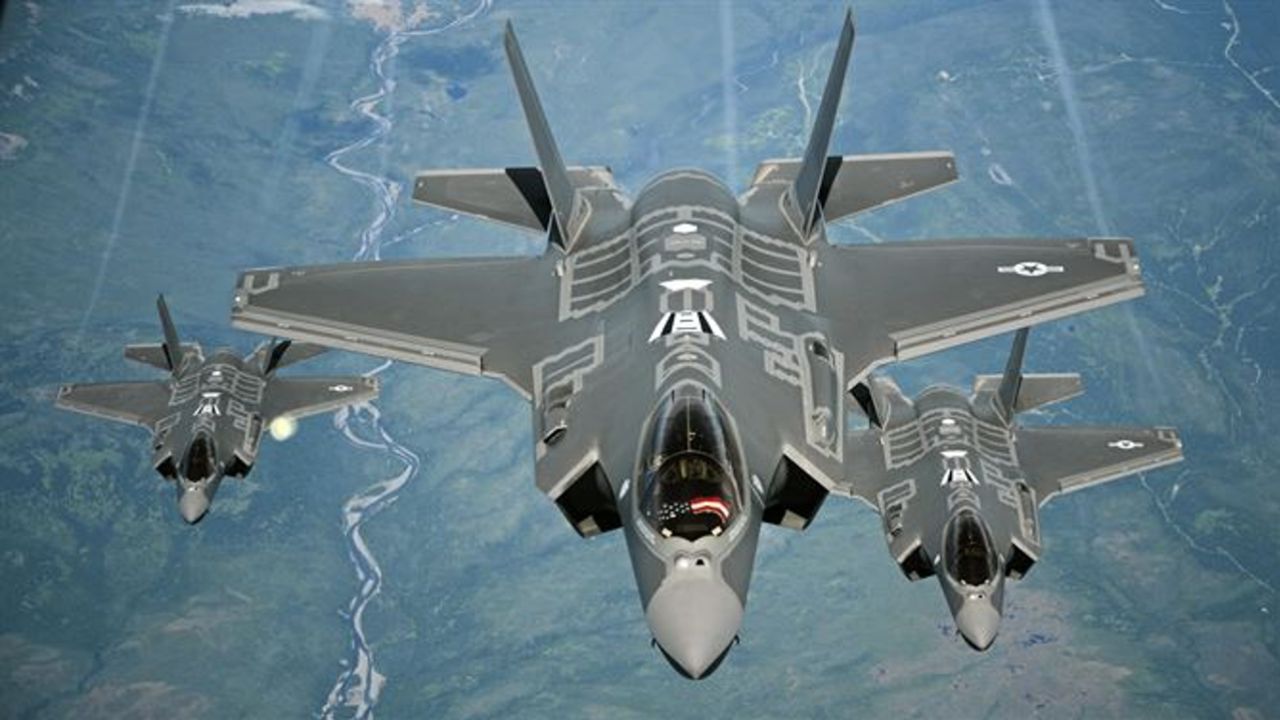
The Lockheed Martin F-35 Lightning II represents a pinnacle of modern fighter technology. This fifth generation aircraft serves multiple branches of the United States military and numerous allied nations. Yet despite its advanced capabilities the global F-35 fleet faces significant challenges in maintaining operational readiness. Recent assessments reveal that only about one in four aircraft can perform all assigned missions at any given time.
This situation stems from a combination of software instability spare parts shortages and complex maintenance requirements. These issues have led to declining readiness rates across the fleet. The F-35 program continues to evolve but logistical and technical hurdles limit its immediate effectiveness in fulfilling its designed roles.
Software Instability Undermines Operational Effectiveness
Software problems represent the most pressing challenge for the F-35 program. The Technology Refresh 3 upgrade known as TR-3 has encountered substantial difficulties. This hardware and software package promised significant improvements in processing power and memory capacity. However testing has shown persistent stability issues and capability shortfalls.
The Director of Operational Test and Evaluation reported that the TR-3 software build proved predominantly unusable for much of the relevant period. No combat capable TR-3 configured aircraft were delivered until September 2025. Earlier versions delivered limited or no new combat capabilities leading to delays in fielding enhanced systems.
These software challenges directly impact mission capable rates. The full mission capable rate which measures the percentage of time aircraft can perform all assigned missions fell to 25 percent in fiscal year 2025. This represents a decline from 38 percent in fiscal year 2021. The broader mission capable rate which indicates ability to perform at least one tasked mission dropped from 67 percent to 44 percent over the same timeframe.
The United States Air Force achieves the highest full mission capable rate among operators at 28.5 percent. This figure still falls well short of internal goals around 68 percent. Navy and Marine Corps variants face even greater challenges due to their unique operating environments and requirements.
Production Line Bottlenecks and Incomplete Deliveries
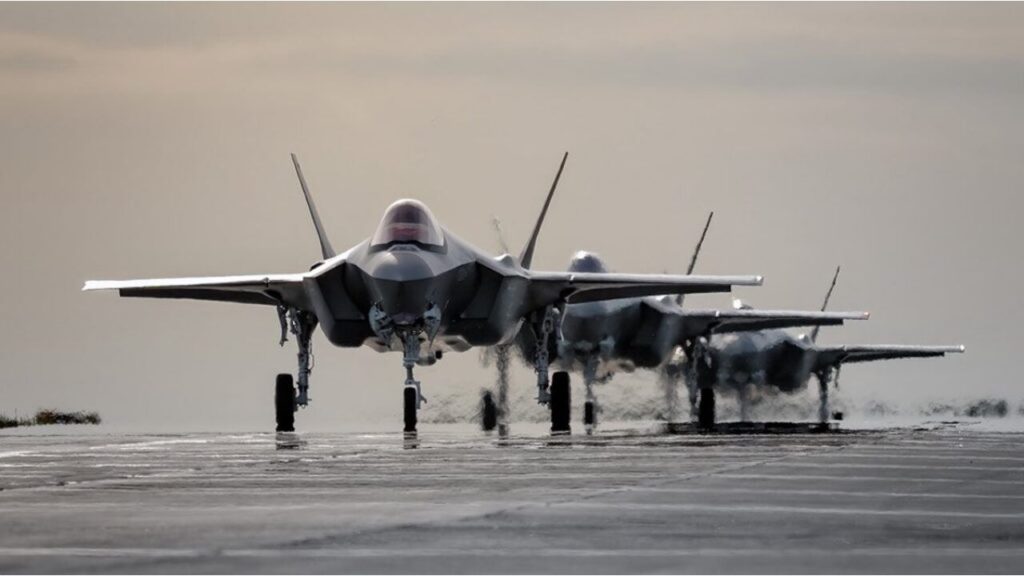
Manufacturing delays compound the readiness problems. The F-35 final assembly line in Fort Worth Texas has struggled with integration of critical systems including the AN/APG-85 radar. Supply chain disruptions affecting rare materials have slowed progress on this key sensor.
To maintain production momentum some aircraft in Lot 17 rolled out with ballast weights instead of functional radar systems. These jets serve training purposes until retrofits occur but they do not contribute to combat ready inventory. This approach has created a backlog of incomplete aircraft requiring additional maintenance shortly after delivery.
Different production lots feature micro configurations that complicate logistics. This lack of standardization means spare parts are not universally interchangeable across the fleet. The result is increased complexity in supply chain management and higher rates of aircraft downtime.
The Pentagon has adjusted delivery expectations for 2026 with numbers roughly half of initial projections. This slowdown allows focus on quality and upgrades but temporarily limits fleet growth.
The following table illustrates recent trends in F-35 readiness based on Government Accountability Office data:
| Fiscal Year | Mission Capable Rate | Full Mission Capable Rate |
|---|---|---|
| 2021 | 67 percent | 38 percent |
| 2025 | 44 percent | 25 percent |
Spare Parts Shortages Drive Cannibalization Practices
Parts availability remains a critical issue throughout the F-35 enterprise. Production demands have diverted components originally intended for the global spare parts pool. This redirection has depleted inventories at maintenance depots worldwide.
Maintenance crews often resort to cannibalization removing serviceable parts from one aircraft to restore another. While this practice keeps some jets flying it increases workload and accelerates wear on remaining assets. The strategy contributes directly to the low full mission capable rates observed across the fleet.
The F-35 Joint Program Office has launched a comprehensive Global Support Solution reset. This initiative carries a projected cost of 13.7 billion dollars with allocations across the Air Force Navy and Marine Corps. A significant portion approximately 7.3 billion dollars targets parts and materials for maintenance depots.
Maintenance Complexity and Specialized Infrastructure Needs
The advanced materials and stealth coatings on the F-35 require highly controlled environments for repairs. Security classifications limit where maintenance can occur restricting work to specialized secure facilities. This creates bottlenecks at both operational bases and depot level sites.
Climate controlled hangars equipped with classified diagnostic tools are in short supply globally. Aircraft needing stealth coating repairs often wait in queue or transfer to distant depots. These transfers remove assets from operational units for extended periods further reducing availability.
Fleet Readiness Center East at Cherry Point North Carolina leads efforts on TR-3 hardware conversions. This facility has expanded capacity to handle increased workloads but the volume of aircraft requiring upgrades strains resources. Similar work occurs at international depots in Italy and Japan.
Path Forward and Long Term Cost Implications
Program officials acknowledge that readiness may worsen before improving. The Joint Program Office targets an 80 percent mission capable rate and 65 percent full mission capable rate by 2030. Achieving these goals requires sustained investment in supply chains software stability and infrastructure.
The lifetime sustainment costs for the United States F-35 fleet now exceed two trillion dollars. This figure underscores the scale of the program and the importance of addressing current deficiencies. Block 4 capabilities originally planned for full deployment by 2026 now face delays with completion potentially extending to 2031.
Allied operators face similar challenges as the United States services. The F-35 equips 19 partner nations creating a shared interest in resolving these issues. International cooperation on maintenance and upgrades offers potential efficiencies but also introduces coordination complexities.
The F-35 program continues to mature as lessons from operational experience inform improvements. While current readiness rates fall short of expectations the aircraft unique capabilities in stealth sensor fusion and network centric warfare provide strategic advantages. Focused efforts on software parts availability and maintenance infrastructure will determine how effectively the fleet fulfills its potential in the coming years.