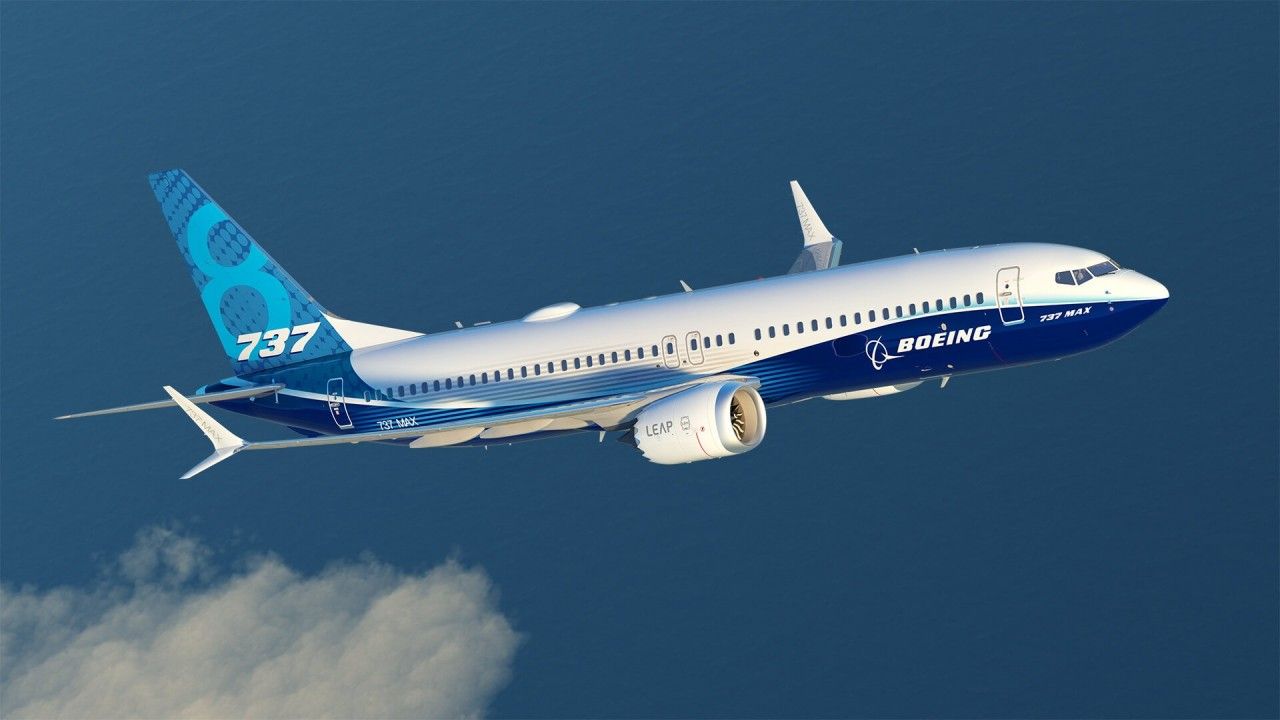
The Federal Aviation Administration restored limited Organization Designation Authorization to Boeing for 737 MAX airworthiness certificates. This arrangement allows the manufacturer to self issue approvals on alternating weeks while federal inspectors focus on systemic oversight. The policy balances production needs with safety requirements following quality issues at Boeing facilities. The dual track system separates individual aircraft certification from factory wide quality enforcement.
Boeing faces a monthly delivery cap of 47 MAX aircraft. The company paid a 1.14 billion dollar non prosecution payment in November 2025. Despite these constraints the FAA permits Boeing employees known as unit members to perform certification tasks. This framework operates under federal law as a formalized delegation mechanism. It enables efficient processing while maintaining regulatory control.
Understanding Organization Designation Authorization
Organization Designation Authorization allows the FAA to delegate specific certification responsibilities to approved industry entities. This program creates a network of authorized oversight rather than centralized government inspection. Boeing unit members act as representatives of the regulator when issuing certificates despite receiving corporate compensation.
The restored delegation granted in September 2025 operates on a rotating schedule. Boeing handles final sign offs during designated weeks while FAA inspectors conduct broader audits. This structure frees federal resources for systemic production line reviews. The arrangement addresses the impracticality of inspecting every component on hundreds of aircraft annually.
The system maintains a clear legal distinction between individual airworthiness and factory health. An aircraft can receive certification even as broader manufacturing processes undergo corrective actions. Regulators monitor key performance indicators including traveled work and rework hours to assess production stability.
Key Elements of Boeing ODA Delegation
| Aspect | Description |
|---|---|
| Schedule | Alternating weeks for Boeing sign offs |
| Focus | Unit level certification versus systemic audits |
| Oversight | FAA monitors production health metrics |
| Limitations | Capped at 47 deliveries per month |
This table summarizes the operational framework. Actual implementation includes rigorous performance criteria for unit members.
Production Challenges and Quality Control
Boeing 737 MAX production encountered significant quality control issues. Structural problems and out of sequence manufacturing known as traveled work created friction on assembly lines. Federal authorities responded with strict oversight including production rate caps. The current data driven approach replaced fixed numerical limits with ongoing evaluation of safety management systems.
Reacquisition of Spirit AeroSystems allowed Boeing to address fuselage alignment flaws directly. This integration reduced initial structural defects by approximately 40 percent. Such improvements support gradual production increases while maintaining safety standards. The Everett facility expansion including a new North Line further distributes manufacturing capacity.
The dual site approach requires careful cross training and process standardization. Workers receive comprehensive preparation to ensure consistency between Renton and Everett operations. Specialized tools like the Wing Transport System facilitate safe component movement. These investments aim to stabilize output while meeting regulatory requirements.
Certification Process for Individual Aircraft

Each 737 MAX undergoes rigorous conformity checks before delivery. Unit members verify compliance with type design and airworthiness standards. The process includes detailed inspections of critical systems and structures. FAA maintains ultimate authority while delegating execution to qualified Boeing personnel.
The alternating week schedule creates a predictable regulatory rhythm. Boeing manages paperwork during its periods while federal inspectors focus on quality systems. This division optimizes resource allocation without compromising safety. The framework depends on robust internal controls and transparent reporting.
Recent manufacturing improvements support expanded delegation. Consistent performance across key metrics justifies increased manufacturer responsibility. Regulators continue monitoring for any signs of regression in quality standards. The system balances efficiency with public safety obligations.
Broader Implications for Boeing and Aviation Safety
The ODA restoration reflects evolving regulatory philosophy. FAA shifts from direct inspection to performance based oversight where data demonstrates stability. This approach allows focus on systemic issues while enabling production flow. Success depends on sustained quality improvements and cultural commitment.
Boeing faces ongoing scrutiny following past incidents. The MAX family certification for variants like the MAX 7 and MAX 10 requires extensive validation. Engineering redesigns address cockpit alerting and engine anti ice systems. These changes demonstrate commitment to fundamental safety enhancements.
The aviation industry relies on balanced regulation. Overly restrictive oversight stifles innovation while insufficient controls risk safety. The current framework attempts to navigate these tensions through data driven delegation. Continuous monitoring ensures public confidence in the certification process.
Future Outlook for 737 MAX Production
Boeing aims to increase output as quality metrics improve. The Everett North Line expansion supports higher rates. Integration of new variants will expand the family capabilities. Sustained performance under ODA will determine future delegation levels.
Airlines await delivery of backlogged aircraft. The MAX remains a critical narrowbody solution for many carriers. Regulatory approval for additional variants will influence fleet planning. Boeing must demonstrate consistent quality to rebuild full confidence.
The FAA continues evaluating the delegation program effectiveness. Adjustments may occur based on performance data. The aviation community watches closely as Boeing navigates this restored authority. Long term success requires cultural and operational excellence.
In conclusion the FAA ODA framework allows Boeing to handle certain 737 MAX certifications under strict conditions. The alternating week system balances efficiency with oversight. Production improvements and quality controls support this approach. The arrangement reflects ongoing efforts to maintain safety while addressing manufacturing realities.