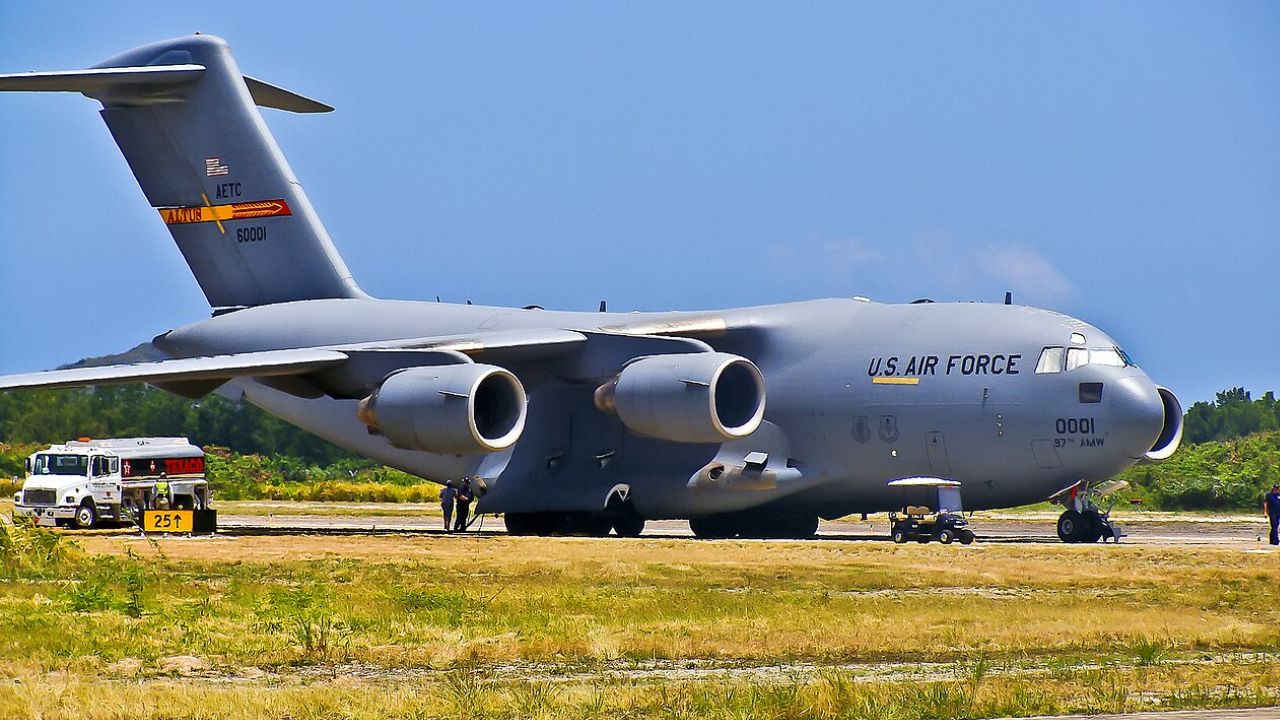
The Boeing C-17 Globemaster III remains a cornerstone of United States strategic airlift capabilities. This heavy transport aircraft enables rapid deployment of troops equipment and supplies to distant operating locations. Production ended more than a decade ago yet recent developments suggest possible revival of the manufacturing line. Congress has directed the Air Force to evaluate feasibility of new acquisitions amid concerns over fleet sustainability.
The United States maintains extensive global military commitments requiring robust airlift support. While sea transport handles most logistics strategic aircraft provide essential speed and flexibility. The C-17 fleet shoulders significant operational demands particularly in expeditionary scenarios. Sustaining these capabilities into future decades drives current discussions about production restart.
Background on C-17 Production and Fleet Status
Boeing delivered the final C-17 in 2015 after producing 279 aircraft total. The United States Air Force received the majority with 223 examples. Export operators acquired the remainder including nations such as Australia Canada India Kuwait Qatar United Arab Emirates and the United Kingdom. The last United States Air Force delivery occurred in 2013.
The C-17 offers unmatched versatility combining strategic range with tactical airfield performance. Its ability to operate from short austere runways sets it apart from larger alternatives like the C-5 Galaxy. This capability proves invaluable for delivering cargo directly to forward locations worldwide. The fleet has supported numerous operations including recent high tempo activities that accelerated wear on airframes.
Current concerns center on long term fleet viability. The Air Force aims to maintain C-17 operations through 2075 but operational strains raise questions about sustainability. House Armed Services Committee reports highlight potential future demands that could exceed current capacity. These factors prompted directives for detailed feasibility studies.
Congressional Direction and Study Requirements
Lawmakers have instructed the Secretary of the Air Force to provide a comprehensive briefing by March 1 2027. This assessment must examine multiple aspects of potential production restart. Key elements include tooling availability supplier base condition workforce readiness and estimated reconstitution costs.
The report should also address timeline projections for reestablishing manufacturing and first aircraft delivery dates. Cost estimates for both line restart and individual aircraft procurement require detailed analysis. Options for service life extensions fleet modernization and alternative capacity enhancements form additional components. International cooperation possibilities receive consideration as well.
Commercial cargo aircraft acquisition and Civil Reserve Air Fleet expansion appear among potential supplementary approaches. These alternatives could complement rather than replace dedicated military airlifters. The study reflects thorough evaluation of all viable paths to maintaining strategic airlift strength.
The following table outlines major C-17 operators and approximate fleet sizes:
| Country | Approximate Quantity |
|---|---|
| United States | 222 |
| India | 11 |
| Australia | 8 |
| United Kingdom | 8 |
| Qatar | 8 |
| United Arab Emirates | 8 |
| Canada | 5 |
| Europe Strategic Airlift | 3 |
| Kuwait | 2 |
Operational Demands and Fleet Sustainability Concerns
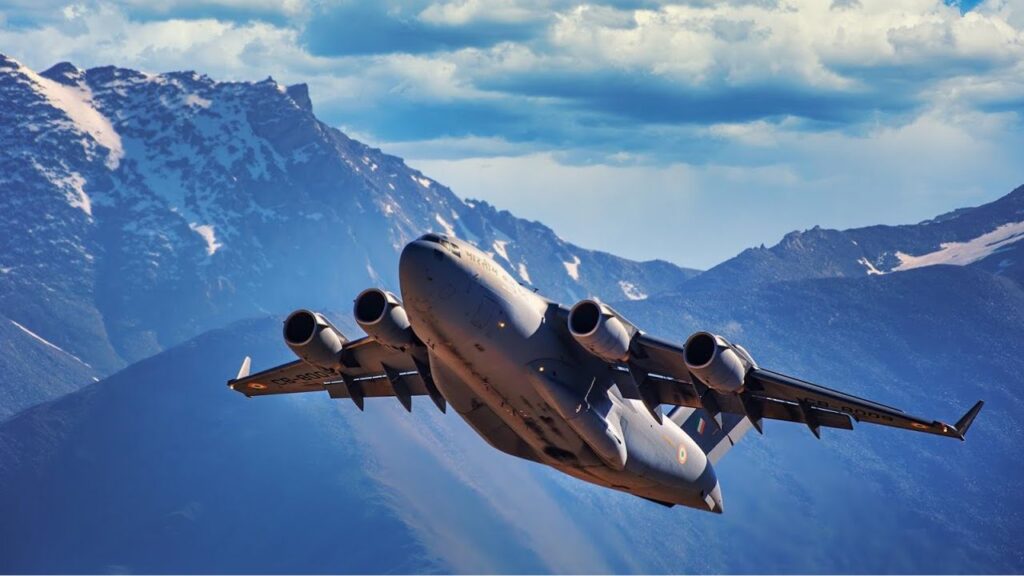
Recent military operations have demonstrated the C-17 critical role in power projection. High tempo activities place substantial stress on airframes and support infrastructure. Questions persist about the fleet ability to meet future requirements without augmentation or replacement.
The aircraft serves both strategic and tactical missions bridging long distances while accessing limited airfields. This dual capability proves essential for expeditionary forces operating far from established bases. Maintaining sufficient numbers ensures flexibility across diverse scenarios from humanitarian aid to combat support.
Service life management programs help extend airframe usability but cannot fully address capacity shortfalls. Modernization efforts enhance capabilities yet aging fleets eventually require recapitalization. The C-17 production line closure in 2015 created a gap that current discussions aim to evaluate closing.
Technical and Economic Challenges of Restarting Production
Reestablishing manufacturing after more than a decade presents significant hurdles. Tooling may require refurbishment or replacement while supplier networks have atrophied. Workforce skills specific to C-17 assembly need refreshing through training programs. These factors contribute to substantial restart costs estimated in billions of dollars based on previous analyses.
Inflation and updated requirements would likely increase expenses beyond historical projections. New aircraft might incorporate modern avionics networking enhancements and efficiency improvements. Such upgrades add value but also complexity and cost to the production process.
Boeing maintains institutional knowledge from original manufacturing yet practical challenges remain formidable. Detailed engineering assessments will determine exact requirements and timelines. International interest could help distribute costs and sustain production rates.
Alternative Airlift Solutions Under Consideration
No direct domestic replacement currently matches the C-17 unique capabilities. The C-130J Hercules serves tactical roles effectively but lacks strategic range and payload capacity. Emerging designs like blended wing body concepts offer future potential though timelines extend well into the 2030s or beyond.
Commercial derivatives including modified Boeing 767 or 777 freighters could supplement capacity in permissive environments. These options provide cost effective solutions for certain mission profiles while military specific aircraft handle contested operations. The Civil Reserve Air Fleet already leverages commercial assets during surges.
Next Generation Airlifter programs aim for eventual replacement of both C-5 and C-17 fleets. Early requirements specify significant payload and range performance within wingspan constraints. Development remains in preliminary stages with optimistic initial operational capability targets around 2041.
Strategic Importance of Robust Airlift Capabilities
Global military posture depends heavily on strategic transportation assets. Bases worldwide require regular resupply while crisis response demands rapid deployment. The C-17 fleet enables United States forces to project power effectively across vast distances. Maintaining this edge remains a national security priority.
Emerging threats including advanced air defenses push airlift operations toward greater standoff distances. Last mile delivery solutions using drones or specialized aircraft may complement traditional transports. Hybrid approaches could optimize overall effectiveness while preserving high value assets.
International partners operating C-17s demonstrate the type enduring relevance. Collaborative programs could facilitate production restart while strengthening alliances. Shared investment models have succeeded in other major defense programs.
The possibility of restarting C-17 production reflects ongoing assessment of United States airlift needs. While significant challenges exist the strategic value of additional Globemaster III aircraft could justify the investment. Comprehensive studies will guide decisions balancing costs capabilities and long term requirements. This evaluation process ensures informed choices regarding future military transportation capacity.