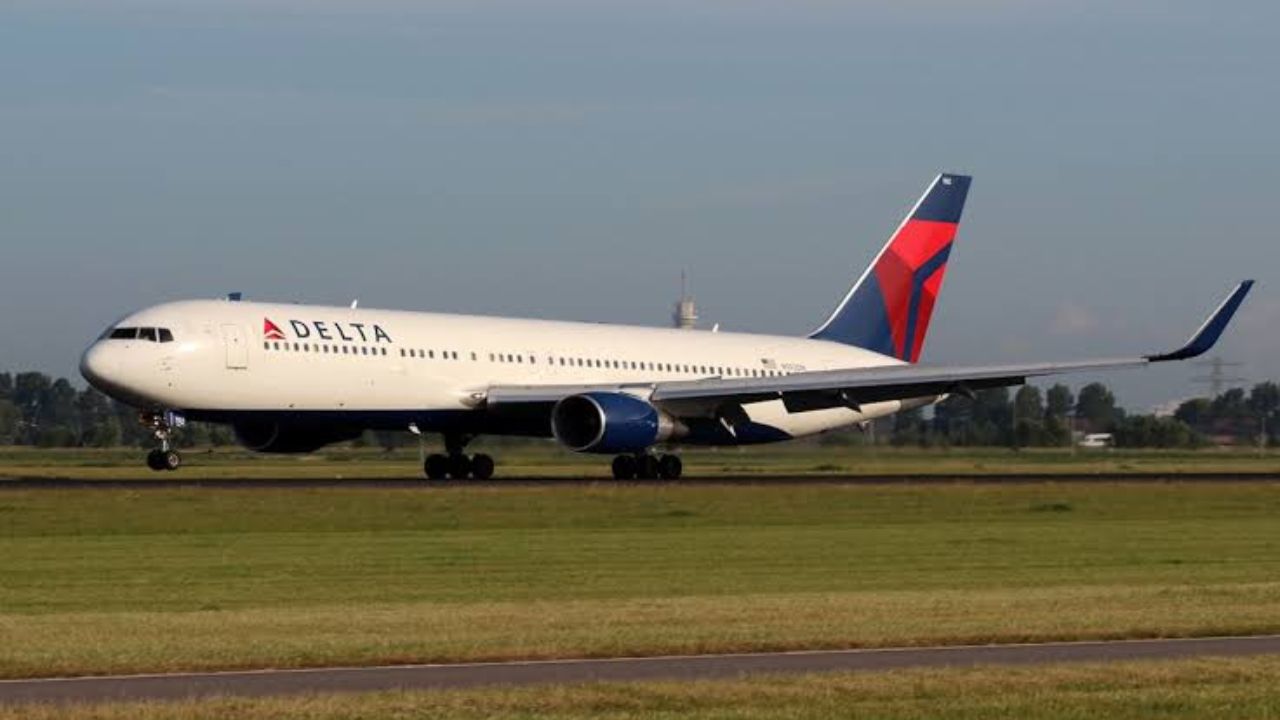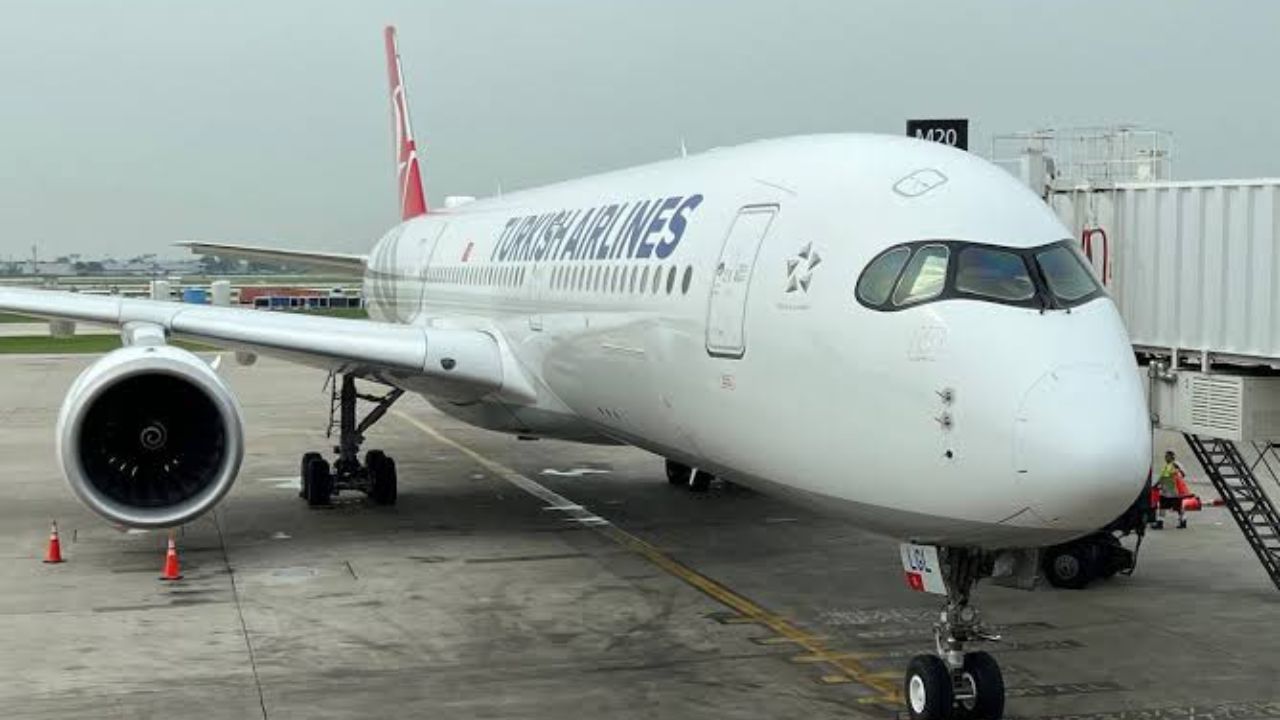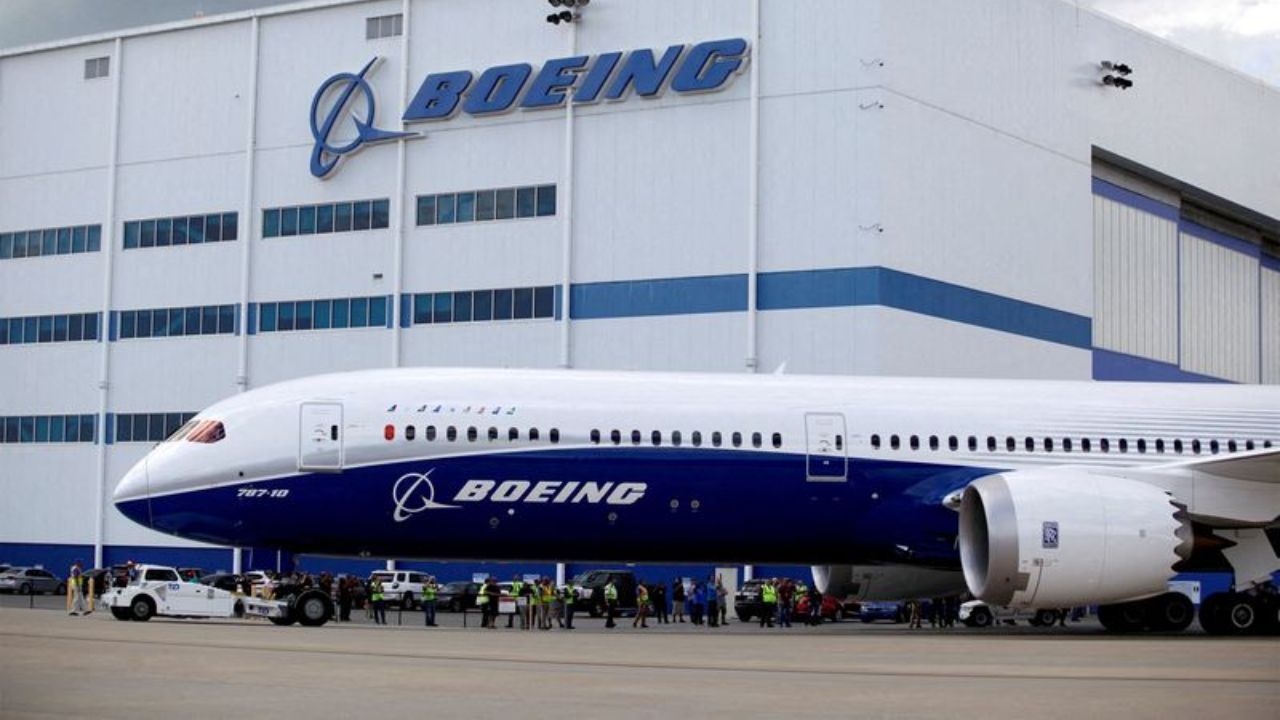
Boeing entered 2024 facing intense scrutiny over safety quality and production reliability. The first three months of the year delivered one of the manufacturer weakest quarterly performances in recent memory with only 83 aircraft rolling off production lines. Of those just 16 were widebodies highlighting ongoing challenges in the segment that traditionally drives higher margins. This slow start stood in sharp contrast to Airbus which capitalized on Boeing difficulties by securing major orders and ramping up deliveries. The European manufacturer quiet win with Delta Air Lines for new widebody aircraft further illustrated the shifting competitive landscape.
The disparity in output reflected deeper issues at Boeing including supply chain constraints certification delays and the lingering effects of high profile incidents. While the company worked to stabilize operations Airbus moved aggressively to capture market share particularly in the widebody segment where long term contracts provide stability. This quarter underscored the pressure Boeing faces to regain momentum as airlines seek reliable partners for fleet modernization.
Boeing Q1 2024 Performance In Detail
Boeing reported 83 total deliveries in the first quarter of 2024 marking the lowest quarterly figure since 2021. The vast majority 67 aircraft were 737 MAX narrowbodies. Widebody production lagged significantly with only 16 aircraft handed over including three 767s and 13 787 Dreamliners. This represented a sharp decline from the previous quarter when Boeing delivered 130 aircraft overall.
The 787 program in particular struggled with fuselage certification issues and supplier bottlenecks. These delays affected customers such as United Airlines All Nippon Airways and Air India who had to retain older Boeing 777-200ER and 767-300ER aircraft longer than planned. The 767 deliveries while modest were notable because the type supports both freighter conversions and the KC-46 Pegasus tanker program for the military.
The table below summarizes Boeing first quarter 2024 deliveries compared to the prior year period.
| Aircraft Type | Q1 2024 Deliveries | Q1 2023 Deliveries | Change |
|---|---|---|---|
| 737 MAX | 67 | Not specified | Significant drop |
| 767 | 3 | Not specified | Modest |
| 787 | 13 | Not specified | Delayed |
| Total | 83 | 130 | 47 percent decline |
This performance disappointed investors and further pressured Boeing stock which had already fallen substantially in the preceding months. The results highlighted persistent manufacturing challenges that limited the company ability to meet strong market demand for new aircraft.
The Lasting Impact Of The Alaska Airlines Incident
A key factor contributing to Boeing production difficulties stemmed from the January 2024 Alaska Airlines 737 MAX 9 incident. Shortly after takeoff from Portland a door plug blew out at approximately 15000 feet forcing an emergency return. The National Transportation Safety Board final report released in July 2025 identified inadequate training guidance and oversight at Boeing Renton facility as primary causes.
The Federal Aviation Administration faced criticism for failing to ensure Boeing addressed systemic quality issues. The incident led to immediate groundings and heightened regulatory scrutiny that slowed 737 MAX production. It also triggered legal action including a 10 million dollar lawsuit from the flight captain who alleged Boeing attempted to shift blame onto the crew.
The safety crisis extended beyond immediate production halts. It damaged customer confidence and complicated certification processes for other programs. Airlines grew more cautious in fleet planning favoring partners with stronger quality records. This environment allowed Airbus to position itself as a more reliable option particularly for widebody orders where long term operational stability matters greatly.
Airbus Capitalizes On Boeing Struggles
While Boeing faced headwinds Airbus accelerated its own production and sales efforts. In March 2024 alone the European manufacturer delivered 60 aircraft to 38 customers including 14 widebodies. This contributed to a strong first quarter with 100 narrowbody and 14 widebody deliveries overall. Airbus also secured more than 330 new orders in March bringing the quarterly total to 408 aircraft.
The table below breaks down Airbus March 2024 deliveries.
| Aircraft Type | Deliveries |
|---|---|
| A220-100 | 1 |
| A220-300 | 18 |
| A320neo | 26 |
| A321neo | 55 |
| A330-900 | 3 |
| A350-900 | 8 |
| A350-1000 | 3 |
This performance demonstrated Airbus ability to scale production while Boeing recovered from setbacks. The European manufacturer ambitious target of 870 deliveries for the full year 2026 positioned it well ahead of Boeing plans and reflected confidence in its supply chain and quality processes.
Delta Air Lines Major Commitment To Airbus Widebodies
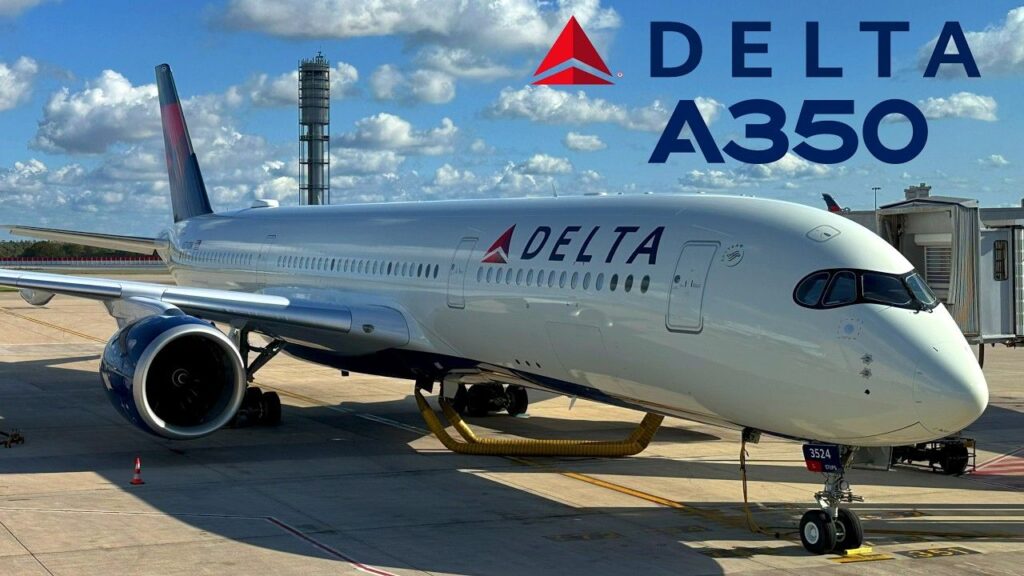
One of Airbus most significant wins came in January 2026 when Delta Air Lines ordered 16 A330-900s and 15 A350-900s while exercising 10 additional options. The deal included plans for 20 more future widebody options giving Delta flexibility for long term growth.
Delta CEO Ed Bastian highlighted the strategic value of the partnership noting long term cost benefits and operational flexibility. The order strengthened Delta position in transatlantic and other international markets while diversifying away from older widebody types. For Airbus the deal reinforced its growing presence in the North American market and demonstrated customer preference for its widebody products amid Boeing challenges.
Rolls-Royce also benefited as the A330-900s will use Trent 7000 engines and the A350-900s will feature the Trent XWB-84. This made Delta one of the engine manufacturer largest partners in the Americas.
Boeing Efforts To Stabilize And Recover
Boeing is pursuing several initiatives to address production shortfalls. A new assembly line at Everett known as the North Line will produce 737 MAX aircraft marking the first time since 1970 that 737 production occurs outside Renton. The first aircraft from this line a MAX 10 is scheduled for loading in early July 2024.
CEO Kelly Ortberg emphasized the importance of this expansion for increasing output to meet the backlog of nearly 4870 unfilled 737 MAX orders. The goal is to reach 52 aircraft per month initially with ambitions for 63 per month. Boeing hopes this additional capacity combined with quality improvements will restore customer confidence and stabilize finances.
However challenges persist. A recent incident involving a Lufthansa 787 landing gear collapse in Frankfurt highlighted ongoing maintenance concerns. Such events while not directly tied to production add to the perception of reliability issues that Airbus has successfully contrasted against its own record.
What The Quarter Means For The Wider Market
Boeing difficulties in early 2024 created opportunities for Airbus but also raised broader questions about supply chain resilience in the commercial aviation sector. Airlines facing capacity constraints due to delayed deliveries have had to retain older aircraft longer increasing maintenance costs and limiting network growth.
The competitive dynamic between Boeing and Airbus influences aircraft pricing availability and long term fleet planning. Customers like Delta benefit from having strong alternatives when one manufacturer faces headwinds. This healthy rivalry ultimately drives innovation and better value for airlines and passengers.
Looking ahead Boeing recovery will depend on consistent quality improvements and meeting delivery targets. Airbus will likely continue pressing its advantage through reliable production and targeted sales campaigns. The widebody segment where Boeing traditionally held strength appears particularly vulnerable as airlines seek certainty in their long term fleet strategies.
For the industry as a whole the first quarter of 2024 served as a reminder that execution matters as much as innovation. Boeing path to restoring its position will require focused effort across manufacturing quality control and customer relations. Airbus demonstrated that steady progress and strong product offerings can shift market momentum even in a competitive duopoly. As both manufacturers navigate 2024 and beyond their performance will shape the future of global air travel for years to come.