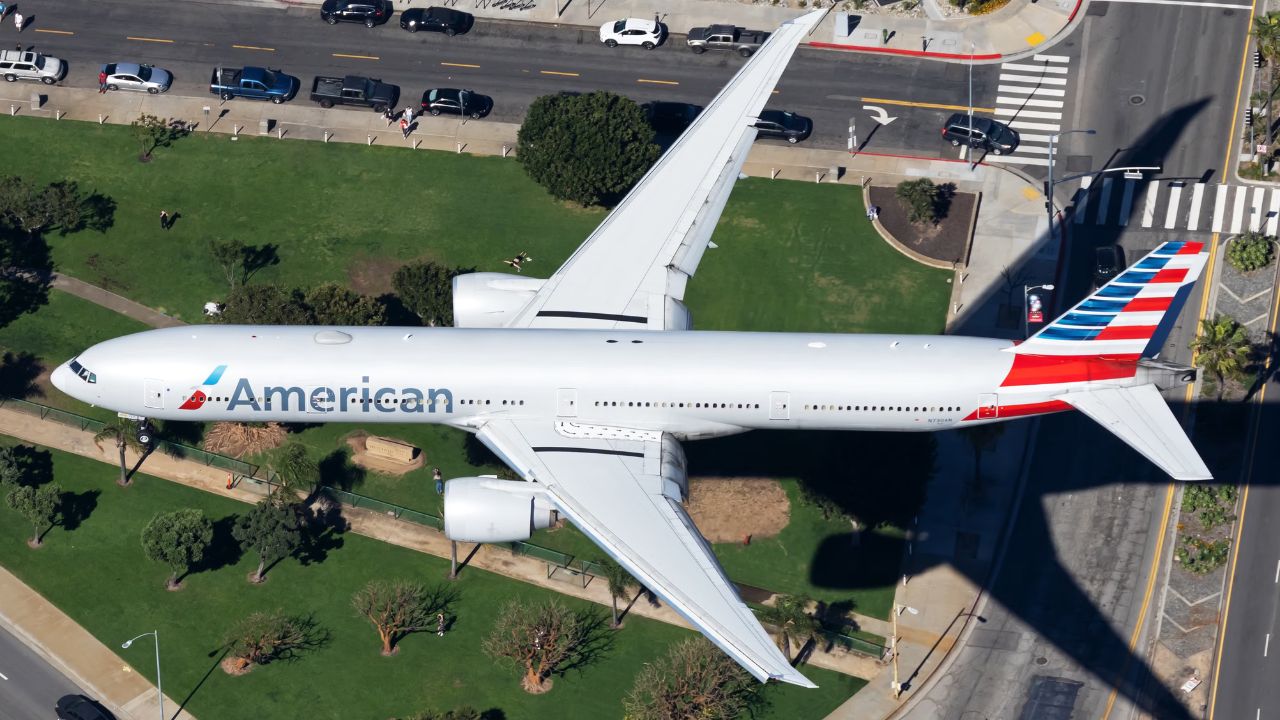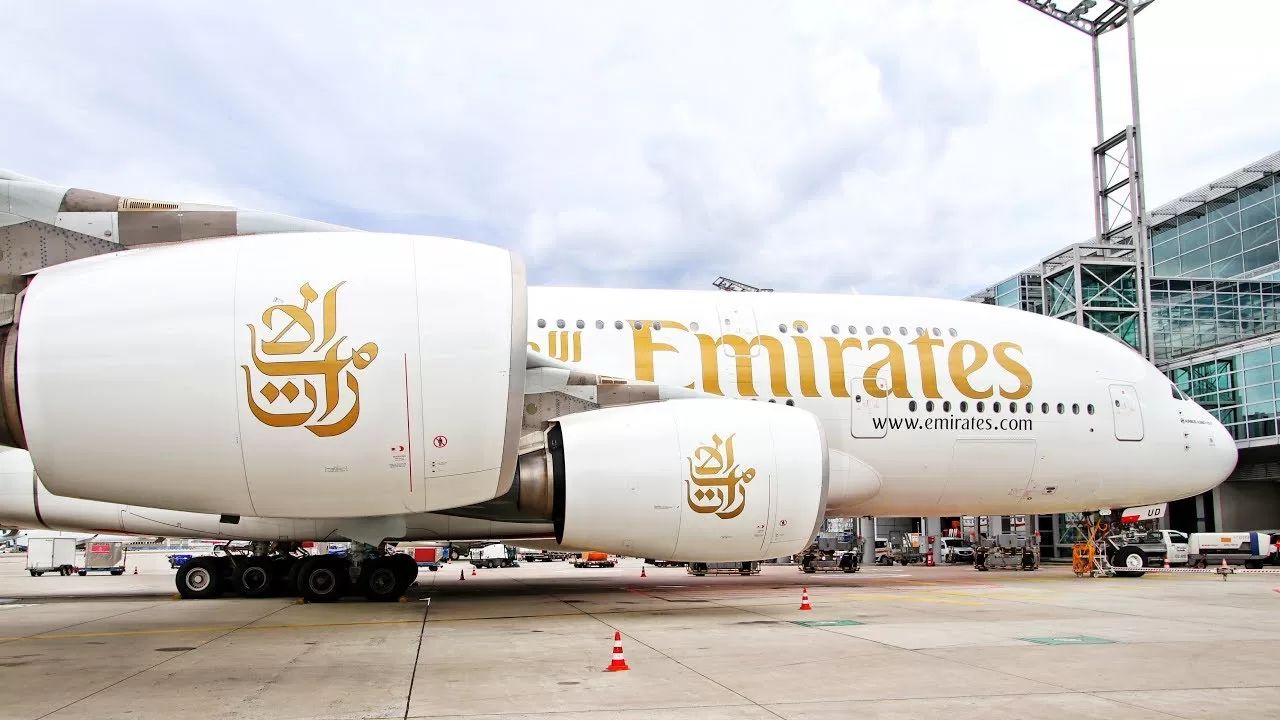
The Boeing 777-300ER stands as one of the most successful widebody aircraft in commercial aviation history. With over 1,200 examples delivered across passenger and freighter variants it has become a workhorse for long haul operations worldwide. A key factor in its dominance is the exclusive use of the General Electric GE90-115B engine. Unlike the first generation 777 models that offered three engine options Boeing selected only the GE90 for the second generation 777-200LR and 777-300ER. This decision was driven by technical performance market economics customer preferences and development timelines. Understanding why no other engine type powers the 777-300ER reveals important lessons about aircraft engine selection in modern commercial aviation.
The choice locked in a single supplier relationship that has shaped the aircraft success and influenced subsequent Boeing widebody programs. While Rolls-Royce and Pratt & Whitney competed vigorously for the first generation they were not selected for the follow-on variants. The GE90-115B provided the thrust reliability and efficiency Boeing needed while aligning with the projected market size and launch customer requirements. This exclusive arrangement has proven highly successful for both Boeing and GE but it also limited flexibility for operators seeking engine commonality across different manufacturers.
The First Generation 777 Offered Multiple Engine Choices
When Boeing launched the 777 program in the early 1990s airlines had three engine options available. The General Electric GE90 Rolls-Royce Trent 800 and Pratt & Whitney PW4000-112 all competed for orders on the initial 777-200 777-200ER and 777-300 variants. This multi-engine strategy was common at the time allowing customers to select powerplants based on fleet commonality maintenance preferences and performance needs.
Rolls-Royce achieved the strongest sales on the first generation with 226 aircraft delivered. Pratt & Whitney followed with 164 and General Electric powered 170. The Trent 800 proved especially popular with operators like Cathay Pacific Emirates and Thai Airways. The PW4000 performed well for carriers such as United Airlines Japan Airlines and ANA. The GE90 gained traction with British Airways and China Southern among others.
This diversity reflected the competitive engine market of the 1990s. Airlines valued choice because engine maintenance represents a significant portion of operating costs. Selecting a familiar engine type across a fleet could reduce training expenses spare parts inventories and overall maintenance complexity. Boeing initial decision to offer three options helped secure launch customers and accelerate program momentum.
The table below summarizes first generation 777 deliveries by engine type.
| Aircraft Variant | Rolls-Royce Trent 800 | Pratt & Whitney PW4000 | General Electric GE90 |
|---|---|---|---|
| 777-200 | 16 | 63 | 9 |
| 777-200ER | 168 | 93 | 161 |
| 777-300 | 42 | 18 | 0 |
| Total | 226 | 164 | 170 |
These figures show Rolls-Royce early success but also indicate that no single manufacturer dominated the market completely.
Why Boeing Chose Exclusive GE90 Power For The 777-300ER
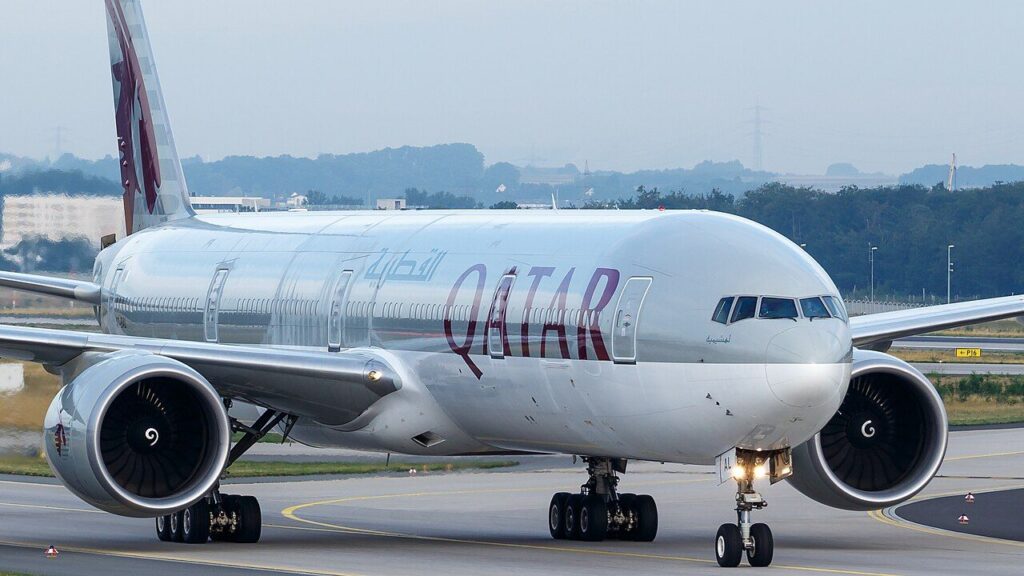
When Boeing developed the second generation 777-200LR and 777-300ER it required significantly more thrust to support longer range and higher maximum takeoff weights. The GE90-115B was selected exclusively after a competitive evaluation. Boeing cited technical performance schedule reliability customer service and overall business considerations as decisive factors.
The GE90-115B provided more than 115000 pounds of thrust per engine making it the most powerful commercial jet engine at the time. This capability enabled the 777-300ER to achieve its impressive range and payload performance. The engine featured advanced technologies including composite fan blades that offered double the strength of traditional titanium at one third the weight. It set thrust records during development reaching 127900 pounds briefly before being rated at 115000 pounds for production.
Rolls-Royce proposed the RB3025 concept but Boeing viewed it as less mature with greater schedule uncertainty. Pratt & Whitney did not offer a competitive high-thrust derivative of the PW4000 family for this application. The projected market size of around 500 aircraft for the new variants was considered too small to support development costs for multiple engine programs. Boeing concluded that offering only one engine option made economic sense while ensuring the best available solution for customers.
Launch customers including Emirates and Qatar Airways already operated GE powered aircraft which influenced their preference for engine commonality. This further solidified the decision. The GE90-115B entered service on schedule in 2004 powering the 777-300ER into one of the most successful widebody programs in history.
Technical And Economic Reasons Behind The Exclusive Choice
The 777-300ER required engines capable of supporting a maximum takeoff weight of 775000 pounds and a range exceeding 7000 nautical miles in some configurations. The GE90-115B met these demands while offering excellent fuel efficiency and reliability. Its large fan diameter and high bypass ratio contributed to strong performance across various operating conditions.
Developing a new engine variant is extremely expensive often costing billions of dollars. With a projected market of only 500 aircraft Boeing determined that supporting two engine programs would not be financially viable. Airlines also preferred the certainty of a single certified option rather than splitting orders across multiple suppliers. This reduced risk for both the manufacturer and operators.
The decision proved successful as the 777-300ER became the best selling widebody variant of its generation. GE has continuously improved the engine achieving a 3.6 percent reduction in fuel burn since initial certification. Reliability rates have reached 99.98 percent demonstrating the soundness of the original selection.
Comparison With Airbus Engine Strategies
Airbus has taken different approaches with its widebody programs. The A330neo received exclusive power from the Rolls-Royce Trent 7000 after GE declined to develop a new engine for the variant. The market size was deemed too small for multiple options. Similarly the A350 uses only Rolls-Royce Trent XWB engines. These exclusive arrangements mirror Boeing choice for the 777-300ER but reflect different competitive dynamics.
The strategy has worked well for Airbus allowing focused development and strong performance guarantees. However it also limits operator flexibility in engine selection. Both manufacturers have concluded that for modern widebody programs the benefits of exclusivity often outweigh the advantages of multiple engine options.
Impact On The 777 Program And Future Widebodies
The exclusive GE90 relationship has benefited both Boeing and GE. The engine family matured significantly through the 777 program providing valuable data for subsequent designs. GE leveraged this experience when developing the GE9X for the 777X maintaining strong positioning for future widebody applications.
For Boeing the decision simplified certification production and customer support. Airlines gained confidence in a single proven powerplant. The 777-300ER success validated the approach and influenced later programs. The 777X continues the exclusive GE relationship with the GE9X engine.
The table below shows 777 family deliveries by engine type across generations.
| Variant | Rolls-Royce | Pratt & Whitney | General Electric |
|---|---|---|---|
| First Generation | 226 | 164 | 170 |
| 777-300ER/777F/777-200LR | 0 | 0 | 1,204+ |
This shift illustrates how Boeing narrowed its engine strategy as the program evolved.
Lessons For Modern Aircraft Development
The 777-300ER engine selection offers several insights for contemporary aircraft programs. Technical superiority schedule certainty and market economics often drive decisions toward single engine suppliers. While multiple options provide flexibility the costs of developing and certifying separate engines can outweigh benefits for smaller market segments.
Customer preferences for fleet commonality also play a major role. Airlines operating mixed fleets value standardized maintenance and training. Launch customer input frequently influences final choices as seen with Emirates and Qatar preference for GE engines.
The success of the GE90-115B demonstrates that a single strong engine program can support a highly successful aircraft family. The 777-300ER has outsold competitors in its class while delivering excellent reliability and efficiency. This outcome validates Boeing original decision despite limiting operator choice.
As new widebody programs emerge manufacturers will continue balancing these factors. The trend toward exclusivity seen in both Boeing and Airbus recent programs suggests that market realities favor focused development over broad engine competition in many cases. For the 777-300ER the GE90 proved to be the right choice enabling one of the most capable and popular widebody aircraft ever produced. Its legacy continues through the 777X program and the broader evolution of commercial aviation engine technology.