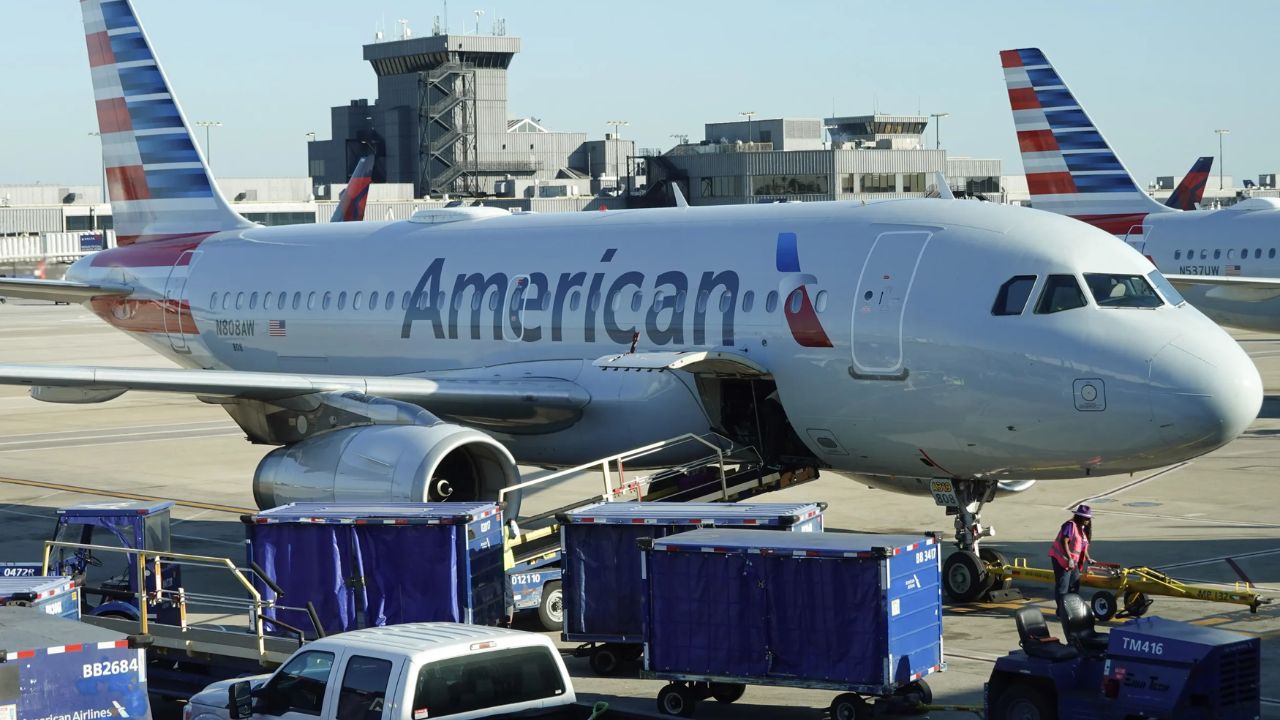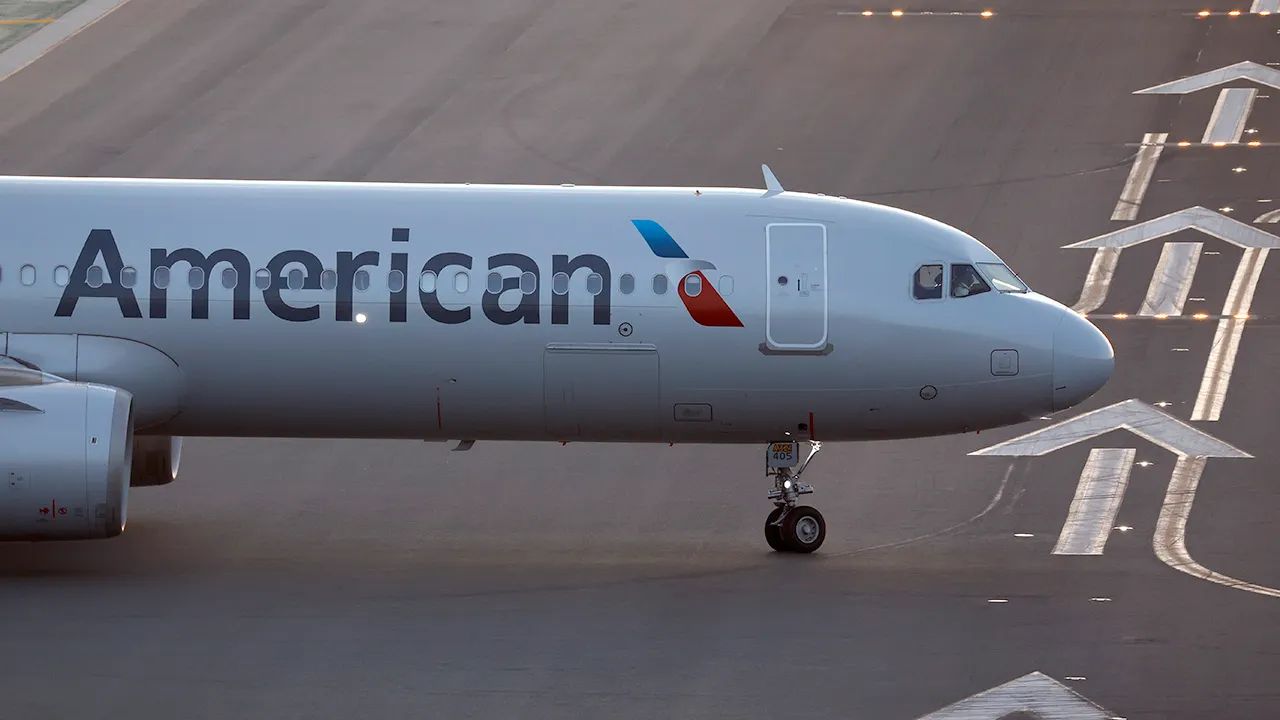
American Airlines continues to invest in its narrowbody fleet by retrofitting older Airbus A319 and A320 aircraft with enhanced premium cabins and modern interior features. This program aims to meet growing customer demand for premium travel options while refreshing cabins to align with the airline’s newest widebody and long-range narrowbody aircraft. The initiative adds more First Class seats and Main Cabin Extra options across these aging planes. However, questions remain about whether these changes deliver a meaningful improvement for all passengers or primarily serve to boost revenue from higher-fare products on decades-old airframes.
Scope of the Retrofit Program
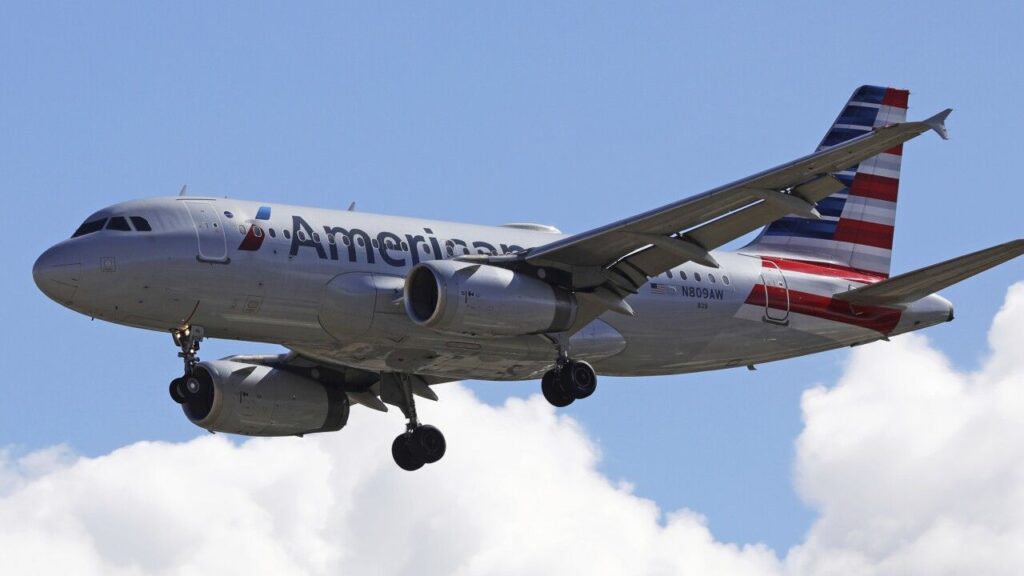
American Airlines operates a significant number of A319 and A320 aircraft that are now entering the retrofit cycle. The airline has 132 A319s and 48 A320s in its fleet, totaling 180 aircraft targeted for updates. Many of these planes rank among the oldest in the mainline fleet, with A320s averaging over 25 years in service and some reaching nearly 29 years. The A319s average around 22 years old, including units from previous mergers with America West and US Airways.
The retrofit introduces several visible enhancements. These include new premium cabin seats featuring privacy wings, additional storage, and dual cocktail trays. Broader cabin updates encompass larger overhead bins for improved boarding, updated trim and finishes, enhanced mood lighting, and power outlets at every seat. American also plans to equip these aircraft with Starlink high-speed Wi-Fi starting in 2027, supporting free connectivity for AAdvantage members. The refreshed interiors draw inspiration from the Boeing 787-9 and Airbus A321XLR to create a more consistent brand experience.
Changes in Seat Configuration
The retrofit focuses heavily on expanding premium seating capacity. American positions this as a response to passenger preferences for more upscale options on short and medium-haul routes.
The table below summarizes the key configuration shifts:
| Aircraft | Before Retrofit | After Retrofit | Main Change |
|---|---|---|---|
| Airbus A319 | 8 First, 24 Main Cabin Extra, 96 Main Cabin (128 total) | 12 First, 24 Main Cabin Extra, 96 Main Cabin (132 total) | Adds 4 First Class seats; total capacity increases by 4 |
| Airbus A320 | 12 First, 18 Main Cabin Extra, 120 Main Cabin (150 total) | 16 First, 33 Main Cabin Extra, 101 Main Cabin (150 total) | Adds 4 First Class and 15 Main Cabin Extra seats; total capacity unchanged |
These modifications allow American to offer more premium seats across its domestic and short-haul international network. The airline aims to grow its overall premium seating capacity significantly through this and other fleet initiatives.
Benefits of the Cabin Refresh
Passengers can expect several tangible improvements from the updated cabins. Larger overhead bins address a common pain point on narrowbody flights by accommodating more carry-on baggage and speeding up boarding processes. Power options, including USB-C ports at every seat, support the increasing reliance on personal electronic devices during flights. Enhanced mood lighting creates a more pleasant ambiance, while updated finishes give older aircraft a fresher appearance comparable to newer deliveries.
First Class passengers gain seats with privacy features and better storage, potentially improving the premium experience on routes where widebodies are not deployed. The upcoming Starlink integration promises faster and more reliable in-flight connectivity, which could enhance entertainment and productivity options. American describes the program as part of its continued investment in customer experience, aiming to make even its oldest narrowbodies more competitive.
Criticisms and Potential Drawbacks
Despite the advertised improvements, the retrofit has drawn notable criticisms. One primary concern involves the removal of seatback entertainment systems in favor of personal device streaming. This shift relies on passengers using their own phones or tablets, supported by Wi-Fi and power outlets. While efficient for the airline, it may disappoint travelers who prefer built-in screens, especially on longer flights within the narrowbody network. This change is particularly noticeable on former legacy American A319s that originally featured seatback systems.
Another issue centers on cabin densification. On the A319, adding four First Class seats increases overall capacity without reducing economy seats, which leads to tighter spacing in premium areas. The A320 retrofit maintains total seats but reallocates space toward more premium and Main Cabin Extra options. These changes often involve a more compact rear galley and lavatory layout, which can reduce workspace for flight attendants and create congestion near rear facilities during service. Such modifications prioritize revenue potential over operational comfort for crew and passengers on full flights.
Key Criticisms Summarized:
- Removal of seatback IFE in favor of personal devices, despite power and Wi-Fi enhancements.
- Reduced seat pitch in expanded First Class sections on A319s.
- Increased overall density on A319s and reallocation on A320s.
- Compromised crew workspace and passenger flow in rear cabin areas.
- Focus on premium seating may offer limited benefits for standard Main Cabin travelers.
American counters that larger bins, power access, and future connectivity provide everyday value, while more premium seats improve upgrade availability and choice.
Comparison with Competitor Approaches
American’s strategy contrasts with initiatives at other major US carriers. United Airlines has pursued premium expansion through its United Next program, incorporating larger overhead bins, improved connectivity, and retention of seatback screens on many aircraft. This broader approach aims to enhance the experience across all cabins rather than focusing predominantly on premium sections. United’s more aggressive Starlink deployment also supports a comprehensive connectivity upgrade.
The difference highlights varying philosophies in fleet modernization. American emphasizes revenue from premium products on legacy aircraft, while competitors like United integrate upgrades more evenly. For Main Cabin passengers on American’s retrofitted planes, the changes may feel incremental compared to the more holistic refreshes seen elsewhere. This competitive dynamic pressures American to balance cost efficiency with passenger satisfaction.
Timeline and Implementation Status
The retrofit program has experienced some delays. Initial plans targeted a 2025 start with substantial completion tied to premium growth goals by 2026. The first retrofitted A319 entered service earlier in 2026 as a prototype, with broader availability expected starting in summer 2026. Full rollout across the 180 aircraft will take time, and American has not provided a precise completion date. This gradual introduction allows the airline to monitor feedback and refine the product.
The program forms part of American’s wider fleet strategy, which includes new aircraft deliveries and other cabin updates. By refreshing older narrowbodies, the airline extends their useful life while aligning them closer to modern standards. However, the age of the airframes means underlying maintenance and reliability considerations remain relevant for frequent flyers.
Long-Term Implications for Passengers and the Airline
For American Airlines, the retrofit supports higher-margin premium sales and helps standardize the onboard product. Increased First Class and Main Cabin Extra seats can improve load factors on lucrative fares and offer more upgrade opportunities for loyal customers. Combined with Starlink, it positions these aircraft better for short-haul international routes and domestic markets where connectivity matters.
Passengers in premium seats will likely notice the most positive changes through better privacy and amenities. Main Cabin travelers gain from larger bins and power but may experience trade-offs in space and entertainment options. Frequent flyers on these routes will judge the “upgrade” based on consistency across flights and whether the refreshed cabins deliver a noticeably better journey than before.
Ultimately, the program reflects industry trends toward premiumization amid rising costs and competitive pressures. American’s approach maximizes value from existing assets but invites scrutiny over whether it truly elevates the travel experience or optimizes revenue at the expense of some traditional comforts. As more retrofitted aircraft enter service this summer and beyond, real-world passenger feedback will determine if the changes resonate as a genuine step forward.
The initiative underscores the challenges airlines face in balancing innovation, cost control, and customer expectations on mature fleet types. For American, success will depend on execution and how effectively these older A319s and A320s compete with newer aircraft from rivals.