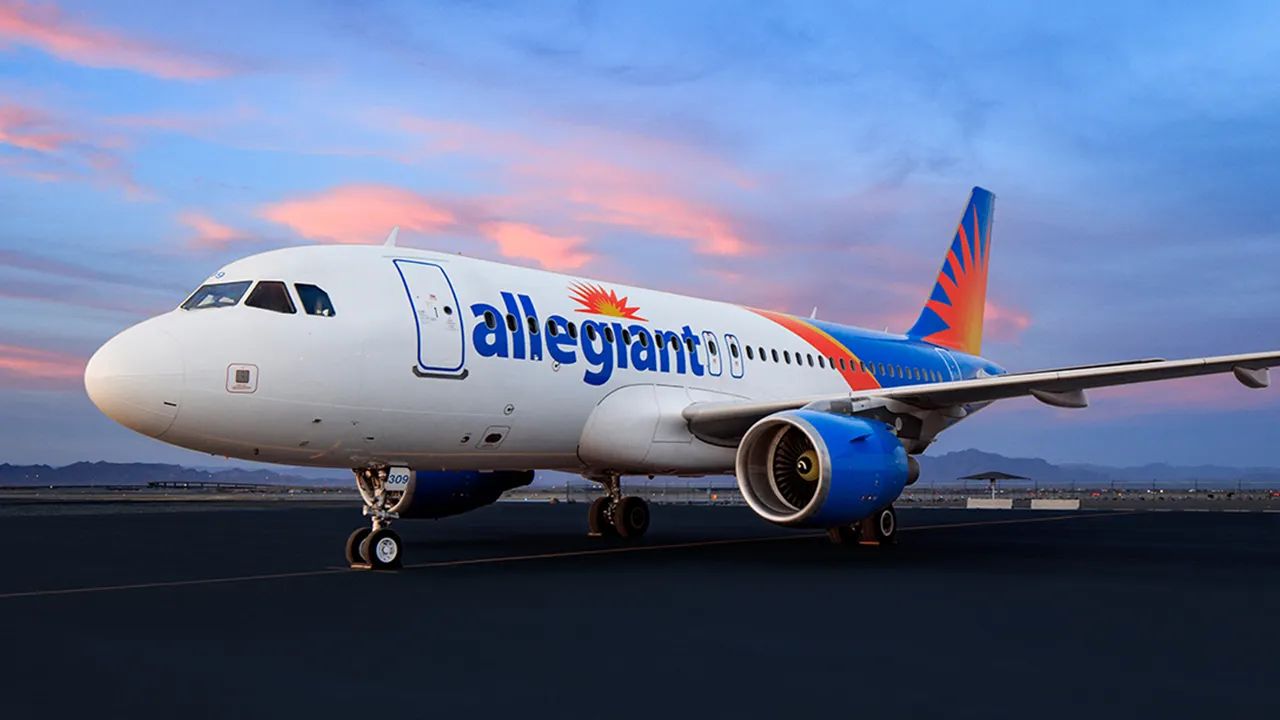
Allegiant Air announced adjustments to its Northern Summer 2026 network removing or shortening service on nearly 30 routes. The ultra low cost carrier is temporarily suspending operations from three cities including Kansas City Richmond and Rochester New York. These changes reflect seasonal demand patterns rather than permanent market exits. Travelers in affected areas will see reduced options for a limited period before service resumes.
Allegiant specializes in leisure focused nonstop routes connecting smaller cities with vacation destinations. This business model allows flexibility in adjusting capacity as demand fluctuates. The latest revisions follow standard practices for the airline which frequently modifies schedules based on booking trends and operational needs. Passengers should monitor updates as further changes remain possible.
Temporary Suspensions from Three Cities
The most significant aspect involves short term exits from Kansas City Richmond and Rochester. Allegiant will pause all scheduled service from these airports during the fall period. Operations are expected to resume later in the year aligning with stronger seasonal demand. These pauses do not indicate full market withdrawal.
Kansas City International Airport will experience reduced connectivity during the suspension. Richmond International Airport faces similar temporary loss of Allegiant flights. Rochester New York will also see service gaps. The airline plans returns to each market demonstrating commitment to these communities despite seasonal adjustments.
Such flexibility helps Allegiant optimize fleet utilization. Aircraft redeployed from slower periods support busier routes. This approach maintains overall network efficiency while managing costs in a competitive ultra low cost environment.
Broader Route Adjustments Across the Network
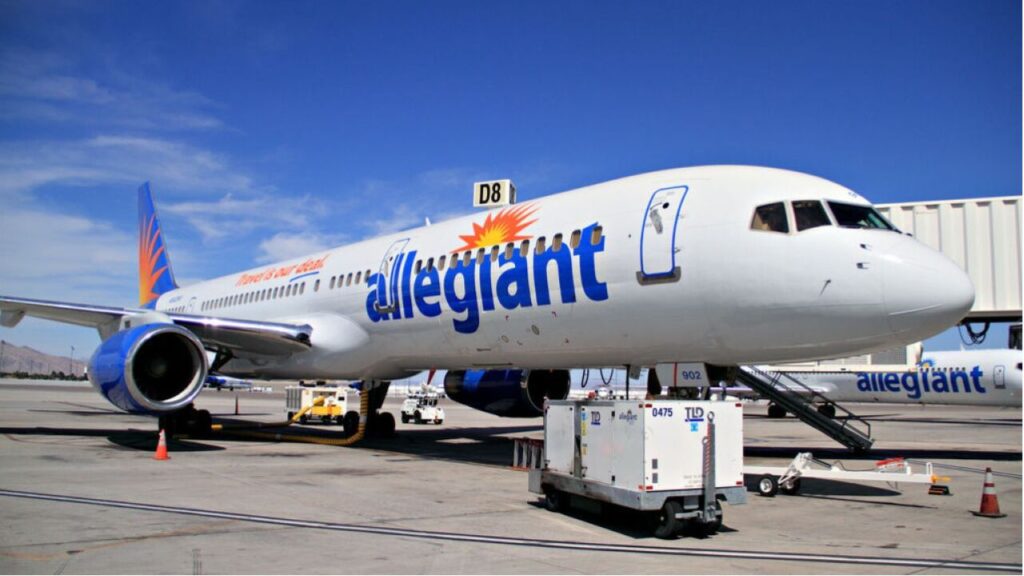
The schedule update impacts numerous city pairs beyond the three full suspensions. Several routes will end earlier than originally planned while others face temporary pauses. Affected services include connections from Austin to Asheville Las Vegas and Washington Dulles. Additional changes involve Burbank to Indianapolis and Destin Fort Walton Beach to various destinations.
These revisions total nearly 30 route modifications. Many represent shortened seasons rather than cancellations. Allegiant continues operating peak summer periods before adjusting for fall demand. This strategy aligns with leisure travel patterns where summer vacations drive higher volumes.
Recent network changes include full exits from airports like Los Angeles Oakland Minneapolis and Norfolk. These decisions reflect ongoing optimization efforts. Allegiant focuses resources on core leisure markets with strongest performance.
Selected Route Adjustments in Allegiant Summer 2026 Schedule
| Route | Change Type | Impact |
|---|---|---|
| Austin to Las Vegas | Earlier end | Service concludes late July |
| Austin to Washington Dulles | Earlier end | Reduced summer operations |
| Burbank to Indianapolis | Seasonal adjustment | Temporary pause |
| Destin Fort Walton Beach to Chicago Midway | Modified schedule | Capacity reduction |
| Kansas City all routes | Temporary suspension | Fall pause with return planned |
This table highlights representative changes from the update. Actual schedules may see additional revisions before travel dates.
Allegiant Business Model and Seasonal Strategy
Allegiant built its success on connecting underserved cities with popular leisure destinations. The model avoids direct competition with major network carriers on high frequency business routes. Instead it targets price sensitive vacation travelers willing to accept less frequency for lower fares.
Seasonal adjustments form a core part of this approach. Routes with strong summer demand may pause during shoulder periods. This allows efficient aircraft deployment maximizing utilization where bookings justify service. The strategy helps maintain low costs essential for ultra low fare offerings.
Passengers benefit from affordable nonstop options during peak seasons. However the dynamic schedule requires planning and flexibility. Travelers should check reservations regularly as changes can occur. Allegiant provides notifications for affected bookings.
Impact on Travelers and Local Economies
The temporary suspensions affect residents and visitors in Kansas City Richmond and Rochester. Alternative travel options may involve connections or other airlines. Some passengers face longer journey times or higher fares during the pause periods.
Local economies tied to tourism or business travel experience short term impacts. Airports lose revenue from reduced operations. However planned returns mitigate longer term effects. Allegiant history suggests reentry when demand supports service.
Frequent flyers in affected markets should explore alternatives. Other carriers may offer connecting itineraries. Loyalty programs and flexible booking policies help manage disruptions. The changes highlight importance of monitoring airline schedules.
Recent Network Context and Broader Trends
Allegiant recent full exits from major airports like Los Angeles and Oakland reflect strategic focus. The carrier prioritizes smaller markets with strong leisure appeal. This approach differentiates it from competitors expanding at large hubs.
Industry wide ultra low cost carriers adjust capacity based on fuel costs demand and competition. Allegiant model proves resilient through flexible scheduling. The latest changes align with this established pattern rather than signaling financial difficulties.
Passengers value Allegiant low fares and nonstop service to vacation spots. The airline maintains strong presence across its core network despite adjustments. Future growth will likely target similar leisure oriented routes.
Outlook for Affected Routes and Network Planning
Many modified routes will return after seasonal pauses. Allegiant typically resumes service when booking trends support operations. Travelers can expect updates through official channels or booking platforms. The airline continues refining its network for optimal performance.
The adjustments demonstrate adaptive capacity management. By responding to demand signals Allegiant maintains efficiency. This benefits shareholders and helps keep fares competitive for consumers. The strategy supports long term sustainability in a challenging industry.
In summary Allegiant Air route changes for Northern Summer 2026 include nearly 30 modifications and temporary city exits. These reflect standard seasonal planning rather than retreat. Passengers should plan accordingly while anticipating returns to affected markets. The airline focus on leisure connectivity remains consistent.