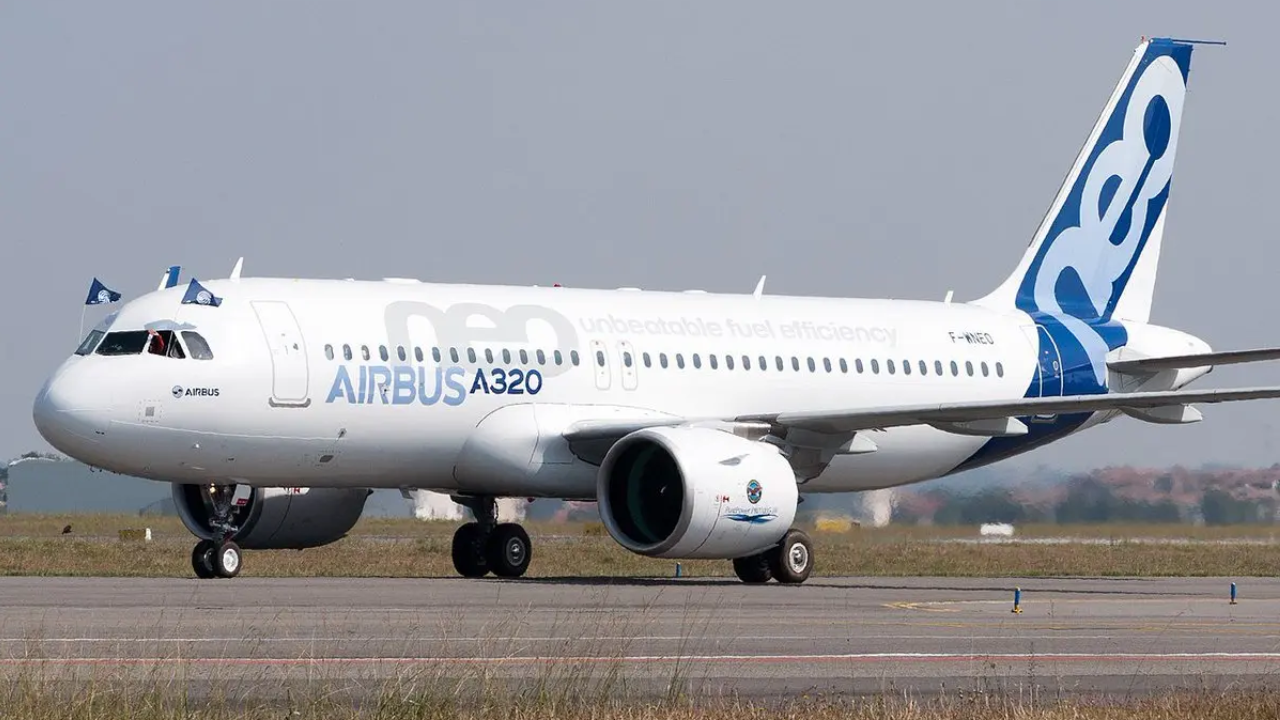
Airbus maintains strong momentum toward developing a successor to its highly successful A320 family. In recent comments CEO Guillaume Faury emphasized the company commitment to this critical program. Internally referred to as eAction the project targets a formal launch around 2030 with entry into service planned for the second half of the 2030s. This initiative represents one of the most significant commercial aircraft developments in Airbus modern history.
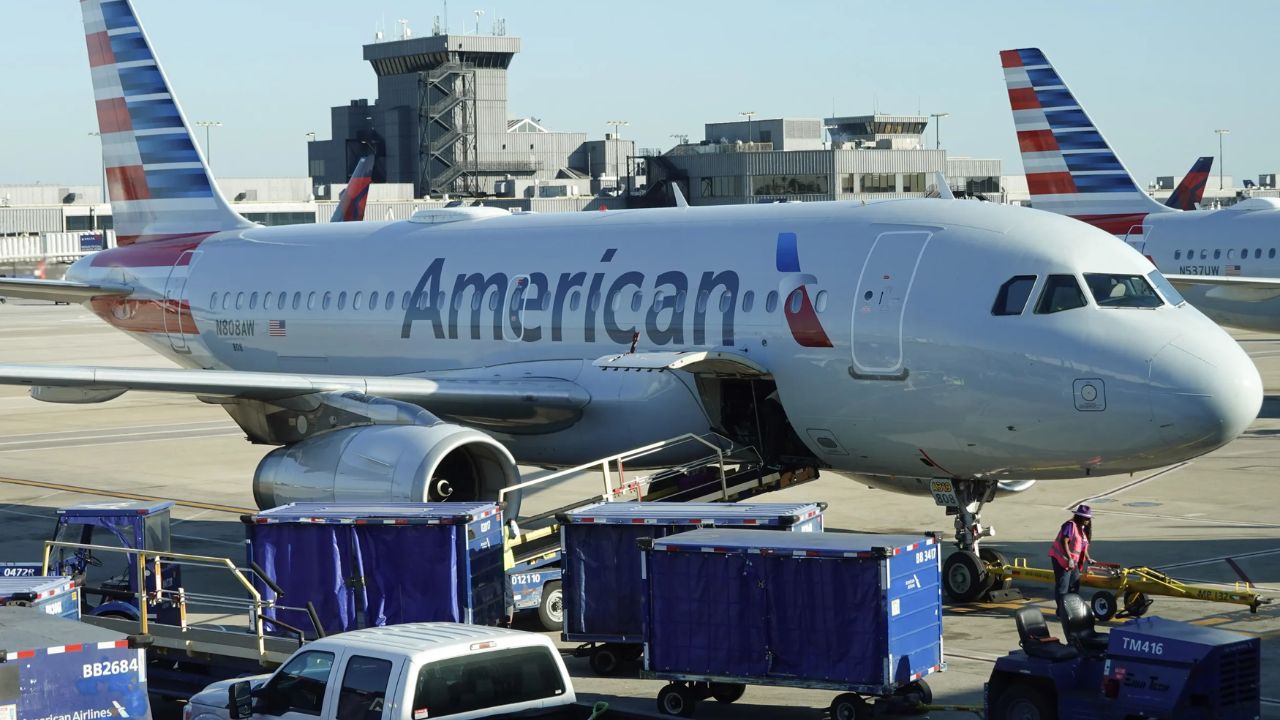
The A320 family serves as the cornerstone of Airbus narrowbody business and one of the best selling jetliner programs ever. With over 20,000 orders and more than 12,000 deliveries the type dominates short to medium haul markets worldwide. Replacing it requires careful planning as Airbus continues ramping up production of current A320neo family aircraft to meet massive backlogs.
Airbus Strategic Focus on the New Narrowbody Program
Guillaume Faury outlined Airbus progress in an interview highlighting ongoing research technology development simulations and pre project studies. The manufacturer collaborates with partners to evaluate options for wings fuselage propulsion and industrial systems. This comprehensive approach ensures the new aircraft addresses future market needs effectively.
Faury stressed that Airbus remains on track stating the company is very focused and very committed. The timeline has not slipped with launch targeted for 2030 and service entry in the latter 2030s. This positions Airbus to shape the next generation narrowbody market proactively rather than reacting to competitors.
A320 Family Key Statistics as of Mid 2026
| Metric | Value | Significance |
|---|---|---|
| Total Orders | Over 20 000 | Demonstrates unprecedented market success |
| Deliveries | Approximately 12 500 | Largest narrowbody production run |
| Current Backlog | Around 7 500 | Years of sustained demand |
| A321neo Share of Backlog | Significant majority | Shift toward larger variants |
| Monthly Production Target | 75 by late 2027 | Industrial scale challenge for successor |
This table illustrates the scale Airbus must manage during the transition period. The strong backlog means current and future aircraft will operate in parallel for years.
Challenges in Replacing a Market Dominant Product
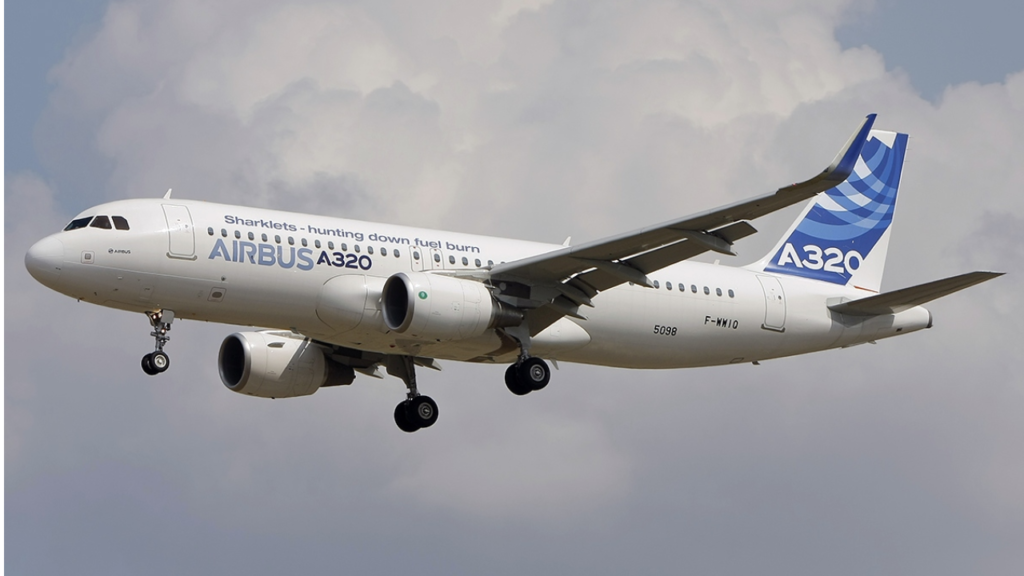
The A320 family continues strong sales with the A321neo proving particularly popular. Airlines value its versatility efficiency and large installed base. Airbus must develop a successor that offers substantial improvements while ensuring a smooth transition for operators. Faury acknowledged the A320 will remain popular requiring flexibility in production overlap.
Key performance targets for the new aircraft include 20 to 30 percent better fuel efficiency and capability to use up to 100 percent sustainable aviation fuel. Technologies under consideration encompass advanced engines possibly open fan designs longer foldable wings hybrid electric systems and lightweight materials. These elements aim to deliver a step change in operating economics and environmental performance.
The engine architecture decision stands as particularly important. Airbus prefers dual suppliers for customer flexibility but may accept a single source if performance and risk profiles justify it. This choice will influence development costs certification timelines and long term support.
Industrial and Supply Chain Considerations
Airbus operates a global production system with ten final assembly lines for the A320 family across Europe the United States and China. Transitioning to a new aircraft will require careful management of this complex network. Lessons from recent supply chain disruptions inform the planning process with emphasis on resilience and diversification.
The company evaluates ways to eliminate single points of failure and build more robust supplier relationships from the program outset. This approach aims to avoid bottlenecks that have affected current production rates. Industrial strategy will play a crucial role in determining the new aircraft success.
Competitive Dynamics with Boeing
Faury comments reflect confidence in Airbus position. When addressing potential Boeing timeline shifts he expressed satisfaction noting the company prefers to lead rather than follow. Airbus believes its resources engineering expertise and supplier relationships give it an advantage in defining the next narrowbody generation.
Boeing faces its own challenges with the 737 MAX program and development of future products. Airbus aims to move first securing early commitments and shaping market expectations. This proactive stance could influence airline fleet planning for the 2030s and beyond.
Potential Design Features and Market Impact
Concepts for the successor explore various configurations to balance efficiency airport compatibility and passenger appeal. Foldable wingtips could allow longer spans for better aerodynamics while maintaining gate compatibility. Advanced digital systems and connected architectures may enhance operations and maintenance.
The aircraft will target the high volume single aisle market where the A320 family excels. Airlines seeking replacements for aging narrowbodies will evaluate the new type against continued A320neo operations and any Boeing offerings. Substantial efficiency gains could accelerate adoption particularly as sustainability pressures increase.
Timeline and Transition Strategy
Airbus plans a formal launch decision around 2030 aligning with technology maturation and market readiness. Entry into service in the second half of the 2030s provides airlines planning visibility. The overlap period will see both families produced simultaneously with production rates adjusted based on demand.
This measured approach minimizes disruption for customers and the supply chain. Existing A320neo backlogs extend well into the next decade ensuring continued strong demand for current models. The successor will complement rather than immediately displace the A320 family.
Broader Implications for Commercial Aviation
A successful next generation single aisle program will influence the industry for decades. It could set new standards for efficiency emissions and operational flexibility. Suppliers engine manufacturers and airlines all monitor Airbus progress closely as they prepare their own strategies.
The project also intersects with wider sustainability goals. Airbus continues hydrogen research alongside conventional fuel advancements. The narrowbody successor forms part of a comprehensive approach to future aircraft development.
In summary Airbus commitment to launching an A320 family replacement in 2030 underscores its ambition to maintain leadership in the narrowbody segment. Through careful technology development and strategic planning the company aims to deliver a worthy successor to one of aviation most successful aircraft families. The coming years will reveal how this program shapes the future of single aisle flying.