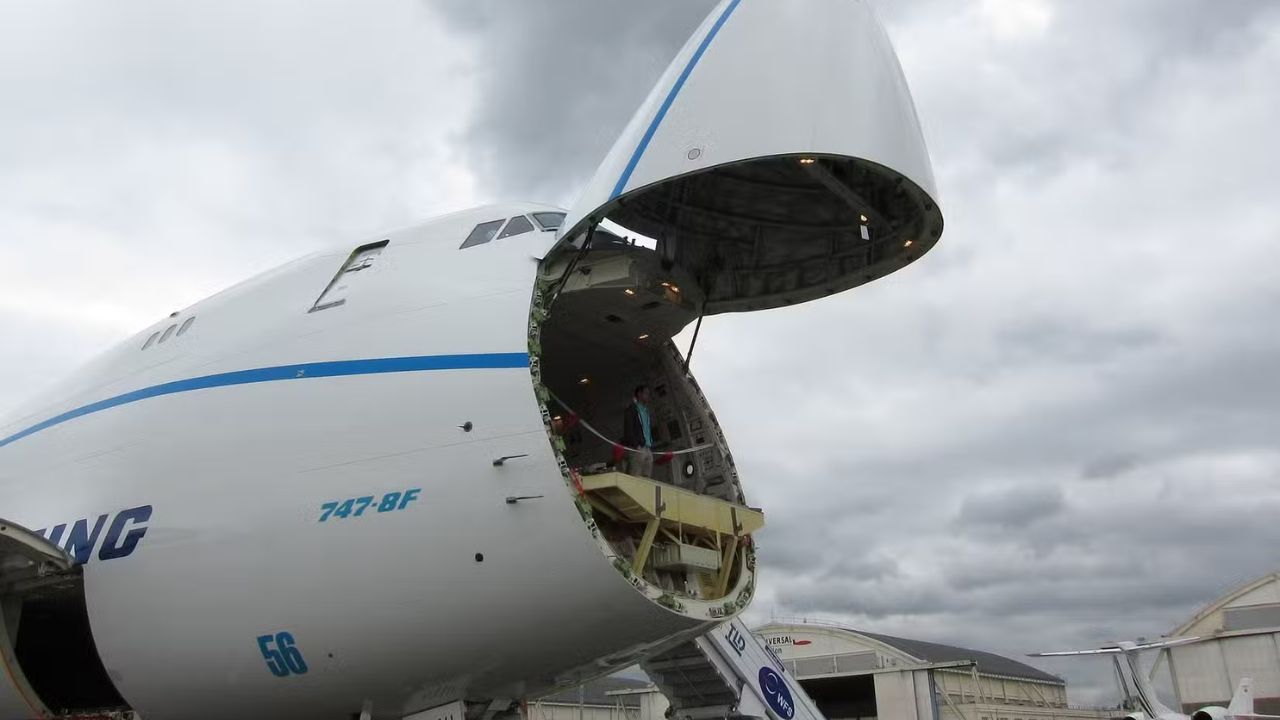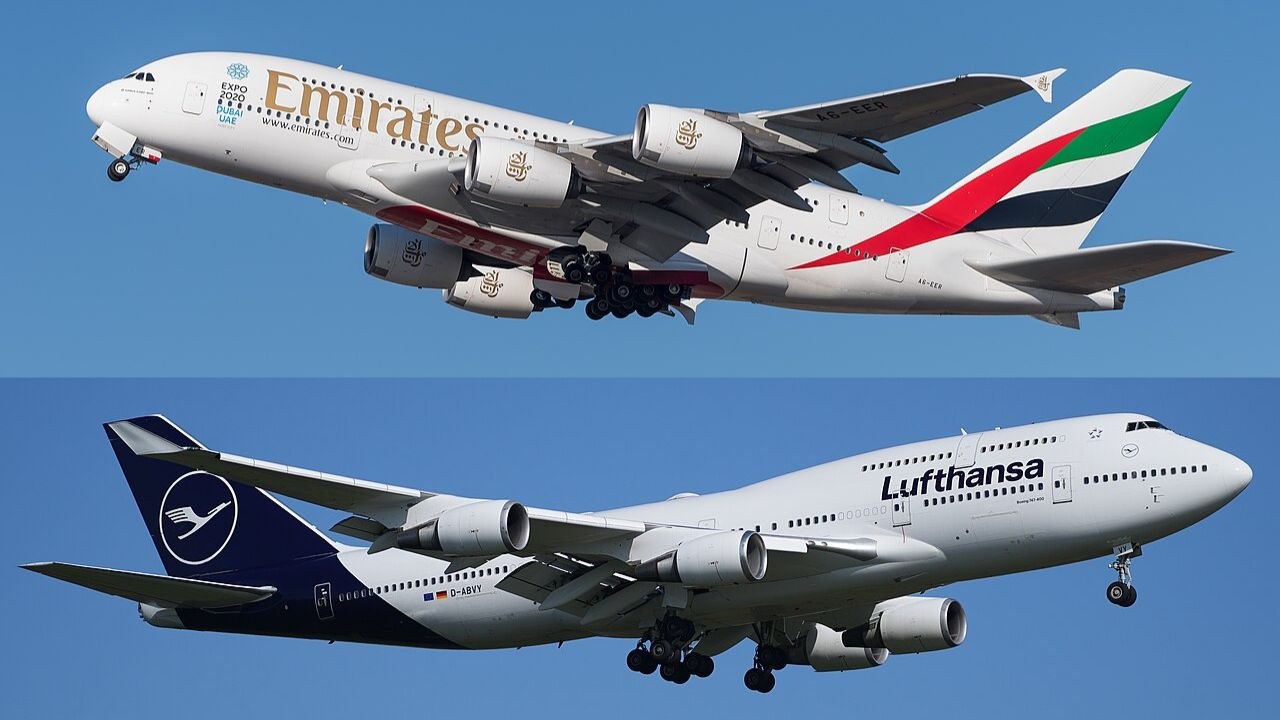
The Airbus A380, with its maximum takeoff weight of 575 tonnes, represented a significant leap in aircraft size and mass when it entered commercial service in 2007. This four-engine double-decker superjumbo pushed the boundaries of what airports could handle, particularly at facilities originally designed around the Boeing 747, which had long served as the benchmark for large widebody operations. While the 747-400 has a maximum takeoff weight of approximately 412 tonnes, the A380’s greater mass and physical dimensions required extensive infrastructure upgrades at many international gateways. These modifications involved strengthening runways and taxiways, widening taxiway separations, expanding terminal gates, and reinforcing bridges and underground structures. The investment required ran into billions of dollars globally and highlighted the challenges of introducing significantly larger aircraft into existing airport ecosystems.
The A380’s arrival forced airports to rethink long-standing design standards. Many major hubs had been built or expanded during the 747 era, assuming that aircraft of that size represented the upper limit for commercial operations. The superjumbo’s 79.8-metre wingspan, 72.7-metre length, and 24.1-metre height exceeded the 747-400 in nearly every dimension, creating immediate compatibility issues. Airports that wanted to accommodate the A380 had to achieve ICAO Code F certification, which imposes stricter requirements on pavement strength, taxiway geometry, and obstacle clearance compared to the Code E standard used for the 747. This transition was not merely a matter of convenience but a fundamental requirement for safe operations.
Geometric And Spatial Challenges For Taxiways And Runways
One of the most immediate infrastructure problems stemmed from the A380’s wider wingspan and larger wheel track. The Boeing 747-400 has a wingspan of 64.4 metres, while the A380 extends to 79.8 metres. This difference required airports to increase the separation between parallel taxiways to prevent wingtip collisions during simultaneous operations. At many older facilities, existing taxiway layouts were simply too narrow, forcing operators to implement strict procedural restrictions or undertake expensive widening projects.
Runway width and shoulder requirements also became critical. The A380’s outer main landing gear wheels sit farther apart than those of the 747, increasing the risk of the aircraft drifting off paved surfaces during turns. To mitigate this, the International Civil Aviation Organization recommended runway shoulders and enhanced edge lighting for Code F operations. Airports such as London Heathrow, Singapore Changi, and Dubai International invested heavily in these upgrades. For example, Heathrow spent over £1 billion on A380-related infrastructure, including taxiway widening and new pier developments capable of handling the aircraft.
The table below compares key dimensional differences between the A380 and Boeing 747-400 that drove infrastructure changes.
| Dimension | Airbus A380 | Boeing 747-400 | Impact on Airports |
|---|---|---|---|
| Wingspan | 79.8 metres | 64.4 metres | Required wider taxiway separations |
| Length | 72.7 metres | 70.6 metres | Longer gate and stand requirements |
| Maximum Takeoff Weight | 575 tonnes | 412 tonnes | Stronger pavement needed |
| Outer Main Gear Track | 14.3 metres | 12.4 metres | Wider turning radii on taxiways |
These dimensional differences forced airports to reconfigure layouts that had been optimized for the 747 for decades. In some cases, entire concourses had to be modified or new terminals built to accommodate the A380’s size.
Pavement Strength And Structural Reinforcement Needs
The A380‘s 575-tonne maximum takeoff weight placed unprecedented loads on airport pavements. Although the aircraft’s 22-wheel landing gear distributes weight effectively, the cumulative pressure on older pavements designed for the 747 often exceeded safe limits. Many airports discovered that their existing asphalt and concrete surfaces would experience accelerated rutting and structural fatigue under repeated A380 operations.
Civil engineers used the Aircraft Classification Number versus Pavement Classification Number system to assess compatibility. The A380 typically carries an ACN of around 70 to 80 depending on configuration, compared to the 747-400’s lower figure. Airports with older pavements had to undertake major strengthening works, often involving milling out existing layers and adding thicker concrete or specialized asphalt mixes. At some facilities, this work required temporary runway closures that disrupted operations for months.
Underground infrastructure also faced challenges. Taxiway bridges, fuel pipelines, and drainage systems built for lighter aircraft required reinforcement or replacement. The concentrated weight of a stationary A380 at a gate could stress underground structures in ways the 747 never did. Several airports invested in deep foundation upgrades to prevent long-term settlement or cracking beneath high-traffic areas.
Gate And Terminal Infrastructure Adaptations
Terminal gates designed for the 747 often proved inadequate for the A380. The superjumbo’s upper deck required specialized boarding bridges capable of reaching the second level. Many airports installed dual-level jet bridges or modified existing ones to service both decks simultaneously. These modifications were expensive and sometimes required structural changes to terminal buildings to support the additional weight and reach of the new bridges.
Passenger processing areas also needed expansion. The A380 can carry up to 853 passengers in high-density configurations, creating significant surges in arrivals and departures. Immigration halls, security checkpoints, and baggage systems at many airports required upgrades to handle these peaks without causing delays. At London Heathrow, for example, Terminal 5 underwent substantial modifications to accommodate A380 operations, including new stands and expanded facilities.
Operational And Safety Considerations
The A380’s size introduced new operational challenges beyond physical infrastructure. Its powerful engines generate significant jet blast, requiring larger safety zones around gates and taxiways. Airports had to adjust ground movement procedures to prevent damage to nearby aircraft or equipment. Wake turbulence from the A380 also necessitated increased separation distances for following aircraft, affecting overall airport capacity during peak periods.
These factors contributed to mixed experiences at airports that adopted the A380. While some hubs like Dubai and Singapore integrated the aircraft seamlessly due to newer infrastructure, older facilities faced ongoing constraints and higher maintenance costs. The need for Code F certification created a two-tier system where only fully compliant airports could offer unrestricted A380 operations.
Long-Term Legacy Of A380 Infrastructure Investments
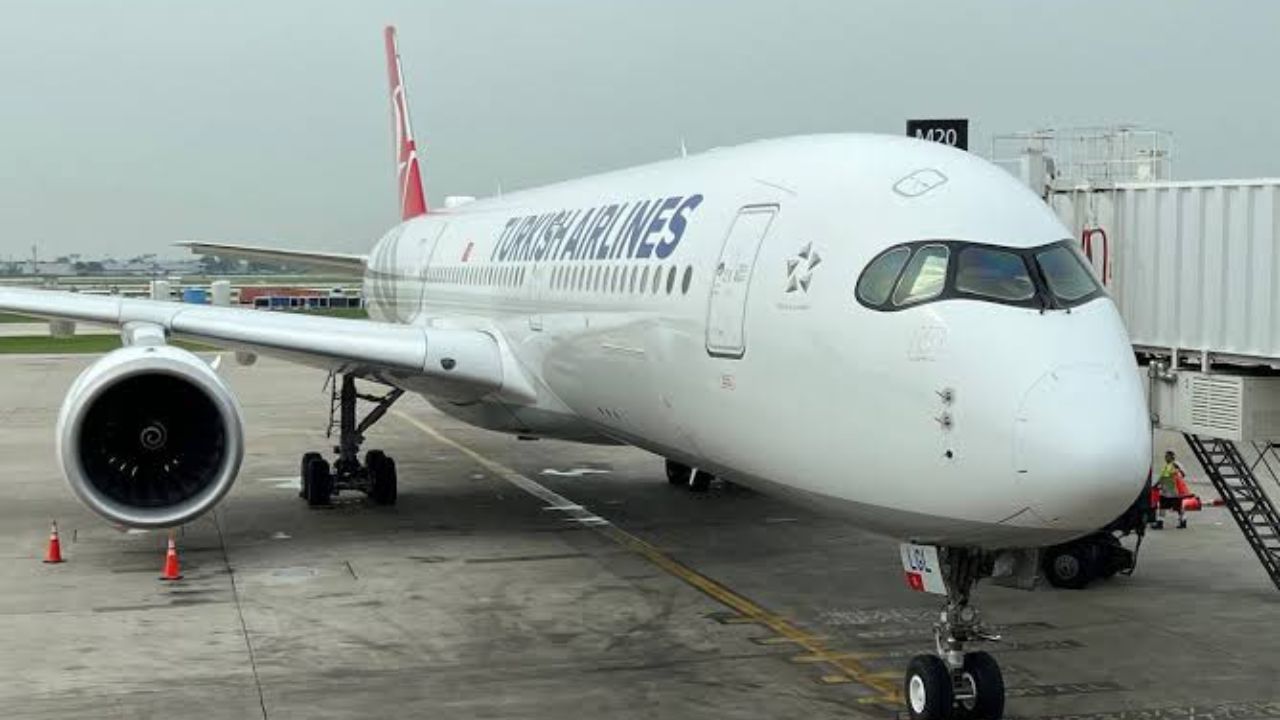
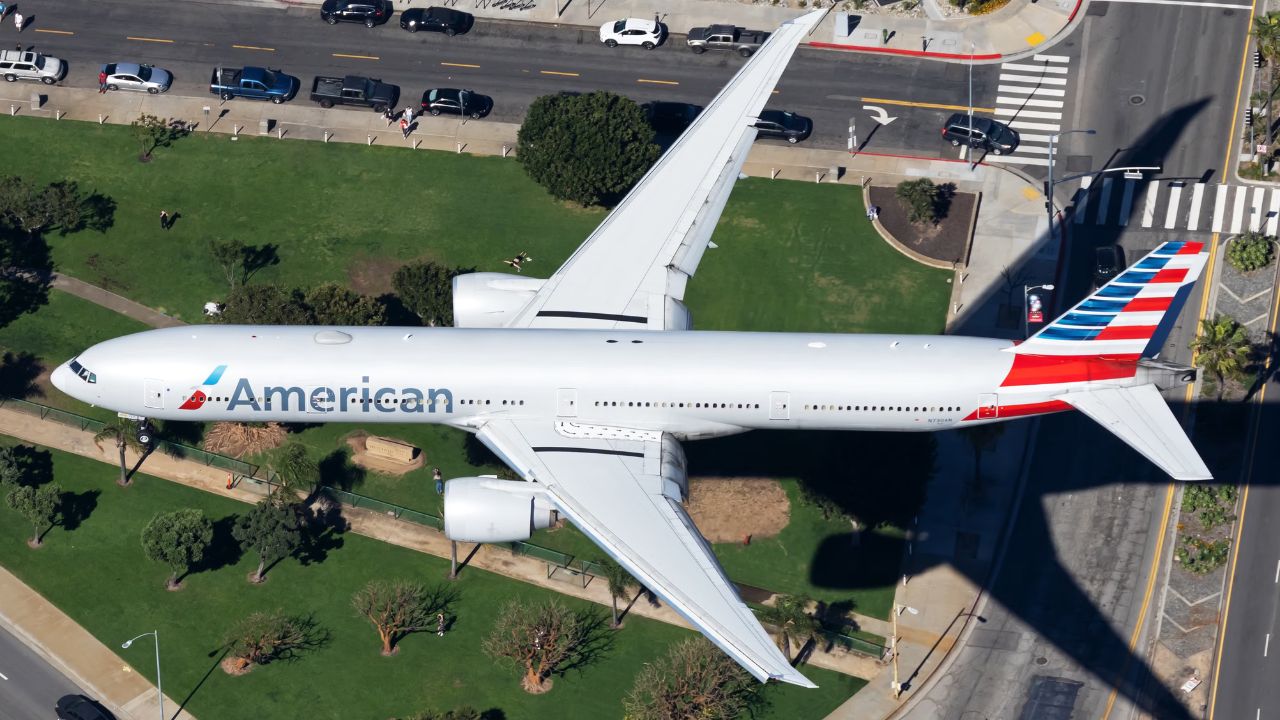
Despite the challenges, the investments made for the A380 have provided lasting benefits. Many airports that upgraded for the superjumbo are now better equipped to handle future large aircraft designs. The wider taxiways, stronger pavements, and expanded gates have increased overall capacity and flexibility. Newer widebody aircraft like the Boeing 777X and Airbus A350 benefit from these improvements without requiring further major works.
The A380 program ultimately proved more limited in scope than Airbus originally hoped, with production ending in 2021 after 251 deliveries. However, the infrastructure legacy remains significant. Airports that committed to A380 operations gained modern facilities that support efficient handling of large aircraft for years to come. For airlines like Emirates, which operates the largest A380 fleet, these upgrades were essential to realizing the aircraft’s potential on high-volume routes.
The experience also influenced future aircraft design. Boeing’s 777X incorporates folding wingtips to maintain compatibility with Code E gates while achieving the aerodynamic benefits of a wider wingspan. This innovation was partly a response to the infrastructure challenges highlighted by the A380.
Lessons For Future Large Aircraft Programs
The A380’s infrastructure impact offers valuable lessons for the aviation industry. Introducing significantly larger aircraft requires early coordination with airports and regulators to ensure compatibility. The experience demonstrated that aircraft manufacturers must consider not only technical performance but also the practical realities of global airport infrastructure when designing new types.
For airport operators, the A380 era reinforced the importance of flexible design standards capable of accommodating future growth. Many facilities that invested in Code F capabilities are now better positioned for increased traffic and larger aircraft. The program also highlighted the value of modular infrastructure solutions that can be adapted as needs change.
As the industry looks toward new aircraft concepts, including blended wing body designs and even larger concepts, the lessons from the A380 remain relevant. Balancing innovation with infrastructure compatibility will continue to be a key challenge for manufacturers, airlines, and airports alike. The superjumbo may not have transformed commercial aviation in the way its creators envisioned, but its physical demands left a permanent mark on the world’s airports, reshaping how large aircraft are accommodated for generations to come.