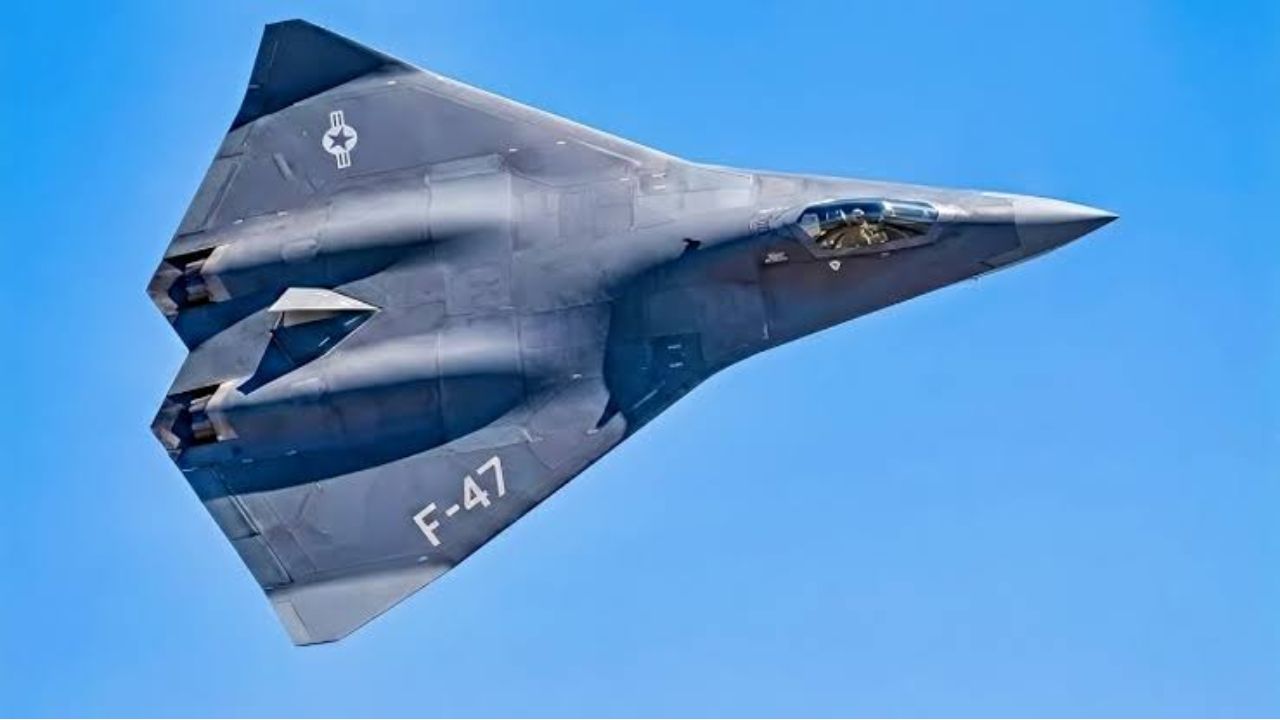
A thermal image captured near the secretive Groom Lake facility has sparked intense discussion about United States next generation fighter development. The footage appears to show an aircraft with features consistent with concepts for the Boeing F-47 under the Next Generation Air Dominance program. While authenticity remains unconfirmed by official sources the sighting aligns with known program timelines and design expectations for a sixth generation air superiority platform.
The United States Air Force awarded Boeing the F-47 contract in March 2025 with development work already underway. The program aims to field a highly advanced fighter capable of operating in contested environments against sophisticated adversaries. Prototypes and technology demonstrators likely support this accelerated effort with first flight targeted for 2028. The Area 51 vicinity sighting if genuine could represent one of these test aircraft.
Design Features Observed in the Sighting
The thermal footage reveals an aircraft lacking traditional vertical tail surfaces. This tailless configuration reduces radar cross section contributing to enhanced stealth characteristics. Forward canards appear present providing control authority without compromising low observability. The overall planform suggests a cranked kite wing design optimized for both subsonic efficiency and supersonic performance.
Such features align with public renderings and descriptions of the F-47. The aircraft prioritizes multi spectral stealth sensor fusion and collaborative operations with uncrewed systems. Reduced vertical signatures minimize detectability across radar bands while canards help maintain maneuverability. These design choices reflect evolving air combat requirements emphasizing survivability and networked warfare.
Experts note the image quality limits definitive identification. However the configuration matches expectations for sixth generation platforms. Variable cycle propulsion systems advanced materials and extensive internal weapons carriage would complement the observed external shape. The sighting timing corresponds with reported progress in the Next Generation Air Dominance program.
Program Background and Development Timeline
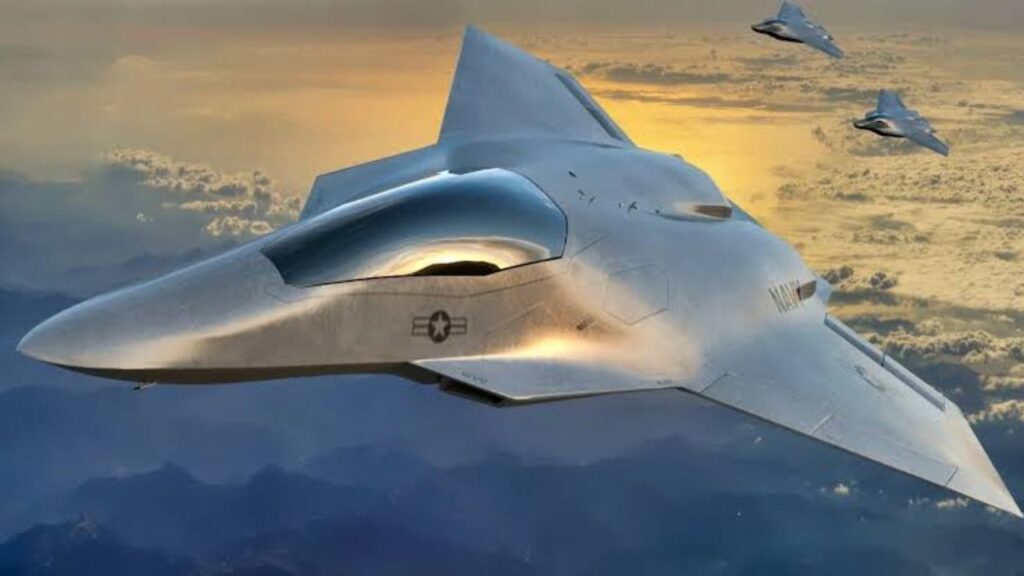
The Next Generation Air Dominance initiative encompasses more than a single fighter aircraft. It envisions a family of systems including crewed platforms and collaborative combat aircraft. Boeing selection followed competition with Lockheed Martin reflecting confidence in the company proposal for advanced capabilities. The contract value exceeds 20 billion dollars indicating significant investment in future air superiority.
Development leverages digital engineering techniques to accelerate timelines compared to previous programs. Technology demonstrators reportedly flew as early as 2019 supporting risk reduction efforts. The F-47 aims to replace the F-22 Raptor before capability gaps emerge against peer competitors. Initial operational capability targets focus on the early 2030s with substantial fleet procurement planned.
Key performance goals include extended range superior stealth and enhanced connectivity. The aircraft must integrate with uncrewed loyal wingmen expanding mission effectiveness. Advanced sensors electronic warfare systems and potentially directed energy weapons feature in requirements. These capabilities address evolving threats from advanced adversaries.
Comparison with Competitor Sixth Generation Efforts
China has demonstrated rapid progress with multiple sixth generation prototypes. The Chengdu J-36 and Shenyang J-50 show distinct configurations with iterative testing visible through open source imagery. These programs benefit from aggressive development approaches though engine technology and systems integration remain areas of focus.
United States efforts emphasize comprehensive system of systems approaches rather than isolated platform development. Collaborative combat aircraft will extend F-47 sensing and engagement capabilities. This networked philosophy differentiates American concepts from more traditional fighter designs. International cooperation with allies may further enhance coalition interoperability.
The F-47 development occurs amid broader defense industrial base challenges. Supply chain issues workforce requirements and technological integration demand careful management. Boeing experience with other programs provides both advantages and lessons for managing complexity at this scale. Congressional oversight ensures alignment with national security priorities.
Technical Innovations Expected in the F-47
Variable cycle engines represent a cornerstone technology for the F-47. These powerplants can optimize performance across different flight regimes switching between high thrust and fuel efficient modes. Such adaptability supports both rapid transit and extended loiter times during missions. Significant electrical generation capacity will power advanced sensors and potential energy weapons.
Stealth enhancements go beyond traditional radar cross section reduction. Multi spectral signatures including infrared and acoustic must be managed. Advanced materials and shaping contribute to overall low observability. Internal weapons bays preserve clean external profiles during operations.
Artificial intelligence and autonomous systems integration will enable sophisticated decision support. The aircraft serves as a command node coordinating with uncrewed platforms and other assets. Sensor fusion combines data from multiple sources providing comprehensive battlefield awareness. These capabilities transform traditional fighter roles into more complex system orchestration functions.
Strategic Importance and Future Outlook
Air superiority remains fundamental to United States military operations. The F-47 will succeed the F-22 in maintaining this advantage against evolving threats. Its development reflects recognition that future conflicts will feature highly contested environments requiring advanced capabilities. Collaborative systems extend reach and effectiveness beyond single platform limitations.
Production plans call for more than 185 aircraft eventually replacing legacy fighters. Timelines remain ambitious with first flight expected in 2028. Successful demonstration and testing will validate design choices and operational concepts. International partners may participate through technology sharing or joint procurement.
The Area 51 sighting if confirmed would provide rare public insight into highly classified development. Such glimpses fuel discussion while official details remain limited. The F-47 program represents a critical investment in maintaining technological edges essential for national security. Continued progress will shape air power capabilities for decades ahead.