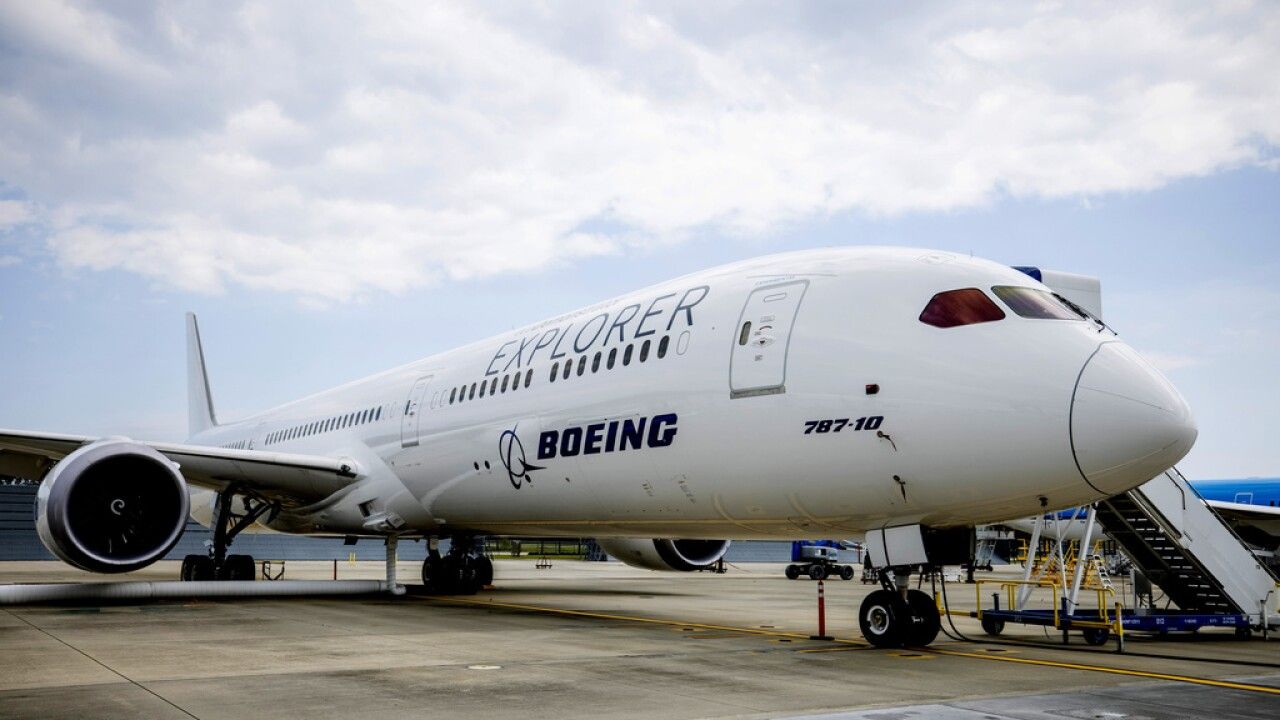
The Boeing 777X introduces significant improvements in cabin window technology compared to the earlier 787 Dreamliner. Gentex Corporation developed the Gen 3 electrochromic system for the 777X addressing limitations observed in the original Dreamliner implementation. These refinements focus on transition speed light blocking capability and overall passenger comfort. The changes represent a substantial evolution in how electronic dimmable windows function in commercial aviation.
The 787 pioneered large electronic dimmable windows eliminating traditional plastic shades. Early operators noted slow transition times and incomplete blackout capabilities. The system often left a persistent blue tint during daytime flights. Boeing and Gentex incorporated lessons from over a decade of 787 operations into the 777X design.
Technical Evolution from Gen 1 to Gen 3
The 777X utilizes Gentex Gen 3 electrochromic technology replacing older gel formulas with more responsive materials. Microscopic chemical layers react more efficiently to electrical currents. This results in faster alignment of molecules and improved performance. The new architecture achieves 99.999 percent visible light blockage compared to 95 to 98 percent on earlier systems.
Transition times improved dramatically. The 777X windows reach maximum dark state in approximately 60 seconds versus two to three minutes on legacy 787 models. This near instant response eliminates passenger frustration with unresponsive controls. Capacitive touch interfaces replace rubberized switches providing immediate feedback.
The system integrates advanced infrared and ultraviolet blocking coatings. These function as thermal barriers reflecting solar energy before it enters the cabin. This reduces load on environmental control systems particularly during extended sun exposure. The solid state design with no moving parts enhances reliability and reduces maintenance requirements.
Window Technology Comparison
| Feature | Boeing 787 | Boeing 777X |
|---|---|---|
| Technology Generation | Gen 1/2 | Gen 3 |
| Transition Time | 2 to 3 minutes | Approximately 60 seconds |
| Light Blockage | 95 to 98 percent | 99.999 percent |
| Control Interface | Toggle switches | Capacitive touch |
| Thermal Management | Standard coatings | Advanced IR UV blocking |
This table highlights key differences based on manufacturer specifications. Actual performance may vary slightly by aircraft configuration.
Cabin Integration and Passenger Benefits
The 777X windows measure 162 square inches providing nearly 30 percent more surface area than Airbus A350 equivalents. Boeing positioned them higher on the fuselage ensuring horizon visibility for a broader range of passenger heights. This design creates a more panoramic effect enhancing the sense of space.
Gradient grouping allows crew to adjust tinting based on sun position. This feature darkens only the sunny side while keeping shaded areas clear. Centralized automation helps manage cabin temperature and passenger comfort on ultra long haul flights. Individual controls remain available with safety overrides where necessary.
The system supports simulated sunrise programming. Windows transition gradually from blackout to clear over approximately 30 minutes. This helps regulate circadian rhythms reducing jet lag effects. The neutral dark gray tint preserves natural sky colors while providing effective light control.
Operational and Maintenance Advantages
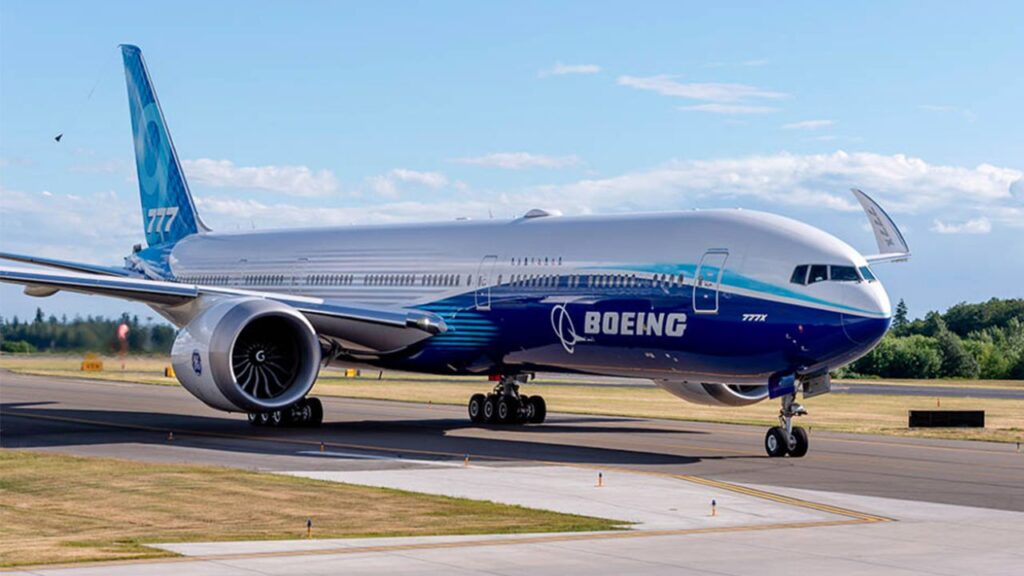
Traditional plastic shades frequently jam or break requiring maintenance intervention. The 777X electronic system eliminates these mechanical failure points. Higher mean time between failures keeps cabins in service longer. This reliability protects airline brand reputation and reduces operational disruptions.
Flight crews gain better environmental control tools. The ability to manage solar heat load improves overall cabin comfort. Reduced reliance on air conditioning systems may yield efficiency benefits. The technology integrates seamlessly with modern cabin management systems.
Airlines appreciate the lower maintenance burden. Solid state construction minimizes wear compared to mechanical shades. Cleaning and service intervals extend due to absence of moving parts. These factors contribute to lower long term operating costs.
Market Context and Competitive Positioning
The 777X competes directly with Airbus A350 in the large twin aisle segment. Superior window technology provides a tangible differentiator. Emirates and Qatar Airways as launch customers highlight the feature in marketing materials. Passenger feedback emphasizes the improved experience on long flights.
Future smart cabin concepts may build upon this foundation. Integration with transparent display technologies could enable information or entertainment overlays. Industry experts anticipate continued evolution of electrochromic systems. The 777X establishes a new benchmark for visibility and comfort.
Boeing invested heavily in refining the system based on real world 787 data. The Gen 3 chemistry addresses previous shortcomings directly. This iterative approach demonstrates commitment to passenger experience improvements. The technology will influence future aircraft programs across the industry.
Long Term Impact on Cabin Design
Electronic dimmable windows represent a shift from mechanical to digital cabin solutions. The 777X implementation proves the technology maturity for widespread adoption. Airlines gain flexibility in managing cabin environments. Passengers benefit from more consistent comfort levels.
The system aligns with broader trends toward connected intelligent aircraft. Integration with lighting and climate controls creates cohesive experiences. Future developments may include personalized window settings through mobile applications. The foundation established by the 777X will support these advancements.
In conclusion the Boeing 777X dimmable windows deliver substantial improvements over the 787 system. Faster transitions better light blocking and enhanced integration elevate the passenger experience. These advancements address previous limitations while setting new standards for the industry. As the 777X enters service operators and travelers alike will appreciate the refined technology.