The 2026 FIFA World Cup hosted jointly by Canada Mexico and the United States represents the largest edition of the tournament with 48 participating national teams. Coordinating travel for squads coaches medical staff and substantial cargo presents significant logistical challenges. While private business jets offer ultimate luxury they lack the capacity to accommodate full delegations. As a result teams rely on chartered commercial airliners with many opting for enhanced configurations that deliver premium comfort across the entire group.
Most teams charter widebody aircraft from their national flag carriers providing familiarity and strong branding opportunities. However a select group has secured specialized charters featuring all premium or near premium seating. These arrangements prioritize recovery and performance by minimizing jet lag and ensuring consistent comfort for players and support staff alike.
Brazilian National Team Charters VIP Configured Boeing 767
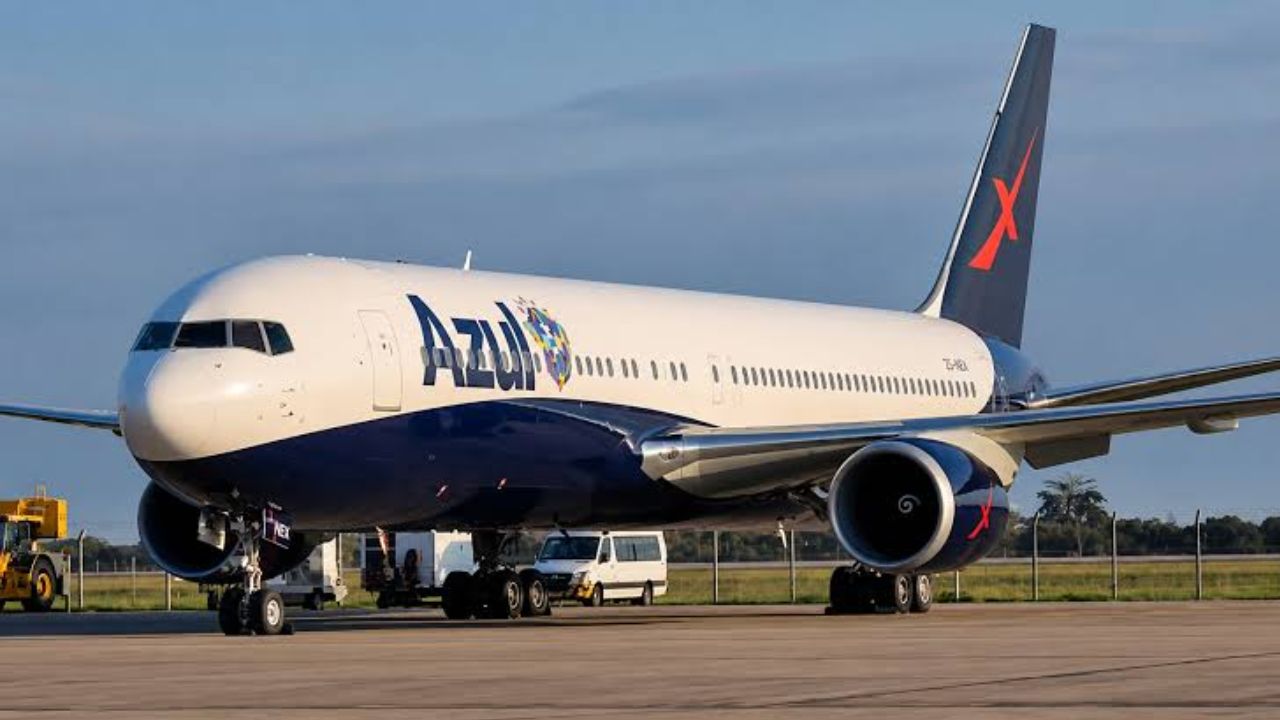
The Brazilian national team departed Rio de Janeiro for Newark on June 1 2026 aboard a Boeing 767-300ER operated by South African charter specialist Aeronexus. The aircraft registered ZS-NEX features a highly customized VIP interior with only 96 lie flat seats. This configuration stands in stark contrast to the typical capacity exceeding 200 passengers on standard 767 models.
Seats are arranged six abreast with generous 73 inch pitch and premium leather upholstery. Additional amenities include WiFi power ports and dedicated cabin crew consisting of a manager and six to eight attendants. A partitioned private section contains a leather couch that converts into a large bed. The aircraft received special livery elements honoring the partnership with Azul Linhas Aereas and the Brazilian Football Confederation.
Aeronexus Boeing 767-300ER ZS-NEX Operational History
| Previous Operator | Period | Registration |
|---|---|---|
| LOT Polish Airlines | 1990 onward | SP-LPA |
| Air New Zealand | Multiple leases | Various |
| EuroAtlantic Airways | 2014 | CS-TRW |
| Aeronexus | 2016 present | ZS-NEX |
This table details the aircraft lineage highlighting its long service before the VIP conversion. For Brazilian players accustomed to top tier commercial business class the setup provides solid but not exceptional luxury. Support staff however receive a substantial upgrade as everyone travels in lie flat seats rather than economy.
French National Team Utilizes All Business Class A321LR
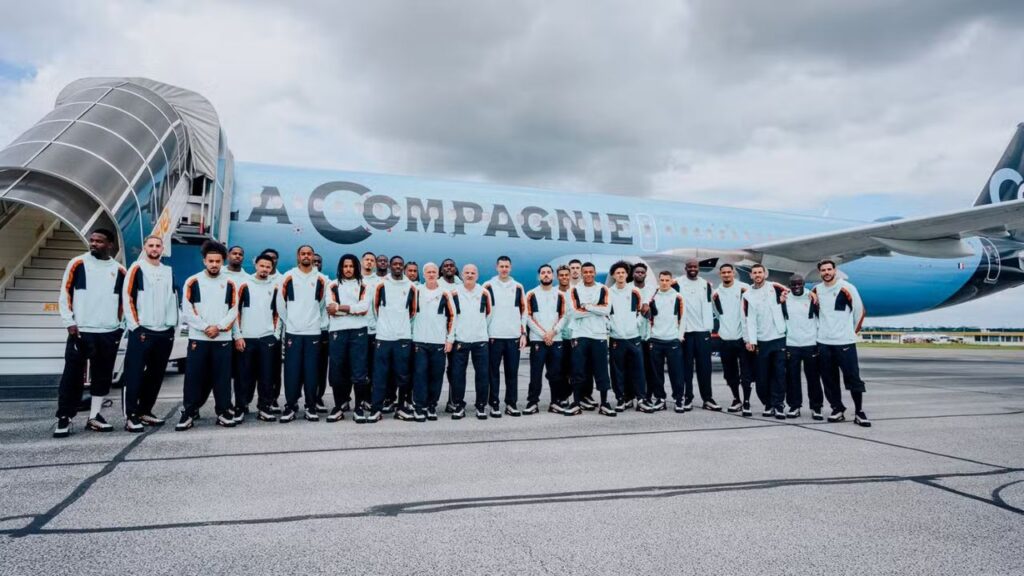
The French national team selected a unique narrowbody option for transatlantic travel. La Compagnie the French boutique airline specializing in all business class operations provided one of its Airbus A321LR aircraft. The plane configured with 76 Collins Aerospace Diamond seats offers full flat bed capability seatback entertainment and ViaSat WiFi.
Although narrowbodies typically represent a step down from widebodies in team charters this aircraft delivers uniform business class comfort to the entire delegation. La Compagnie operates as the official airline partner for the French Football Federation ensuring dedicated support throughout the tournament. The A321LR completed the journey from Paris to Boston efficiently demonstrating the viability of long range single aisle operations.
Players benefit from reduced jet lag thanks to the lie flat seating which supports optimal physical preparation. Staff members avoid economy class entirely receiving the same premium experience. This egalitarian approach distinguishes the French arrangement from many others where support personnel receive lesser accommodations.
Nordic Teams Share Icelandair Premium 757 Charter
The Norwegian Scottish and Swedish national teams utilized the same Icelandair Boeing 757-200 registered TF-FIA on staggered dates. This aircraft belongs to Icelandair charter operations and features an all Saga Premium configuration with 80 seats and no economy cabin. The seats offer 40 inch pitch grey leather upholstery seatback screens ViaSat WiFi and power ports.
While not full lie flat beds the recliners provide substantial comfort for the flight durations involved. The uniform premium setup ensures players and staff travel under identical conditions. TF-FIA previously wore a National Geographic livery but operated in a plain scheme for these charters. Icelandair deployed two sister aircraft TF-FIC and TF-LLL in similar configurations for other operations.
Icelandair Charter Boeing 757 Fleet Configurations
| Aircraft | Type | Premium Seats |
|---|---|---|
| TF-FIA | 757-200 | 80 Saga Premium |
| TF-FIC | 757-200 | 80 Saga Premium |
| TF-LLL | 757-200 | 80 Saga Premium |
This specialized setup offers one of the most consistent luxury experiences among World Cup charters. The aircraft supported multiple legs including technical stops demonstrating flexible charter capabilities.
Standard Practices for Most Participating Teams
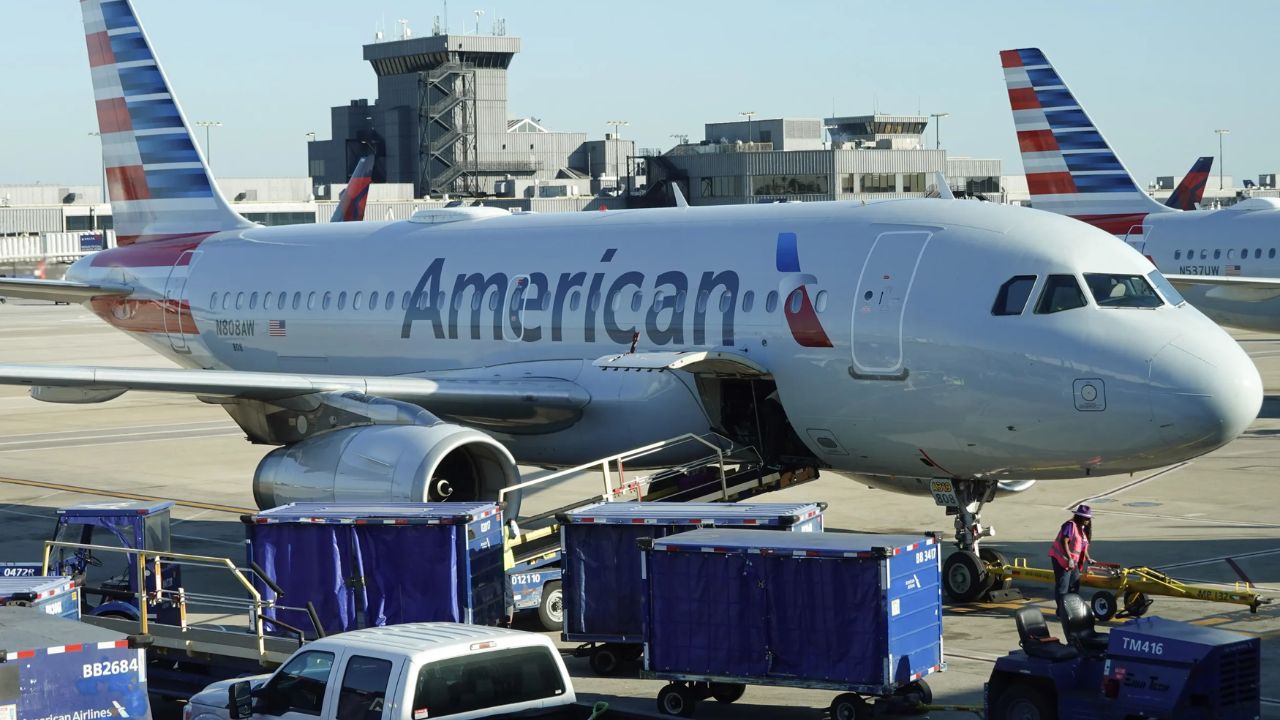
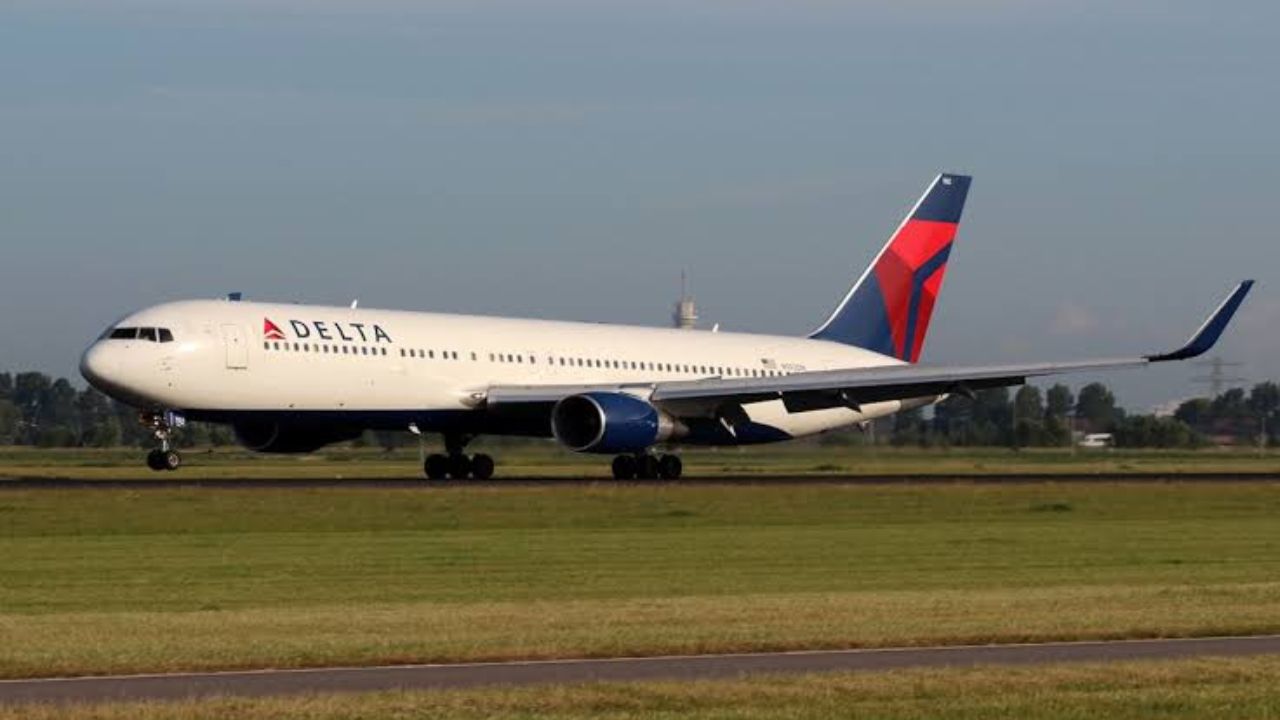
The majority of the 48 teams chartered widebody aircraft from national carriers. Examples include Qantas for Australia Royal Air Maroc for Morocco KLM Boeing 787 for the Netherlands and ANA Dreamliner for Japan. Virgin Atlantic supported the British team while Lufthansa provided an A330 for Bosnia and Herzegovina.
Charter specialists handled other delegations. National Airlines supported Croatia Gridiron Air managed Paraguay and Uruguay and Omni Air International covered Iraq and South Africa among others. These aircraft typically feature dense layouts with limited premium cabins.
Narrowbody charters sufficed for shorter routes. The Panama team used a Copa Airlines 737 MAX 8 while Cape Verde required a fuel stop with its 737 MAX. Within North America teams favor efficient narrowbodies from local operators such as Southwest JetBlue and Breeze for intercity movements. These provide adequate comfort for shorter domestic legs at lower costs.
Operational and Logistical Considerations
Team travel involves more than passengers. Substantial equipment medical supplies and support gear necessitate cargo capacity. Widebody charters accommodate these needs effectively. Private business jets remain impractical due to size constraints even the largest models cannot transport full squads plus staff.
Charter arrangements generate positive publicity for operators and align with national pride. Airlines often apply temporary branding and provide specialized catering. For regional travel within the vast host nations buses handle short distances while aircraft manage longer hops between match venues.
Benefits of Premium Configurations for Performance
Lie flat seating and enhanced amenities contribute to player recovery. Minimizing fatigue from long haul flights helps maintain peak physical condition ahead of matches. Uniform comfort across delegations fosters team cohesion and morale. Airlines like La Compagnie and Aeronexus tailor services to these high profile clients.
Sustainability elements appear in select operations. La Compagnie incorporated sustainable aviation fuel on French team flights. Broader industry trends toward efficiency influence charter choices as teams balance luxury with environmental considerations.
Broader Context of World Cup Logistics
The 2026 tournament spans multiple cities across three countries amplifying travel complexity. FIFA and host committees coordinate with airlines to facilitate smooth arrivals. High profile flights attract significant public and media attention with tracking services reporting millions of views for aircraft like the Brazilian 767.
Private jet demand surges among fans sponsors and executives but teams require airliner capacity. Charter companies position themselves as specialists in sports logistics offering flexible solutions. The event underscores aviation role in global sporting events.
As the tournament progresses teams will continue intra North America movements primarily on narrowbodies. Return flights home will mirror arrival charters. These specialized arrangements highlight innovation in sports aviation balancing capacity comfort and operational practicality.
The luxurious charters for select teams exemplify how national squads optimize travel for competitive advantage. From VIP widebodies to all premium narrowbodies these solutions elevate the journey and support performance on the world stage. As the 2026 FIFA World Cup unfolds aviation remains integral to the spectacle.