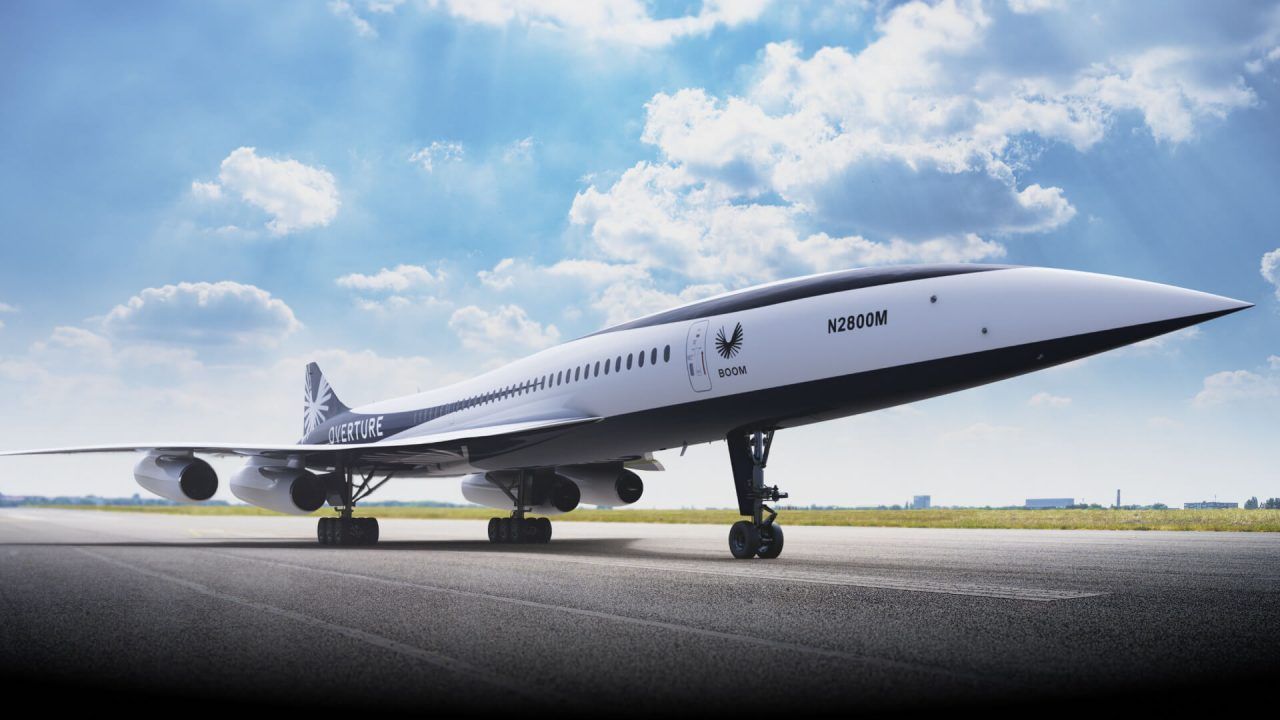
The return of commercial supersonic flight has long been anticipated since Concorde retired in 2003. Boom Supersonic now leads this effort with its Overture aircraft designed to operate at Mach 1.7 while addressing many limitations that made earlier supersonic travel exclusive to the wealthy. The company aims to make supersonic journeys routine and more accessible than Concorde ever achieved. This potential stems from modern technology a larger premium travel market and improved operational efficiency that could lower fares compared to historical supersonic services.
While challenges remain including certification timelines and sustainable fuel availability the Overture represents a significant step toward supersonic flight that more travelers might afford. This article examines why the Overture stands a strong chance of becoming the first supersonic jet to offer relatively affordable flights for a broader audience.
Concorde Set A High Price Benchmark
Concorde entered service in 1976 as a technological marvel but its operations came with substantial costs. The aircraft targeted premium passengers with an all business class layout of about 100 seats. Round trip fares on popular routes like London to New York averaged around 8000 dollars in the mid 1990s. Adjusted for inflation this equates to nearly 16900 dollars in 2025 values.
Despite high operating expenses Concorde eventually turned profitable for British Airways generating 14 million pounds in 1983 and rising to 54 million pounds by 1987. Profitability relied on premium pricing and strong demand from time sensitive business travelers. However the limited market size operational restrictions over land due to sonic booms and high fuel consumption kept fares out of reach for most passengers.
Current Premium Fares Offer A Useful Comparison
Today’s subsonic premium cabins on transatlantic routes provide context for potential Overture pricing. A review of sample round trip fares from London Heathrow to New York JFK in mid 2026 shows significant differences from Concorde era costs.
The table below illustrates typical business class and equivalent premium fares for selected dates around half a year in advance based on airline websites.
| Airline | Cabin Type | Approximate Round Trip Fare (GBP) | Approximate Round Trip Fare (USD) |
|---|---|---|---|
| British Airways | Club World Business | 1999 | 2694 |
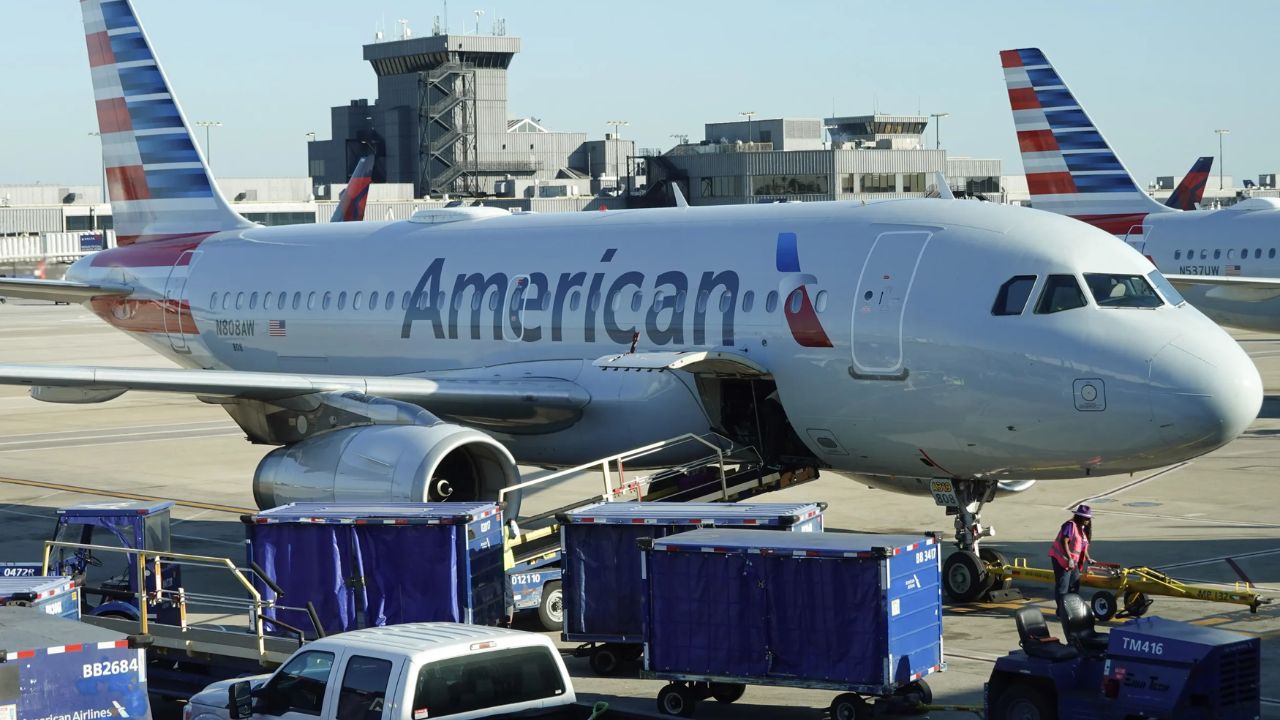
| American Airlines | Flagship Business | 3362 | 4530 |
| Virgin Atlantic | Upper Class | 3361 | 4529 |
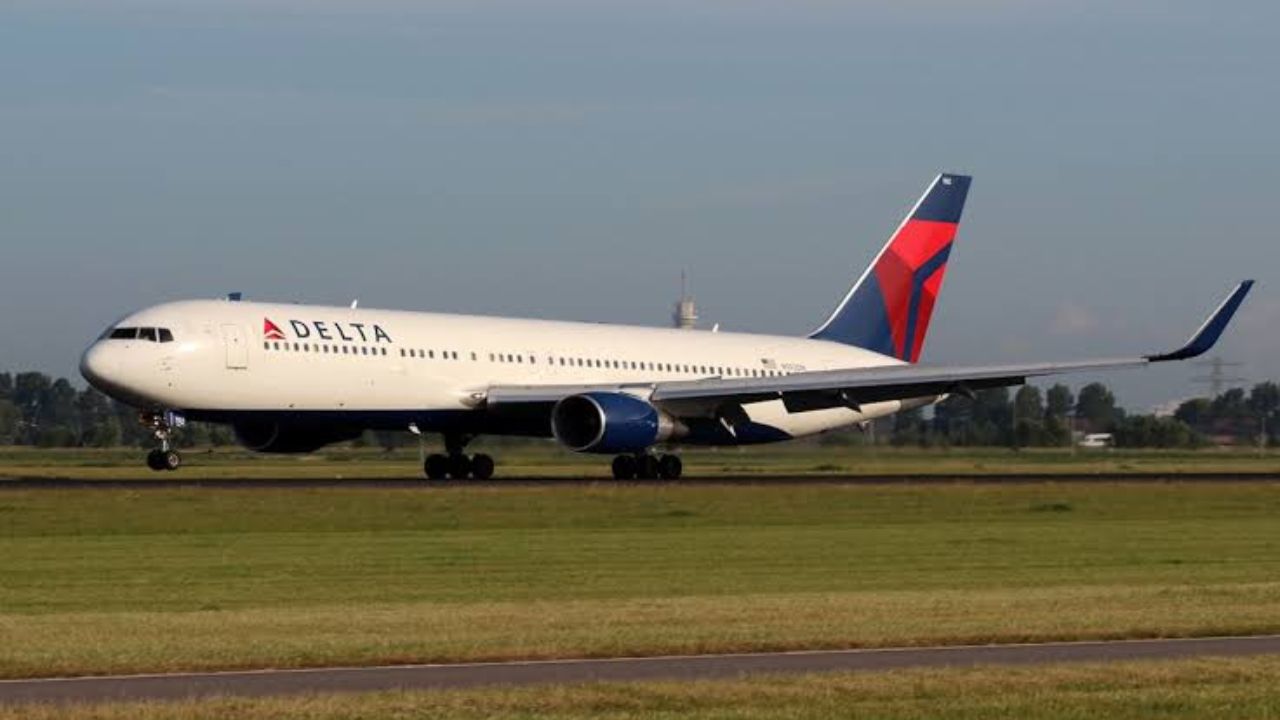
| Delta Air Lines | Delta One | 6678 | 9000 |
These figures fluctuate with booking timing seasonality and demand but they demonstrate that modern premium travel costs far less than Concorde fares even after inflation. Passengers now enjoy advanced lie flat seats inflight entertainment and quality service at prices that reflect economies of scale and competition. This environment suggests room for supersonic options at premium but not prohibitive levels.
Overture Design Advances Promise Lower Operating Costs
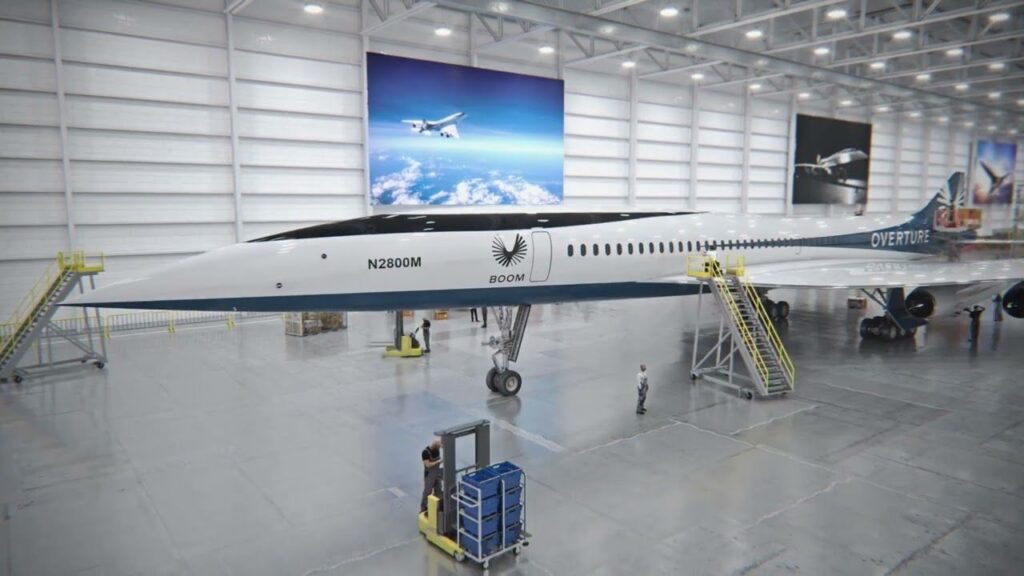
Boom Supersonic designed the Overture with decades of technological progress since Concorde. The aircraft targets cruise speeds of Mach 1.7 at altitudes around 60000 feet with a range of 4250 nautical miles. It will carry 60 to 80 passengers in a premium focused configuration.
Key efficiency improvements include advanced composite materials that reduce weight compared to Concorde aluminum heavy construction. Modern engines optimized for supersonic flight should deliver better fuel efficiency. The Overture also plans to operate on 100 percent sustainable aviation fuel which could mitigate environmental concerns and appeal to corporate travelers mindful of emissions.
These factors combined with improved aerodynamics and systems should result in lower fuel burn per passenger than Concorde. Reduced maintenance needs from contemporary materials and digital diagnostics further support better economics. Boom claims the Overture can operate profitably on more than 600 routes worldwide compared to Concorde limited viable network.
The table below compares key specifications between Overture and Concorde.
| Feature | Boom Overture | Concorde |
|---|---|---|
| Cruise Speed | Mach 1.7 | Mach 2.0 |
| Passenger Capacity | 60 to 80 | 100 |
| Range | 4250 nautical miles | 3600 nautical miles |
| Sonic Boom Management | Designed for overland capability with minimized boom | Restricted over land |
| Fuel Type Focus | 100 percent sustainable aviation fuel capable | Traditional jet fuel |
Such advancements position the Overture for more flexible routing and potentially lower per seat costs.
A Larger And More Premium Focused Market
The global air travel market has expanded dramatically since Concorde era. Passenger numbers reached record levels before recent disruptions and premium cabin demand continues growing. Business travelers and high net worth individuals increasingly value time savings especially on long routes where supersonic flight could halve journey times.
Current willingness to pay for premium experiences appears higher than in previous decades. Many corporations already invest in business class and private aviation for productivity gains. Overture could capture this segment by offering meaningful time savings at fares positioned between today’s top business class and ultra premium charter options.
Boom targets routes like New York to London where time sensitive executives would benefit most. With over 130 aircraft pre ordered or optioned by airlines including United American and Japan Airlines the manufacturer demonstrates commercial interest. This scale could drive down unit costs through production efficiencies.
How Affordability Could Become Reality
Several elements support the potential for more accessible supersonic fares. First modern manufacturing and supply chains should reduce acquisition costs compared to Concorde government backed program. Second higher utilization from flexible routing including overland segments increases revenue potential per aircraft. Third competition among operators could moderate pricing once service begins.
Boom envisions fares that make supersonic travel viable for a wider premium audience rather than only the ultra wealthy. While not expected to match economy prices the Overture could price closer to current international business class on key routes with the added benefit of dramatic time savings. For example a New York to London flight that currently takes seven to eight hours could shrink to roughly three and a half hours.
Sustainability features may also attract premium passengers and corporate contracts willing to pay a green premium. Partnerships with sustainable fuel producers could stabilize costs over time.
Remaining Challenges On The Path To Service
Despite promising design the Overture must clear significant hurdles before entering service toward the end of this decade. Certification for supersonic operations over land requires proving acceptable boom levels. Engine development and testing continue alongside the XB-1 demonstrator which has already achieved supersonic flight.
Market acceptance depends on proving reliability safety and consistent economics. Environmental scrutiny around supersonic flight remains high even with sustainable fuel plans. Airlines will need confidence in passenger demand before committing large capital to the aircraft. Boom progress with the XB-1 and strong order interest provide encouraging signals. The company opened a new production facility to support future manufacturing needs.
The Bigger Picture For Supersonic Revival
The Overture benefits from a transformed aviation landscape compared to Concorde time. Larger premium segments willingness to pay for speed and efficiency gains from five decades of technological progress create favorable conditions. While initial fares may still target high end travelers operational improvements could gradually broaden accessibility.
If Boom delivers on its efficiency and sustainability goals the Overture has a realistic chance to become the first supersonic jet offering relatively affordable flights for a meaningful segment of the market. Time savings productivity gains and premium experience could justify the price for many business and leisure travelers who currently choose subsonic premium cabins.
As development advances the aviation community will watch closely to see whether supersonic travel can finally move beyond exclusivity toward broader availability. The Overture represents an ambitious yet grounded attempt to achieve this goal through modern engineering and market realities. Its success could reshape long haul travel and reopen an exciting chapter in commercial aviation history.
For now the combination of advanced design growing premium demand and a focus on efficiency positions the Boom Overture as the strongest candidate yet for making supersonic flight more practical and affordable than ever before. Travelers seeking the ultimate in speed and comfort have reason to follow its progress with optimism.