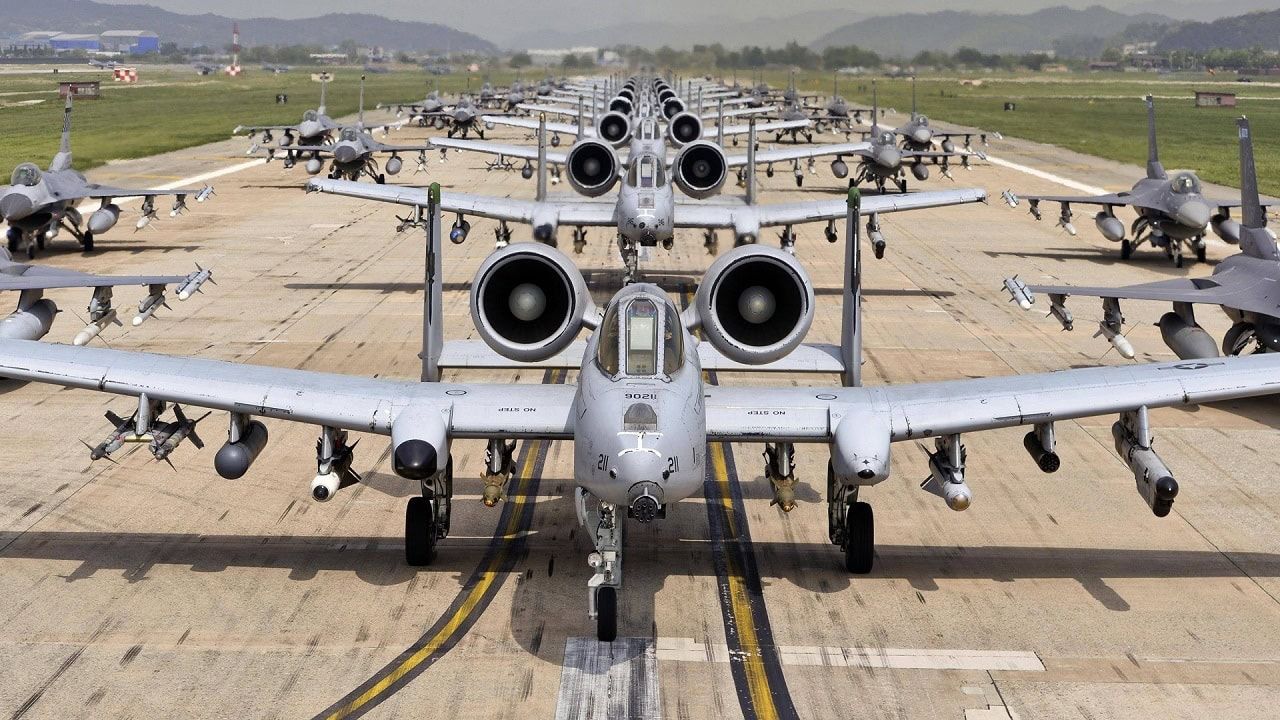
Out at dawn, the last A-10 Thunderbolt II lifted off from South Korea in 2025 under clear skies. Gone now, that tough old Warthog once ruled low-level strikes with unmatched grit. Instead, sharper F-16s sit ready at Osan Air Base, tuned for faster demands. Missions shift not because threats faded but because they changed shape entirely. Peer fights loom larger these days, so gear follows thought. Old habits give way when battlefields evolve beyond jungle trails and desert outposts.
Out here, the A-10s aren’t gone entirely just yet, but leaving South Korea sure means something. Though grounded there now, doubts linger on what comes next when ground troops need fast help from above. Looking closer, the jet’s path lately shows slowing use backed by big shifts in war plans. Because older ideas fade, newer tools rise. A mix of drones, fighters, and even new tactics slowly takes its place. Still flying in some places, the Warthog slips away piece by piece without much noise.
The A-10s Leave South Korea
Early in 2025, the 25th Fighter Squadron started removing its fleet of 24 A-10 Thunderbolt IIs from Osan Air Base. By September of that year, every Warthog was gone from South Korea. Instead, modernized F-16s that moved over from places like Misawa Air Base in Japan took on their duties across the area.
Now flying with smarter systems inside, these F-16s handle threats better, hit targets more precisely, and also link smoothly into wider combat networks. Shifting toward this mix helps the Air Force blend newer fighters with upgraded legacy jets instead of depending so much on aging, single-role planes such as the A-10.
Out there, near-future fights might mean facing off against strong opponents like China. When jets fly low and slow, they are easier targets where enemy shields are sharp. That shift pushes newer planes into the spotlight, specifically ones built to last longer under pressure. Choice leans toward machines that adapt fast when danger thickens.
Current A-10 Fleet Status and Planned Retirements
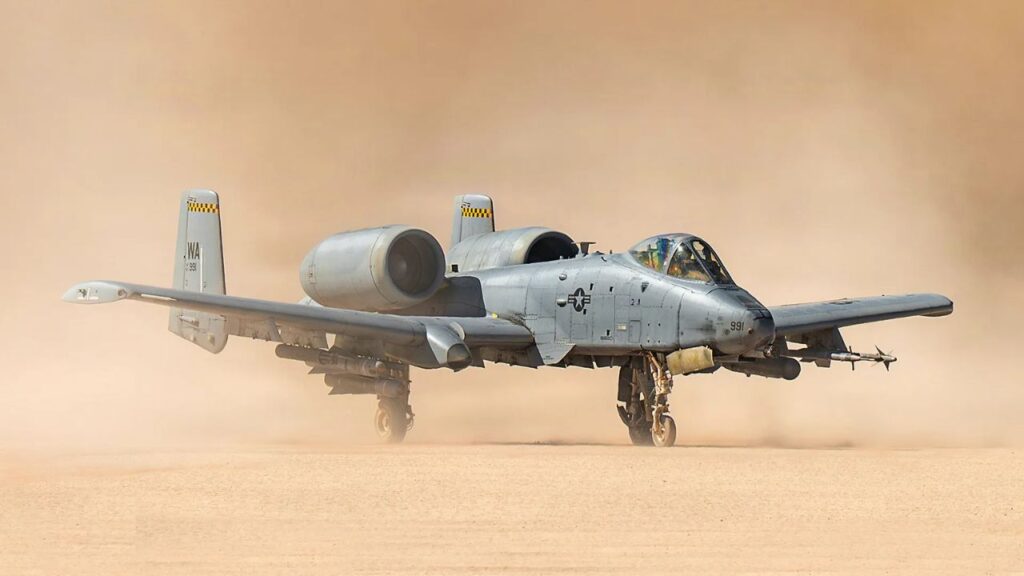
Early in fiscal year 2026, the Air Force held around 162 A-10C planes. Because lawmakers stepped into budget talks, withdrawals were capped, keeping at least 103 still active through the year. That move blocked full removal, which was something leaders once planned. What seemed certain suddenly wasn’t.
Seven hundred sixteen A-10 Thunderbolt IIs rolled out during initial production. Though shrinking slowly, what’s left still flies mostly across the U.S. mainland. Retirement is expected near 2030, yet decisions in D.C., shaped by spending plans and real-world demands, might shift that date from time to time.
Below, find how the A-10 Warthog shapes up on paper, with its specs laid bare and readiness noted. Each line tells what it carries and where it stands. Numbers speak louder here than names do, and performance marks its place in today’s fleet. Status updates show active roles unchanged lately. Design roots go deep, yet function stays current. Details align without flash or guesswork.
| Evaluation Metric | Aircraft Status and Data |
| Total Built | 716 |
| Inventory Early FY2026 | Around 162 |
| Minimum Authorized FY2026 | 103 |
| Top Speed | Mach 0.56 |
| Combat Radius | About 695 Nautical Miles |
| Expected Full Retirement | Circa 2030 (Unconfirmed) |
For now, certain tasks still rely on limited use even as numbers drop slowly over time.
Origins of the Warthog and its Historical Background
Out of tangled military rivalries and Capitol Hill wrangling during the late sixties into the seventies came the A-10. Backed by a tight circle of reformers later dubbed the Fighter Mafia stood an idea: aircraft should cost less and do one job well, favoring battlefield aid over flashy speed or altitude records. Built tough on purpose, it carried a massive 30mm GAU-8 gun meant to rip through armor, yet it still hauled heavy bomb loads without fuss. Toughness defined it, born not from sleek labs but long arguments about what pilots actually needed near the front lines.
Not just rivalry, yet friction between the Air Force and the Army mattered too. Once the Air Force split off, arguments sparked up because suddenly who handled close air support wasn’t clear anymore. The Army pushed ahead with machines such as the AH-56 Cheyenne gunship; still, resistance showed up fast. Deals followed, quiet ones, bending how both the A-10 and later the AH-64 Apache took form.
Air Force leaders didn’t treat the A-10 like a central part of their plans, even with its strong combat record. Since the 1980s, there have been pushes to phase out the planes, yet lawmakers stepped in repeatedly because troops saw them as vital backup overhead.
Evolving Role and Recent Operations
Despite newer jets arriving, the A-10 kept flying missions where staying power mattered most. Over time, rough conditions didn’t slow it down; instead, it adapted quietly. By 2026, patrols shifted toward coastal zones, hitting small vessels with steady accuracy. Targeting systems evolved too, especially when rocket-mounted lasers entered service. Drones became a concern, so this plane adjusted without fanfare.
Even so, weak spots show up when facing strong enemy air shields, making it less useful against top-tier rivals. That fact pushes change, leading to fewer old-style, low-level attack runs and more reliance on distant-strike arms and tougher systems to carry them.
Close Air Support Gaps: What Steps In
Few planes match the A-10 exactly. The Air Force now uses different tools along with updated tactics instead.
- F-35 Lightning II: Stealth shapes its edge, letting the F-35 slip past threats while dropping smart bombs on target. Instead of crawling across battlefields like the A-10, it stays far back, remaining hidden, linked, and aware. Sensors feed data fast, guiding attacks without needing to dive into danger. Its strength hides in silence, not armor; in speed, not brute force. Missions unfold at range where networks do the heavy lifting.
- AH-64 Apache: Now flying fewer close air support runs, the Army still uses AH-64 Apaches while leaning into long-range strikes and similar tasks. Shifting priorities like these show how both branches are adapting to tougher combat scenarios ahead.
- Unmanned Systems: Out in the open sky, machines fly without pilots, doing jobs too risky for people. Instead of sending humans into danger, these tools stay on station longer, hitting targets with care. Working together, some drones team up midair, reacting faster when things shift. Others circle above, waiting and then striking hard when needed most.
The list below outlines the primary differences and operational tradeoffs between the diverse platforms used today when aircraft assist ground forces:
- A-10 Warthog: Offers toughness and a big cannon that stays around a while. That is what keeps it useful when things get messy in close fights, yet it cannot handle newer enemy tech well.
- F-35 Lightning II: Defined by a sneaky design, sharp eyes, and hitting exactly where needed, though spending more means less protection near the ground.
- AH-64 Apache: Moves like a helicopter should and fits tightly with troops below, but it does not go far or fast without help.
- Drones and Crewless Combat Aircraft: Cheap enough to lose, safe to send often, and able to stick around, offering a distinct edge, just do not expect them to carry everything at once.
Because of this blend, handling various danger stages becomes possible without losing touch with troops on the ground.
Future Conflicts and Their Strategic Impact
One reason the A-10 is being scaled back is that the military now focuses more on facing strong rivals than small-scale rebellions. Instead of relying solely on old planes, newer models plus what’s left of the current force can handle lighter conflicts just fine. When up against nations with advanced missile networks and radar, tactics shift. Staying far away helps, using drones plays a part, and jamming enemy signals matters too. Staying safe means not getting close when danger lurks in the skies.
Even so, keeping up old-style air cover during tough battles still poses problems. Because experts admit flying low with crews might not work as well anymore, depending more on new tech feels likely. Different military branches working together now matters more than before, since older tactics lose their edge.
What keeps lawmakers and the public focused on the A-10? Often it’s how soldiers feel when they see it overhead. Yet symbolism alone won’t decide its fate because real concerns, like whether it can survive modern threats, play a bigger role. Budget realities also weigh heavily behind closed doors. Tough choices emerge when emotion meets engineering.
Leaving behind older models, newer jets now take flight across Pacific bases once held by aging Warthogs. Instead of relying on outdated frames, upgraded combat aircraft join forces with smarter rotorcraft and drone networks. Though shifting gears takes time, progress moves ahead, driven by tools that respond faster than old machines ever could. Success isn’t measured by hardware alone but by how well systems adjust when conditions shift mid-mission.
Out in the open skies, the A-10 Warthog wraps up a long chapter of duty. As it exits South Korea, making way for future systems, what fades is not just metal and engines. Instead, space opens for smarter, swifter ways to back troops below. Though one tough bird vanishes from runways, its role shifts into something leaner, ready to adapt when moments count.