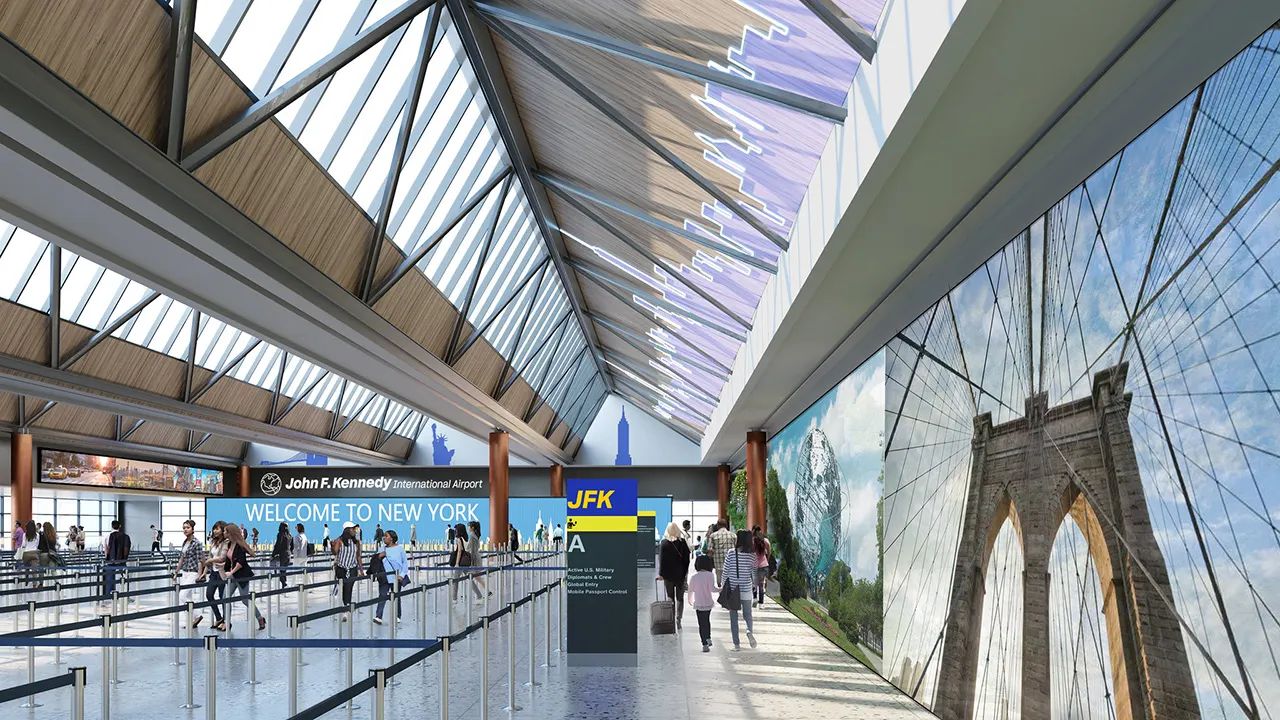
John F. Kennedy International Airport in New York ranks among the nation’s most traveled entry points. Underway at the site is the construction of a completely new Terminal One. The scale of this effort brings visions of sleek spaces, room for more travelers, and better services. Still, hidden beneath those glossy renderings, a mountain of over six billion dollars in debt looms larger after setbacks slowed progress.
New Terminal One Features
When finished, the new Terminal One will take over from old buildings, growing into the biggest standalone terminal nationwide. Stretching across roughly 2.6 million square feet, it comes with 23 boarding areas, including 22 ready for large planes, among them four built for the massive Airbus A380. Once fully open, passenger traffic could reach 23 million each year. Year by year, travelers will move through a space designed to last.
Most of the space, spanning over three hundred thousand square feet, goes toward shops, restaurants, and small service spots. Reaching customs becomes faster since each boarding area links straight to inspection checkpoints. Instead of just carrier-run rooms, travelers can choose lounges operated by Plaza Premium Group. Parking gets a major upgrade, offering far more spaces than before. Movement inside flows better now, avoiding bottlenecks common in today’s eleven-gate setup. From out of nowhere, twenty-two carriers signed on to move into the fresh hub. Pressure across current airport systems may loosen as a result.
Project Timeline and Recent Delays
A start was aimed for June 2026 with fourteen gates ready, along with a fresh space for people coming and going. Work on-site has shifted that moment toward November 2026, or possibly later. All twenty-three gates won’t be done until 2030, though more sections will appear by 2028 and after.
Months ticking by add weight to what’s already at stake. With every passing week the burden grows heavier because money keeps piling up on borrowed funds even though nothing comes in from daily work. Materials could get pricier too, making it harder to balance the numbers down the line.
The Huge Size of Funding
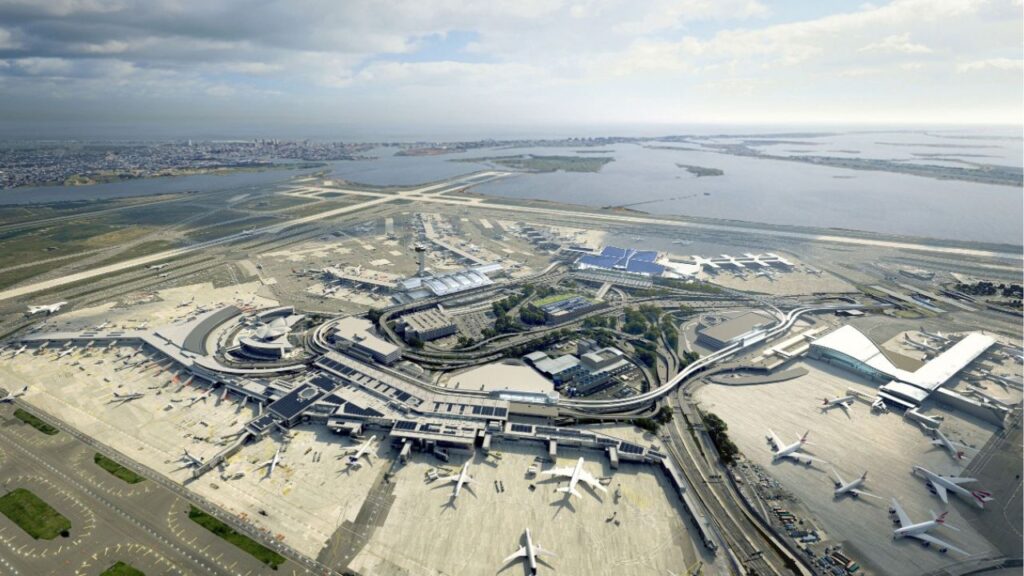
Close to 9.5 billion dollars makes up the full price tag. Running things is a group called New Terminal One LLC, featuring names like Ferrovial Airports, JLC Infrastructure, and Ullico, alongside the Carlyle Group. Their control over the location comes through a lease tied to the Port Authority of New York and New Jersey, lasting all the way to 2060.
Money comes mostly from investors, not public funding sources tied to the whole airport. About five point nine billion in bond sales happened so far, topped off with more loans that lifted overall borrowing past six billion. Paying it back depends on income from airlines using the building plus what travelers spend inside, not support pulled from other parts of JFK.
Instead of relying on wide airport funding, this method shifts weight to private teams. Performance pressure lands firmly on their shoulders rather than being spread across public systems. Risk ties directly to results instead of general income streams.
Credit Rating Worries from Moody’s
Now that the project has opened later than planned and demand predictions have shifted, Moody’s Ratings turned cautious on JFK NTO LLC. Its outlook now sits at negative, even though the Baa3 rating holds steady. That grade is still within investment-grade territory, though just barely, and reflects growing concern about repayment ability. If ratings slip again, loans down the road may cost more, shaking how investors view the deal.
Some challenges stand out right away:
- With just 14 gates at first, space runs tight and limits income early on.
- Bills stay steep because daily expenses pile up along with fixed rent owed to the Port Authority.
- When travelers show less interest than hoped, growth slows even more while operations get going.
Even with these hurdles, the project isn’t at risk of missing payments right now. What keeps it steady is the lasting need for flights arriving in New York. Its financial standing remains within investment-grade territory.
Broad Changes in How Airports Get Money
One new terminal stands out as a key example of how private money can build major U.S. airport facilities. If it works well, others may follow the same path. When problems arise, though, backers tend to step back from ventures tied closely to income from just one terminal.
Over at JFK, work on Terminal 6 is moving ahead under a separate group led by JetBlue. Priced near 4.2 billion dollars, it’s less costly than some similar undertakings. A big carrier backing means the flow of travelers stays steadier. So far, Moody’s sees little reason to shift its steady forecast for the venture.
Looking Ahead
One thing is clear, Terminal One could change how people move through JFK. With sleek spaces and smoother processes, getting around may finally feel less like a chore. What stands in its way? Delays during building work might slow things down. Money matters too, because once doors open, income must meet targets. The path forward mixes timing, planning, and real results.
With every passing day, eyes stay fixed on what comes next for the new target of November 2026. This effort reveals what is possible, yet it also shows how fragile big transit projects can be when bold funding models meet a global air travel hub.