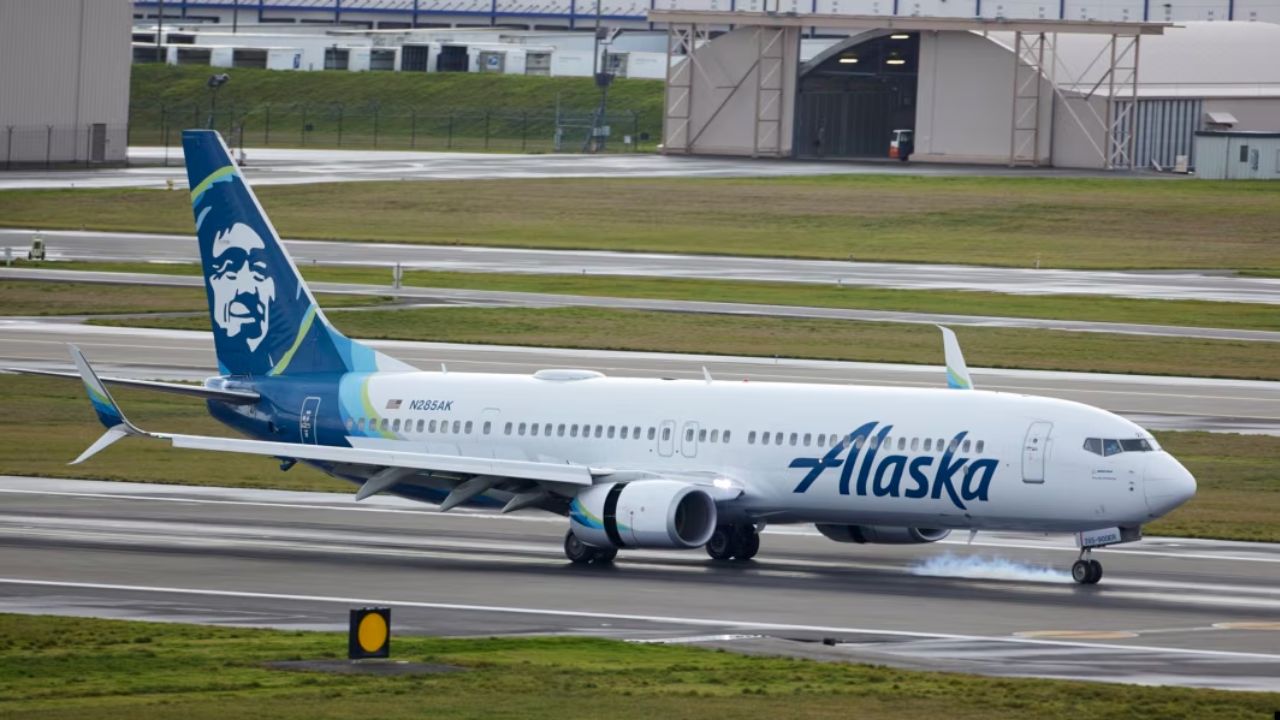
Now flying again, the last plane touched down after getting a full refresh. More legroom up front came through changes on over two hundred jets. A fresh look inside each cabin rolled out quietly during upgrades that just ended. Comfort took center stage instead of tight rows once common in back sections. Revenue goals shaped decisions but didn’t overshadow space improvements. Domestic flights now carry travelers who notice wider seats and updated screens. Recent days marked completion when crews welcomed passengers onboard the newly redone model.
Now fully refreshed, the core of Alaska Airlines’ planes is set for summer trips after the final jet, N562AS, rejoined the lineup just days ago. That milestone came only after a focused group spent nearly two years adjusting every single craft. Getting there meant squeezing upgrades into tight three-day windows per airplane, one by one. A fresh look rolls out as part of streamlining planes after joining with Hawaiian Airlines. New Boeing 737 MAX jets arrive while routes grow across the system. Flying feels smoother now, no matter if the plane is an earlier 737 or one of the latest MAX versions. The shift fits into upgrading how things work behind the scenes.
More Premium Seats Added to Different Models
Inside each plane, space shifted toward more high-end seats. Depending on the model, layouts changed, yet luxury stayed central. A bigger share of room went to top-tier travelers. Though designs differed across fleets, comfort climbed everywhere.
Four extra first class spots now welcome travelers on the 737-800 and 737 MAX 8. Comfort finds a little more room here, especially useful when skies stay close to home. Meanwhile, the 737-900ER plus 737-9 MAX keep their sixteen up front. Upgraded seating in another tier climbs from two dozen to thirty, slipping in added space without shifting the layout’s backbone. Now picture more high-value seats appearing through these tweaks. About 1.3 million extra full-fare spots could show up each year. Instead of adding planes, they’re filling gaps with better pricing chances. Revenue gets a nudge upward simply by reshaping what’s already flying.
Inside the plane, changes began with a handshake between Alaska Airlines and Recaro. Instead of separate deals, one collaboration covered every seat upgrade. Up front, travelers now settle into R5 designs made by Recaro. Behind them, the middle section uses R2 versions from the same maker. These chairs shape themselves slightly to fit bodies more naturally. Support comes easier during long stretches in the sky. Style matters too, because clean lines give a current feel without shouting about it. Coverings switched entirely to real leather across zones. That choice pulls the whole look together, quiet but clear.
Interior Improvements and Traveler Comfort
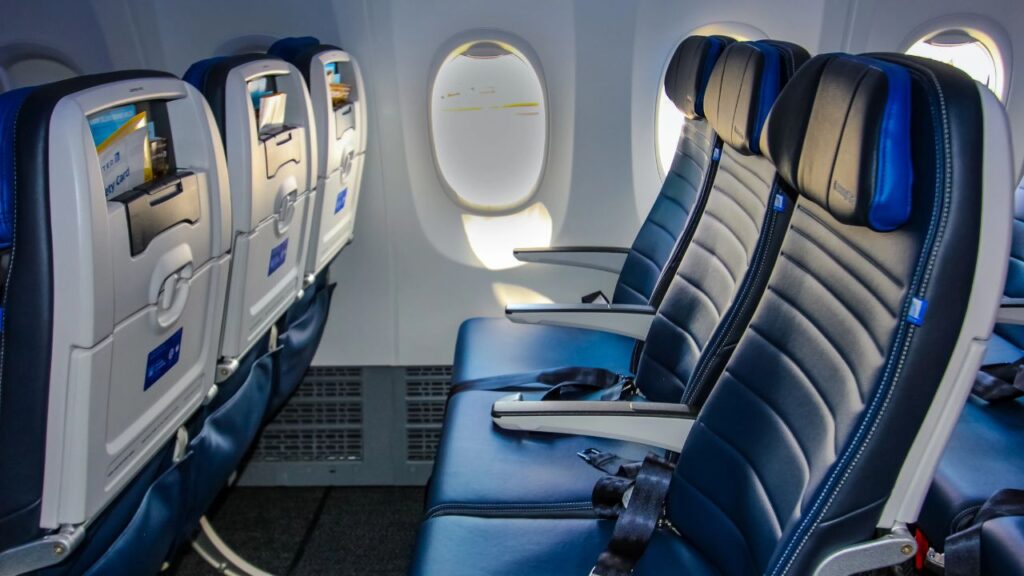
Not just bigger, the update brought quiet improvements throughout. Each spot gets its own cradle for gadgets, so screens stay close at hand midflight. Power arrives through robust USB-C outlets tucked where they fit naturally, leaving space uncluttered. Where cords once tangled, there is room to stretch.
Most people flying up front see their bags fit easier, thanks to labeled bins just for them. Worry less about finding room, since those spots are set aside first thing. Floors got new patterns, while walls between sections wear cleaner lines. Little changes like these add up, making every plane feel more alike inside. Most planes like the 737-800, along with the 900ER and newer 737-9 MAX models, get similar updates. Come summer 2026, almost every smaller jet in service will feature matching cabins inside. Travelers can expect familiar comfort no matter which plane they board on shorter routes.
Every change helped things run smoother. In just three days, fast turnarounds kept planes flying without delays, so flights stayed on time through the upgrades. A compact crew handled every detail tightly, showing clear skill in managing aircraft tech needs and refreshing interiors effectively. Their careful approach made complex tasks look routine.
That milestone got a nod from Christopher Dela Rosa. He runs Fleet Technical Support and Cabin Product Execution at Alaska Airlines. A post on LinkedIn pointed out the 650-day push. The whole fleet now lines up ready for busy summer travel. Progress like this fits tight into the Alaska Accelerate plan. Under his watch, moves like these carry more weight than they first appear.
Strategic Context and Merger Integration
Out back, the plane updates tie into broader shifts at Alaska Airlines. Merging with Hawaiian meant picking up big jets, like the Airbus A330s, for instance. Down the road, those interiors will get redone too.
When it comes to narrowbodies, updates help fill time before fresh planes come in. Because Boeing has had trouble building 737 MAX units fast enough, older models have been renewed, bringing their feel much closer to the latest versions. That similarity makes passengers happier while keeping the airline’s image steady across its fleet.
Early in 2026, Alaska Airlines moved forward with Boeing on a major purchase. This agreement covers 105 units of the 737-10 model, along with potential rights to add 35 extra planes, pushing their overall MAX commitments much higher. Meanwhile, five fresh 787 Dreamliners were included to back growing international routes. The first 737-10s should start arriving by 2027, once official approval is granted.
Alaska Airlines is setting itself up to grow. By 2030, it aims to reach as many as 12 new global spots using its base in Seattle and large long-haul planes. Meanwhile, changes at Seattle-Tacoma International Airport are keeping pace with smoother spaces and more room. What happens on the ground now lines up with what flies.
Revenue and Competitive Advantages
Nowhere is the shift more clear than in how people fly these days. Those heading out on home country routes still want better seats, real meals, and something that feels like care. Instead of treating every flight the same, Alaska Airlines adds more top-tier cabins where it makes sense. Higher prices come with that space and service, meaning profit climbs without chasing new crowds. Regular flyers notice. They stay.
Now comfort gets smarter, thanks to thoughtful updates that sharpen its edge on long flights. Not just roomy but cleverly arranged, each seat wraps tech into the ride without fuss. From front row to back, travelers reach their devices easily while power stays close at hand. Little changes like these add up across every plane, making each trip smoother than before.
One way this helps is by making networks run smoother. Because cabins follow the same layout, adjusting flight plans gets simpler. Switching planes between flights feels seamless to travelers. It works well for quick regional trips while setting up future long distance routes.
Looking Ahead
One step closer, Alaska Airlines wraps up its 737 upgrade journey. Fresh cabins fill the skies under their banner, setting a quiet standard. With planes arriving steadily, attention turns elsewhere as longer routes begin taking shape. Behind schedule changes, newer models slip into service almost unnoticed.
Even so, progress on the retrofit effort shows how well the carrier handles tough assignments. Still, hurdles pop up, like Boeing’s shifting delivery dates and blending Hawaiian flights into the mix. Right off the bat, travelers on Alaska Airlines this season will see changes. Step inside, you’re met with cleaner cabin layouts, better seat choices, and one upgrade after another adding up to something smoother. This move is about listening to flyers while staying sharp in an ever shifting market.
Now that Alaska Airlines has finished updating its cabins, the upgrade sets a steady base. With today’s fleet performing well, tomorrow’s long-haul and short-haul planes will add muscle to the routes. A dependable experience waits for passengers as the airline reaches more places worldwide.
Working together made the project move forward fast. Thanks to teaming up with companies such as Recaro, things went smoothly inside too. Every three days, one plane was done, which is a tough rhythm when each step needs care. Progress didn’t slow even with high precision demands.