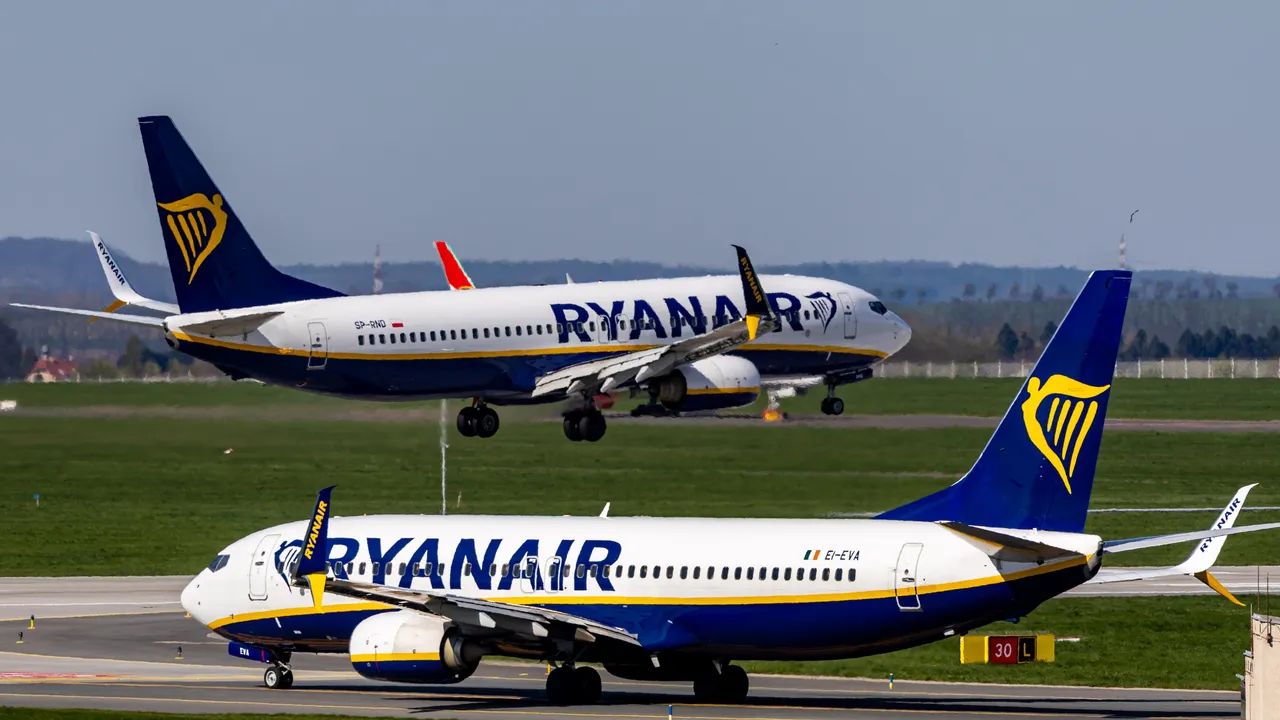
Ryanair, topping the list among European airlines, reshapes its plans for summer 2026. Instead of flying those 17 paths to Queen Alia International Airport in Jordan by July, it holds back. Not happening yet. Those trips wait till October ends, slipping into the winter lineup instead. A shift like that changes more than just dates.
This choice follows rising strain nearby, especially because of conflict within Iran – sending ripples through stability in the Middle East. When arranging travel to Jordan this season, people may want to check current reservations while thinking about different options.
Ryanair’s Role in Europe’s Air Travel
Summer of 2026 will see Ryanair flying 3840 return trips each day at its busiest point. That’s up six percent compared to the same time last year. Across Europe, about every sixth short flight belongs to this carrier. Leading the region’s short distance air travel remains its role.
Across Europe, the airline operates in many cities using smaller airfields to manage expenses and offer lower prices. Even with flights paused to Amman, its footprint remains wide on the continent. When disruptions hit – like political shifts – the timetable bends fast, showing how fluid flight planning must be. Sudden outside pressures often reshape routes without warning.
Ryanair Flights to and from Amman
Eight years ago, Ryanair began flying into Amman, the bustling heart of Jordan. Across those years, flight records show a total of 2,767 takeoffs tied to these paths. Tel Aviv holds first place when counting where else the airline flies nearby, Amman slips just behind. By 2025, wheels stopped turning for their Israeli runs, quieting that chapter entirely.
For now, safety concerns mean Ryanair lists just one airport in the Middle East for 2026 – Queen Alia International. Flights to Amman stopped around March 15 of that year. A comeback was penciled in for July 3, yet it acted more like a tentative note than a firm plan, considering tensions nearby.
October 25 now stands as the new restart point. That shift lines up with airlines across northern Europe switching to their cold-season timetables, per IATA rules. A pause in fighting might change things again just as quickly another flare-up could lock them back down. Flying light and cheap, Wizz Air will restart flights to Amman come September 22; just one path showing up so far.
Ryanair Keeps Jordan Flights on Hold for Summer

Mid-October marks the cutoff for flights hitting pause on all 17 paths to Amman. Those holding tickets from July onward might soon see messages about new dates, money back, or different options. Not one to stay quiet, Ryanair tends to reach out fast when plans shift still, eyes should stick to inboxes and that phone application. Silence won’t last long if something changes.
It’s happened before, tensions nearby mess things up. When places get shaky, carriers sometimes set loose timetables instead of firm ones, so they can adapt later if peace returns. Pushing back until October gives clearer planning for colder months, a period when Ryanair usually adds extra flights to Amman.
Routes Once Flown by Ryanair to Amman Now Stopped
Seventeen paths move through different times, shaped by need and daily logistics. Look at what’s expected from July into September:
Three weekly flights:
- Launched under Ryanair’s Lauda brand, Vienna airport goes by the code VIE
Two weekly flights:
- Beauvais (for Paris)
- Bergamo (for Milan)
- Bologna
- Budapest (BUD)
- Charleroi (for Brussels)
- Karlsruhe (for Stuttgart)
- Krakow
- Marseille
- Memmingen (for Munich)
- Bucharest (OTP)
- Pisa
- Poznan (POZ)
- Prague
- Rome Ciampino
- Sofia
One weekly flight:
- Madrid (MAD)
Out west, Madrid sits among Ryanair’s farthest flights when measured mile for mile. Schedules there stay thin, showing up just a few times each week. From Amman, flights reach 18 European airports, covering long distances through a broad web of connections. The planes flying these paths? Mainly Airbus A320s, alongside Boeing 737-800s and newer 737 MAX 8 models from the 200 series.
Competition and Market Context for Amman Routes
After October, just a few routes see airlines going head to head. Only four city links show real overlap, according to Cirium figures. Budapest stands out where Wizz Air flies similar paths. In Bucharest, travelers find Dan Air sharing space with TAROM. Madrid pops up as a shared route with Royal Jordanian stepping in. Vienna turns into a meeting point for Austrian Airlines and the same carrier again.
Every now and then, more airlines try their luck in big cities. Flights from Royal Jordanian reach key spots such as Brussels, Milan Malpensa, Munich, Paris Charles de Gaulle, plus Rome Fiumicino. Once upon a time, Eurowings flew out of Stuttgart while Transavia France linked up with Paris Orly both headed to Amman but those days are gone. Though they pulled back, the race among others continues.
Half of Ryanair’s 17 routes slightly more, actually will meet rivals starting in October, whether head-on or through less obvious paths. Because of this, the airline can still offer lower prices across several destinations.
Poznan To Amman Route In Focus
A key connection stands out: flights linking Poznan, Poland’s fifth-largest city, to Amjan. Operations started in November 2021, continuing without disruption since then. By 2025, Ryanair made available a total of 11,900 return seats along this path. Records show around 10,400 of those spots had travelers seated. That comes to an occupancy rate of 87 percent. Though slightly under the airline’s typical performance, demand remains steady here.
Most times, Ryanair pulls out if a route does not work well. Still running since 2021 hints that pricing and support fit their strategy. In time, financial help from the airport might be smaller now, yet steady interest from tourists keen on places such as Petra and Wadi Rum probably keeps flights full.
Winter trips from Central Europe get a boost when service restarts late next month, even though delays hit this path among several. Timing works out just right.
Travelers Face Changes and New Booking Tips
Passengers booked on these suspended routes should:
- Visit the Ryanair site or open their app to look up new flight choices – usually you can switch without paying more if the travel days are close. Sometimes it works straight away.
- Maybe shift your trip by a few days when flights come back. Prices tend to drop if you’re not stuck on exact dates. Moving things around could save money later.
- Should summer trips to Jordan matter, consider routing through different European stops. A less obvious path might begin elsewhere, then lead onward. Skip the usual lines; try detours that connect later. Paths shifting north first could work just as well. Timing changes slightly, yet arrival stays certain. Other gateways open when main ones crowd up. Move around, not straight through. Journeys bending outward still reach the same place.
- Keep an eye on updates, just in case peace returns faster than expected across the area. News might signal a restart sooner if things settle down nearby.
Still drawing visitors, Jordan holds steady thanks to ancient sites, lively traditions, because of desert landscapes. Though timing shifts might nudge when people visit, interest stays strong regardless. Come winter, Ryanair showing up again – possibly with more flights – might make getting there smoother.
Bigger Picture for Ryanair Routes
When schedules shift suddenly, problems tied to global tensions become clear. Because Ryanair relies on numbers, it can grow or shrink flights without waste. Updates go out often to services such as Cirium Diio and OAG – new paths, altered timings, pauses included.
Even with Amman on hold, Ryanair pushes expansion across Europe. Hitting smaller airports hard, running planes nonstop, stacking extra fees this mix keeps it steady. By 2026, summer flights still stand firm; the Middle East shift? Just one move in a bigger game.
Out of nowhere, shifts in flight paths reveal how world happenings shape airline choices – something keen travelers tend to notice. Not far behind, experts including James Pearson keep tabs through outlets such as Simple Flying, leaning on years spent studying air travel systems.
Services Resuming What Happens Next
Starting October 25, flying into Amman means lower ticket costs from Ryanair yet how much it actually costs depends on when people book. While winter brings steady flight patterns, skies over the Mediterranean tend to stay clear, cutting down delays. Winter flights to Amman hit a high last season, thanks to Ryanair filling planes from many nations. Should peace hold, more routes might appear soon after. Booking ahead helps secure better options, while travelers might think about insurance covering political unrest. Early planning opens more doors, especially when uncertainty looms nearby.
Ryanair Adjusts Focus With New Amman Routes
Out of nowhere, seventeen flight paths came to a halt, showing how flights, travelers, and world happenings shape one another. Safety sits at the front now, with steady operations close behind yet Jordan remains part of tomorrow’s plans.
Some travelers caught up in the shifts can rethink their trips or just hold off until winter brings things back. Winter restarts aren’t the only path; new routes open through updated travel options. Government steps taken early help keep doors wide for Europeans arriving in Jordan. Visitors still land there, drawn by steady access and clear rules.
Right now, eyes turn to October 25 when flights between Europe and Jordan might kick off a solid winter run. Updates will come via Ryanair’s own platforms, along with trusted flight news outlets. Things could shift again, simply because conditions keep changing.