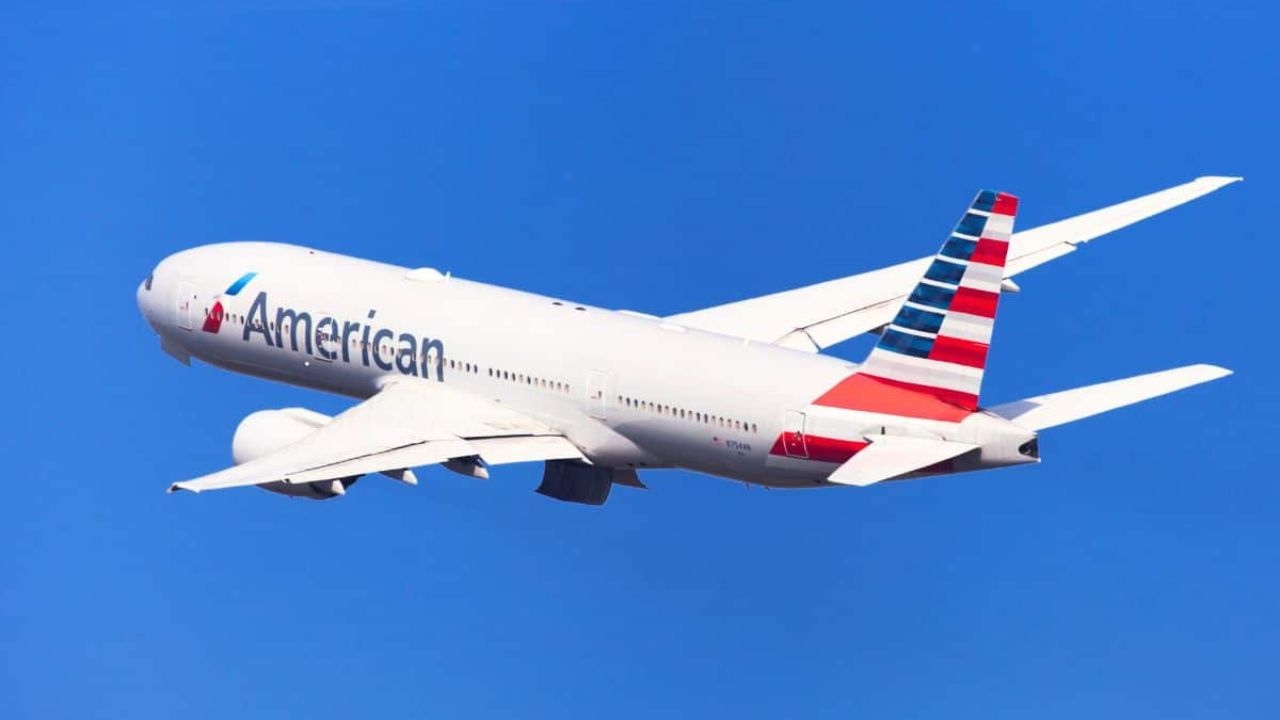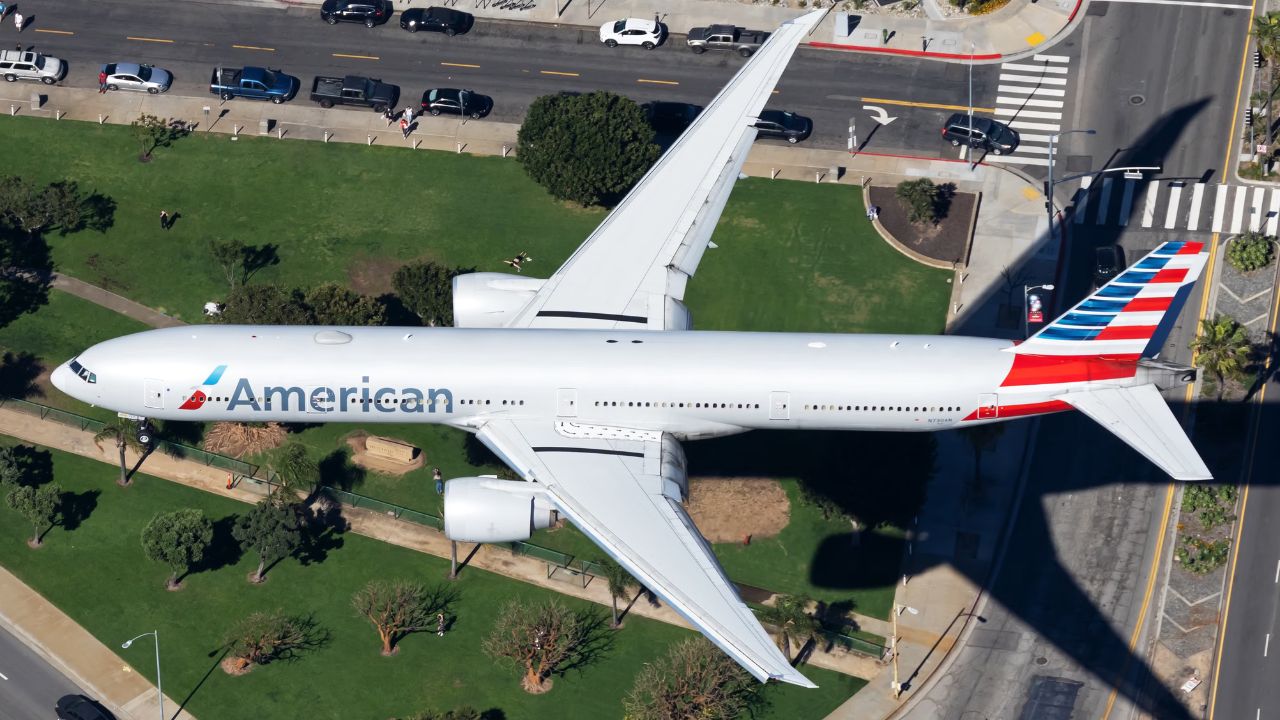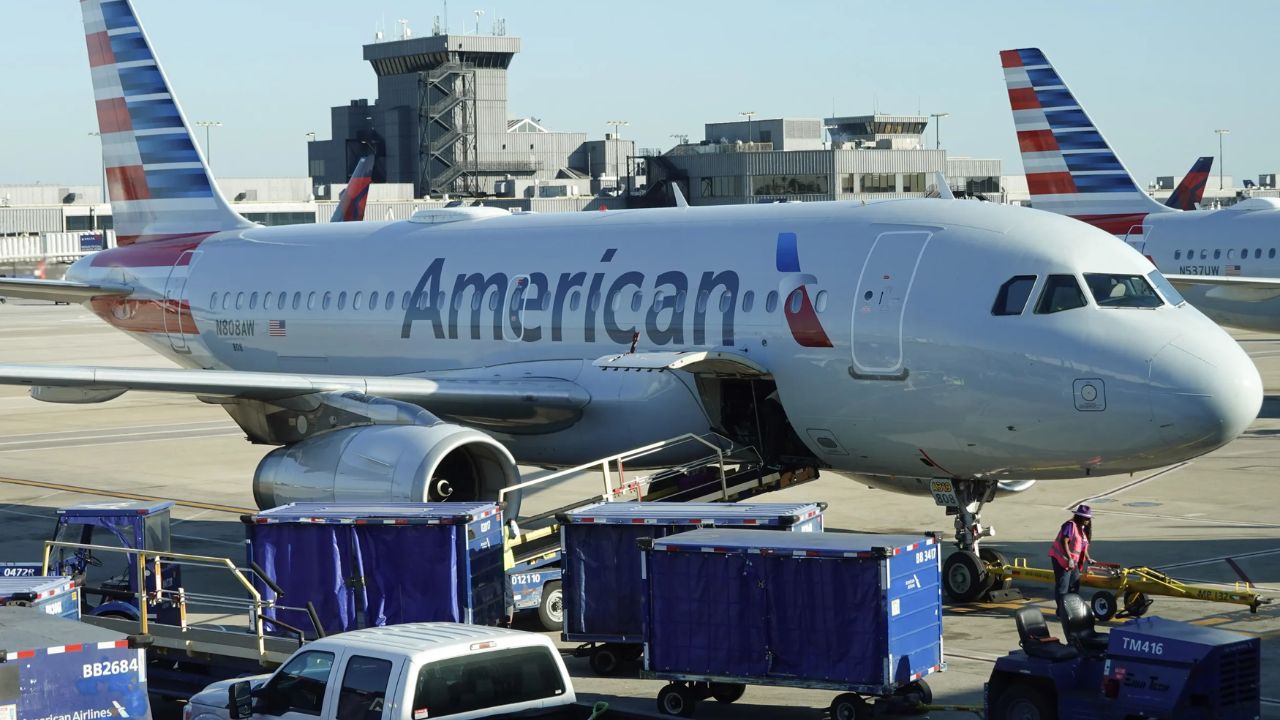
American Airlines has introduced a specialized Boeing 787-9 variant known as the 787-9P. This aircraft features a premium heavy configuration centered around 51 Flagship Suites. Launched in June 2025, it represents a strategic shift in how the carrier approaches ultra long haul operations. By reducing overall seat count to 244 passengers from the standard 285 in typical 787-9 layouts, American Airlines prioritizes high yield premium cabins over high volume economy sections.
This approach addresses evolving market dynamics. Rising fuel costs and fluctuating corporate travel demand have made traditional high capacity widebody flights more challenging. The 787-9P allows the airline to serve thin but lucrative routes with a product tailored to business and premium leisure travelers. As of May 2026, American operates 11 of these aircraft with plans to grow the sub fleet to 30 by 2029.
Dropping Total Seat Capacity For Revenue Focus
The core of the 787-9P strategy involves a deliberate reduction in total passenger capacity. Standard 787-9 aircraft typically carry around 285 passengers in a three class setup. The premium variant trims this to 244 seats through a configuration of 51 Flagship Suites in business class, 32 premium economy seats, and 161 economy seats.
This 41 seat reduction frees up significant cabin space and reduces overall aircraft weight. The reallocation favors premium products that command substantially higher fares. Network planners can now deploy the aircraft on routes with strong corporate demand but historically weaker economy load factors. Instead of filling hundreds of low fare seats to cover costs, the focus shifts to maximizing revenue per passenger on elite corridors.
The layout debuted on competitive transatlantic routes such as Chicago O Hare to London Heathrow. It has since expanded to more demanding ultra long haul sectors. This flexibility helps insulate high cost long distance operations from broader economic volatility.
Economic Rationale Behind Premium Emphasis
Reallocating cabin space from economy to premium makes financial sense in the current environment. Premium economy seats can generate significantly higher revenue per square foot compared to standard economy according to industry analyses. Business class suites offer even greater yields. By weighting the payload toward these high margin areas, American Airlines covers fuel and operational expenses more efficiently without relying on massive coach volumes.
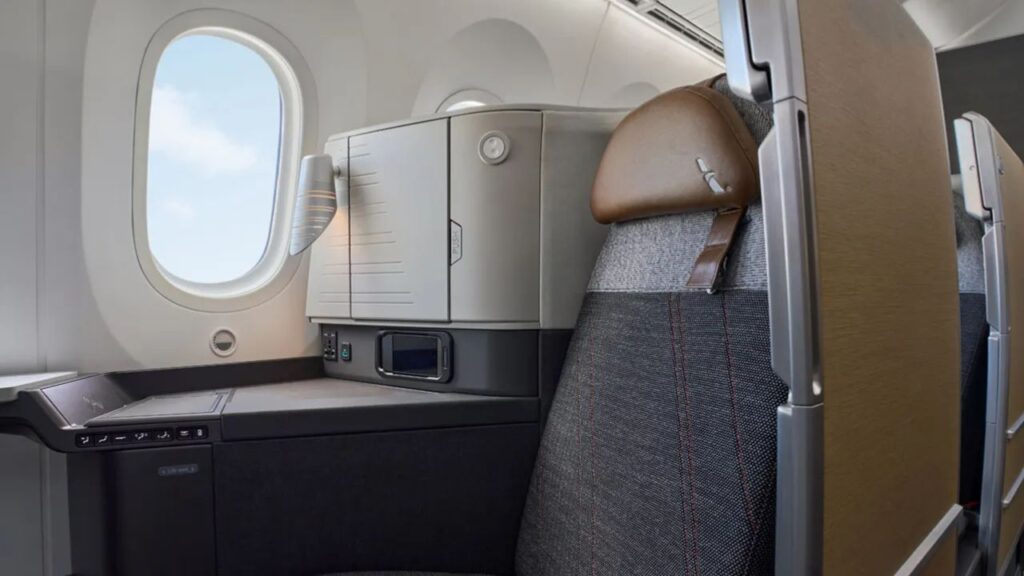
The 787-9P configuration includes 51 Flagship Suites based on the Adient Ascent platform arranged in a 1-2-1 reverse herringbone layout across two cabins. Each suite provides direct aisle access, a fully closing sliding privacy door, wireless charging, USB-C and AC power outlets, and a chaise lounge function with adjustable headrest. Eight of these are designated as Flagship Preferred Suites in bulkhead positions offering 19 percent more bed space and 42 percent more living area.
These enhancements justify premium pricing while enhancing passenger satisfaction on flights lasting 14 hours or more. Service includes priority ground handling, access to Flagship lounges, multicourse meals with curated wines, premium amenity kits, duvet blankets, and dual sided pillows.
Weight Savings Enable Ultra Long Routes
Ultra long haul flights require substantial fuel loads that limit payload. The lighter 244 seat configuration of the 787-9P mitigates this by carrying fewer passengers overall. This weight reduction improves fuel efficiency and range performance on the longest sectors in American Airlines network.
Key deployments include daily flights from Dallas Fort Worth to Brisbane operating as AA7 and AA8. This route spans over 8300 miles and approximately 14 to 15 hours. The airline also uses the 787-9P on Dallas to Auckland services. These transpacific corridors represent some of the longest nonstops globally and were previously vulnerable to seasonal demand swings in economy.
With a stable core of 51 business class suites generating consistent high yields from corporate travelers, these routes maintain profitability year round. American Airlines is the only carrier operating nonstop service on the Dallas to Brisbane and Dallas to Auckland pairs, giving it a unique market position.
The Boeing 787-9 family offers excellent efficiency thanks to its composite construction, advanced engines, and aerodynamic design. The Dreamliner can achieve ranges up to around 7635 nautical miles in standard configurations. The premium heavy setup optimizes this capability for revenue focused operations rather than maximum passenger throughput.
Cabin Design And Passenger Experience
The Flagship Suites represent a major upgrade over previous American Airlines business class products. High walls provide privacy alongside the sliding doors. The chaise lounge mechanism allows passengers to customize positions for work, dining, or relaxation before converting to a fully flat bed. Individual air vents and extensive power options further enhance comfort.
Premium economy benefits from the redesign as well. The 32 seats use a 2-3-2 configuration with enhanced features including structural headrest wings for support and privacy, calf rests, footrests, and dedicated water bottle storage. Wireless charging and improved amenities close the gap to business class.
In the economy cabin of 161 seats, American Airlines installed high definition 4K QLED monitors from Thales along with Bluetooth audio connectivity for personal headphones. These improvements apply across all classes ensuring consistent satisfaction even as total capacity decreases.
| Cabin Class | Seats | Key Features | Configuration |
|---|---|---|---|
| Flagship Suites (Business) | 51 | Sliding doors, chaise lounge, privacy, premium service | 1-2-1 reverse herringbone |
| Premium Economy | 32 | Enhanced headrests, calf rests, more space | 2-3-2 |
| Economy | 161 | 4K screens, Bluetooth audio, standard comfort | Standard rows |
This table summarizes the 787-9P layout highlighting the premium emphasis.
Broader Fleet Strategy And Future Impact
The 787-9P forms part of a larger initiative to increase international lie flat and premium economy seating by 50 percent by the end of the decade. It complements other fleet modernizations including Airbus A321XLR aircraft with similar premium focused interiors.
By carefully matching aircraft capacity to route yield profiles, American Airlines optimizes its widebody network. The strategy proves particularly effective on transpacific and other long haul sectors where traditional high density economics have struggled. Competitors have taken note of similar premium shifts though American leads in scale with this specific 51 suite setup.
Passengers on these aircraft experience one of the most luxurious long haul products currently flying. The combination of hardware, soft product, and targeted routing creates a compelling proposition for high value travelers. For the airline, it rewrites the break even calculations for ultra long routes making previously marginal services sustainably profitable.
As the fleet grows toward 30 aircraft, more routes will likely receive the 787-9P treatment. This includes additional seasonal deployments to destinations like Buenos Aires and expanded transatlantic service. The model demonstrates how innovation in cabin configuration can directly influence network viability in a competitive global market.
In summary, the American Airlines 787-9P with its 51 Flagship Suites delivers a refined balance of operational efficiency and revenue maximization. It sets a new standard for premium heavy widebody operations on the worlds longest routes.