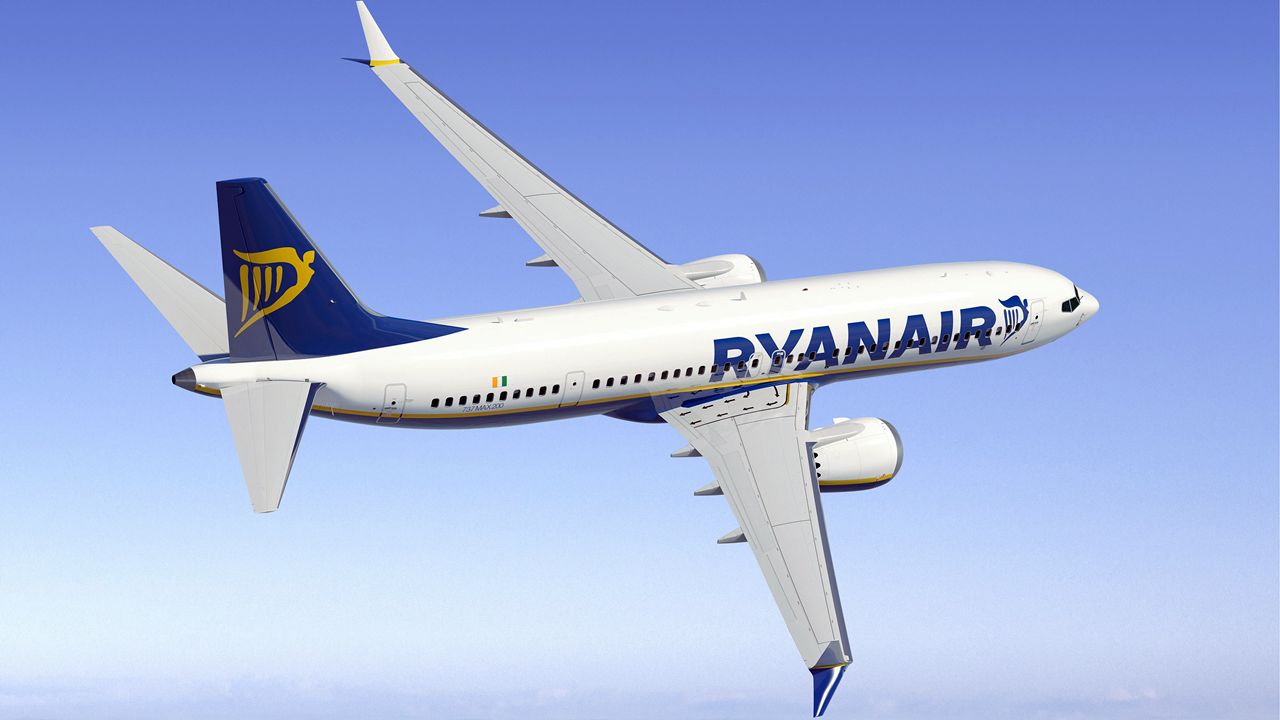
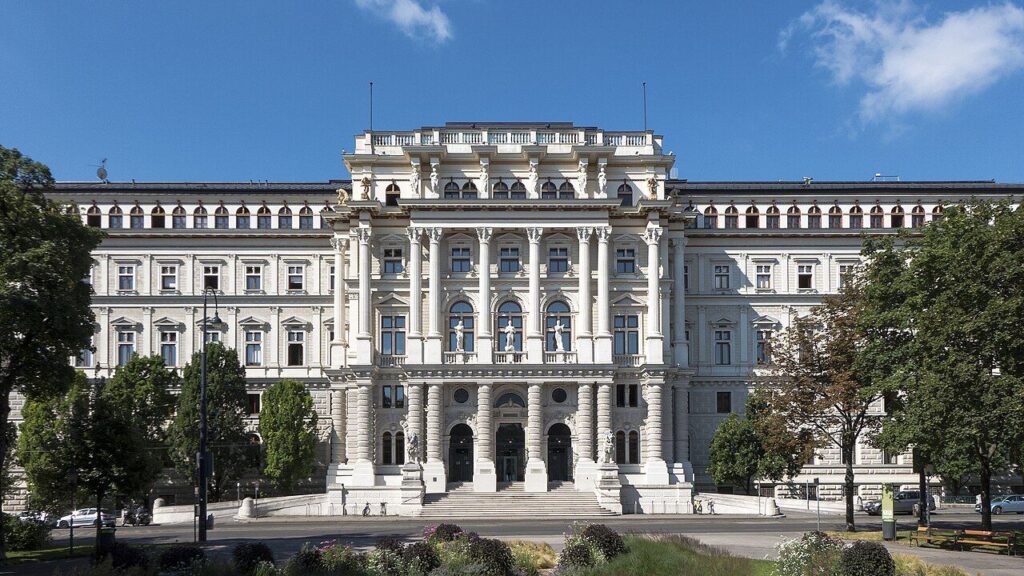
Ryanair faces potential changes to its fee structure following a ruling by the Austrian Supreme Court. The decision declared multiple additional charges unlawful including the well known airport check in fee. This outcome stems from a case brought by the Austrian Consumer Association on behalf of the government focusing on transparency and fairness in consumer contracts. The implications extend beyond Austria potentially affecting how the airline structures pricing across its European network.
The court examined 15 specific fee clauses in Ryanair terms and conditions. Fourteen were found to violate Austrian consumer protection laws. These rulings highlight ongoing tensions between low cost carrier business models and regulatory expectations for clear pricing practices. Ryanair must adjust its policies within three months in Austria or risk further legal challenges.
Details of the Court Ruling and Affected Fees
The Austrian Supreme Court decision centers on transparency requirements and unfair disadvantage to consumers. The €55 airport check in fee received particular attention as it can apply even when passengers face circumstances beyond their control such as website outages. Similar concerns applied to other charges including boarding pass printing infant fees and name change costs.
The ruling requires Ryanair to cease using the contested clauses in Austria. Consumers may pursue individual claims for previously paid fees though the court did not mandate automatic refunds. The Austrian Consumer Association views this as a significant victory for passenger rights emphasizing that additional costs must be clearly presented and reasonable.
Ryanair maintains that the decision does not invalidate its overall business model. The airline argues that fees encourage online check in which reduces operational costs and supports lower base fares. Company representatives note that the ruling applies specifically to Austria and does not require compensation for past charges.
The following table lists key fees impacted by the Austrian ruling:
| Fee Type | Amount in Euros | Equivalent in US Dollars |
|---|---|---|
| Airport Check In | 55 | 62 |
| Boarding Pass Printing | 15 | 17 |
| Infant Fee | 25 | 29 |
| Name Change | Up to 160 | Up to 186 |
Ryanair Business Model and Ancillary Revenue Strategy
Ryanair built its reputation on ultra low base fares supplemented by various optional services. Ancillary revenue including seat selection baggage fees and check in charges forms a substantial portion of the airline total income. This approach allows competitive pricing while monetizing additional passenger preferences and requirements.
The airport check in fee specifically aims to promote digital processes reducing staffing and infrastructure costs at airports. Ryanair encourages passengers to use its website or mobile application for check in to avoid the charge. Similar logic applies to other fees designed to influence behavior and generate additional revenue streams.
Critics argue that such fees create complexity and can lead to unexpected costs for travelers. Consumer advocates particularly challenge situations where charges apply due to circumstances like technical issues on the airline side. The Austrian ruling reflects broader European trends toward greater pricing transparency and consumer protection.
Previous Legal Challenges and Regulatory Pressure
Ryanair has faced multiple legal actions across Europe regarding its fee structures. United Kingdom regulators previously required changes to family seating policies eliminating additional charges for parents sitting with children. European Union rules now mandate inclusion of standard carry on baggage in base fares further impacting ancillary revenue models.
The Austrian case follows similar challenges in other countries where consumer groups question the clarity and fairness of airline terms. These actions form part of wider regulatory scrutiny of low cost carrier practices across the European Union. Authorities increasingly focus on ensuring passengers understand total costs before purchase.
Ryanair Chief Executive Michael O Leary has criticized some regulatory developments describing new baggage rules as bureaucratic. The airline maintains that its model delivers genuine low fares benefiting millions of travelers annually. Company officials argue that optional services provide choice rather than hidden costs.
Potential Implications for Ryanair Operations
The Austrian decision could prompt similar challenges in other European jurisdictions. Consumer organizations across the continent may pursue parallel cases seeking to invalidate comparable fee structures. This creates uncertainty for Ryanair planning and could necessitate broader policy adjustments.
Financial impacts depend on how extensively the airline modifies its practices. If other countries adopt similar rulings ancillary revenue streams might face pressure. However Ryanair has demonstrated adaptability in responding to regulatory changes while maintaining overall profitability.
Passengers in Austria stand to benefit from greater clarity and potentially lower additional costs. The ruling reinforces consumer rights to transparent pricing and reasonable contract terms. Individual claims for past fees could emerge though success would vary by specific circumstances.
Broader Context of European Aviation Regulation
European Union consumer protection frameworks continue evolving with emphasis on digital transparency and fair commercial practices. Airlines must navigate complex requirements across multiple member states while maintaining operational efficiency. Low cost carriers face particular scrutiny due to their reliance on ancillary revenue models.
Recent regulations mandate standard carry on inclusion and clearer pricing displays. These developments reflect growing consumer expectations for straightforward travel purchasing experiences. Airlines adapt through product redesign operational changes and enhanced communication strategies.
Ryanair maintains its position as Europe largest low cost carrier despite regulatory pressures. The airline continues expanding its network and fleet while adjusting to new requirements. Its scale and established market presence provide resources for managing compliance challenges across diverse jurisdictions.
The Austrian Supreme Court ruling represents another chapter in ongoing debates about airline pricing practices. While focused on specific Ryanair fees the decision contributes to broader discussions about consumer protection in aviation. Future developments will likely include further legal actions regulatory refinements and industry adaptations. Ryanair and other carriers must balance innovation in revenue management with evolving expectations for transparency and fairness.