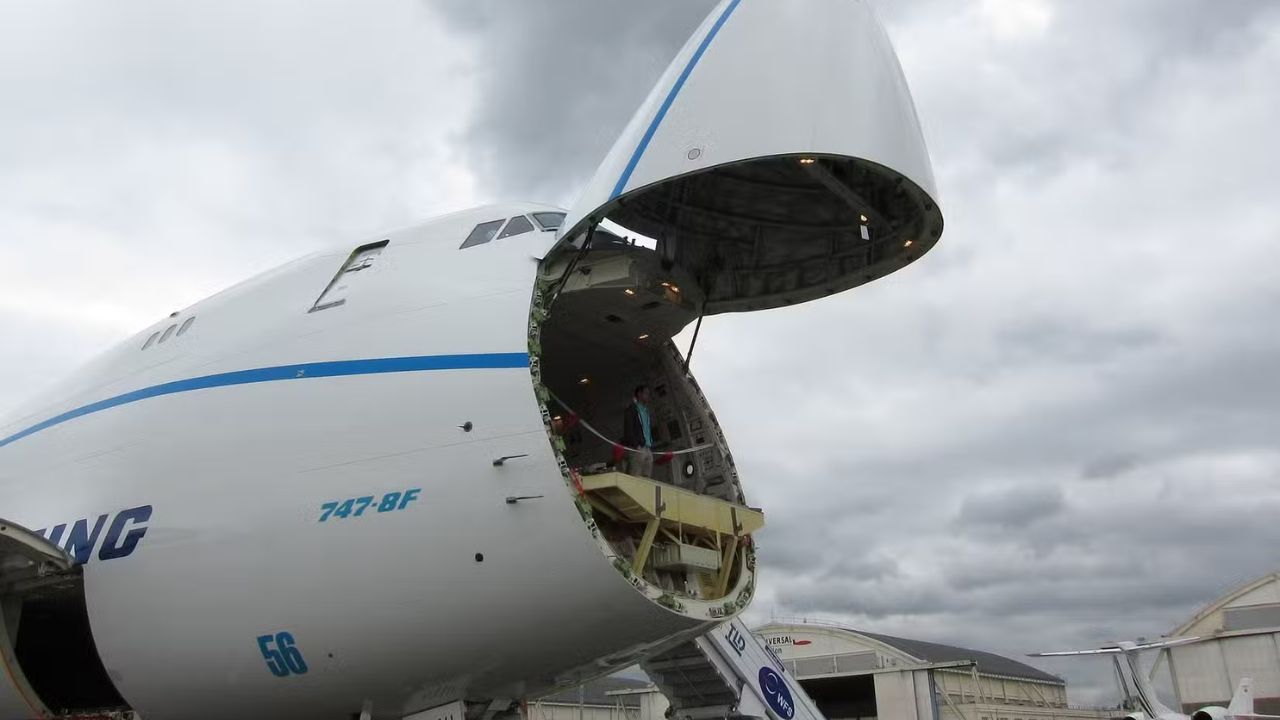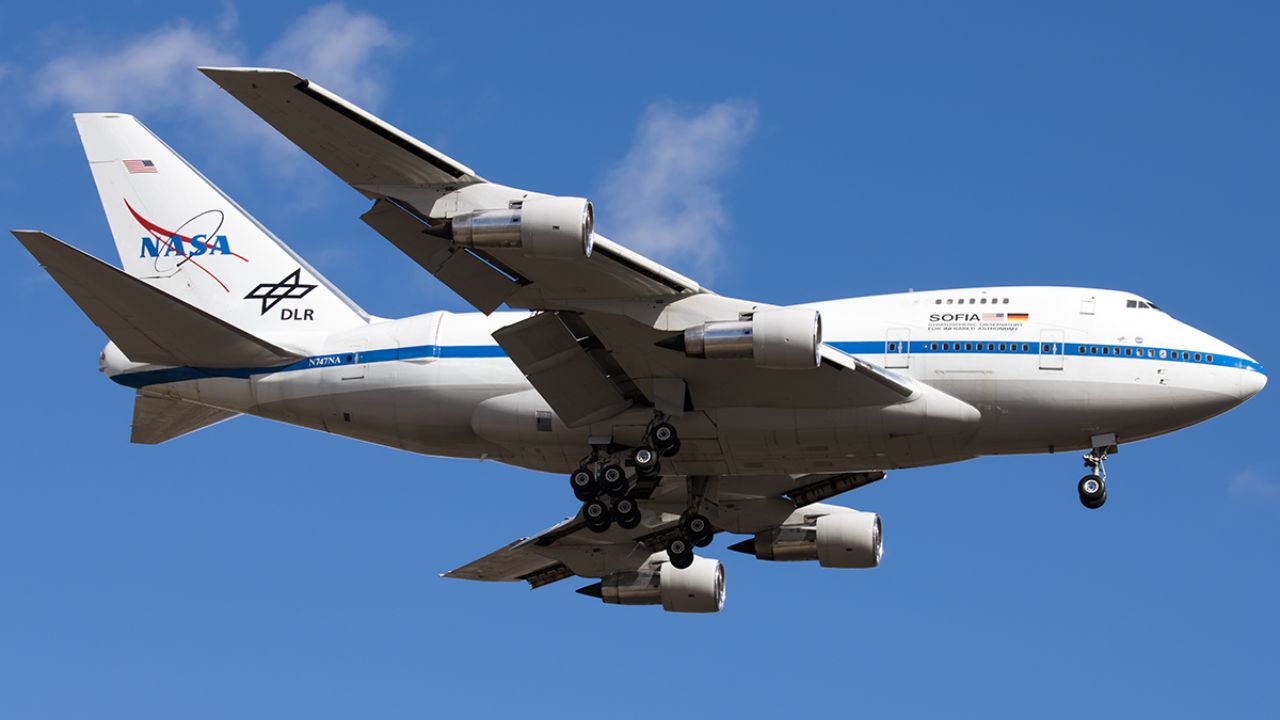
The Boeing 747SP represents one of the most distinctive variants in the iconic 747 family. With only 45 examples built this shortened fuselage long range aircraft carved a unique niche in aviation history. One particular airframe registered N747A experienced a remarkable career spanning commercial passenger service VIP operations and scientific support before ultimately providing spare parts for NASA research efforts. Its journey reflects the adaptability and longevity of the 747SP design despite limited production numbers.
N747A first took flight in the early 1980s entering service with Braniff International Airways. The aircraft later passed through several major carriers including Pan American World Airways and United Airlines. Each operator configured the jet differently to suit specific route requirements and market demands. This flexibility highlighted the 747SP strengths as a long range narrowbody alternative in an era dominated by trijets and larger widebodies.
Early Commercial Service with Braniff and Subsequent Operators
Braniff International Airways took delivery of N747A in May 1980. The airline operated the aircraft during a period of significant expansion and deregulation challenges in the United States aviation industry. The 747SP suited Braniff long haul ambitions particularly on transatlantic and transpacific routes where its range capabilities proved advantageous.
Following Braniff financial difficulties the aircraft moved to Pan American World Airways. Pan Am flew N747A as Clipper America for approximately two and a half years. The carrier utilized the jet on various international services where its performance characteristics aligned with operational needs. United Airlines subsequently acquired the airframe operating it until early 1993. During these years seating configurations evolved from higher density layouts to more premium focused arrangements reflecting changing market priorities.
These early years established N747A reputation as a reliable long range performer. The 747SP design traded some passenger capacity for extended range making it suitable for thinner routes that could not support larger 747 variants. N747A demonstrated this versatility across multiple operators and network requirements.
Transition to VIP and Government Service
After leaving traditional airline service N747A entered a new phase as a VIP transport. The Royal Flight of Oman acquired the aircraft for use by government officials and royal family members. This role required significant interior modifications removing standard passenger seating in favor of luxurious customized accommodations. The aircraft served in this capacity for over a decade showcasing the 747SP adaptability beyond commercial operations.
VIP configurations typically featured enhanced range modifications and specialized cabin layouts. The 747SP inherent long range capabilities made it particularly suitable for such roles where heads of state and dignitaries required reliable global transportation. N747A operated under these arrangements until 2004 when it entered storage at various locations.
Fry Electronics a prominent American technology retailer purchased the aircraft in 2006. The company operated N747A as a private VIP jet registered under the same designation. Named Clipper America the aircraft continued flying in corporate service for several years. This period represented another chapter in its diverse operational history bridging commercial and private aviation applications.
Final Chapter Supporting NASA Scientific Missions
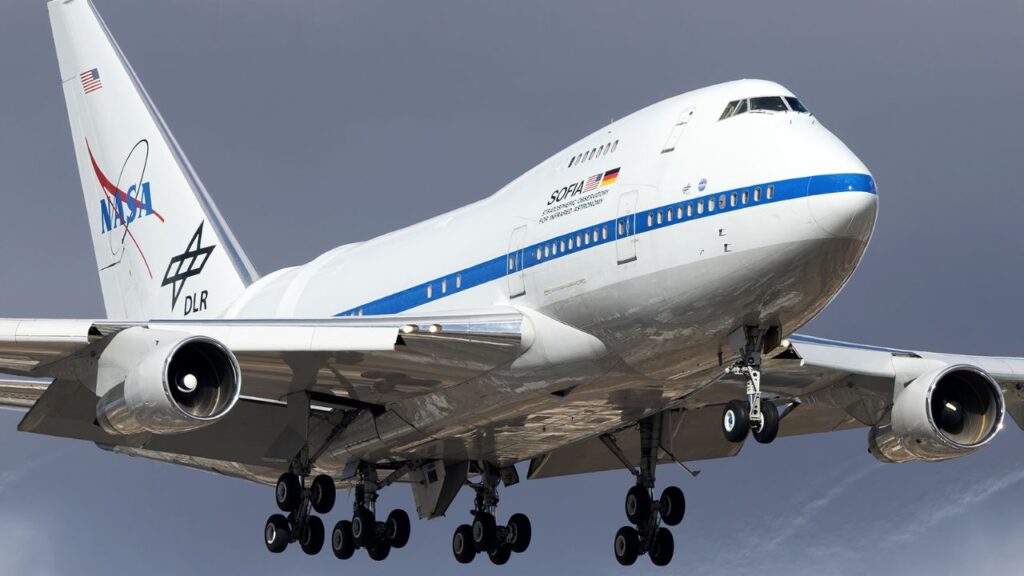
In 2017 NASA acquired N747A specifically as a source of spare parts. The agency Stratospheric Observatory for Infrared Astronomy known as SOFIA required ongoing maintenance support for its modified 747SP platform. N747A provided valuable components including engines and structural elements that helped sustain SOFIA operations.
SOFIA itself utilized a different 747SP airframe modified with a large telescope for astronomical observations. Operating at high altitudes the observatory conducted infrared studies above much of Earth atmosphere. N747A contribution through its parts extended the useful life of this unique scientific platform. The aircraft engines underwent reconditioning for potential installation on SOFIA demonstrating practical reuse of components from retired airframes.
By 2018 N747A had been dismantled in the Mojave Desert. Its final role exemplified the aviation industry practice of harvesting parts from retired aircraft to support active fleets particularly for rare types like the 747SP. Only a limited number of these aircraft remain operational making spare parts increasingly valuable.
The following table summarizes N747A major operators and service periods:
| Operator | Period | Role |
|---|---|---|
| Braniff International Airways | 1980 to 1982 | Commercial passenger |
| Pan American World Airways | Approximately 1982 to 1985 | Commercial passenger |
| United Airlines | Until 1993 | Commercial passenger |
| Royal Flight of Oman | 1993 to 2004 | VIP government |
| Fry Electronics | 2006 to 2016 | Corporate VIP |
| NASA | 2017 onward | Spare parts donor |
Technical Characteristics of the Boeing 747SP
Boeing developed the 747SP as a specialized variant focused on long range performance with reduced capacity. The aircraft featured a shortened fuselage compared to standard 747 models resulting in its distinctive appearance. This design allowed greater range while maintaining the 747 proven reliability and systems architecture.
Key specifications included a wingspan of approximately 196 feet and overall length of 185 feet. Maximum takeoff weight reached around 660000 pounds depending on configuration. The aircraft could achieve ranges exceeding 6500 nautical miles making it suitable for ultra long haul operations in its era. Power came from four Pratt & Whitney or Rolls Royce engines depending on customer specifications.
The 747SP entered service in 1976 with Pan Am initially. Production remained limited due to market preferences shifting toward larger widebody aircraft with greater capacity. Only 45 examples were completed reflecting the niche role this variant filled in commercial aviation. Despite low production numbers the 747SP proved highly capable in specialized applications.
Broader Context of 747SP Operations and Retirement
The 747SP found favor with operators needing exceptional range for thinner routes. Government and VIP users particularly appreciated its performance characteristics and customization potential. Several aircraft served as testbeds for engine development while others supported unique scientific missions like SOFIA.
Most commercial operators retired their 747SP fleets by the early 2000s as newer widebody types offered better economics and capacity. The aircraft rarity today makes surviving examples noteworthy within aviation enthusiast communities. N747A story encompasses the full spectrum of 747SP applications from scheduled passenger service to specialized research support.
Its eventual dismantling for parts represents standard industry practice for aging airframes. Valuable components find new life in active aircraft extending overall program sustainability. N747A contribution to SOFIA operations provided a fitting conclusion to its long and varied career.
The Boeing 747SP including airframes like N747A left an indelible mark on aviation history. Its unique design capabilities and diverse operational roles demonstrated engineering ingenuity and practical adaptability. While production remained limited the type service record across commercial VIP and scientific applications showcased its enduring value. N747A journey from Braniff passenger flights to NASA parts donor encapsulates this remarkable legacy.