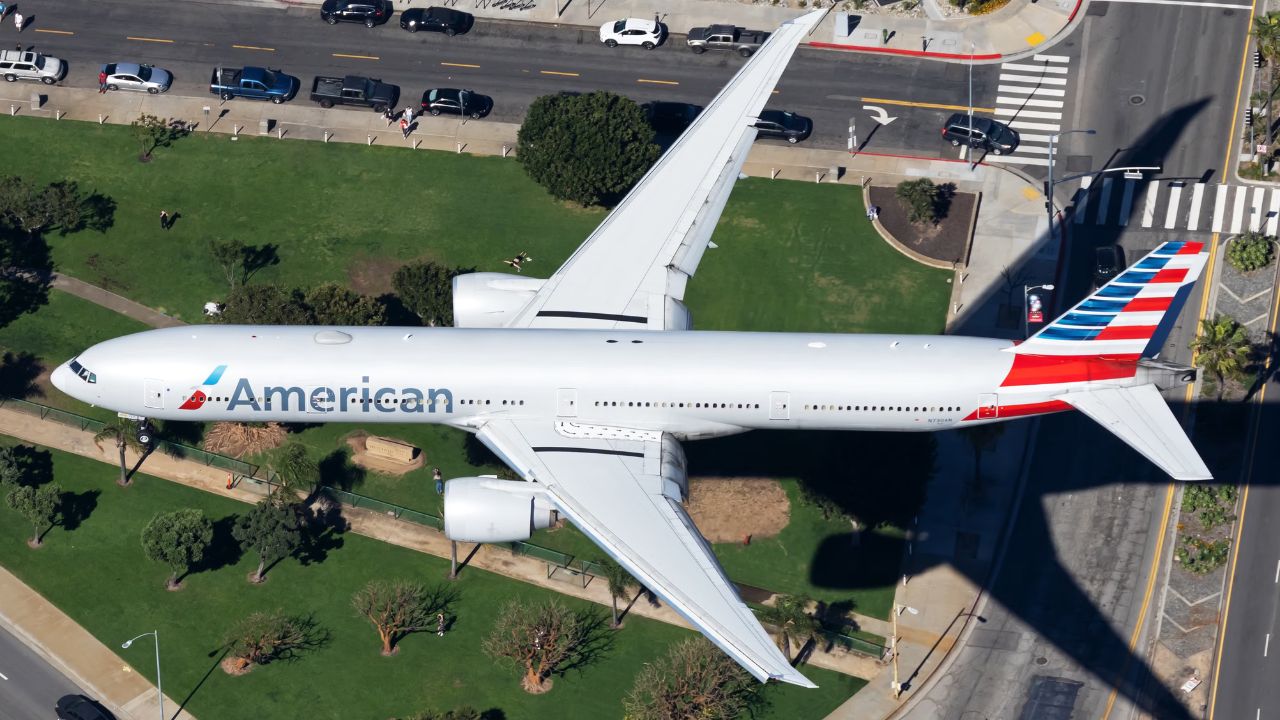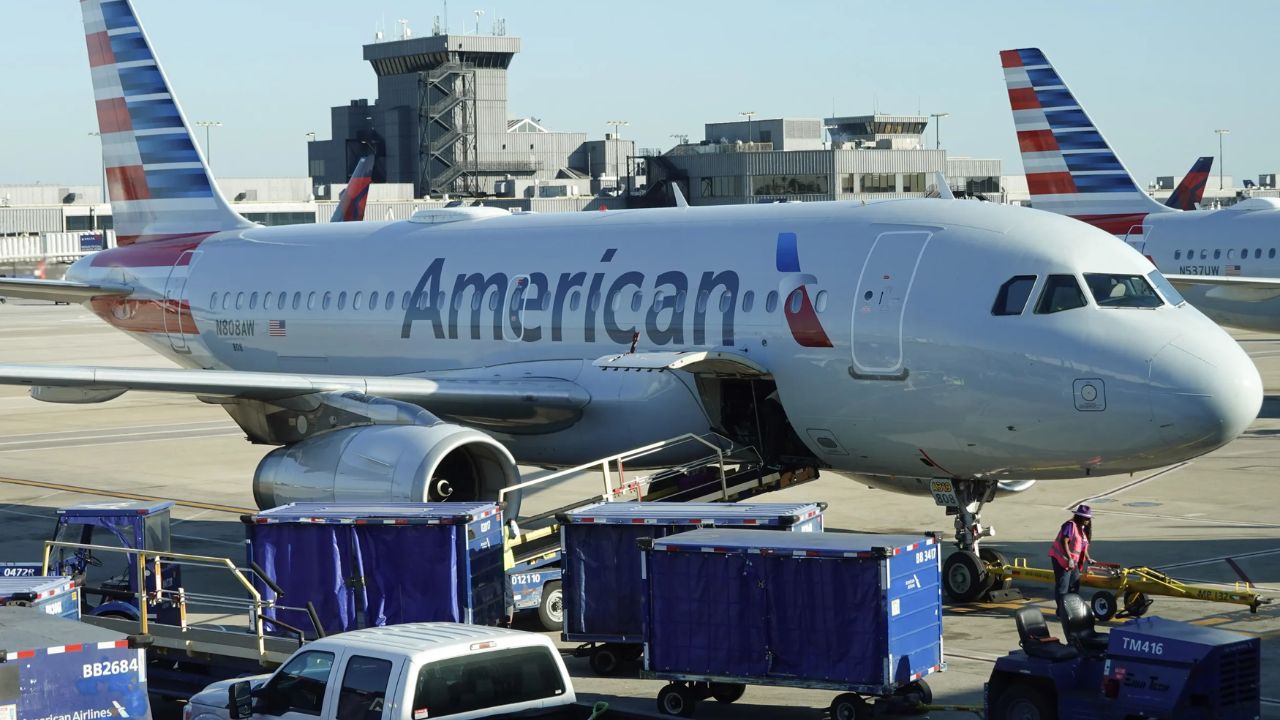
Naples Airport in Florida stands on the verge of a significant milestone in its commercial aviation history. American Airlines plans to restore scheduled service to the facility after approximately 25 years. The proposed route connects Naples with Charlotte Douglas International Airport beginning December 2 2026. This development has generated considerable interest given the airport unique operational environment and infrastructure limitations.
The return marks American first scheduled presence at Naples since its Miami service ended in 2001. Local officials and residents have expressed support for expanded commercial options at the general aviation focused airport. However technical considerations involving aircraft weight restrictions have become central to discussions about the service viability.
Naples Airport Unique Operational Framework
Naples Airport primarily serves general aviation business jets and private aircraft. It records more than 113000 annual operations making it one of Southwest Florida busiest facilities in that category. The airport maintains a strict maximum takeoff weight limit of 75000 pounds for most aircraft due to pavement strength and noise considerations.
This restriction shapes the types of commercial operations possible at the field. Larger narrowbody jets typically exceed the limit preventing their use on scheduled routes. Regional jets with appropriate weight profiles become the primary candidates for airline service. The airport also enforces a voluntary overnight curfew from 10 PM to 7 AM to minimize community noise impacts.
Despite its general aviation focus Naples has seen periodic interest in commercial expansion. Recent surveys indicate strong local support with over 80 percent of respondents favoring restored airline service. Three quarters of those polled indicated they would likely utilize the airport if options became available.
Details of the Proposed American Airlines Service
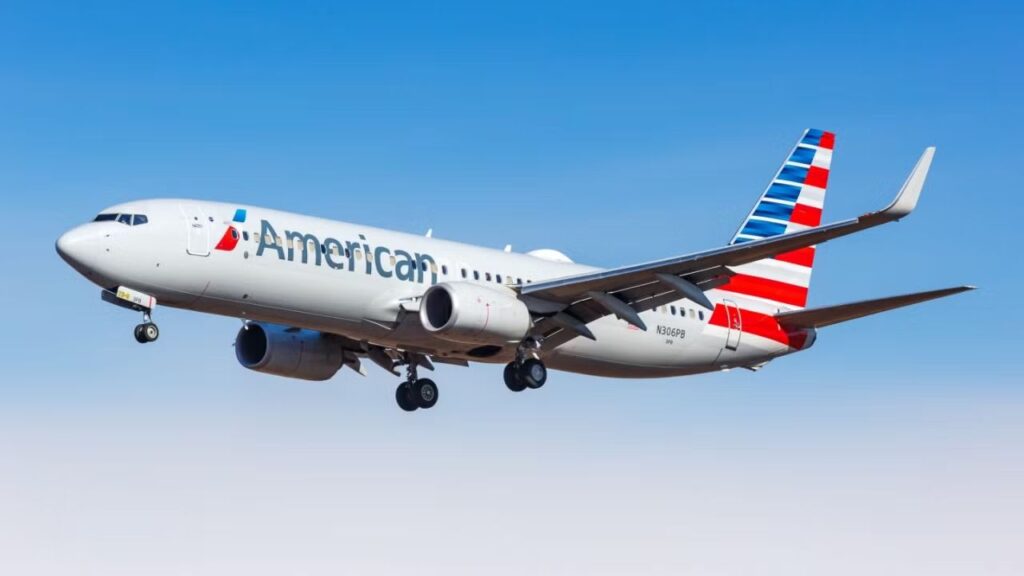
American Airlines intends to operate the Charlotte route through its regional partner PSA Airlines. The plan calls for three daily arrivals and three daily departures using 65 seat Bombardier CRJ700 aircraft. This configuration provides a balance of capacity and operational flexibility suitable for the market.
Charlotte serves as one of American largest hubs with extensive domestic and international connections. Passengers from Naples would gain convenient access to a broad network through this single connection point. The absence of existing nonstop competition between the cities creates both opportunity and uncertainty regarding demand levels.
The CRJ700 selection addresses the airport weight limitations. The aircraft maximum takeoff weight remains within the 75000 pound threshold when properly configured. This compliance allows operations without requiring special exemptions or modifications.
The following table summarizes key aspects of the proposed service:
| Route Detail | Information |
|---|---|
| Start Date | December 2 2026 |
| Operating Airline | PSA Airlines for American |
| Aircraft | Bombardier CRJ700 65 seats |
| Frequency | Three daily each direction |
| Hub Connection | Charlotte Douglas |
Aircraft Selection Challenges and Alternatives
Initial speculation mentioned the larger CRJ900 but that model maximum takeoff weight exceeds the airport limit at 84500 pounds. Operational adjustments might allow compliance in some configurations but the CRJ700 offers a clearer path to regulatory approval. American preference for the Embraer E175 reflects passenger comfort advantages including wider cabins and larger overhead bins.
The E175 features a double bubble fuselage design providing more shoulder room and better baggage accommodation. These attributes enhance the passenger experience particularly on routes with connecting traffic. However weight considerations currently favor the CRJ700 for this specific operation.
Airport officials have confirmed that proposed aircraft meet existing weight and noise standards. This compliance facilitates approval processes while maintaining community relations. The voluntary curfew alignment further supports neighborhood compatibility.
Historical Context of Commercial Service at Naples
Naples once supported a wider range of regional airline connections throughout Florida. Service gradually diminished as larger airports in the region expanded and network strategies shifted toward major hubs. American last scheduled operations ended in 2001 with the conclusion of its Miami route.
The current proposal differs markedly from previous attempts. Rather than relying on Miami as a gateway the Charlotte hub offers stronger connectivity options. This approach aligns with modern airline practices emphasizing efficient hub and spoke systems over numerous point to point routes.
Local business and tourism interests view the potential return positively. Enhanced air service could boost economic activity by improving accessibility for visitors and residents alike. The airport role as a convenient alternative to busier facilities like Fort Myers supports this potential.
Broader Implications for Southwest Florida Aviation
The proposed service could influence travel patterns across the region. Passengers currently driving to larger airports might opt for Naples if convenient schedules and competitive fares become available. This shift could ease congestion at neighboring facilities while supporting local economic development.
American Airlines overall network strategy continues evolving with focus on hub optimization. The Naples route represents a targeted addition rather than broad expansion. Success here could encourage further exploration of similar underserved markets using appropriate aircraft types.
Regulatory and community engagement will play important roles in implementation. Airport authorities work to balance growth aspirations with longstanding operational constraints. Stakeholder input helps ensure sustainable development that respects residential concerns.
Operational Considerations for Regional Jet Service
Regional jets like the CRJ700 prove well suited for routes with moderate demand. Their efficiency on shorter segments complements larger aircraft in hub networks. Crew training maintenance programs and scheduling integration all factor into successful operations.
Passenger expectations have evolved with preferences for comfort features even on regional segments. American investment in cabin upgrades across its fleet reflects this trend. The chosen aircraft must deliver acceptable experience levels to build loyalty in the new market.
Weather patterns in Southwest Florida particularly during hurricane season require robust contingency planning. Diversion options and schedule reliability influence passenger confidence. American extensive experience operating in the region provides a foundation for managing these challenges.
The potential return of American Airlines to Naples Airport represents more than a simple route addition. It signals evolving dynamics in regional aviation where infrastructure limitations meet growing demand for convenient travel options. Successful implementation could pave the way for measured commercial growth while preserving the airport primary general aviation character.