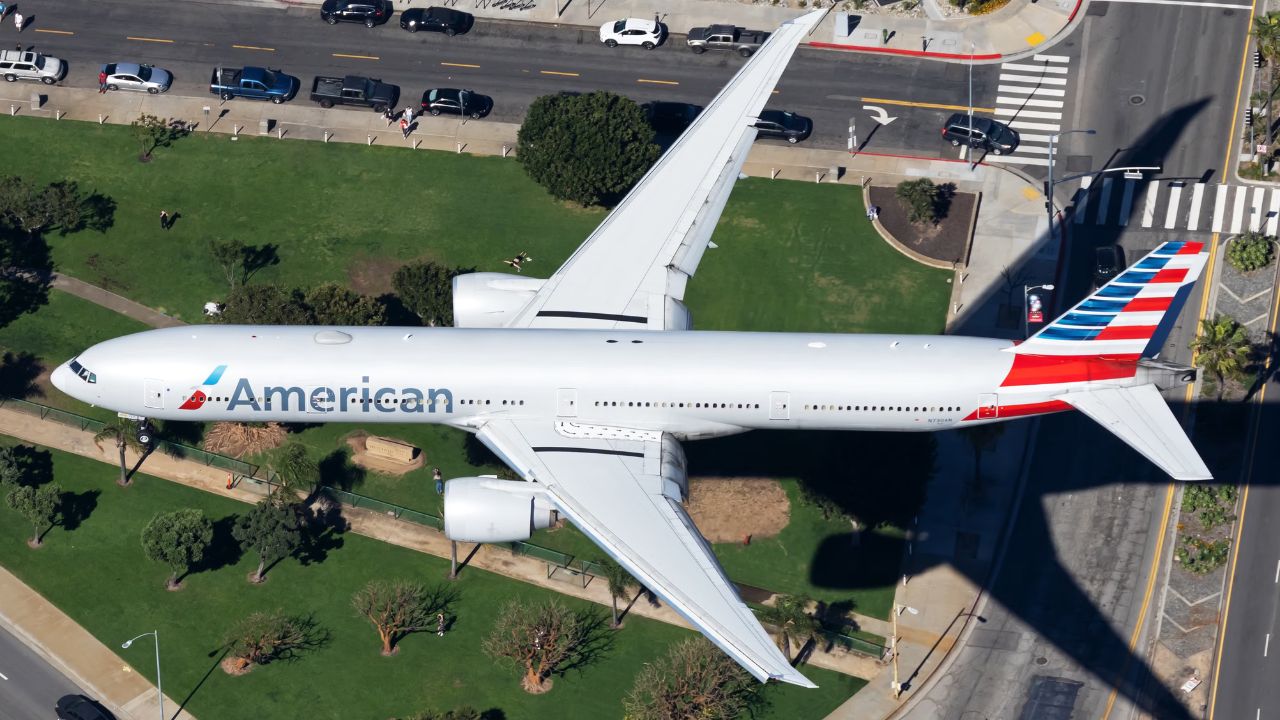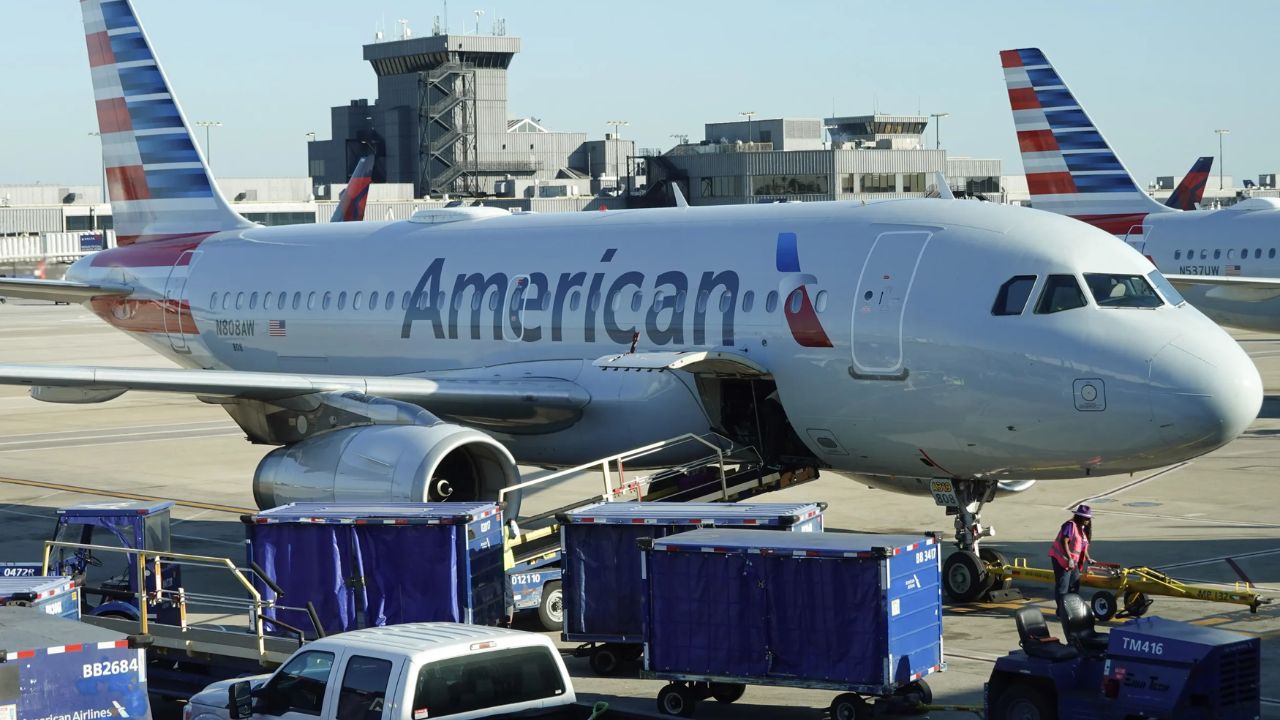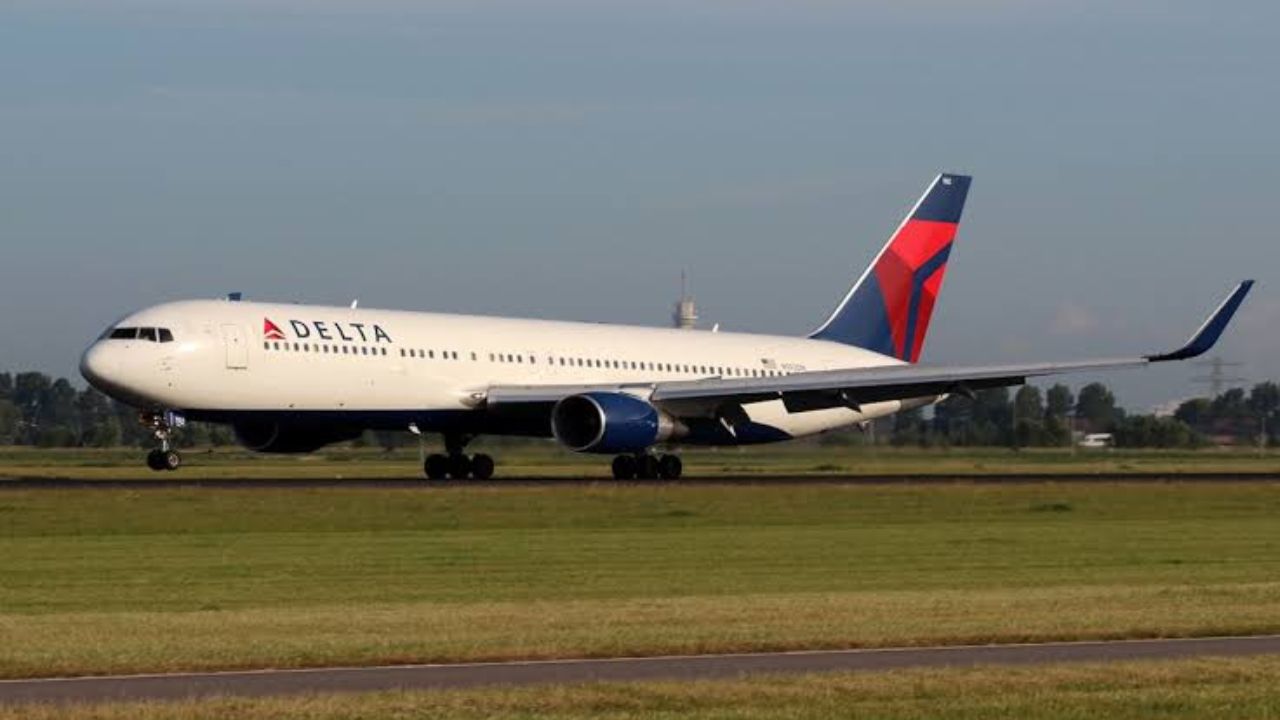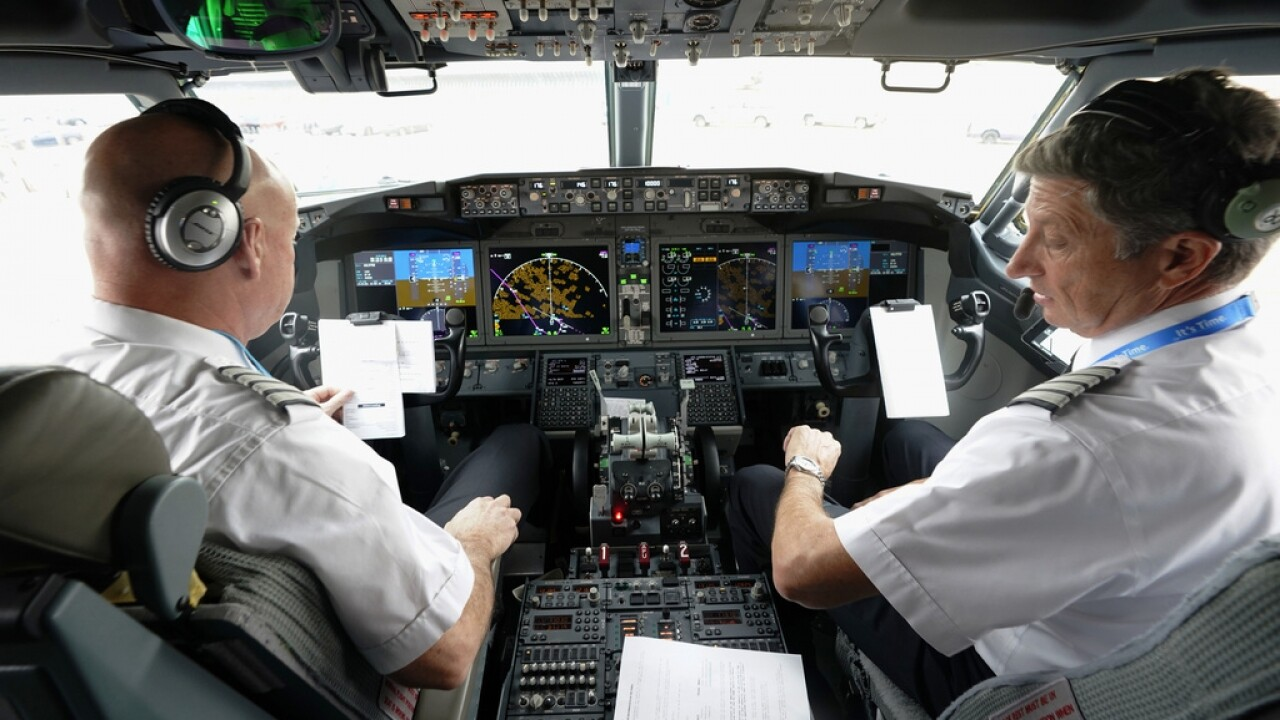
American Airlines implemented a policy change as part of its 2023 contract with the Allied Pilots Association that prioritizes deadheading pilots for first class upgrades. This adjustment has generated significant dissatisfaction among elite frequent flyers who rely on complimentary upgrades as a key benefit of their loyalty status. The policy raises questions about balancing employee needs with customer expectations in an industry facing pilot shortages.
Under the agreement deadheading pilots receive priority for available premium seats within 24 hours of departure. This applies particularly to international long haul flights where crew rest requirements are critical. While the airline maintains that standard upgrade processes for passengers remain in place before that window many AAdvantage members report reduced upgrade success rates.
Background of the Contractual Change
The 2023 pilot agreement provided substantial improvements including pay increases and quality of life enhancements totaling approximately 9.6 billion dollars over four years. The upgrade priority for deadheading pilots formed part of negotiated terms aligning American with practices at United Airlines and Delta Air Lines. Pilots traveling to position for their next assignment receive the highest class of service on transoceanic flights.
On domestic routes pilots start in economy but move to the top of the upgrade list at check in. This ensures they arrive rested for safety critical duties. Federal regulations treat deadheading as duty time rather than rest making premium cabin access important for fatigue management.
Key Elements of the Pilot Upgrade Policy
| Aspect | Details |
|---|---|
| International Flights | Highest class assigned at booking |
| Domestic Flights | Economy initially top of upgrade list at check in |
| Time Window | Priority within 24 hours of departure |
| Priority Codes | A1DP or A3DP with UPG0 designation |
This table summarizes the main provisions based on internal airline communications. The policy does not displace passengers already confirmed in premium seats.
Passenger Frustration and Loyalty Program Impact
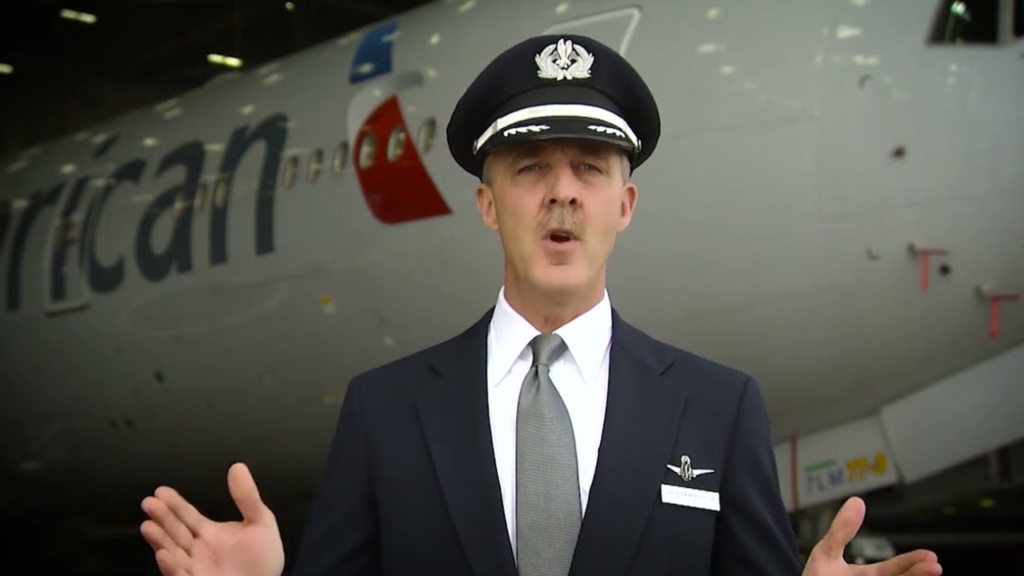
Frequent flyers particularly Executive Platinum and ConciergeKey members express disappointment as first class cabins on many aircraft offer limited seats. With only one or two upgrade opportunities typically available per flight the pilot priority reduces chances for elites. Some travelers describe watching uniformed pilots board ahead of them despite years of loyalty and high spending.
Advantage members invest significantly through ticket purchases and co branded credit cards to earn status. Complimentary upgrades represent a major perk that justifies the effort. Critics argue the policy devalues elite benefits and prioritizes employees over paying customers. Social media discussions highlight growing irritation with the visible nature of these upgrades.
American Airlines notes that upgrades for passengers continue through normal channels prior to the 24 hour window. However the change coincides with increased last minute premium seat sales which further limits availability. This combination amplifies perceptions that loyalty programs offer diminishing returns.
Safety and Operational Necessity
Proponents emphasize that rested pilots enhance safety. Long haul deadheads particularly benefit from lie flat seats allowing better rest before operating flights. Federal Aviation Administration fatigue rules consider deadheading as duty time underscoring the importance of quality rest.
The global pilot shortage adds pressure. Airlines compete aggressively for qualified crew with American needing to hire thousands in coming years to offset retirements. Matching competitor contracts including quality of life provisions helps retention and recruitment. Without competitive terms pilots might move to other carriers causing schedule disruptions.
American lost regional aircraft capacity due to shortages grounding planes serving smaller markets. The policy forms part of broader efforts to maintain operational reliability. CEO Robert Isom described the overall agreement as beneficial for both pilots and the airline.
Industry Wide Practices and Comparisons
Similar policies exist at other major United States carriers. United and Delta provide premium seating for deadheading pilots as standard practice. American contract aligned with these norms during negotiations. This standardization across the industry reflects shared operational realities.
Smaller first class cabins on narrowbody aircraft make the impact more noticeable at American compared to widebody heavy fleets. International flights with larger premium sections experience less contention. The policy highlights tensions between labor agreements and customer experience priorities.
Broader Context of Pilot Shortages
The aviation industry faces ongoing challenges recruiting and retaining pilots. Mandatory retirement at age 65 combined with strong travel demand creates pressure. Training pipelines struggled during the pandemic with reduced cadet programs and early retirements. New pilots require 1500 hours and significant investment before airline employment.
Major carriers offer substantial pay increases and benefits to compete. American 2023 contract included over 46 percent total compensation growth. Quality of life elements like upgrade priority prove crucial alongside salary. These investments aim to ensure sufficient staffing for network expansion.
Regional airlines suffer most acutely with some reducing schedules. This affects connectivity to smaller cities. The policy at mainline carriers like American forms part of systemic efforts to stabilize the pilot workforce.
Airline Perspective and Customer Communication
American Airlines maintains the policy stems from contractual obligations rather than internal strategy. Management works within labor agreements while seeking to deliver strong customer experiences. Spokespeople emphasize safety benefits and note that confirmed premium passengers retain their seats.
Frequent flyer outreach and clear communication could help manage expectations. Many passengers remain unaware of the policy until experiencing it firsthand. Enhanced transparency about upgrade processes might reduce frustration. The airline continues investing in loyalty programs despite these challenges.
Future Outlook and Contract Negotiations
The current pilot agreement runs through 2027 with new talks expected to begin late 2026. Observers consider the upgrade priority a settled element unlikely to change given industry norms. Pilot leverage remains strong due to ongoing shortages.
American plans continued hiring to support growth. Technological advances in training including simulators may help address shortages over time. However immediate operational needs require maintaining competitive contracts. Customers may need to adjust expectations regarding complimentary upgrades.
The situation reflects broader tensions in commercial aviation between labor costs safety requirements and passenger experience. While frustrating for some the policy supports reliable operations benefiting all travelers through fewer cancellations and delays. Balancing these priorities remains an ongoing challenge for airlines.