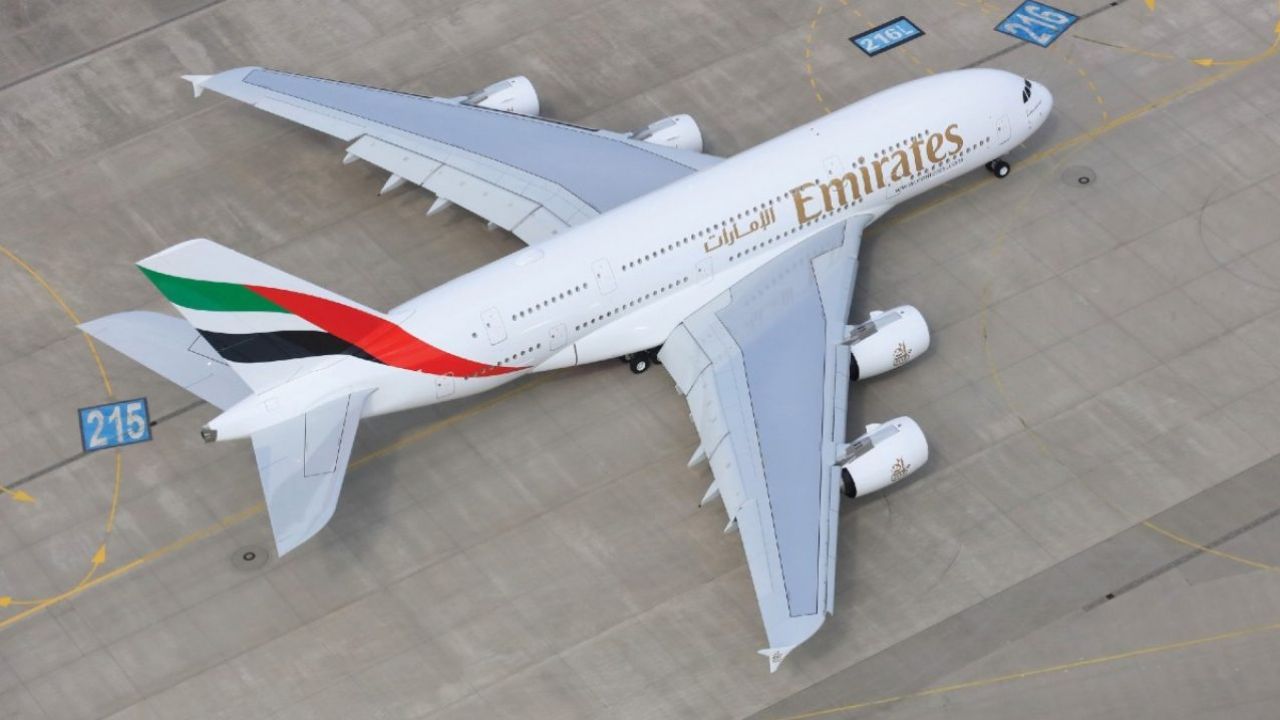
Emirates stands alone as the dominant operator of the Airbus A380 with around 116 aircraft in its fleet as of 2026. This massive commitment has shaped the airline into a premium global carrier. No other airline has replicated the scale or success of this strategy. The double decker superjumbo enables high capacity operations on key routes while delivering an elevated onboard experience. With plans to fly the type until 2041 Emirates holds a competitive edge that rivals cannot duplicate in the near term.
The A380 production line closed years ago limiting availability to existing airframes. Used aircraft rarely enter the market and refurbishment costs prove prohibitive for most carriers. Emirates extensive network and hub strategy optimize the aircraft economics in ways smaller operators cannot match. This positions the airline uniquely for premium revenue generation across its routes.
Emirates Unique A380 Fleet Strategy
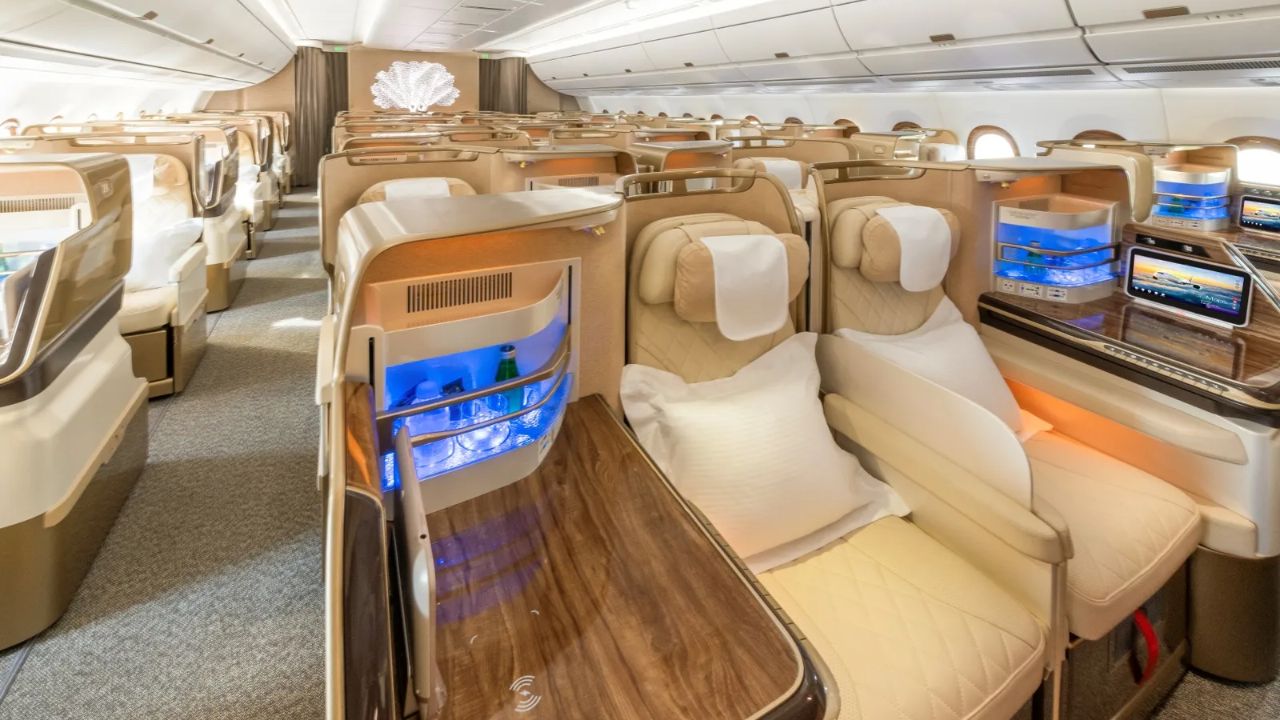
Emirates operates more A380s than the rest of the world combined. The carrier has invested heavily in retrofitting many of these aircraft with modern interiors. Plans include adding premium economy to 110 aircraft and full cabin refreshes on 67 examples. These upgrades enhance revenue potential while maintaining the signature spacious feel.
The standard configuration features around 400 economy seats on the lower deck 76 business class seats and 14 first class suites. Recent modifications introduce 56 premium economy seats on select aircraft reducing total capacity but boosting yields. Onboard amenities such as the upper deck bar and first class shower suites have become iconic elements of the Emirates brand.
This large scale deployment allows Emirates to fill the aircraft consistently. The Dubai hub serves as a global connector with strong local demand from business and leisure travelers. High frequency on slot constrained routes like Dubai to London Heathrow maximizes utilization where smaller aircraft would leave revenue untapped.
Network and Hub Advantages Enable A380 Success
Unlike many carriers Emirates built its entire long haul network around large widebody aircraft. The A380 fits perfectly into this model by providing massive capacity on high demand corridors. Dubai International Airport slot constraints historically favored deploying the superjumbo over adding frequencies with smaller planes.
The airline serves destinations across six continents with over 260 widebodies. This scale generates the connecting traffic necessary to fill A380s on routes that might not support them for point to point carriers. Competitors often struggle with lower load factors on the type due to insufficient feeder networks.
Emirates Widebody Fleet Comparison
| Aircraft Type | Typical Capacity | Role in Fleet |
|---|---|---|
| Airbus A380 800 | 468 to 615 seats | High capacity premium routes |
| Boeing 777 300ER | 324 to 421 seats | Flexible long haul |
| Airbus A350 900 | 298 to 312 seats | Efficiency on ultra long routes |
| Boeing 777X | Expected high capacity | Future flagship replacement |
This table highlights how the A380 complements other types in the Emirates fleet. The transition to Al Maktoum International Airport in the 2030s will ease slot pressures allowing greater flexibility with newer aircraft.
Premium Onboard Experience Drives Brand Halo
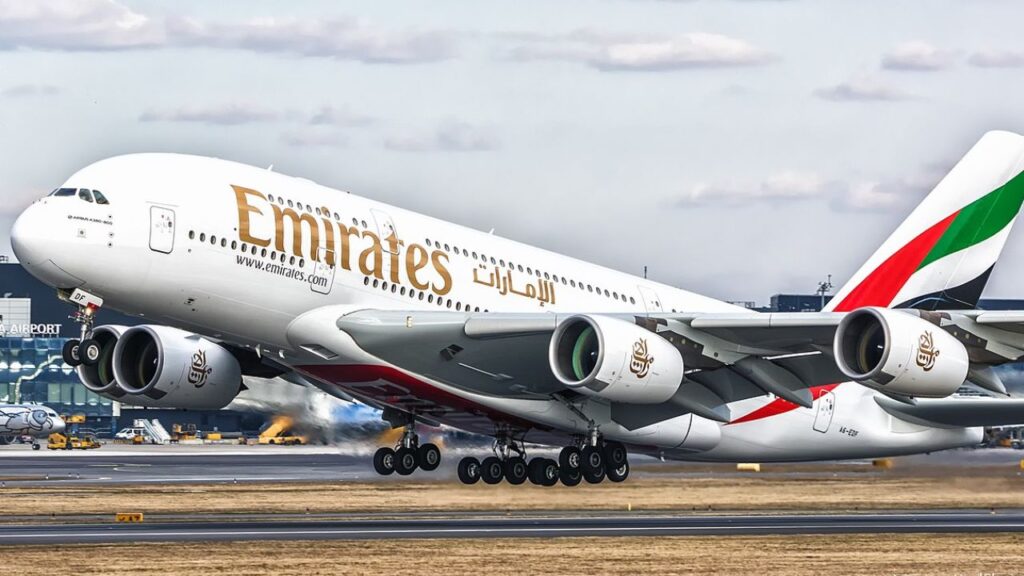
The A380 has been central to Emirates positioning as a luxury carrier. Spacious economy cabins quieter ride and exclusive first class features create a memorable journey. The upper deck bar and shower suites particularly distinguish the product from competitors.
This halo effect extends beyond A380 flights. Passengers associate the entire brand with premium service even when flying on other aircraft. Lucrative award availability and consistent product delivery reinforce customer loyalty. Few airlines achieve such broad brand elevation from a single aircraft type.
Rivals operating smaller A380 fleets or different configurations cannot generate the same widespread awareness. The visibility of Emirates massive A380 operations across major airports amplifies marketing impact globally.
Barriers Preventing Other Airlines from Copying
The A380 is out of production with no realistic prospect of restart. Airbus delivered the final aircraft years ago and supply chains for parts have diminished. Acquiring and refurbishing used frames involves high costs and technical challenges that deter most operators.
Many airlines retired A380s during the pandemic due to high operating costs and lower demand for very large aircraft. Per seat economics do not always outperform smaller twins like the Boeing 777 or Airbus A350 especially on thinner routes. Emirates unique hub and network density mitigate these issues.
Even if airframes became available few carriers possess the route structure or slot access to utilize them profitably. Building a comparable premium product requires massive investment in interiors training and marketing that smaller fleets cannot justify.
Future Transition and Sustained Advantage
Emirates plans to operate A380s until 2041 with gradual retirement as Boeing 777X deliveries ramp up. The airline holds orders for 270 examples of the 777X family making it the launch customer and largest operator. These aircraft will serve as the primary replacement offering improved efficiency.
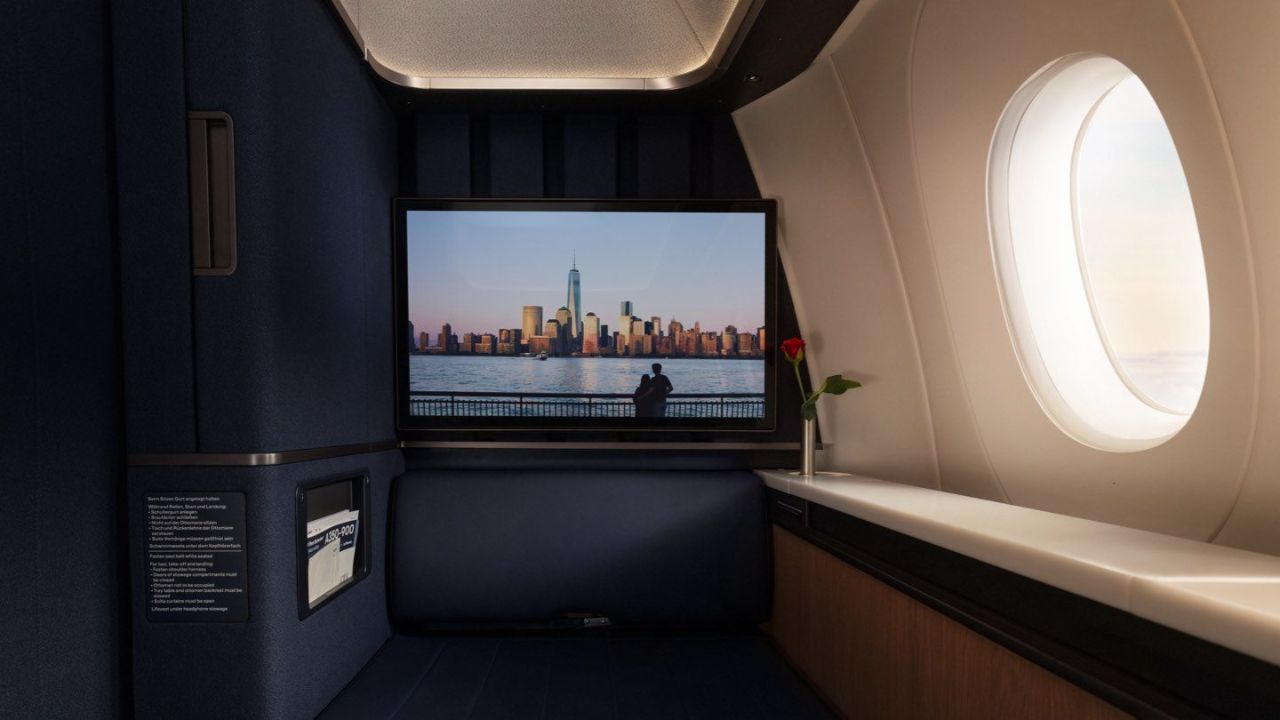
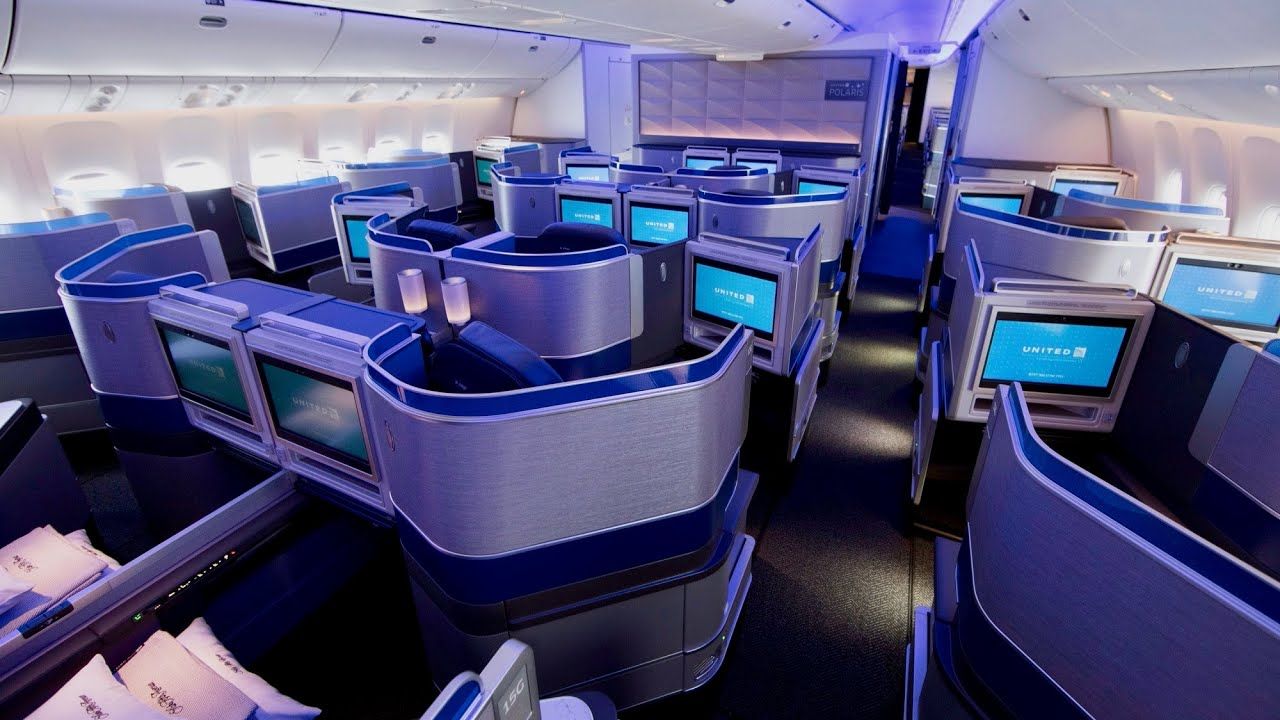
Newer business class products on the 777X and A350 feature advanced seats with privacy doors. While lacking some A380 signature amenities like showers they close the product gap with top competitors. The transition to Al Maktoum Airport reduces the need for maximum capacity aircraft.
Until full replacement Emirates retains exclusivity in large scale A380 premium operations. No competitor can rapidly assemble a similar fleet or replicate the brand impact before the early 2040s. Supply constraints and economic realities extend this window.
Broader Industry Implications
The A380 saga illustrates risks in betting on very large aircraft. Most operators viewed it as a niche tool for slot constrained airports. Emirates turned it into a cornerstone asset through bold commitment and network optimization.
This strategy highlights the importance of alignment between aircraft choice hub geography and market demand. As aviation evolves toward efficiency and flexibility the A380 era represents a unique chapter dominated by one carrier.
Other airlines focus on versatile twins like the A350 and 787 for long haul growth. These offer better economics and route flexibility without the capacity risks of the superjumbo. Emirates own diversification with A350 orders reflects this industry shift.
Long Term Outlook for Emirates Premium Positioning
Emirates will gradually phase out A380s while leveraging their remaining years for continued premium differentiation. Refurbished aircraft with premium economy maintain relevance on core routes. The airline invests in consistent product upgrades across the fleet to sustain brand strength.
By 2041 the aviation landscape will feature newer technologies and possibly different aircraft models. Competitors may develop their own premium strategies but they cannot duplicate the A380 specific advantages Emirates cultivated over decades. This extended timeline solidifies a moat few can challenge.
In conclusion Emirates A380 premium strategy remains unmatched due to fleet scale network fit and brand association. Until the aircraft retire around 2041 the carrier enjoys a distinctive market position. Rivals lack both the aircraft and the operational context to copy this approach effectively in the interim.