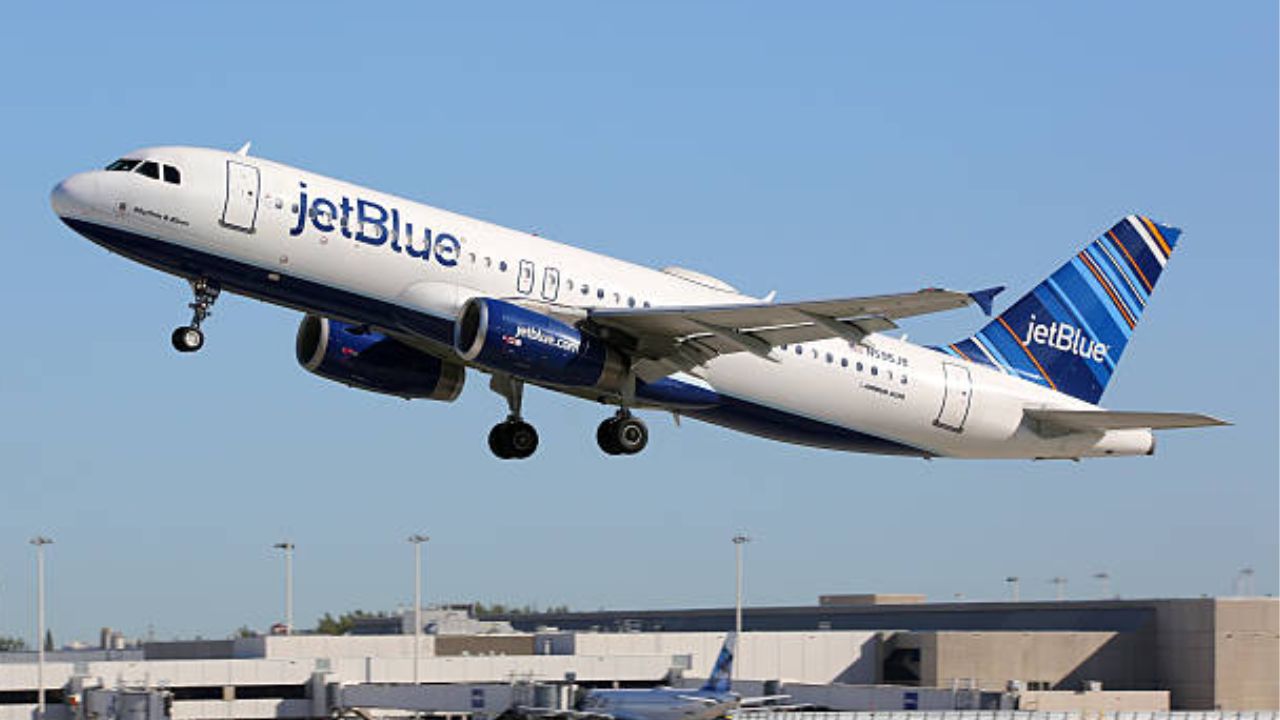
A JetBlue Airways Airbus A320 experienced a lightning strike shortly after departing from Westchester County Airport on a flight to Orlando. The incident occurred in the early hours of June 24 2026 forcing the aircraft to divert to John F Kennedy International Airport. No passengers or crew members sustained injuries and the plane returned to service the following day after necessary repairs.
JetBlue flight 195 operates as a daily service between Westchester County Airport and Orlando International Airport. On this occasion the flight faced delays due to the inbound aircraft. The plane pushed back from the gate around 12:06 AM and became airborne shortly thereafter. Minutes into the climb the lightning strike occurred leading to the loss of the weather radar system.
Details of the Incident and Pilot Response
Cockpit voice recordings obtained by local media captured the pilots communicating with air traffic control. One pilot reported that the aircraft had just been struck by lightning. The strike fried the weather radar making it unsafe to continue the trans Florida journey. The crew decided to divert to JFK for safety reasons without declaring a full emergency.
The diversion proved straightforward. The aircraft landed safely at JFK approximately 44 minutes after departure. Passengers disembarked around 12:50 AM. JetBlue arranged a replacement flight departing from JFK the next morning at 5:43 AM which carried the travelers onward to Orlando. The overnight disruption affected the passengers but the airline managed the situation efficiently.
Lightning strikes on commercial aircraft occur more frequently than many realize. On average each plane in the United States commercial fleet experiences at least one strike per year. Modern aircraft are engineered to withstand such events through robust design features.
Aircraft Involved in the Lightning Strike
The aircraft in question bore registration N506JB. This Airbus A320-200 has served JetBlue for nearly three decades since its delivery in June 2000. At 26.2 years old it carries the name Wild Blue Yonder and features an all economy configuration seating 150 passengers. The plane displays the Spotlight livery applied in September 2024.
Technical Specifications of JetBlue Airbus A320 N506JB
| Specification | Details |
|---|---|
| Registration | N506JB |
| Serial Number | 1235 |
| Aircraft Type | Airbus A320 232 |
| First Flight | April 26 2000 |
| Delivery to JetBlue | June 7 2000 |
| Engines | Two IAE V2527 A5 |
| Passenger Capacity | 150 in all economy layout |
| Current Status | Returned to service June 25 2026 |
This table outlines key details of the airframe based on fleet records and tracking data. JetBlue operates several A320 variants with varying configurations. This particular aircraft belongs to a smaller group of 150 seat models that are gradually being phased out in favor of newer equipment.
Engineering Behind Lightning Protection
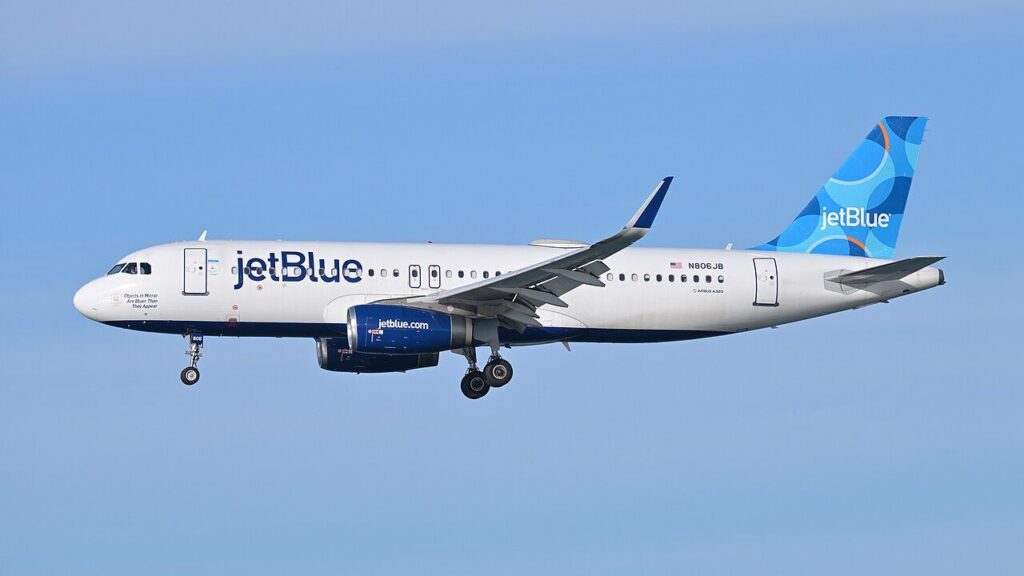
Aircraft like the Airbus A320 incorporate multiple safeguards against lightning. The conductive aluminum fuselage acts as a Faraday cage directing electrical current along the exterior skin. This protects occupants and critical internal systems from the high voltage discharge. Electricity typically enters at points such as the nose or wingtips and exits through the tail or static wicks.
Passengers inside may notice a bright flash and hear a loud bang. In most cases the event remains benign with only minor cosmetic effects like small burn marks on the exterior. However strikes can occasionally damage sensitive electronics such as weather radar as seen in this incident. The design ensures that primary flight controls engines and structural integrity remain unaffected.
Newer aircraft incorporating composite materials include embedded conductive meshes to replicate the protective properties of metal skins. Rigorous testing and certification by aviation authorities confirm these systems meet stringent safety standards. No commercial transport aircraft has been lost to a lightning strike in decades due to these advancements.
Immediate Aftermath and Repair Process
Following the landing at JFK the aircraft remained out of service for inspection and repairs on June 24. Maintenance teams focused on the damaged weather radar system. Thorough checks verified no other structural or electrical issues. The plane returned to regular operations on June 25 flying routes including services to Orlando Ronald Reagan Washington National Airport and back to Westchester.
Such rapid returns demonstrate the resilience of modern airliners and the efficiency of airline maintenance programs. Post strike inspections follow established protocols to ensure airworthiness before resuming passenger service. Weather radar plays a vital role in helping pilots avoid hazardous conditions though its loss does not compromise core flight safety when ATC support is available.
Broader Context of Lightning Incidents in Aviation
Lightning encounters represent a routine aspect of flight operations particularly in convective weather. Pilots use onboard radar and ground based forecasts to minimize exposure but strikes still occur. Airlines and manufacturers continuously refine protective measures based on data from thousands of documented events.
In this case the quick diversion to a nearby major hub like JFK minimized disruption. JFK serves as a key JetBlue base with full maintenance capabilities. The absence of injuries and the safe outcome align with industry statistics showing lightning rarely poses a direct threat to flight safety.
JetBlue operates a large fleet of Airbus A320 family aircraft. These workhorses handle high frequency domestic routes efficiently. The incident highlights the importance of redundant systems and crew training in handling unexpected technical issues mid flight.
Passenger Experience and Airline Response
Travelers on flight 195 faced an unexpected overnight delay. Many had anticipated arriving in Orlando late on June 24 but instead spent additional hours at JFK. JetBlue provided rebooking and likely offered standard compensation or accommodations in line with its policies for controllable disruptions.
Such events underscore the realities of air travel. While rare they remind passengers of the professionalism required from flight crews. In this instance the pilots communicated clearly with controllers and prioritized safety by diverting promptly. Passengers received updates and alternative arrangements without further complications.
Technical and Operational Insights
Weather radar assists pilots in detecting thunderstorms and turbulence. Its temporary loss forced reliance on air traffic control vectors and visual cues during the short flight to JFK. Modern cockpits include multiple backup navigation and weather information sources ensuring continued safe operation.
The A320 series has an excellent safety record. JetBlue maintains high maintenance standards across its fleet. The incident with N506JB involved no broader fleet wide concerns. Similar events in the past have resulted in quick fixes and minimal long term impact.
Aviation authorities require detailed reporting of lightning strikes. Data from these events contributes to ongoing improvements in aircraft design and operational procedures. Organizations like Airbus and the Federal Aviation Administration analyze such occurrences to enhance resilience.
Industry Trends in Aircraft Durability
The aviation sector invests heavily in lightning protection as part of certification processes. Each new aircraft model undergoes extensive testing including simulated strikes. These efforts have virtually eliminated lightning as a causal factor in accidents for commercial jets.
For airlines like JetBlue managing a mixed fleet of Airbus and other types requires tailored maintenance strategies. Older aircraft such as this 26 year old A320 still perform reliably when properly cared for. The gradual retirement of certain configurations reflects efforts to modernize with more fuel efficient models.
Conclusion and Safety Reassurance
The safe resolution of this lightning strike incident on JetBlue flight 195 exemplifies aviation safety protocols in action. From the pilots decisive response to the maintenance teams swift repairs the event concluded with the aircraft back in service within 24 hours. Passengers continued their journeys with only minor delays.
Lightning strikes remain a normal part of flying that aircraft are built to endure. This case involved isolated damage to non critical systems and posed no threat to those on board. As technology advances such events become even less disruptive reinforcing public confidence in air travel safety.
JetBlue continues operating its network connecting key cities across the United States and beyond. Incidents like this while noteworthy do not detract from the overall reliability of commercial aviation. Travelers can take comfort in the robust engineering and trained professionals who manage these situations daily.