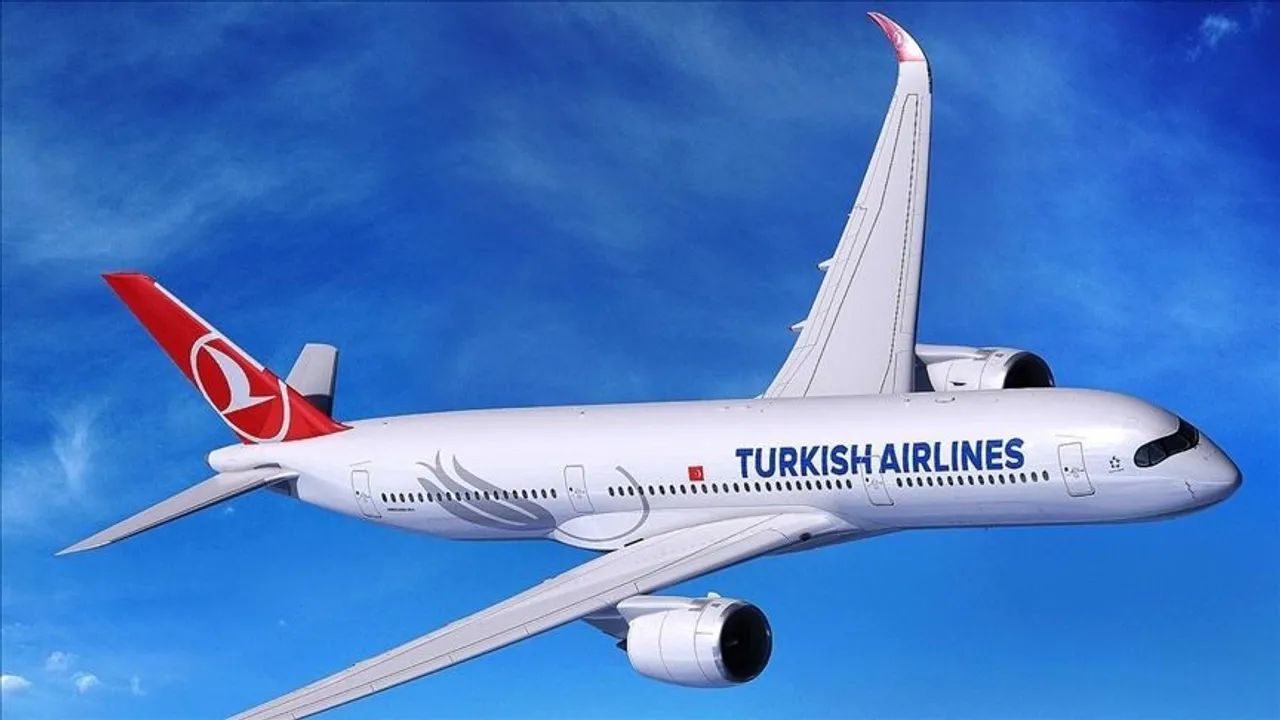
Turkish Airlines continues to demonstrate the versatility of its Boeing 737 MAX fleet by operating some of the longest narrowbody sectors in commercial aviation. These flights, many exceeding nine hours with one stop, connect Istanbul to key destinations across Africa and highlight the carrier’s strategic use of efficient single aisle aircraft for thin long haul markets.
With a relatively small number of 737 MAX aircraft in its vast fleet, Turkish Airlines deploys them creatively to serve emerging markets. This approach allows the airline to maintain frequency and connectivity where larger widebody jets might not be economically viable.
Fleet Composition and Role of the 737 MAX
Turkish Airlines operates a diverse fleet of more than 400 aircraft, but its Boeing 737 MAX contingent remains modest. The carrier fields 20 Boeing 737 MAX 8s configured with 151 seats and five Boeing 737 MAX 9s with 169 seats. These represent a small but growing portion of the overall fleet, offering modern efficiency and range capabilities ideal for extended operations.
The 737 MAX family provides Turkish Airlines with lower operating costs and the ability to serve routes that balance capacity with demand. The MAX 8, in particular, proves especially suited for African sectors due to its range performance. This enables the airline to reach destinations deep into the continent while supporting higher yields through appropriate seating capacity.
From its primary hub at Istanbul Airport, these aircraft reach numerous countries. Between July and December 2026, the MAX fleet will touch down in 83 countries, even on a limited basis. Africa stands out as a major focus area, where the type often serves as the primary equipment.
Understanding Block Times and One Stop Operations
Analyses of long routes typically examine scheduled block times, which encompass the full duration from gate departure to gate arrival at the destination. This measurement includes taxiing, flight time, and buffers for operational reliability. Turkish Airlines’ schedule data for the second half of 2026 reveals impressive performances by its 737 MAX aircraft.
One stop services play a vital role in Turkish Airlines’ African network. These triangular or terminating routings allow the carrier to serve multiple cities efficiently with a single aircraft rotation. Without such operations, connectivity to several African points would be reduced, limiting market presence. The 737 MAX 8 excels in these scenarios, delivering the necessary range while keeping costs manageable.
The longest nonstop 737 MAX flight reaches up to eight hours and five minutes on the Istanbul to Dakar route. Many other direct sectors exceed seven and a half hours, showcasing the aircraft’s capabilities even without intermediate stops.
Top Ten Longest 737 MAX Operations
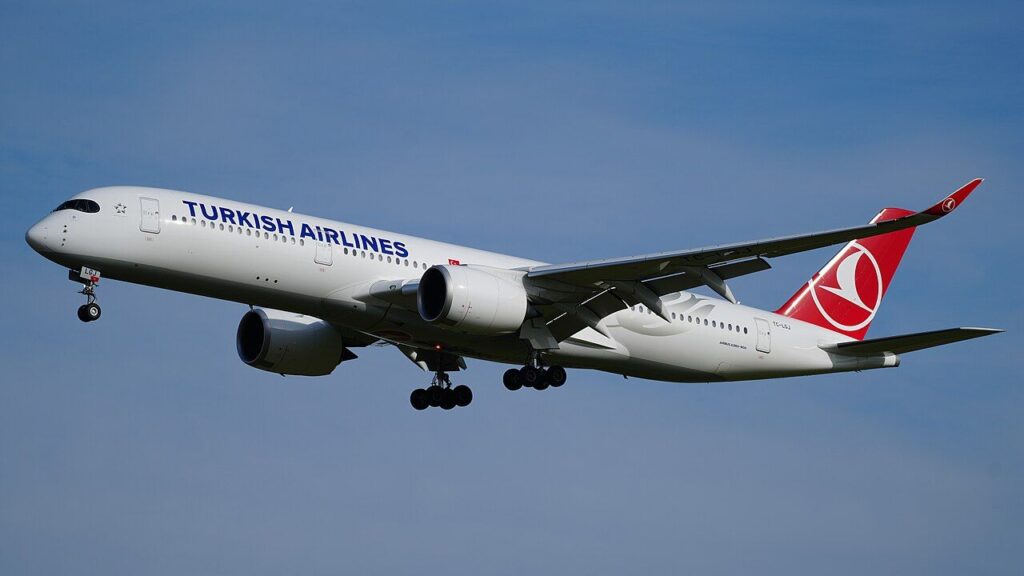
Turkish Airlines’ longest MAX operated sectors are predominantly one stop services to and from African cities. The following table summarizes the top ten based on maximum scheduled block times for July through December 2026.
| Rank | Maximum Block Time | Route Details | Frequency | Notes |
|---|---|---|---|---|
| 1 | 11 hours 20 minutes | Lusaka to Istanbul via Dar es Salaam | Three weekly | Returns October |
| 2 | 10 hours 30 minutes | Istanbul to Conakry via Ouagadougou | Three to four weekly | |
| 3 | 10 hours 15 minutes | Istanbul to Freetown via Ouagadougou | Three weekly | Returns October |
| 4 | 10 hours 15 minutes | Istanbul to Point Noire via Libreville | Two weekly | Returns November |
| 5 | 10 hours 0 minutes | Istanbul to Banjul via Nouakchott | Two to three weekly | |
| 6 | 9 hours 55 minutes | Kilimanjaro to Istanbul via Zanzibar | 17 to 18 weekly | |
| 7 | 9 hours 40 minutes | Istanbul to Abidjan via Cotonou | Four to five weekly | |
| 8 | 9 hours 35 minutes | Istanbul to Niamey via N’Djamena | One to two weekly | |
| 9 | 9 hours 30 minutes | Istanbul to Bamako via Niamey | Two weekly | Returns October |
| 10 | 9 hours 25 minutes | Istanbul to Douala via Yaoundé | Two to three weekly |
These times reflect operational realities, including directionality where the longer leg determines the ranking. Frequencies are subject to seasonal adjustments.
Spotlight on the Kilimanjaro Route
The Kilimanjaro International Airport route exemplifies Turkish Airlines’ long standing commitment to East Africa. Service to this gateway for Tanzania’s renowned national parks and safari experiences began in 2012. The 737 MAX now handles significant portions of the traffic, often in combination with Zanzibar.
During peak periods, Turkish Airlines offers two to three daily flights to Kilimanjaro when considering all equipment and routings. Some operate via Zanzibar in varying orders. Block times around nine hours and fifty minutes are common, with the maximum reaching nine hours and fifty five minutes in winter schedules.
Demand on the local Istanbul to Kilimanjaro segment remains limited, meaning most passengers connect onward at Istanbul. Popular connecting origins include major European cities such as Paris, London, Frankfurt, and Zurich, as well as New York. This underscores the route’s importance for sixth freedom traffic through the Istanbul hub.
Strategic Importance for African Connectivity
Turkish Airlines has built one of the most extensive networks in Africa among global carriers. The 737 MAX enables economical service to secondary cities and supports frequency on thinner routes. This narrowbody deployment frees up widebody aircraft like the Airbus A330 and Boeing 787 for higher capacity demands elsewhere.
The carrier’s approach aligns with its broader growth ambitions. By using the 737 MAX for these extended sectors, Turkish Airlines enhances its competitiveness in markets where passenger volumes do not justify larger aircraft. The type’s performance helps maintain strong yields while controlling expenses.
Africa remains a priority market. The airline serves dozens of destinations across the continent, with narrowbodies handling a substantial share of operations. This strategy has proven effective in expanding reach and market share.
Passenger Experience on Long Narrowbody Flights
Travelers on these lengthy 737 MAX flights benefit from the aircraft’s modern cabin features. Turkish Airlines configures its MAX aircraft with comfortable seating, advanced in flight entertainment, and attentive service consistent with its award winning reputation. Power outlets and Wi Fi availability support productivity and entertainment during extended journeys.
The one stop format provides opportunities for brief connections in intermediate African cities, adding flexibility for some itineraries. Crews are experienced in managing long sectors, ensuring passenger comfort remains a priority throughout.
Future Outlook and Fleet Expansion
Turkish Airlines has signaled significant future investment in the 737 MAX family. Plans include substantial additional orders that will expand narrowbody capabilities and support continued network growth. This will allow even more efficient operations on long thin routes.
As the carrier pursues its ambitious targets, the 737 MAX will likely play an even larger role in African and other emerging markets. The combination of range, efficiency, and capacity makes it a strategic asset for sustainable expansion.
Passengers seeking these unique long haul narrowbody experiences can book through Turkish Airlines’ channels. Schedules for the second half of 2026 are available, offering connections to fascinating destinations across Africa via Istanbul.
Turkish Airlines’ deployment of the Boeing 737 MAX on routes approaching 11 hours demonstrates innovation in route planning and aircraft utilization. These operations not only connect distant markets but also reinforce the airline’s position as a global leader in network breadth and operational excellence. As more travelers discover these routes, the 737 MAX will continue to prove its worth on some of aviation’s most demanding narrowbody sectors.