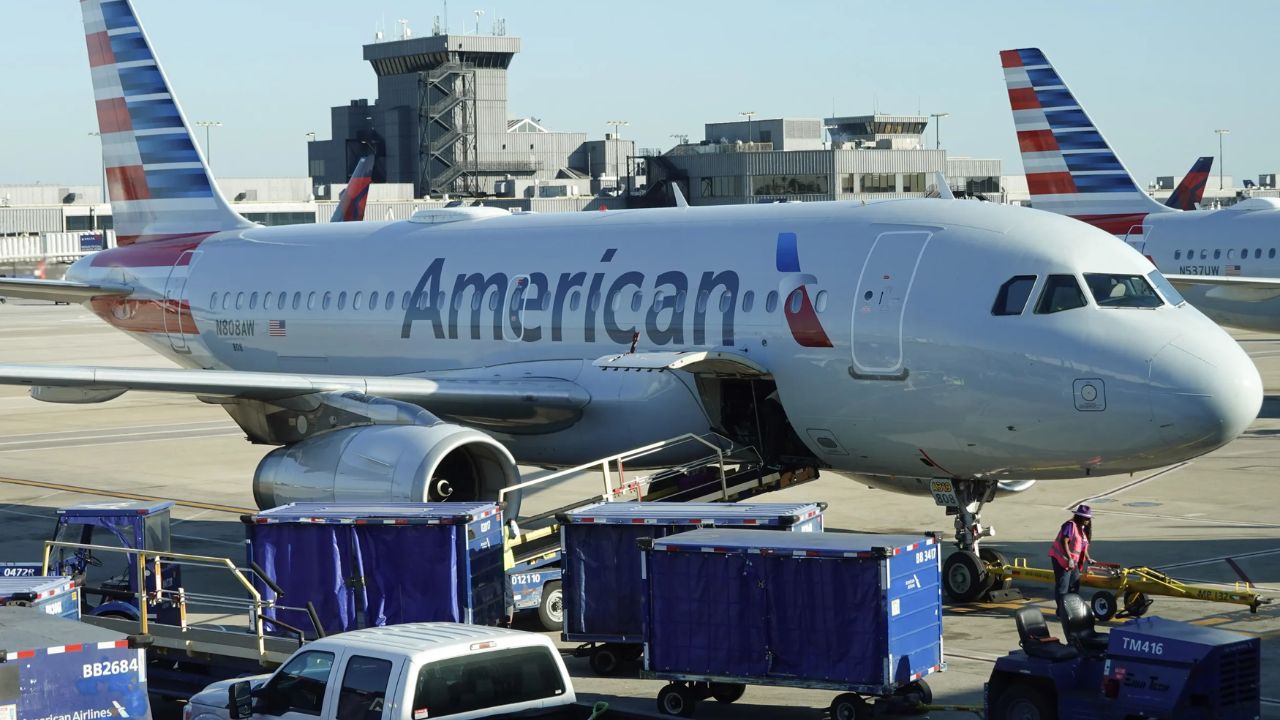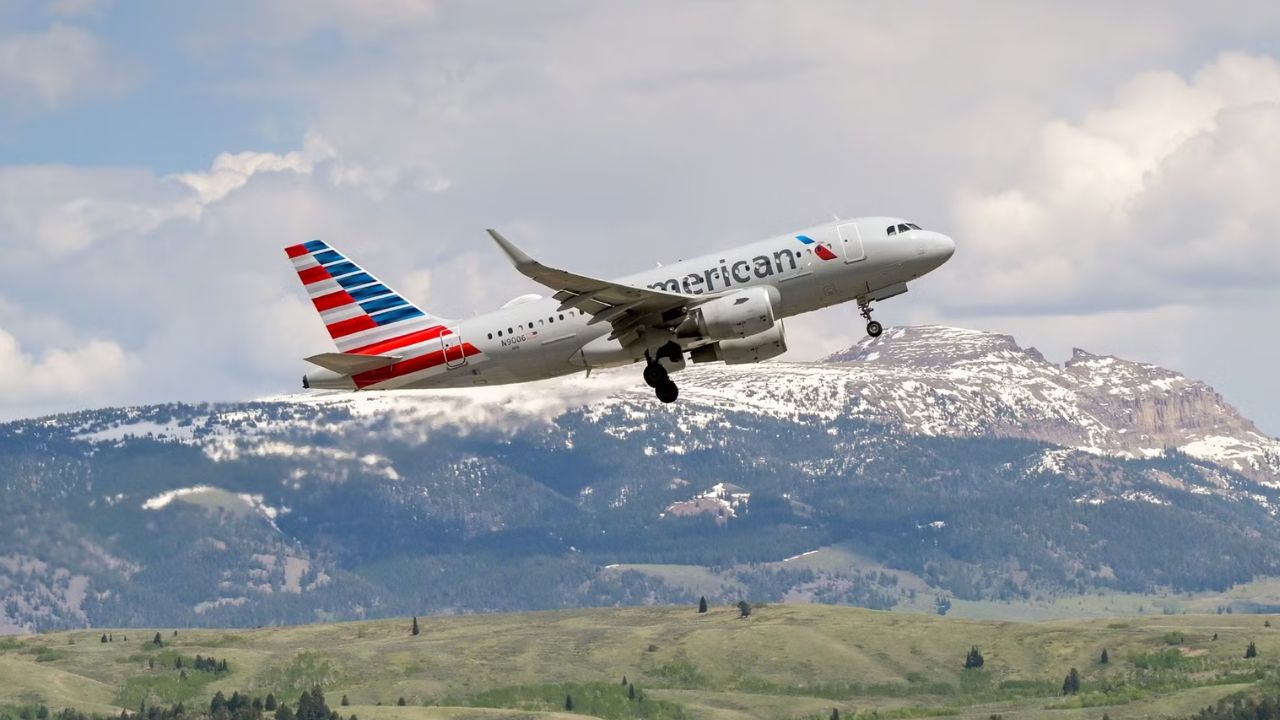
American Airlines is advancing its commitment to elevating the passenger experience across its narrowbody fleet through comprehensive interior retrofits on its Airbus A319 and A320 aircraft. The program includes the removal of seatback entertainment screens from select legacy A319s and the introduction of refreshed cabins that prioritize premium seating, additional storage, and modern conveniences.
This initiative aligns older aircraft with the high standards seen on the airline’s newest deliveries, such as the Boeing 787-9 Dreamliner and Airbus A321XLR. As of late June 2026, significant progress has been made on the A319 subfleet, with the first retrofitted A320 now in service. These changes reflect American Airlines’ strategy to meet growing customer demand for premium options on domestic and short-haul routes.
Progress on A319 Retrofits and Screen Removal
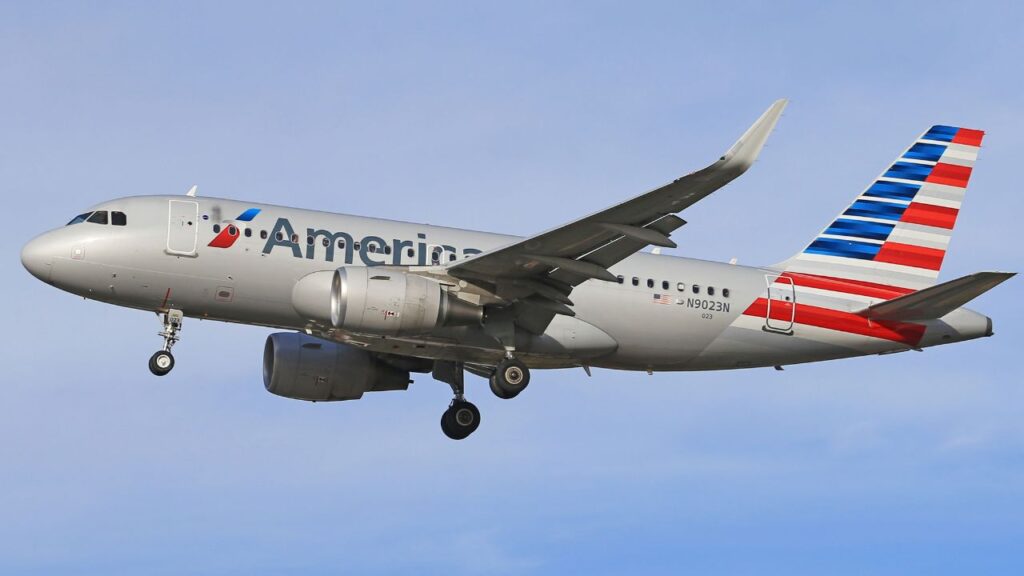
American Airlines has nearly completed retrofits on a key group of its legacy Airbus A319 aircraft. Specifically, 23 of these planes have undergone the cabin transformation, which notably involves stripping out the seatback screens that were a feature of their original configurations.
The aircraft in question are part of a younger subset within the broader A319 fleet, originally delivered between 2013 and 2015. These jets are equipped with sharklets, distinguishing them as more efficient models. The retrofits began after a prototype aircraft, N9002U, spent several months in maintenance and reentered service earlier in 2026. According to the airline, more than 70 percent of this targeted subfleet of 32 aircraft has now received the updates, putting the program on track for substantial completion by the end of summer.
The decision to remove seatback screens represents a shift toward personal device-based entertainment, supported by power outlets at every seat and complimentary Wi-Fi for AAdvantage members. This approach mirrors changes American implemented across much of its narrowbody fleet years ago, aiming for consistency and cost efficiency while focusing investments on other comfort elements.
Expanded Premium Cabins and Interior Features
A central element of the retrofit is the expansion of premium seating. On the Airbus A319, the first class cabin grows from eight to 12 seats. This increase provides more passengers with access to enhanced privacy wings, additional personal storage, and dual cocktail beverage trays on redesigned seats.
The overall interior draws design cues from American’s latest widebody and flagship narrowbody aircraft. Key upgrades include:
- Larger overhead bins for improved carry-on storage.
- USB-C power outlets at every seat, enabling convenient device charging.
- Enhanced mood lighting and updated trim and finishes throughout the cabin.
- A consistent aesthetic that strengthens brand identity.
American Airlines‘ Chief Customer Officer Heather Garboden highlighted the benefits in a recent statement. “We are excited to introduce our refreshed interiors and new premium seats on our narrowbody aircraft, offering our customers more space to stow their carry-ons and a convenient way to power their devices. We’ve strengthened the journey from curb to cabin, and we are excited for customers to fly on these aircraft this summer and beyond.”
These modifications not only boost premium capacity but also contribute to a more productive and relaxing environment for travelers.
First Retrofitted A320 Enters Revenue Service
American Airlines has extended the retrofit program to its Airbus A320 fleet. The first retrofitted A320, registered N107US, officially reentered service recently, marking another milestone.
On the A320, premium seating expands from 12 to 16 seats. The total passenger capacity remains at 150, but the configuration adjusts to accommodate more Main Cabin Extra seats with additional legroom. Reports indicate adjustments such as the addition of a closet and potential modifications to maintain operational efficiency, ensuring compliance with crew requirements.
The A320 updates follow the same design philosophy as the A319 retrofits, delivering larger overhead bins, full-seat power access, and premium cabin enhancements. This brings the older A320s closer in feel to newer fleet members, supporting a uniform experience across American’s mainline operations.
Fleet Context and Long-Term Strategy
American Airlines operates a substantial Airbus A320 family fleet. The carrier fields approximately 132 Airbus A319 aircraft with an average age around 22 years and 48 Airbus A320s averaging about 25 years. Many of these were acquired through previous mergers with US Airways and America West Airlines.
The retrofits demonstrate that American has no immediate plans for widespread retirements of these aircraft. Earlier projections for earlier phase-outs have been extended, with many now expected to remain in service into the 2030s. This approach allows the airline to maximize the utility of its existing assets while investing in customer-facing improvements.
The program forms part of a broader effort to expand premium seating fleetwide. American anticipates significant growth in premium options through both retrofits and new aircraft deliveries. By the end of the decade, the airline projects more than a 50 percent increase in lie-flat international seats.
Benefits for Passengers and Operational Consistency
Passengers can expect tangible improvements on retrofitted flights. The larger overhead bins address a common pain point by providing more space for carry-on luggage, reducing the need for gate-checking bags. Power at every seat supports the growing reliance on personal devices for entertainment and work, complemented by free Wi-Fi and future Starlink connectivity planned for 2027.
The premium cabin upgrades cater to travelers seeking enhanced comfort on shorter routes. Redesigned seats with privacy features and extra storage create a more upscale environment without compromising the aircraft’s overall capacity in a way that impacts operations.
American Airlines has emphasized consistency across its fleet. The refreshed interiors align the A319 and A320 with the look and feel of newer planes, simplifying the experience for frequent flyers and crew alike. This standardization extends to regional partners, where similar interior investments are underway.
Comparison of Configurations Before and After Retrofit
To illustrate the changes clearly:
Airbus A319:
- Premium seats: Increased from 8 to 12.
- Total capacity: Adjusted upward slightly in some reports, supporting more premium options.
- Additional features: Larger bins, power everywhere, updated finishes.
Airbus A320:
- Premium seats: Increased from 12 to 16.
- Main Cabin Extra: Significant expansion.
- Total capacity: Maintained at 150 seats through layout optimizations.
These adjustments reflect careful planning to balance premium growth with operational practicality.
Broader Customer Experience Initiatives
The cabin retrofits are one piece of American Airlines’ ongoing enhancements. The airline has introduced free Wi-Fi across narrowbodies, chef-inspired menus, and improved snack and meal options in the Main Cabin. Sophisticated beverage service and other amenities further enrich the onboard journey.
As American celebrates its centennial in 2026, these investments underscore a dedication to innovation rooted in its long history. With more than 6,000 daily flights and a vast network, the airline continues to position itself as a leader in premium travel experiences.
Major Takeaways
With the A319 program nearing completion for the initial group and A320 retrofits ramping up, more passengers will soon experience these upgraded cabins. The pace of implementation suggests American is committed to rolling out the benefits fleetwide efficiently.
Industry observers note that such retrofits help carriers like American maintain competitiveness amid evolving passenger expectations. By focusing on premium seating, connectivity, and comfort, the airline aims to drive customer satisfaction and loyalty.
American Airlines’ latest moves on its Airbus narrowbodies highlight a strategic blend of modernization and asset optimization. As these retrofitted aircraft proliferate across its network this summer and beyond, travelers can look forward to a more consistent, comfortable, and premium-oriented flying experience on these workhorse jets.