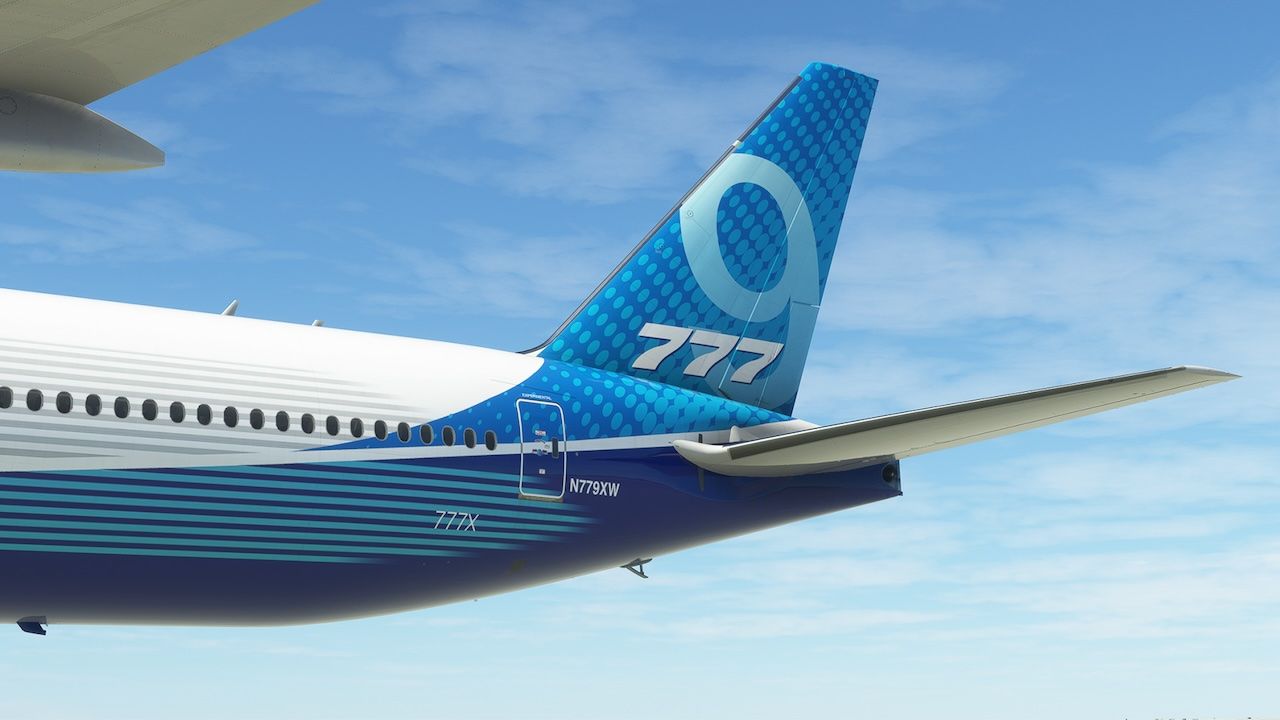
Boeing is advancing its 777-9 certification program with a significant long-duration test flight using the first production-standard aircraft. The 777-9 registered N20080, designated WH128 and built for launch customer Lufthansa, departed from Snohomish County Airport in Washington state for an approximately 11-hour and 14-minute mission. The flight path takes the aircraft toward the North Pole, reaching latitudes as far north as 85 degrees North, roughly 300 nautical miles from the geographic pole. This ambitious test highlights Boeing’s efforts to validate the aircraft’s performance in extreme operating environments as the program moves closer to final certification and customer deliveries targeted for 2027.
Significance of the Production Aircraft in Testing
Unlike earlier dedicated flight test prototypes, N20080 represents a true production configuration. It features a fully installed Lufthansa passenger cabin with seating and inflight entertainment systems rather than engineering test hardware. This approach allows Boeing to evaluate not only core aircraft systems but also cabin environmental controls, connectivity, and overall integration in a setup identical to what airlines will receive.
The aircraft’s participation in the test program demonstrates Boeing’s strategy of using customer-configured jets to complete remaining certification requirements. Production aircraft like N20080 help validate real-world performance and reduce discrepancies between test results and delivered products. The broader 777-9 test fleet has already accumulated more than 4,700 flight test hours, providing a robust data foundation for the program that has secured over 620 orders across the 777X family.
Why High-Latitude Operations Matter
Flights operating at very high northern latitudes present unique challenges that differ from standard long-haul routes. As the aircraft approaches the polar region, magnetic navigation becomes unreliable due to converging magnetic field lines and extreme variation. Modern aircraft instead rely on inertial reference systems and true-heading calculations to maintain accurate positioning. Testing at 85 degrees North allows Boeing to thoroughly evaluate these systems under real conditions.
Communications infrastructure also changes in Arctic environments, with potential impacts on satellite links, HF radio performance, and data connectivity. Long-duration flights in these remote areas provide critical insights into system reliability, fuel efficiency, and environmental controls over extended periods with varying temperatures and atmospheric conditions. Such tests are essential for ensuring the 777-9 can safely and efficiently operate the ultra-long-haul polar routes that many airlines plan to fly.
Technical and Operational Context of the Flight
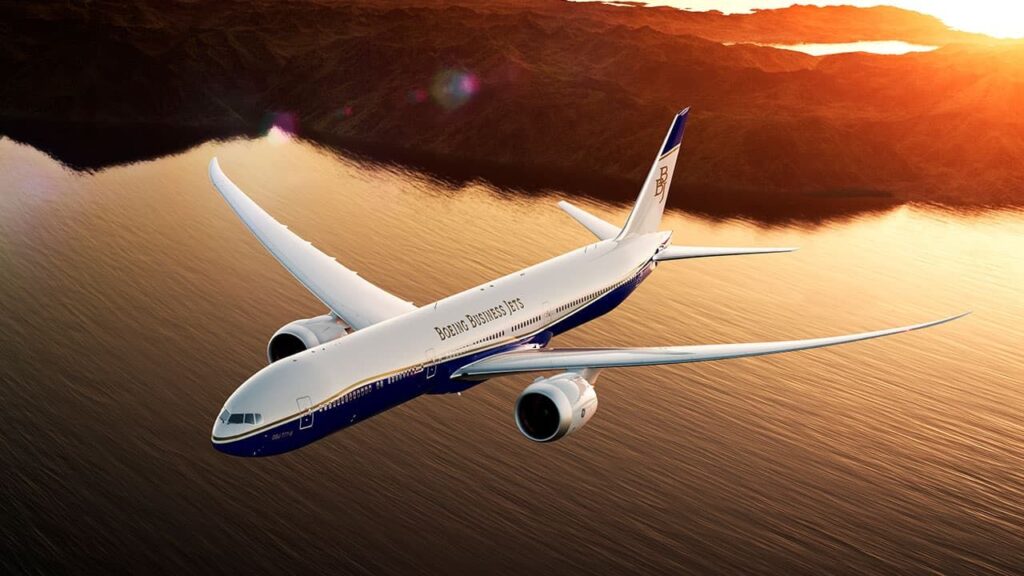
The 11-hour-plus mission represents one of the more demanding profiles in the 777-9 test campaign. Departing from Snohomish County Airport, the aircraft will follow a route designed to maximize time in high-latitude conditions while gathering comprehensive data on avionics, flight controls, engines, and cabin systems. The GE9X-powered twinjet will demonstrate its ability to maintain performance and passenger comfort in an environment far removed from typical test corridors.
This flight builds on previous high-latitude testing conducted by the program while incorporating the added complexity of a fully furnished production interior. Success in these operations will support Extended-range Twin-engine Operational Performance Standards (ETOPS) validation, which remains a key milestone before entry into service. ETOPS approval is critical for the 777-9 to perform the long overwater and polar routes central to its business case.
Progress of the 777X Certification Program
The 777-9 program has made steady advances since its first flight in January 2020. Boeing recently received approval for Type Inspection Authorization Phase 4B, one of the largest remaining segments of FAA-supervised testing. This milestone allows deeper regulatory involvement in final validation activities. The company continues to work closely with authorities to address all technical and operational requirements.
While the primary flight test campaign is progressing well, ETOPS-specific testing and final documentation remain on the critical path. Boeing maintains its target for first customer deliveries in 2027, with Lufthansa expected to be among the initial operators. The involvement of production aircraft like N20080 accelerates the transition from development to certification completion.
Key Milestones in the 777-9 Program:
- Program launch with strong airline commitments.
- First flight of prototype aircraft in January 2020.
- Accumulation of over 4,700 test flight hours across the fleet.
- Approval for TIA Phase 4B testing in June 2026.
- First production aircraft flight and high-latitude validation.
- Targeted certification and first deliveries in 2027.
These steps illustrate the methodical approach Boeing is taking to deliver a mature and reliable product.
Design and Performance Advantages of the 777-9
The 777-9 builds upon the successful 777 family while introducing significant advancements. Its composite wings with folding wingtips enable superior efficiency and airport compatibility. The GE9X engines provide class-leading fuel economy and reduced emissions. The aircraft offers greater passenger capacity and range compared to previous 777 variants, making it ideal for high-volume long-haul routes.
Production aircraft testing ensures these capabilities translate effectively into airline operations. The Lufthansa-configured N20080 allows evaluation of cabin pressurization, temperature control, and passenger systems during extreme cold exposure near the North Pole. Such data is invaluable for confirming reliability across global operating environments.
Challenges and Industry Implications
The 777X program has faced delays common to complex new aircraft development, particularly following enhanced regulatory scrutiny across the industry. Boeing’s use of production aircraft in testing demonstrates confidence in the design and helps streamline the path to certification. Successful completion of the Arctic flight will provide additional assurance regarding high-latitude performance, an important consideration for airlines operating transpolar routes.
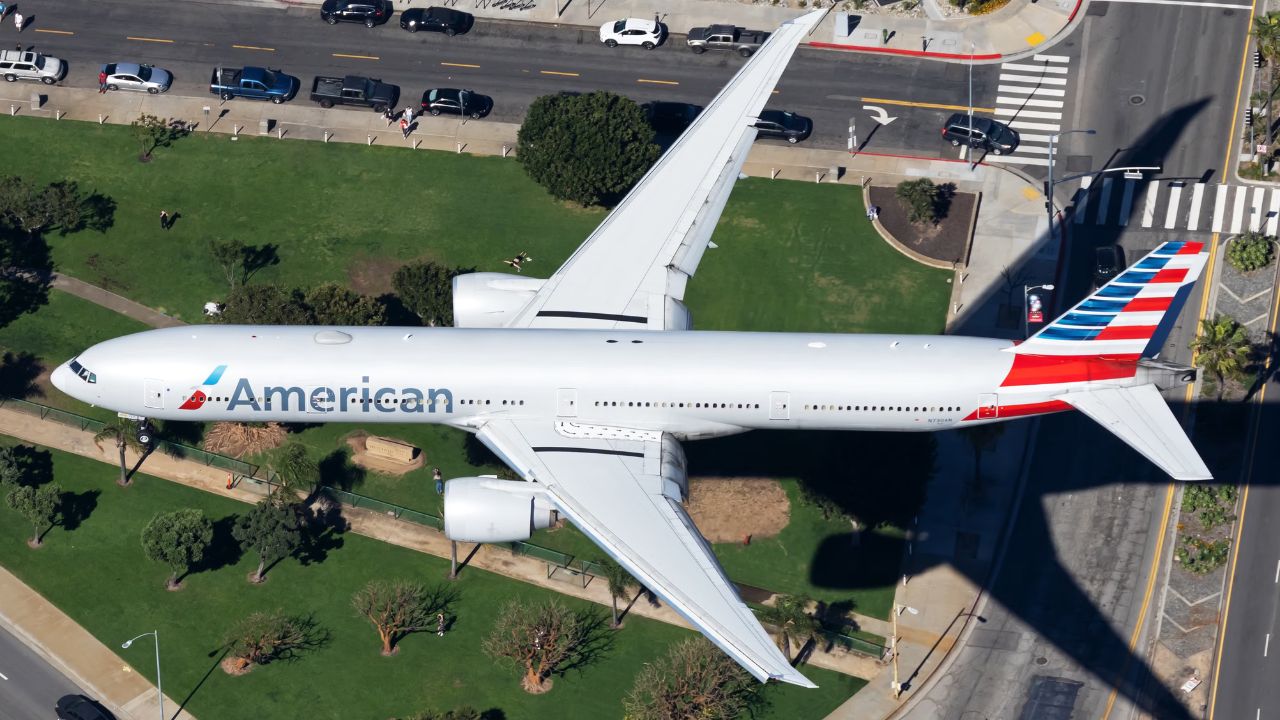
For customers like Lufthansa, Emirates, and Qatar Airways, these tests bring the aircraft closer to operational service. The 777-9’s efficiency improvements are expected to deliver significant operating cost savings and environmental benefits, supporting airline sustainability goals while maintaining the range and payload capabilities that define widebody operations.
Future Outlook for the 777-9 and Boeing Widebodies
As testing continues, Boeing remains focused on completing all certification requirements and ramping up production. The successful integration of production aircraft into the test program signals strong momentum toward 2027 deliveries. The 777-9 will complement the existing 777-300ER and 787 fleets, offering airlines a modern, efficient option for replacing older widebodies.
The Arctic flight represents more than a technical exercise. It validates the aircraft’s readiness for some of the world’s most demanding routes and underscores Boeing’s commitment to thorough validation. As the program progresses, industry observers will watch closely for further milestones that confirm the timeline and capabilities of this next-generation widebody.
The first production 777-9’s journey toward the North Pole marks an important chapter in the aircraft’s development. It demonstrates Boeing’s methodical approach to certification while highlighting the 777-9’s potential to redefine long-haul operations with superior efficiency, capacity, and reliability. For airlines and passengers alike, the successful completion of such demanding tests brings the promise of a new era in widebody travel closer to reality.
This high-latitude mission, combined with ongoing certification work, positions the 777-9 as a formidable addition to the global aviation fleet. Its ability to operate effectively in extreme conditions will be a key differentiator in an increasingly competitive market. Boeing’s progress with N20080 and the broader program reinforces confidence in the aircraft’s future success.