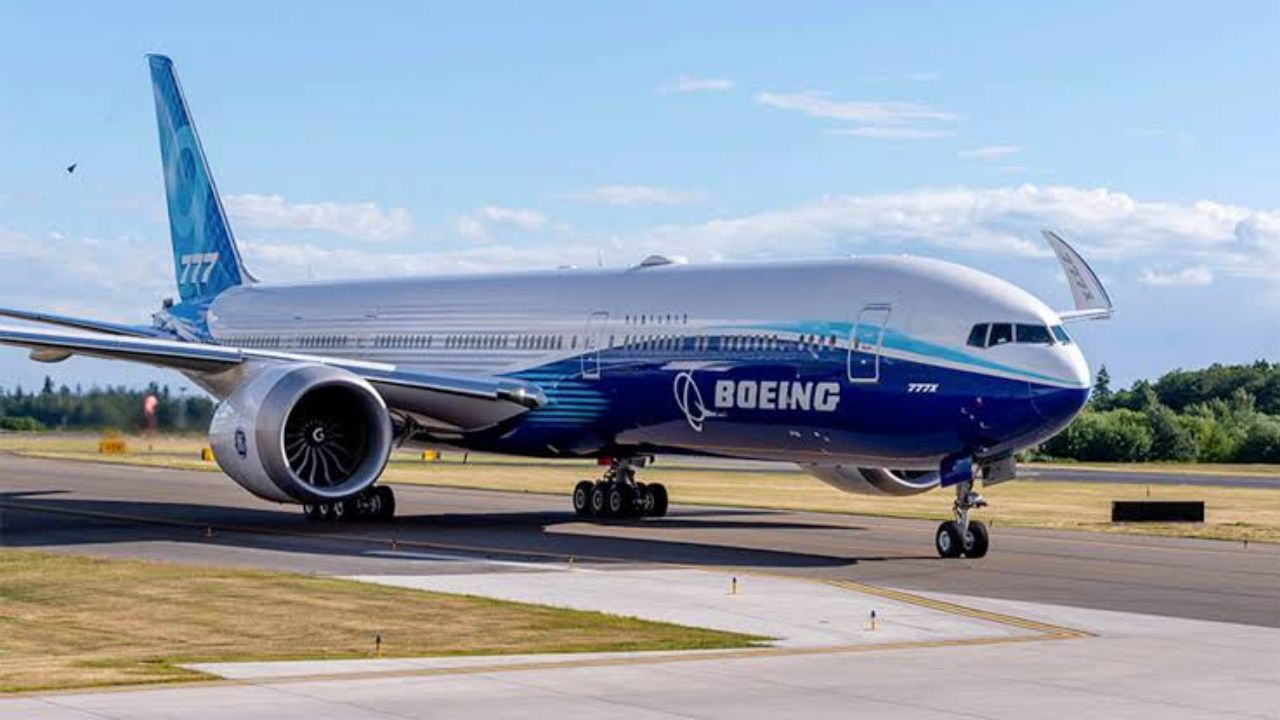
Boeing’s 777X program represents the next generation of long-haul widebody aircraft. Designed as the successor to the successful 777-300ER, it promises enhanced fuel efficiency, larger passenger capacity, and advanced composite wings. After years of development and extensive testing, the aircraft has made significant progress toward certification. However, entry into commercial service remains targeted for 2027 due to the complex requirements surrounding extended operations for twin-engine jets. This situation highlights the rigorous regulatory processes that ensure safety on the world’s most demanding routes.
Program Background and Development Journey
Boeing launched the 777X family in 2013 amid strong airline interest. The program featured two main variants, with the 777-9 positioned as the larger model offering greater capacity and range. Airlines valued its potential for lower operating costs and improved performance compared to previous generations. Original plans called for entry into service around 2020.
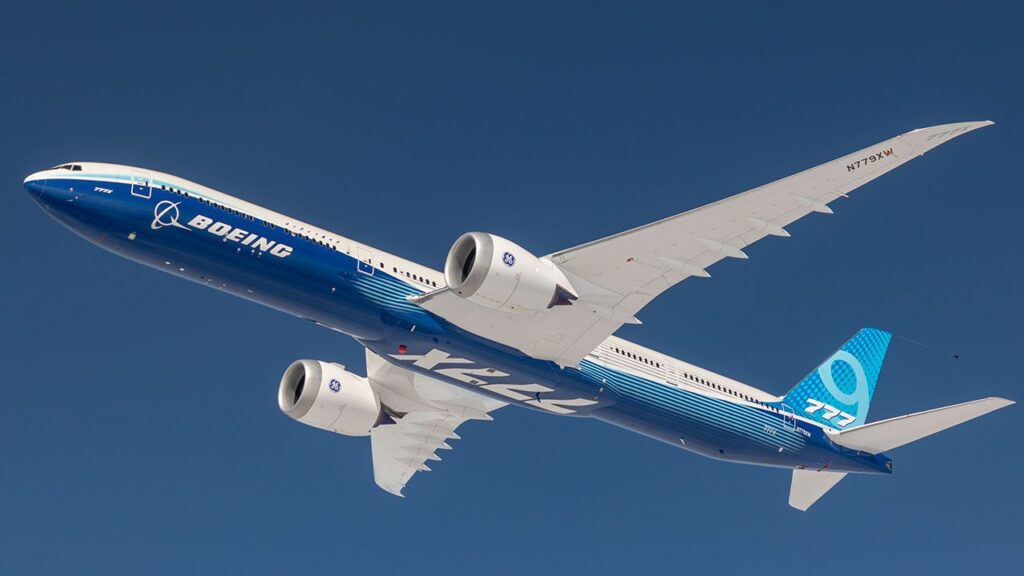
Development incorporated major innovations, including folding wingtips for better airport compatibility and the powerful GE9X engines. Despite these advancements, the program encountered multiple delays stemming from technical challenges, regulatory changes, and broader industry disruptions. Boeing has invested heavily in the aircraft, building dozens of test and production examples, many of which await final modifications.
Recent updates confirm that the primary flight test campaign is nearing completion. Boeing executives have indicated that most testing activities should wrap up by the end of 2026. This progress includes thousands of flight hours, systems evaluations, and key milestones such as approval for advanced phases of Type Inspection Authorization testing. Yet these achievements do not fully clear the path for immediate commercial operations.
The Critical Role of ETOPS Certification
The primary remaining hurdle for the 777X is Extended-range Twin-engine Operational Performance Standards, known as ETOPS. This certification category governs how far a twin-engine aircraft can operate from the nearest suitable diversion airport. For long-haul widebodies like the 777-9, ETOPS approval is essential to perform transoceanic and polar routes that form the core of many airline networks.
ETOPS is not a simple administrative step. Regulators thoroughly evaluate the aircraft’s engines, systems reliability, maintenance procedures, and overall performance under extended diversion scenarios. Boeing CEO Kelly Ortberg has noted that while the main flight test program advances, ETOPS-specific testing will extend into 2027 and serve as the determining factor for final certification. This specialized process ensures the aircraft meets stringent safety standards for operations where immediate diversion may not be possible.
Without full ETOPS clearance, even a certified 777X would face significant operational restrictions. Airlines could not deploy it on many premium long-haul routes, limiting its commercial value. Customers have expressed preference for receiving aircraft only after this approval, allowing immediate use on intended missions. This requirement explains why completion of general flight testing does not equate to service readiness.
FAA Certification Priorities and Regulatory Scrutiny
The timing of 777X certification is also shaped by the Federal Aviation Administration’s workload and heightened oversight. FAA Administrator Bryan Bedford has indicated that the agency will prioritize certification of the 737 MAX 7 and MAX 10 models first, with the 777X following in 2027. This sequencing reflects resource allocation across Boeing programs and a cautious approach to complex certifications.
Post-737 MAX reforms have led to increased FAA involvement and more rigorous reviews. Boeing utilizes shared flight test resources across programs, meaning efforts on narrower narrowbody models impact the widebody timeline. While this extended scrutiny aims to bolster public confidence in aviation safety, it contributes to longer development cycles for new aircraft types.
Boeing has made tangible progress, including recent approvals to advance through critical Type Inspection Authorization phases. These steps involve direct FAA participation and integrated aircraft evaluations. Nevertheless, the agency’s prioritization places the 777X after other pending certifications, pushing the overall timeline into 2027.
Impact on Airlines and Fleet Planning
Launch customers have waited more than a decade for the 777X. Lufthansa, the launch operator, placed its order in 2013 and anticipates deliveries in 2027. Emirates holds the largest commitment with hundreds of aircraft across the family, while other carriers like Qatar Airways and Cathay Pacific have structured long-term strategies around the jet.
These delays force airlines to adjust retirement schedules for older widebodies and explore interim solutions. Many operators have extended the life of existing 777-300ER fleets or turned to alternatives such as the Airbus A350. Cabin reconfiguration plans and new premium product launches have also been affected, with some carriers installing updated interiors on current aircraft rather than waiting.
The financial implications are substantial. Boeing previously recorded significant charges related to the program delays. For airlines, repeated revisions to capacity forecasts, crew training, and route development create operational complexity and added costs. Despite these challenges, strong underlying demand for efficient long-haul twins keeps the 777X relevant in fleet plans.
Key 777X Program Milestones and Timeline Shifts:
- Launch Year: 2013 with initial service target around 2020.
- Major Testing Progress: Thousands of flight hours accumulated by mid-2026.
- Recent Certification Step: Approval for Type Inspection Authorization Phase 4B in 2026.
- Expected Certification: 2027 following ETOPS completion.
- First Deliveries: Targeted for 2027 to launch customers.
This table illustrates the extended development path and remaining steps.
Technical Advancements and Market Position
The 777X incorporates state-of-the-art features that position it as a leader in efficiency. Its composite wings with folding tips enable superior aerodynamics while maintaining compatibility with existing airport infrastructure. The GE9X engines deliver class-leading performance with reduced fuel burn and emissions. These elements support longer ranges and higher payloads, making the aircraft attractive for high-volume international routes.
Market interest remains robust among international carriers seeking to modernize long-haul fleets. The program benefits from lessons learned across Boeing’s widebody portfolio, including the 787 Dreamliner. Once certified and in service, the 777X is expected to set new standards for twin-engine long-range operations.
Broader Implications for Boeing and the Industry
The 777X situation underscores the challenges of developing modern commercial aircraft amid evolving regulatory environments. Boeing continues low-rate production and change incorporation work on stored aircraft in preparation for deliveries. This proactive manufacturing approach aims to accelerate handovers once certification concludes.
For the aviation industry, the delay emphasizes the priority placed on safety and reliability. Regulators balance innovation with thorough validation, particularly for aircraft intended for global operations. Airlines demonstrate patience while adapting, confident that the final product will deliver the promised performance.
Path Forward and Customer Expectations
Boeing remains committed to achieving certification in 2027 and beginning deliveries accordingly. Executives highlight ongoing progress in building aircraft and preparing for service entry. Customers continue to engage closely with the program, anticipating the operational flexibility the 777X will provide once fully cleared.
Test programs and production ramp-up activities position the aircraft for a strong debut. The focus now centers on completing ETOPS demonstrations and final regulatory approvals. This methodical approach ensures the 777X meets the highest safety standards before entering passenger service.
In conclusion, the Boeing 777X has achieved substantial technical maturity through extensive flight testing. However, the specialized nature of ETOPS certification for long-haul twin-engine operations, combined with FAA priorities, necessitates additional time. The wait until 2027 reflects a commitment to safety and reliability rather than a simple delay. For airlines and passengers, this ensures the aircraft will reliably serve demanding global routes when it finally enters service, reinforcing Boeing’s legacy in widebody aviation.